Creatine vs Electrolytes: Do You Need Both?
By The Creatine Canada Research Team — Evidence-based supplement analysts
Creatine and electrolytes are not interchangeable, and many active people benefit from both for different reasons. Creatine helps your muscles recycle quick energy for strength, power, and lean mass, while electrolytes help regulate fluid balance, nerve signalling, and muscle contraction, so whether you need both depends on your training, sweat losses, diet, and hydration habits.
Evidence-based · Cites 4 sources · Editorial standards
Key Takeaways
- Creatine and electrolytes do different jobs: creatine supports high-intensity performance, while electrolytes support hydration and normal muscle and nerve function.
- Most healthy adults can take creatine monohydrate without adding a separate electrolyte product if their diet and hydration are already good.
- Electrolytes become more useful with long sessions, heavy sweating, hot weather, endurance sport, or repeated same-day training.
- A standard creatine maintenance dose is 3-5 g daily; a loading phase is optional at about 20 g daily split into 4 doses for 5-7 days.
- You can safely take creatine and electrolytes together in the same drink, but the electrolytes do not make creatine 'work' better in any unique way.
- Creatine does not dehydrate you; it increases water stored inside muscle cells, which is different from causing dehydration.
- In Canada, prioritize creatine monohydrate products with a Natural Product Number when applicable and ideally third-party testing or transparent quality controls.
Creatine vs electrolytes: which one do you actually need?
Creatine and electrolytes are not an either-or choice because they solve different problems in the body. If your goal is better strength, repeated sprint ability, training volume, and muscle gain, creatine monohydrate is the more directly useful supplement; if your main issue is sweat loss, cramping risk from long hot sessions, dizziness, headaches during endurance work, or poor fluid replacement, electrolytes are the more immediately relevant tool.
Creatine is a compound stored mostly in muscle, where it helps regenerate adenosine triphosphate, or ATP, the cell’s fastest energy currency for short, hard efforts. Electrolytes are minerals such as sodium, potassium, magnesium, and calcium that carry electrical charge and help control fluid balance, nerve impulses, and muscle contraction. One does not replace the other.
For most gym-goers lifting weights three to five times per week, the simplest evidence-based answer is this: take creatine daily, drink enough fluids, and only add a dedicated electrolyte product when your sweat losses are high or your regular food and drink are not covering your needs. The 2017 ISSN position stand concluded that creatine monohydrate is the most effective ergogenic nutritional supplement currently available for increasing high-intensity exercise capacity and lean body mass during training, and it remains the best-studied form of creatine. You can read that directly in Kreider et al. (2017), ISSN Position Stand: Safety and Efficacy of Creatine — JISSN.
If you are asking electrolytes or creatine?, use this quick rule:
- Choose creatine first if your training is based on lifting, sprinting, team sports, CrossFit-style intervals, or repeated explosive efforts.
- Prioritize electrolytes first if your immediate problem is poor hydration during long workouts, heat exposure, heavy sweat loss, or endurance events lasting well beyond an hour.
- Use both if you do hard training and regularly lose a lot of sweat.
Beginners often assume creatine is a hydration product because it increases water inside muscle cells, but that is not the same thing as replacing sodium and other minerals lost in sweat. If you want a fuller primer on what creatine actually is, start with what creatine is and what it does.
They work through different mechanisms, which is exactly why taking both can make sense
Creatine helps you produce quick energy inside muscle, while electrolytes help you maintain the fluid and electrical conditions that allow muscles and nerves to work normally. That difference in mechanism is the whole point of the comparison.
Creatine is stored in muscle as free creatine and phosphocreatine, a high-energy compound that donates a phosphate group to rapidly rebuild ATP during short, intense efforts. When you do a heavy set of squats, a 10-second sprint, a jump, or repeated high-output intervals, the phosphocreatine system helps you maintain force for a little longer and recover faster between bouts. Over weeks of training, that often translates into more quality work, which can help drive better gains in strength and lean mass. For a practical overview of timelines and outcomes, see how long creatine takes to work and the evidence-based benefits of creatine.
Electrolytes do something else entirely. Sodium is the main electrolyte lost in sweat and is central to fluid retention and blood volume. Potassium is the major intracellular electrolyte and is important for cell function and nerve transmission. Calcium helps trigger muscle contraction, and magnesium is involved in many enzyme systems and neuromuscular function. During heavy sweating, especially in heat, replacing some sodium and fluids can help you maintain performance and avoid the obvious symptoms of under-replacement, such as excessive thirst, light-headedness, falling pace, and feeling washed out after training.
Where the confusion starts is hydration. Creatine causes more water to be stored inside muscle cells as intramuscular water, which is part of why users may notice a modest early increase on the scale. But intramuscular water retention does not mean creatine is an electrolyte, and it does not mean creatine dehydrates you. The 2021 JISSN review on common questions and misconceptions about creatine notes that concerns about dehydration and cramping are not supported by the bulk of evidence. See Antonio et al. (2021), Common questions and misconceptions about creatine supplementation — JISSN.
In plain language: creatine helps your engine produce short-burst power, and electrolytes help keep the cooling and wiring systems functioning. If your training taxes both, using both is rational. If it mostly taxes one, you may only need one supplement.
Do you need electrolytes with creatine? Usually no, but sometimes absolutely yes
You do not need electrolytes with creatine by default if you are a healthy person doing normal gym training and eating a reasonably balanced diet. You may need electrolytes in addition to creatine if you sweat heavily, train in heat, perform long sessions, or struggle to replace fluid and sodium from regular meals and drinks.
This is the most accurate answer to the search question do I need electrolytes with creatine?: creatine itself does not require an electrolyte “partner” to absorb or function properly. You can mix creatine in plain water and it still works. A dedicated electrolyte supplement only earns its keep when your sweat losses are meaningfully high or your lifestyle makes hydration difficult.
You are more likely to benefit from electrolytes alongside creatine if you fit one or more of these profiles:
- Endurance athletes doing runs, rides, swims, or team practices lasting more than about 60-90 minutes.
- Heavy sweaters whose clothing turns salt-streaked or who lose noticeable body mass during training.
- People training in heat or humidity, including summer outdoor sport and hot indoor facilities.
- Athletes with two-a-day sessions who need to recover hydration status quickly between workouts.
- Workers or active people combining training with physically demanding jobs and long sweat exposure.
You are less likely to need a separate electrolyte product if:
- Your workouts are mostly 45-75 minute weight sessions in temperate conditions.
- You eat regular meals that contain sodium and potassium-rich foods.
- You drink to thirst and your urine is usually pale yellow, not persistently dark.
- You do not experience signs of significant sweat loss during training.
A useful middle-ground approach is to take creatine every day and reserve electrolyte drinks for the conditions that warrant them. This keeps your supplement routine simple and cheaper. If hydration is your main concern, pair this page with how much water to drink with creatine and whether creatine causes dehydration.
For many lifters, the answer is not “creatine hydration electrolytes” as one combined magic formula. It is “daily creatine, plus smart hydration, plus electrolytes only when your training environment or sweat rate justifies them.”
Can you take creatine and electrolytes together? Yes, and here is the simplest way to do it
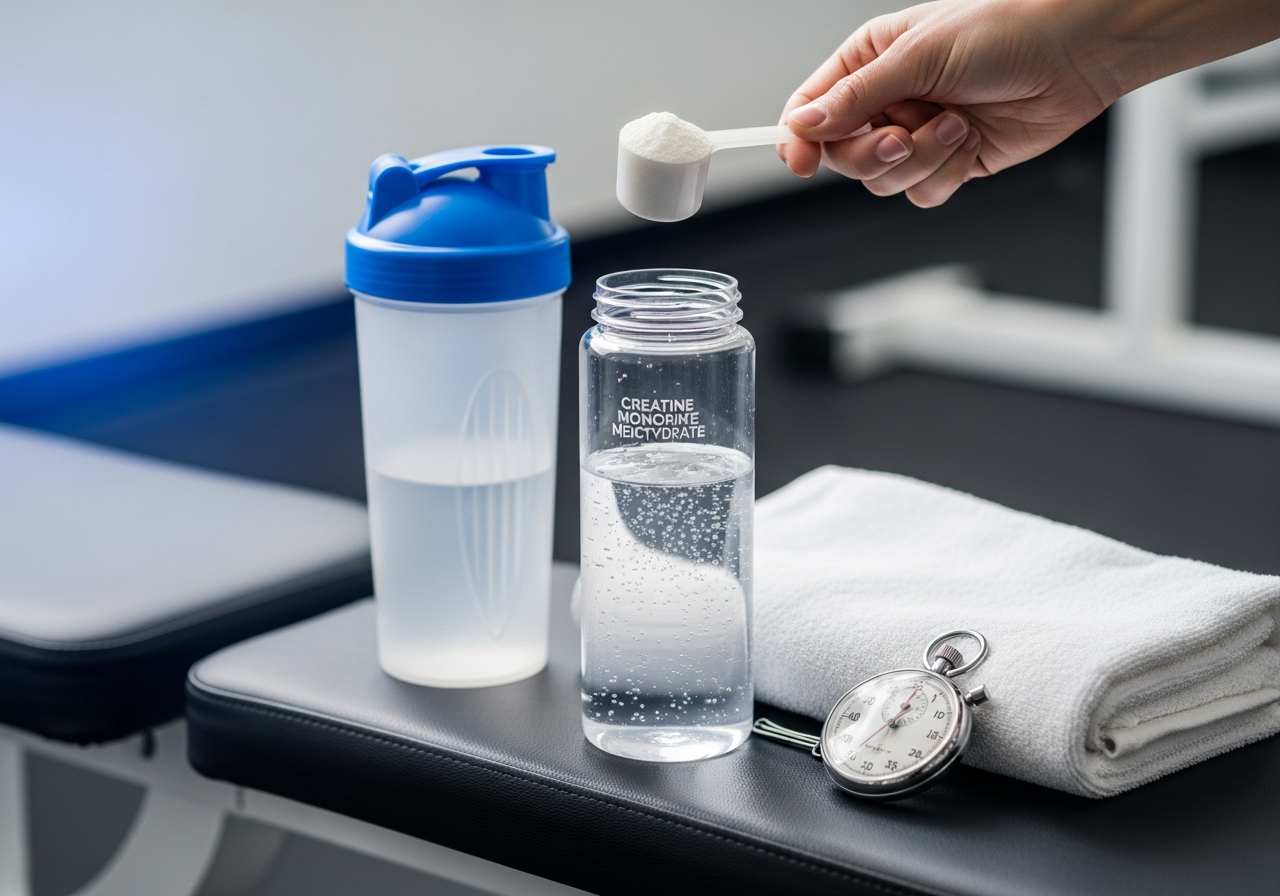
Yes, you can take creatine and electrolytes together, and for many athletes it is a practical pairing rather than a necessary one. Mixing creatine monohydrate into an electrolyte drink is generally fine as long as the total dose of each product is sensible and your stomach tolerates it well.
The reason this combo is popular is convenience. If you already carry a bottle for longer sessions or hot-weather training, adding your daily creatine dose to that bottle can improve consistency. Creatine works by saturating muscle stores over time, so the biggest driver of results is not a fancy stack but taking the right amount consistently. If you need a refresher on setup, see how to take creatine step by step and whether to take creatine on rest days.
- Pick plain creatine monohydrate. Use 3-5 g daily for maintenance, or load at about 20 g daily split into 4 doses for 5-7 days if you want faster saturation.
- Use an electrolyte drink only when warranted. This is most useful for longer, sweatier, hotter, or repeated training sessions.
- Mix in enough fluid. A full bottle or shaker is easier on the stomach than taking concentrated powder with minimal water.
- Sip according to session length. For a typical weight workout, you can simply drink it before, during, or after. For endurance work, spread it across the session.
- Adjust if your stomach complains. Split creatine into smaller doses or use more water if you feel bloated or loose-stooled.
What should you expect? Creatine does not produce a “hydration buzz” the way a salty drink sometimes can after a hard sweat. Its benefits are subtler and accumulate over days to weeks: better bar speed late in sets, an extra rep here and there, improved repeat sprint quality, and slightly fuller muscles as stores saturate. Electrolytes, by contrast, tend to help acutely when they are needed.
One caution: not every “creatine + electrolytes” product is automatically smart. Some formulas underdose creatine, hide the amount in a blend, or rely on marketing-friendly ingredients instead of enough monohydrate. If you shop this category, compare labels carefully and cross-check against solid stand-alone options in our best creatine rankings and creatine product catalog.
Best dosing by goal, body weight, and sport: exactly how much creatine and when electrolytes matter most
The best creatine dose for most adults is 3-5 g per day, while electrolyte needs vary with sweat loss rather than body weight alone. Creatine dosing is simple and stable; electrolyte dosing is situational.
For creatine, the evidence-backed default is straightforward. A maintenance dose of 3-5 g daily is enough for most people to maintain saturated or near-saturated muscle stores over time. A loading phase of about 20 g daily, usually split into 4 doses of 5 g for 5-7 days, reaches saturation faster. A body-weight method of roughly 0.3 g/kg/day for loading and about 0.03 g/kg/day for maintenance is also commonly used.
| Body weight | Creatine loading option | Creatine daily maintenance | When electrolytes become more relevant |
|---|---|---|---|
| 60 kg | ~18 g/day for 5-7 days | ~2-3 g/day, though 3 g is practical | Long cardio, hot yoga, field sports in heat, heavy sweat loss |
| 75 kg | ~22-23 g/day for 5-7 days | ~3-5 g/day | Sessions beyond 60-90 minutes or repeated same-day training |
| 90 kg | ~27 g/day for 5-7 days | ~5 g/day | Large sweat losses, outdoor summer training, long team practices |
| 110 kg | ~33 g/day for 5-7 days | ~5 g/day | Very heavy sweaters, collision sports camps, labour plus training |
Goal also matters:
- Strength and muscle gain: Take 3-5 g creatine daily year-round. Electrolytes are optional unless you sweat a lot.
- Sprint and team sport performance: Creatine is highly relevant because repeated explosive efforts depend on rapid ATP regeneration. Electrolytes matter more during long practices in heat.
- Endurance sport: Electrolytes often matter more during the session itself, but creatine can still help with surges, sprint finishes, gym work, and maintaining lean mass. The tradeoff is possible water-weight gain, which matters more in weight-sensitive sports.
- General health and ageing: Creatine can support training quality in older adults, while electrolytes are usually a food-and-hydration issue unless exercise conditions increase losses.
If you want a more exact personal target, use our creatine dosage calculator and then compare that with your actual training conditions. For most people, creatine needs are determined by the saturation goal, but electrolyte needs are determined by the sweat-loss problem.
Timing, results, and week-by-week expectations: what each one feels like when it is working
Creatine timing matters far less than daily consistency, while electrolyte timing matters mainly around and during sweat-producing exercise. If you remember just one thing, remember this: creatine works cumulatively over days and weeks, and electrolytes work acutely when you are actually losing fluid and minerals.
Creatine timing: You can take creatine before or after training, with a meal, or on its own; the important part is getting your daily dose in. The evidence does not support obsessing over a narrow anabolic “window” for most people. If a routine helps you remember, that is the best timing for you. For more on this, read when to take creatine.
Electrolyte timing: Use them before or during exercise when sweat losses are likely to be significant, and after exercise when you need to restore hydration quickly. They are especially useful when plain water alone leaves you feeling flat after a long or very sweaty session.
Here is a realistic creatine timeline without loading:
- Days 1-7: Usually no dramatic performance change. Some people notice fuller muscles or slightly increased body mass from intracellular water.
- Weeks 2-4: Muscle creatine stores are rising meaningfully. You may notice better repeat effort quality, slightly better recovery between sets, and an extra rep on some lifts.
- Weeks 4-8: Performance benefits become easier to notice if training and nutrition are consistent. Strength progression and training volume may improve.
With a loading phase, this timeline compresses, and some users notice changes within the first week. For more detail, see the creatine loading phase guide.
Electrolytes feel different when they are solving a real problem. You may notice less fading late in a long session, better thirst satisfaction, fewer post-workout headaches from heavy sweating, and easier rebound for the next practice. If you do not sweat much, however, an electrolyte product may feel like expensive flavoured water.
So if you are deciding between creatine and electrolytes together or one alone, think in terms of time scale: creatine is a long-game saturation supplement, and electrolytes are a situational hydration support tool.
Who should use both, who can skip electrolytes, and special notes for women, older adults, and beginners
The people most likely to benefit from both creatine and electrolytes are athletes who train hard and sweat a lot, while many beginners lifting indoors can take creatine alone and be perfectly well covered. The ideal stack depends more on your activity pattern than on your identity.
Beginners: If you are new to supplements, start with creatine monohydrate before you complicate things. A simple 3-5 g daily habit is low-cost, easy to track, and highly evidence-based. Only add electrolytes if your workouts are long, hot, or sweat-heavy. If you are brand new, our creatine for beginners guide is the best next read.
Women: Women benefit from creatine for the same fundamental reasons as men: phosphocreatine supports repeated high-intensity effort and training quality. Women should not avoid creatine because of the bulking myth; any early scale increase is typically water stored in muscle, not body fat. Electrolytes are not more necessary just because you are a woman, but they can be very helpful for endurance training, heat exposure, and high-sweat classes. See creatine for women for a deeper dive.
Older adults: Creatine can be particularly useful when combined with resistance training because maintaining strength and lean mass becomes more important with age. Electrolytes may matter for older adults who exercise in heat or have reduced thirst cues, but supplement use should be more individualized if medical conditions or medications affect fluid balance.
Team-sport and power athletes: Creatine is often a high-priority supplement because repeated bursts, accelerations, and collisions rely heavily on rapid ATP turnover. Electrolytes matter most in summer camps, tournaments, and long practices.
Endurance athletes: Electrolytes may be more immediately useful in-session, but creatine can still support finishing kick power, gym training, and recovery from intense intervals. The main consideration is whether small water-weight changes matter for your event.
Vegetarians and vegans: People eating little or no meat may start with lower baseline creatine stores and can respond very well to supplementation. Electrolyte needs, again, come down to sweat and hydration, not whether you eat animal products.
Who should be cautious? Anyone with kidney disease, significant medical conditions affecting fluid or electrolyte handling, or medication interactions should speak with a healthcare professional before using either supplement routinely. For broader risk context, see is creatine safe.
Safety, side effects, and the biggest hydration myths people still get wrong
Creatine is well-studied and generally safe for healthy people at recommended doses, while electrolyte products are only helpful when used appropriately and can be counterproductive if taken mindlessly. The biggest myth to clear up is that creatine dehydrates you; current evidence does not support that claim.
The ISSN position stand and subsequent reviews consistently support creatine monohydrate as safe and effective in healthy populations when used at standard doses. One reason confusion persists is the blood marker creatinine, which can rise with creatine use because it is a breakdown product of creatine, but that is not the same thing as proof of kidney damage. If this topic worries you, read the creatine and kidneys guide.
Common creatine side effects are usually practical rather than dangerous:
- Mild stomach upset: More likely with large single doses, poor mixing, or taking it on an empty stomach if you are sensitive.
- Temporary water-weight gain: Often occurs early as muscles store more water intracellularly.
- Bloating complaints: Usually improved by avoiding huge doses at once and using plain monohydrate consistently. See the bloating guide.
Common electrolyte mistakes include:
- Using a high-sodium drink for short, low-sweat workouts where plain water would do.
- Assuming every cramp is caused by low electrolytes when fatigue, pacing, and conditioning can also play major roles.
- Confusing sugary sports drinks with essential hydration support for every session.
Here are the myths worth debunking directly:
- Myth: Creatine pulls water out of the rest of your body. Reality: creatine increases water held inside muscle cells, but this does not mean it causes systemic dehydration.
- Myth: You must take electrolytes with creatine for absorption. Reality: creatine monohydrate works fine in plain water.
- Myth: Electrolytes build muscle like creatine does. Reality: electrolytes support hydration and normal physiology; they are not a muscle-building ergogenic in the same category.
- Myth: More is better. Reality: excessive creatine causes more stomach trouble, and unnecessary electrolyte use can simply add cost or too much sodium for your situation.
For a broader myth roundup, see creatine myths debunked and creatine myths vs. facts.
Why your creatine or electrolyte routine may not be working, and how to fix it fast
If your routine is not working, the problem is usually poor consistency with creatine or poor matching of electrolytes to actual sweat loss. Most supplement frustrations come from execution, not from the ingredients themselves.
Problem 1: “Creatine is not doing anything.”
The most common reason is simply not taking it daily for long enough. Creatine works by saturating muscle stores, so random use around workouts will underdeliver. Fix it by taking 3-5 g every day for at least 4 weeks, or by using a proper 5-7 day loading phase. Another possibility is that your training does not rely much on repeated high-intensity output, in which case effects may feel less obvious. If needed, review why some people seem like non-responders.
Problem 2: “Creatine upsets my stomach.”
Large single doses are the usual culprit. Fix it by splitting doses, mixing with more water, taking it with food, or switching to a micronized monohydrate if texture is the issue rather than the compound itself. More help is in creatine digestive side effects explained.
Problem 3: “Electrolytes are not helping.”
You may not need them, or the problem may be total fluid intake rather than minerals. If your workout is a moderate indoor lifting session, electrolytes may offer little noticeable benefit. Save them for conditions with greater sweat loss.
Problem 4: “I still get headaches or feel flat during long sessions.”
You may be underdrinking, starting dehydrated, or failing to replace enough sodium during prolonged sweaty exercise. The answer is usually to address the whole hydration plan, not just to throw more creatine at it.
Problem 5: “I gained weight and think creatine made me fat.”
Early weight gain is usually water inside muscle, not fat gain. This is expected for many users and does not mean the product is harming body composition. For details, see does creatine make you gain weight.
A final troubleshooting rule helps almost everyone: simplify before you optimise. Plain creatine monohydrate, enough water, a sensible diet, and electrolytes only when conditions justify them beat a complicated stack you cannot follow consistently.
Buying creatine and electrolyte products in Canada: what matters on the label and what does not
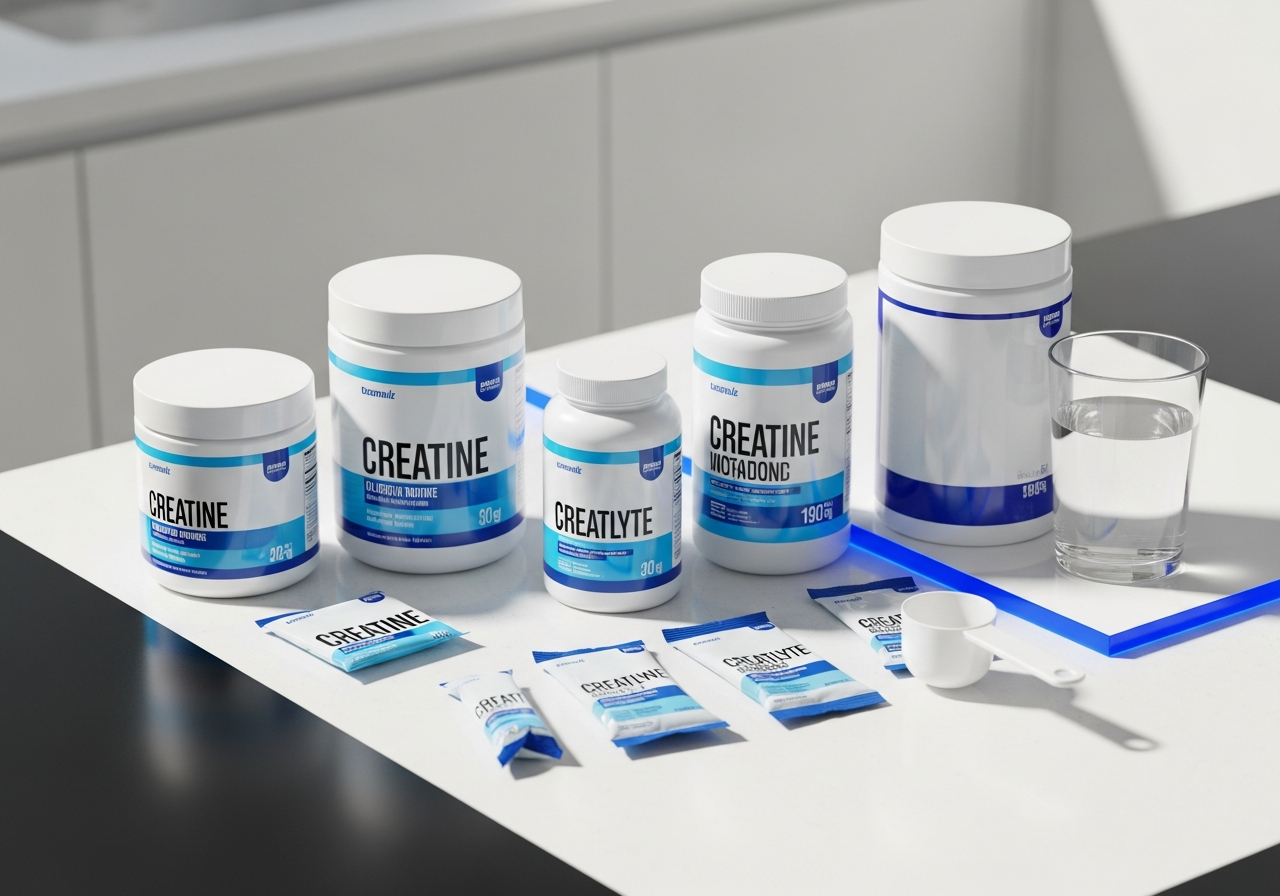
In Canada, the smartest buy is usually a plain creatine monohydrate product with transparent labelling, appropriate regulatory information, and good quality control, while electrolyte products should be judged mainly on whether they fit your sweat-loss needs rather than on flashy hydration claims. Marketing often blurs these categories, so label reading matters.
For creatine, monohydrate remains the benchmark because it is the most studied and usually the most cost-effective form. Fancy forms often promise better absorption or less bloating, but those claims rarely justify a higher price for most users. A clean ingredient list is a plus: if you only want creatine, then plain unflavoured monohydrate is hard to beat. If you are choosing a combined product, make sure the creatine dose is not buried in a proprietary blend.
In the Canadian context, many supplements carry a Natural Product Number, or NPN, which is a Health Canada product licence number used for many natural health products. An NPN is not a guarantee that a product is the best or purest on the shelf, but it does indicate the product has been licensed within the relevant framework. Third-party testing, lot transparency, and established brand quality systems are also valuable signals.
| What to check | Creatine product | Electrolyte product | Why it matters |
|---|---|---|---|
| Active ingredient | Creatine monohydrate clearly listed | Sodium-led formula with other minerals as needed | You want the ingredient doing the actual job |
| Dose transparency | 3-5 g per serving or clearly stated scoop size | Clear mineral amounts per serving | Avoid underdosed or vague blends |
| Added extras | Minimal fillers if buying plain creatine | Sugar content should fit your use case | Extra ingredients may raise cost without benefit |
| Quality signals | NPN when applicable, testing, reputable brand | Reputable manufacturing and clear label | Quality control matters in supplements |
| Use case fit | Daily saturation supplement | Situational hydration support | Do not buy one product to do two unrelated jobs badly |
If you are comparison shopping, our creatine brand reviews and best creatine rankings can help narrow the field. And if you want category-specific advice, see best creatine monohydrate in Canada and Canadian supplement regulations.
The simplest evidence-based routine for most people: a step-by-step plan you can start today
The simplest effective routine for most active adults is to take 3-5 g of creatine monohydrate every day, drink enough water across the day, and use electrolytes only for longer, hotter, or sweatier sessions. This approach covers the vast majority of real-world needs without turning hydration into a chemistry project.
- Buy one plain creatine monohydrate product. Avoid overthinking the form unless you have a specific reason.
- Take 3-5 g daily. Pick a consistent anchor habit such as breakfast, your post-workout shake, or your lunch. If you want faster saturation, use a loading phase of about 20 g daily split into 4 doses for 5-7 days, then drop to maintenance.
- Mix it in water, a shake, or another drink you already tolerate well. It does not need a special transport system to work. For practical mixing tips, see how to mix creatine.
- Use electrolytes selectively. Bring them in for long endurance sessions, hot training environments, tournaments, double sessions, or any time you know you sweat heavily.
- Track three signs for 4-8 weeks. Watch your gym log, repeated sprint quality, and body mass trend. More reps at a fixed load, better repeat output, and slightly fuller muscles are common indicators creatine is doing its job.
- Troubleshoot only if needed. If you get stomach upset, split doses or take creatine with more water or food. If you feel puffy from a loading phase, skip loading next time and use daily maintenance only.
Here are three practical examples:
- Indoor lifter, 70 kg: 3 g creatine daily, plain water as usual, no electrolyte drink needed for standard one-hour gym sessions.
- CrossFit athlete, 85 kg, summer garage gym: 5 g creatine daily year-round, plus electrolytes during long hot workouts or back-to-back sessions.
- Runner, 60 kg, long weekend training: 3 g creatine daily if strength, intervals, or sprint finish matter to your goals, plus electrolytes during long hot runs with heavy sweating.
If you want a supplement routine that is sustainable, this is the answer to creatine and electrolytes together: yes when your environment or sport warrants both, but always for different reasons.
Bottom line: creatine vs electrolytes is the wrong debate for most people
The best answer to creatine vs electrolytes is that they are not competitors; they are tools for different jobs. Creatine is a daily performance and training-support supplement for high-intensity work, while electrolytes are a situational hydration tool that matters most when sweat losses are significant.
If you are a typical gym-goer asking which one to buy first, creatine monohydrate is usually the more evidence-based, broadly useful choice for strength, power, and lean mass goals. If you are an endurance athlete, outdoor summer athlete, or naturally heavy sweater, electrolytes may deliver more immediate session-to-session benefit, and using both can make perfect sense.
The practical rule is simple:
- Take creatine daily if improving training quality, repeated effort performance, strength, or muscle is a goal.
- Use electrolytes selectively when heat, duration, or sweat rate make plain water and regular meals insufficient.
- Do not expect one to replace the other, because the mechanisms are fundamentally different.
As of 2026, the evidence is still strongest for plain creatine monohydrate as the creatine form to trust, and the evidence for electrolytes remains strongly context-dependent: indispensable in the right scenario, unnecessary in the wrong one. If you want the shortest possible answer, it is this: you do not need electrolytes to make creatine work, but you may benefit from both if you train hard and sweat heavily.
Creatine vs Electrolytes: The Numbers That Actually Matter
- 3-5 g/day Standard creatine maintenance dose — Enough for most adults to maintain saturated muscle creatine stores over time.
- ~20 g/day Typical loading phase total — Usually split into 4 doses for 5-7 days to saturate faster.
- 5-7 days Common creatine loading timeline — A loading phase is optional, not required.
- 60-90+ minutes Session length where electrolytes often matter more — Especially relevant with heavy sweating, heat, or repeated same-day training.
Frequently Asked Questions
Is creatine better than electrolytes?
Creatine is better than electrolytes for strength, power, repeated high-intensity effort, and supporting muscle gain, but electrolytes are better for replacing sweat losses and supporting hydration during long or hot training. They are useful for different reasons, so the better choice depends on the problem you are trying to solve.
Do I need electrolytes with creatine?
No, you do not need electrolytes with creatine for creatine to work properly. Electrolytes are only worth adding when your workouts involve significant sweat loss, heat, long duration, or repeated sessions that make fluid and sodium replacement more important.
Can you mix creatine and electrolytes together?
Yes, you can mix creatine and electrolytes together in the same drink. This is mainly a convenience strategy, and it can be especially practical during long or hot training sessions, but the electrolytes are not required for creatine absorption.
Does creatine help hydration like electrolytes do?
No, creatine does not help hydration in the same way electrolytes do. Creatine increases water stored inside muscle cells, while electrolytes help regulate fluid balance, nerve signalling, and muscle contraction, especially when you have lost minerals in sweat.
Should I take creatine or electrolytes before a workout?
Take creatine whenever you can be consistent, because daily intake matters more than exact timing. Take electrolytes before or during a workout only if the session is long, very sweaty, in hot conditions, or likely to cause meaningful fluid and sodium losses.
Are electrolytes necessary for weight training if I use creatine?
Electrolytes are usually not necessary for standard indoor weight training if you already eat normal meals and drink enough water. They become more relevant if your lifting sessions are very long, done in heat, or paired with heavy sweating and same-day conditioning work.
Does creatine dehydrate you, so you need electrolytes to offset it?
No, creatine does not appear to dehydrate healthy users at recommended doses, and you do not need electrolytes to 'counteract' creatine. The dehydration myth likely persists because creatine changes body water distribution by increasing intracellular water in muscle, which is not the same as causing dehydration.
Who benefits most from taking creatine and electrolytes together?
Athletes who benefit most from both are those doing high-intensity training while also sweating heavily, such as team-sport athletes, CrossFit athletes, combat-sport athletes in hot gyms, and endurance athletes who include intense intervals or repeated surges. In these cases, creatine supports output and electrolytes support fluid replacement.
Can electrolytes replace creatine for muscle growth or strength?
No, electrolytes cannot replace creatine for muscle growth or strength support. Electrolytes help normal hydration and muscle function, but they do not raise muscle phosphocreatine stores, which is the key mechanism behind creatine’s performance and training benefits.
What is the best routine if I want both creatine and electrolytes?
The best routine is to take 3-5 g of creatine monohydrate every day and use electrolytes only on sessions where sweat losses are high. This keeps creatine saturation steady without overusing hydration products that may add cost without meaningful benefit.