What Are the Benefits of Creatine? The Evidence-Based List
By The Creatine Canada Research Team — Evidence-based supplement analysts
Creatine’s main benefits are better high-intensity performance, greater strength and lean mass gains over time, and faster saturation of your muscles’ quick-energy system so you can do more quality work in training. For most healthy adults, creatine monohydrate is one of the most proven, affordable, and worthwhile sports supplements, with emerging but less-settled benefits for cognition and healthy ageing.
Evidence-based · Cites 4 sources · Editorial standards
Key Takeaways
- Yes, creatine works: the best evidence supports improved strength, power, sprint performance, and lean mass when paired with training.
- Creatine helps by increasing muscle phosphocreatine stores, which speeds ATP regeneration during short, hard efforts.
- The standard dose is 3-5 g/day; a loading phase of 20 g/day split into 4 doses for 5-7 days works faster but is optional.
- Most people notice training benefits within 1-2 weeks with loading, or about 3-4 weeks without it.
- Creatine monohydrate is the most-studied, most cost-effective form, and it usually beats fancier forms on value.
- A small increase in body weight from extra water inside muscle is common early on; that is not body fat gain.
- Older adults, vegetarians, and people with lower baseline creatine intake often stand to benefit the most, but anyone with kidney disease or relevant medical concerns should speak with a clinician first.
What creatine actually does for your body, in plain English
The main benefits of creatine are improved strength, power, repeated-sprint performance, and greater lean mass gains over time, especially when you combine it with resistance training. If you are asking “is creatine good”, “does creatine actually work”, or “is creatine worth it”, the short answer is yes for most healthy adults who want better training performance and more progress from the same program.
Creatine is a naturally occurring compound made from amino acids and stored mostly in muscle. Your body uses some of that stored creatine as phosphocreatine, a high-energy form that helps rapidly regenerate ATP, which is your cells’ immediate energy currency during short, hard efforts like heavy sets, sprints, jumps, and repeated intervals. When muscle creatine stores are higher, your muscles can maintain top-end output a little longer and recover faster between hard bursts.
In practice, that means creatine does not act like a stimulant and it does not “give you energy” in the caffeinated sense. Instead, creatine improves the energy system used for explosive work. One extra rep here, slightly better bar speed there, or less drop-off across repeated efforts can add up to better training quality across weeks and months. That is why creatine’s most reliable real-world payoff is not a dramatic single workout; it is better long-term adaptation.
The 2017 International Society of Sports Nutrition position stand concluded that creatine monohydrate is the most effective nutritional supplement currently available for increasing high-intensity exercise capacity and lean body mass during training. That is a strong statement, and it matters because it reflects a large body of evidence rather than one standout study. See the full ISSN position stand and our beginner primer on what creatine is and what it does.
There are also potential health and cognition benefits being studied, including support for older adults, vegetarians, and people under high mental or physical stress. Those areas are promising, but the evidence is still less established than the performance case. So if you want one evidence-based reason to take creatine, it is this: creatine helps you do more useful work in training, and doing more useful work is how you get stronger and build more muscle.
Why creatine works: the ATP-phosphocreatine system explained simply
Creatine works because it increases phosphocreatine in muscle, which helps you resynthesise ATP faster during brief, intense exercise. If you have ever wondered “why take creatine” or “why is creatine good for working out”, that is the core mechanism.
ATP, or adenosine triphosphate, is the immediate fuel your muscles use to contract. The problem is that your muscles store only a small amount of ATP, enough for just seconds of maximal effort. Phosphocreatine acts like a rapid backup battery. It donates a phosphate group to help rebuild ATP quickly, which supports short bursts of force output before slower energy systems fully take over.
Supplementing with creatine raises your total muscle creatine stores toward saturation, meaning your muscles are closer to their storage ceiling. Once stores are more saturated, you typically get:
- Better performance in short, maximal or near-maximal efforts
- Less decline across repeated sprints or repeated hard sets
- Potentially higher training volume, such as extra reps or more total load
- Greater cell hydration inside muscle, which may support training quality and muscle-building signals
The key point is that creatine’s muscle-building effect is mostly indirect. Creatine does not build muscle the way anabolic drugs do, and it is not a steroid. Instead, creatine helps you train harder, recover better between hard bouts, and accumulate more high-quality work. Over time, that can translate into larger improvements in strength and lean mass. If you want the myth-by-myth version, see our creatine myths debunked page.
Creatine may also affect the brain, because the brain also uses creatine and has high energy demands. That helps explain why researchers are exploring it for memory, mental fatigue, and healthy ageing. However, brain-related outcomes are more variable across studies than the muscular benefits, so they should be framed as promising rather than guaranteed. Examine’s evidence review gives a useful big-picture summary of where the evidence is stronger and where it remains mixed: Examine.com — Creatine evidence summary.
One more practical point: people with lower starting creatine stores often respond more noticeably. That can include vegetarians and vegans, because creatine is found naturally in animal foods, and some older adults. That does not mean meat-eaters or younger lifters do not benefit; it just means baseline status influences how big the improvement feels.
The evidence-based benefits of creatine, ranked from strongest to most emerging
The strongest evidence for creatine supports strength, power, lean mass, and repeated high-intensity exercise performance; the evidence for cognition and broader health is promising but less definitive. That distinction matters if you want an honest answer to “what are the benefits of taking creatine”.
Here is the practical ranking of benefits based on the weight of evidence:
- Strength gains: Creatine reliably helps many people improve gym performance, especially in repeated sets of moderate-to-high intensity lifting.
- Power and sprint performance: Creatine is especially useful for explosive efforts lasting only seconds, such as sprinting, jumping, Olympic lifting, team-sport bursts, and repeated intervals.
- Lean mass gain over time: Creatine often increases body mass early through water held inside muscle, then supports larger lean mass gains over weeks and months when training is consistent.
- Training volume and recovery between efforts: Many users can sustain quality across more sets, more reps, or shorter rest intervals before power drops off.
- Older-adult muscle function: Creatine plus resistance training can support muscle strength and function in older adults, which is highly relevant for healthy ageing.
- Potential cognitive support: Some studies suggest benefits for memory, mental fatigue, or cognition under stress, sleep deprivation, or low dietary creatine intake, but results are not universally consistent.
It is equally important to say what creatine does not reliably do. Creatine is not a direct fat burner, not a stimulant, and not a shortcut if your training and protein intake are poor. It can support body recomposition indirectly because stronger training supports muscle retention or gain, but “does creatine help you lose fat” is the wrong first question. It is better viewed as a performance and lean-mass support supplement.
The 2021 JISSN review on common questions and misconceptions about creatine reinforced that creatine is among the most studied supplements in sport and addressed several recurring fears that are not well supported by evidence. Read it here: Antonio et al. (2021), JISSN.
If your main goal is muscle, strength, sprint ability, or maintaining physical function as you age, creatine belongs near the top of the list. If your main goal is endurance at steady paces, the benefit is more situational and may depend on whether added body mass helps or hurts your sport.
How long before you see benefits of creatine?
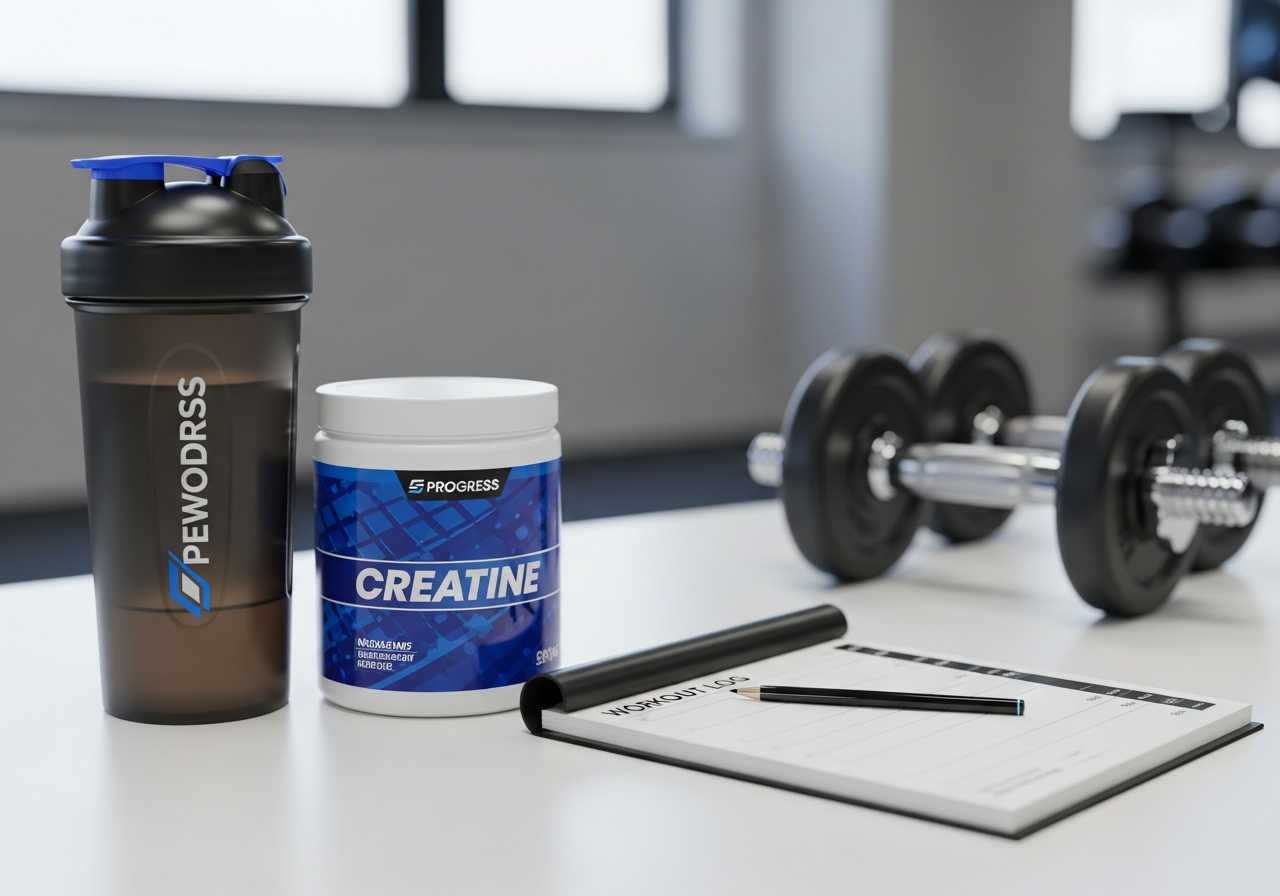
Most people see creatine benefits within 5-7 days if they load, or within about 3-4 weeks if they simply take 3-5 g daily without loading. That is the realistic answer to “how long to see benefits from creatine” and “how long before you see benefits of creatine”.
The timeline depends on how quickly your muscles become saturated. A loading phase of 20 g/day, usually split into 4 doses of 5 g for 5-7 days, raises muscle creatine stores faster. A daily maintenance-style intake of 3-5 g without loading still works; it just takes longer to approach the same saturation point.
What you may notice, week by week:
- Days 1-7 with loading: some people notice a modest body-weight increase, fuller muscles, and better repeat performance in the gym.
- Weeks 1-2: improved recovery between sets, an extra rep on some lifts, or slightly better sprint repeatability may start to show up.
- Weeks 3-4 without loading: this is when non-loaders often start noticing similar gym effects.
- Weeks 6-12: the bigger payoff appears, because repeated small training improvements can convert into measurable strength and lean-mass gains.
If you want to know whether it is working, do not rely only on the scale. Track performance markers that matter to your goal:
- Total reps completed at a fixed weight
- Bar speed or explosiveness on working sets
- Sprint times or repeat-sprint drop-off
- Body measurements, progress photos, and gym log trends over 4-8 weeks
Some people call themselves “non-responders” after a week, but often the issue is impatience, underdosing, missed days, or expecting a stimulant-like feeling. Creatine is not supposed to feel dramatic. It works quietly by improving the fuel system behind repeated hard efforts. If you want a deeper timeline breakdown, our guide on how long creatine takes to work goes step by step.
One final nuance: baseline diet, muscle mass, and training style all influence how obvious the benefits feel. A vegetarian doing heavy lifting may feel a clearer effect than a meat-eater doing mostly easy cardio, even if both are taking the same product correctly.
How to take creatine for results: the simple step-by-step plan
The best way to take creatine is to use creatine monohydrate every day, hit 3-5 g consistently, and optionally load if you want faster results. For most people, the process is simpler than the marketing makes it seem.
- Choose creatine monohydrate. It is the most studied and usually the best value. Micronised monohydrate can mix a bit easier, but regular monohydrate works just as well.
- Decide whether to load. If you want quicker saturation, take 20 g/day split into 4 doses of 5 g for 5-7 days. If you prefer simplicity or have a sensitive stomach, skip loading and take 3-5 g/day from day one.
- Take it daily. On training days and rest days alike, consistency matters more than exact timing.
- Mix it in water or another drink. It can go into water, juice, or a protein shake. If you want practical mixing help, see how to mix creatine and mixing creatine with protein powder.
- Stay normally hydrated. You do not need absurd water intake, but do make sure your day-to-day hydration is reasonable, especially in hot weather or hard training blocks.
- Keep taking it for at least 4-8 weeks before judging. The real payoff is cumulative training improvement, not one magical workout.
Timing is a secondary detail. Some people like taking creatine after training because it helps them remember it, often mixed into a post-workout shake. Others take it with breakfast or coffee. The evidence does not show that timing matters nearly as much as daily adherence. For the timing nuances, see when to take creatine.
Useful beginner examples:
- Beginner lifter: 5 g once daily with any meal.
- Older adult starting resistance training: 3-5 g daily, ideally linked to a consistent meal or shake routine.
- Team-sport athlete in pre-season: load for 5-7 days, then maintain with 3-5 g daily.
If you miss a day, do not double up dramatically the next day. Just resume your normal dose. Missing one day does not erase saturation overnight. The boring truth is the useful truth: the best creatine protocol is the one you will actually follow every day.
Best creatine dose by body weight, goal, and training style
The standard evidence-based dose for most adults is 3-5 g/day, but body size and goals can justify the high end of that range, and loading uses 20 g/day split into 4 doses for 5-7 days. If you want specifics instead of vague advice, use the table below as your starting point.
| Person or goal | Loading option | Daily maintenance | Notes |
|---|---|---|---|
| Smaller adult under ~60 kg | 20 g/day for 5-7 days split into 4 x 5 g | 3 g/day | 3 g is often enough once saturated if consistency is high. |
| Most adults ~60-90 kg | 20 g/day for 5-7 days split into 4 x 5 g | 3-5 g/day | 5 g/day is the simple default most people use. |
| Larger adult over ~90 kg or very muscular athlete | 20 g/day for 5-7 days split into 4 x 5 g | 5 g/day | The higher end of maintenance is sensible for bigger bodies. |
| Strength, hypertrophy, team sports, HIIT | Usually worthwhile if you want faster results | 3-5 g/day | Best-supported use case for creatine. |
| General health or older adult support | Optional, not necessary | 3-5 g/day | Consistency matters more than speed of saturation. |
Another mainstream approach sometimes used in research is a relative loading dose of about 0.3 g/kg/day for 5-7 days, followed by roughly 0.03 g/kg/day. In real life, however, the simpler fixed-dose approach above is easier and works well for most people.
For example:
- A 55 kg woman focused on general strength could take 3 g daily.
- A 75 kg beginner man trying to build muscle could take 5 g daily.
- A 98 kg rugby player entering a high-intensity training block could load, then maintain at 5 g daily.
If you want a personalised number, use our creatine dosage calculator or our full guide on how much creatine per day.
The biggest dosing mistakes are taking too little, stopping on rest days, and constantly switching forms. Creatine only works well when your muscle stores stay elevated. That means regular use beats “pre-workout only” thinking. If your stomach gets upset, split the dose, take it with food, or skip the loading phase rather than giving up altogether.
Who should consider creatine, including women, older adults, and people who do not lift
Creatine is especially useful for people who do resistance training or repeated high-intensity sport, but it can also make sense for older adults, vegetarians, and some people interested in healthy ageing or cognition. The best candidate is not just a bodybuilder; it is anyone whose goal matches creatine’s mechanism.
Beginners: Yes, creatine is good for beginners. In fact, beginners may benefit a lot because their training quality improves while they are learning consistent habits. A simple 3-5 g daily routine is enough.
Women: Creatine is not a “men’s supplement”. Women respond to creatine too, and it does not automatically make women bulky. It supports the same fundamentals: strength, training capacity, lean mass retention, and possibly benefits during life stages where muscle maintenance becomes harder. See our guide to creatine for women.
Older adults and people over 60: Creatine is one of the more interesting supplements for older adults because preserving muscle, strength, and function matters enormously for independence and healthy ageing. The best evidence still supports combining creatine with resistance training rather than expecting major benefits from supplementation alone. If you are asking “is creatine good for people over 60”, the answer is often yes, especially alongside strength training and adequate protein, though medical review is wise if there are kidney or medication issues.
Vegetarians and vegans: Because dietary creatine comes mainly from animal foods, people eating little or none of those foods may start with lower muscle creatine stores and sometimes notice stronger benefits.
Athletes: Creatine is especially relevant for sprinters, power athletes, CrossFit athletes, lifters, and field/court sport athletes who repeat high-intensity bursts. It can also help endurance athletes during sprint finishes, hill surges, or strength blocks, though some may dislike the small body-mass increase.
People who do not work out: If you are asking “is creatine good to take even if you do not workout”, the answer is that the strongest reason becomes weaker. You may still be interested for healthy ageing or possible cognitive support, but the most reliable benefits come from pairing creatine with training. Without training, expect less obvious results.
POTS and medical conditions: For “is creatine good for POTS”, there is not a standard evidence-based recommendation to use creatine specifically as a POTS treatment. Some theoretical reasons get discussed online, but that is not the same as established guidance. Anyone with POTS or other medical conditions should ask their clinician before supplementing.
Is creatine safe, what side effects are normal, and what to look for in Canada
Creatine monohydrate is considered safe for most healthy adults when used at standard doses, and the most common side effects are mild digestive upset or a small early increase in body weight from water inside muscle. That early water gain is normal physiology, not fat gain.
The ISSN position stand and later reviews have consistently reported a strong safety profile for creatine in healthy individuals. A common source of confusion is bloodwork. Creatine supplementation can increase creatinine, which is a breakdown product used in kidney-function testing, without meaning creatine has damaged healthy kidneys. That is why context matters, and why our guide on creatine and kidney concerns exists.
What side effects are most realistic?
- Water weight: often noticeable in the first week or two, especially with loading.
- Digestive discomfort: more likely if you take too much at once, use poor-quality products, or load aggressively.
- Bloating: some people report it, but it is often improved by splitting doses or skipping the loading phase.
What side effects are commonly overstated or unsupported as routine effects? Hair loss, dehydration, cramps, and kidney damage in healthy users are all frequent internet fears that are not well supported as typical outcomes in the evidence base. That does not mean every person will tolerate creatine perfectly; it means those claims should not be treated as the default expectation.
You should still be cautious if you have kidney disease, a relevant chronic illness, are pregnant or breastfeeding, or take medications that warrant medical review. In those cases, get individual guidance first. Mayo Clinic offers a consumer-friendly safety overview here: Mayo Clinic — Creatine.
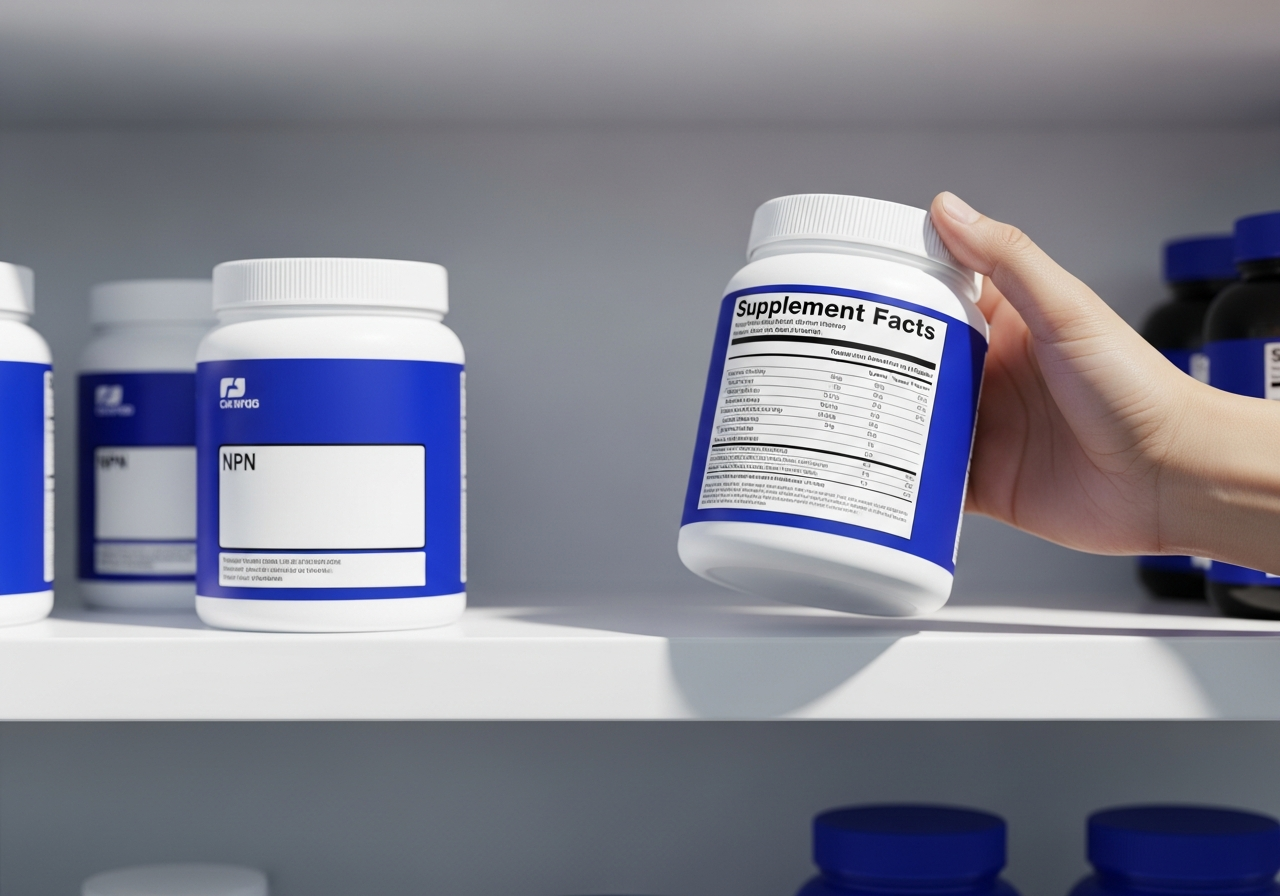
For Canadians, buying quality matters. Look for a Natural Product Number, or NPN, which is the Health Canada product licence identifier shown on approved natural health products. Also look for clear labelling of creatine monohydrate per serving, minimal unnecessary extras, and preferably third-party testing or well-established manufacturing standards. Our best creatine rankings, creatine brand reviews, and product catalog can help you compare options sold in Canada.
Why creatine seems not to work: the mistakes and myths that trip people up
Creatine usually “doesn’t work” because of inconsistent use, unrealistic expectations, underdosing, or choosing the wrong performance yardstick, not because creatine itself is ineffective. If you are thinking “does creatine really work” after a short trial, check these issues first.
- You expected a stimulant feeling. Creatine is not pre-workout. You are not supposed to feel wired or instantly stronger after one scoop.
- You did not take it long enough. Without loading, it commonly takes about 3-4 weeks to feel the full practical effect.
- You skipped rest days. Muscle saturation depends on daily intake, not only workout-day intake.
- Your dose was too low. Many “proprietary blend” products underdose creatine. Read the actual grams, not the marketing headline.
- Your training is not the best match. Creatine shines most in lifting, sprinting, HIIT, and repeated hard efforts, not long easy steady-state sessions.
- You judged by body weight alone. The scale may go up early from intracellular water, even before strength changes become obvious.
Now the big myths:
- “Creatine is a steroid.” False. Creatine is not an anabolic steroid and works through energy metabolism, not hormone-like drug action.
- “You need to cycle it.” False for most users. Daily ongoing use is standard; cycling is generally unnecessary.
- “More is better.” Usually false. Once stores are saturated, taking much more than maintenance does not create proportionally better results.
- “Fancy forms are always superior.” Usually false. Monohydrate remains the benchmark because it is the most studied and cost-effective.
Another overlooked point is responder variability. People with higher baseline muscle creatine stores may notice subtler changes than those starting lower. That does not mean nothing is happening; it may simply mean the margin for improvement is smaller. If you suspect this applies to you, track performance over 6-8 weeks rather than chasing a dramatic sensation.
For deeper troubleshooting, pair this page with our guide on creatine non-responders and creatine myths vs. facts. The bottom line is simple: creatine works best when you respect the boring basics of dose, consistency, and training specificity.
Monohydrate vs HCL, gummies, capsules, and blends: which form is actually worth buying?
Creatine monohydrate is still the best form for most people because it has the strongest evidence, the lowest cost per effective dose, and no consistent proof that newer forms work better. If you are deciding whether creatine is worth it, this matters because the wrong product can make a cheap, effective supplement seem expensive or underwhelming.
| Form | Evidence strength | Typical pros | Typical cons | Best for |
|---|---|---|---|---|
| Monohydrate powder | Strongest | Best studied, affordable, easy to dose | Can feel gritty in some liquids | Almost everyone |
| Micronised monohydrate | Strong | Mixes a bit easier | Often costs more | People who dislike texture |
| HCL | Less robust | Smaller scoop size, often marketed as gentler | Usually pricier, not clearly superior | Only if monohydrate truly does not suit you |
| Capsules | Depends on form inside | Convenient for travel | Can require many capsules to hit 3-5 g | People who hate powders |
| Gummies | Variable | Convenient, no mixing | May be costly or underdosed per serving | Convenience-first users who check labels carefully |
| Blends / pre-workouts | Variable | All-in-one convenience | Often underdosed or more expensive | Rarely the best value |
If you are buying in Canada, prioritise a plain creatine monohydrate product with a clear gram amount per serving, an NPN where applicable, and transparent quality practices. Marketing terms like “buffered”, “ultra-absorption”, or “superior uptake” should not outweigh the fact that monohydrate already works extremely well.
If you want help choosing, compare our best creatine rankings, browse the creatine product catalog, and see our guide on the best type of creatine. For most buyers, the smartest move is surprisingly unglamorous: buy a reputable monohydrate, take it every day, and stop overcomplicating it.
Bottom line: is creatine worth taking?
Yes, creatine is worth taking for most healthy adults whose goals include strength, muscle, power, repeated hard efforts, or maintaining muscle function with age. It is one of the few supplements that consistently earns that recommendation because the evidence is broad, the mechanism is clear, the dosing is simple, and the cost per useful benefit is usually low.
If your question is “what can creatine do to your body”, the most accurate answer is this: creatine raises muscle phosphocreatine stores, helps your body regenerate ATP faster during hard efforts, improves training quality, and can lead to better strength and lean-mass outcomes over time. It may also support cognition or healthy ageing in some contexts, but those benefits are still less settled than the athletic ones.
Creatine is not magic. It does not replace progressive overload, sleep, or protein intake. It also does not need a complicated protocol. The simplest evidence-based plan for most people is:
- Buy creatine monohydrate.
- Take 3-5 g every day.
- Load only if you want faster saturation.
- Track gym performance for at least 4-8 weeks.
- Stick with it unless you have a true tolerance issue or a medical reason not to.
If you still are not sure where to start, these are the best next reads: creatine for beginners, how to take creatine, is creatine safe, and why monohydrate still wins.
The honest final answer is not that creatine is “for everyone”; it is that creatine is one of the best-supported supplements for the goals it actually fits. If your goal is to perform better in the gym or on the field, build or preserve lean mass, and use a supplement with a long research track record, creatine is very hard to beat.
Creatine benefits at a glance
- 3-5 g/day Standard daily dose — The mainstream maintenance range for most healthy adults using creatine monohydrate.
- 20 g/day Optional loading dose — Usually split into 4 doses for 5-7 days to saturate muscles faster.
- 5-7 days Fastest typical timeline — Loading can produce earlier performance benefits within about a week.
- 3-4 weeks No-loading timeline — Daily 3-5 g dosing usually reaches practical benefits more gradually.
Frequently Asked Questions
Does creatine actually work?
Yes, creatine actually works, especially for strength training, sprinting, power, and repeated high-intensity efforts. The best evidence shows that creatine monohydrate can improve training performance and help increase lean mass over time when combined with a solid program.
Is creatine good for you if you do not work out?
Creatine can still be useful if you do not work out, but the strongest benefits are smaller without training. The best-supported reasons to take creatine are improved exercise performance and better long-term strength or lean mass gains, while non-exercise benefits like cognition or healthy ageing remain more promising than guaranteed.
How long before you see benefits of creatine?
You can see benefits from creatine within about 5-7 days if you use a loading phase, or roughly 3-4 weeks if you just take 3-5 g daily. The earliest signs are usually better repeat performance, fuller muscles, or a small increase in body weight from water stored inside muscle.
Is creatine worth it for beginners?
Yes, creatine is worth it for many beginners because it is simple, well studied, and can improve the quality of early training. Beginners do not need anything fancy; 3-5 g of creatine monohydrate daily is usually enough.
Is creatine good for mind and brain health?
Creatine may be good for brain health in some situations, but the evidence is not as established as it is for muscles and performance. Research is exploring possible benefits for memory, mental fatigue, and cognition under stress, especially in people with lower dietary creatine intake.
Is creatine good for people over 60?
Yes, creatine can be a good option for people over 60, particularly when combined with resistance training. The most meaningful benefit in older adults is support for muscle strength, function, and lean mass retention, which are important for healthy ageing and independence.
Does creatine make you gain weight?
Yes, creatine can make you gain a small amount of weight early on, but that is usually water stored inside muscle rather than body fat. Over longer periods, creatine may also support greater lean mass gains because it helps many people train more effectively.
Do you need to cycle creatine?
No, most people do not need to cycle creatine. Standard practice is to take creatine monohydrate daily on an ongoing basis, because maintaining elevated muscle stores is the whole point of supplementation.
What is the best type of creatine?
Creatine monohydrate is the best type of creatine for most people because it has the strongest evidence and the best value. Newer forms like HCL or buffered creatine may be convenient for some users, but they have not clearly outperformed monohydrate.
Is creatine good for POTS?
Creatine is not an established treatment for POTS, so it should not be viewed as a standard recommendation for that condition. If you have POTS and are interested in creatine, the safe approach is to discuss it with a clinician who understands your hydration, medications, and symptoms.