Creatine and Dehydration: Does Creatine Dehydrate You?
By The Creatine Canada Research Team — Evidence-based supplement analysts
No, creatine does not dehydrate you when you use a standard dose and drink normally. The best evidence shows creatine monohydrate pulls more water into muscle cells rather than “drying you out”, and research has not shown that it increases dehydration, heat illness, or cramping risk in healthy users.
Evidence-based · Cites 4 sources · Editorial standards
Key Takeaways
- Creatine is not a diuretic, and standard use has not been shown to cause dehydration in healthy people.
- A typical maintenance dose is 3-5 g/day; loading is optional at 20 g/day split into 4 doses for 5-7 days.
- The early water-weight increase from creatine reflects more water stored inside muscle, not whole-body dehydration.
- If you train in heat, your hydration plan should focus on fluids, sodium, and sweat losses, not on stopping creatine.
- Stomach upset is more likely than dehydration if you take too much at once; split doses and mix well.
- Athletes, beginners, women, and older adults can usually use creatine safely, but people with kidney disease or complex medical conditions should speak with a clinician first.
- Choose plain creatine monohydrate with a Health Canada NPN and preferably third-party testing when buying in Canada.
Does creatine dehydrate you? The short answer is no
No, creatine does not dehydrate you in healthy people when taken at standard doses. The central reason is simple: creatine increases intramuscular water, meaning water stored inside muscle cells, rather than causing the body to lose fluid the way a diuretic would.
This matters because the dehydration myth usually starts with a true observation but the wrong interpretation. Many people notice a small increase on the scale after starting creatine, especially in the first 1-2 weeks. That change is commonly due to more water being retained in muscle tissue as muscle creatine stores rise, not because fluid has been pulled away from the rest of the body in a dangerous way. In other words, feeling “fuller” or weighing a bit more is not the same thing as being dehydrated.
The evidence base is strong enough to be clear here. The 2017 ISSN position stand concluded that creatine monohydrate is safe and effective, and later reviews have specifically addressed misconceptions about dehydration, cramps, and heat tolerance. The 2021 JISSN review on common questions and misconceptions noted that studies do not support the claim that creatine increases cramping or dehydration risk. The International Olympic Committee consensus on supplements also recognises creatine as one of the few supplements with strong evidence for performance benefits.
What creatine can do is make hydration mistakes more noticeable if your overall routine is poor. If you train hard in hot weather, drink too little, use a large loading dose all at once, or combine creatine with long sessions and inadequate electrolytes, you may feel lousy. But in that scenario, creatine is rarely the true cause; the bigger issue is the hydration strategy itself.
If you want a practical starting point, take 3-5 g of creatine monohydrate daily, keep your normal fluid intake consistent, and monitor body weight, urine colour, and training performance. If you want help with exact grams, use our creatine dosage calculator. For the broader science, see our guide on what creatine is and what it does.
Why the creatine dehydration myth started in the first place
The creatine dehydration myth largely came from early anecdote, sports culture, and confusion about water shifts in the body. People saw rapid weight gain, heard about cramps during summer sport, and assumed creatine must be pulling water out of the bloodstream or causing athletes to “dry out”.
That story sounds plausible, but physiology does not support it. Creatine is stored in muscle partly as free creatine and partly as phosphocreatine, the high-energy form that helps regenerate ATP, the body’s immediate energy currency for short, intense effort. As muscle creatine stores rise, osmotic forces draw more water into muscle cells. Osmotic simply means water moves toward a higher concentration of dissolved particles. That intracellular water shift can make muscles feel fuller, but it does not automatically reduce total body water or impair hydration status.
Another reason the myth persisted is that creatine became popular in sports where heat, sweat loss, and cramping already happen: football, hockey off-season camps, sprint training, wrestling cuts, and military-style conditioning. When cramps or heat stress occurred, creatine often got blamed even though far more likely causes were aggressive training, poor acclimation, under-drinking, sodium losses, illness, or sleep deprivation.
The 2021 JISSN review by Antonio and colleagues addressed this directly: the common claim that creatine causes dehydration or muscle cramping is not supported by the research literature. That is a useful distinction because “not supported” does not mean no individual has ever felt worse while taking it; it means controlled evidence does not show creatine itself increases dehydration risk under normal use.
There is also a common visual misunderstanding. People sometimes say creatine makes them look “watery” or “puffy”, then jump to the opposite claim that it somehow also dehydrates them. Those two ideas contradict each other. Most early scale gain from creatine is water associated with increased muscle creatine storage. If you want that issue unpacked, our guides on creatine and weight gain and creatine and bloating explain the difference between muscle water, gut fullness, and body fat.
The clean takeaway is this: the myth survived because it felt intuitive, not because it was well proven. Modern evidence has largely debunked it, which is why creatine remains one of the most accepted performance supplements in sport nutrition.
What the science actually says about water balance, cramps, and training in heat
The best current evidence does not show that creatine increases dehydration, cramping, or heat illness risk in healthy users. In fact, some studies and reviews suggest creatine may help maintain cellular hydration because it increases water content inside muscle cells.
Mechanistically, creatine works by increasing the muscle pool of phosphocreatine. During short, hard efforts such as lifting, sprinting, jumping, or repeated intervals, phosphocreatine helps rapidly regenerate ATP. That energy role is why creatine improves performance most reliably in high-intensity, repeated-bout exercise. The hydration angle is separate but related: creatine is osmotically active, so as muscles store more of it, they also hold more water within the cell.
That does not mean you can ignore hydration basics. Sweat losses still depend mainly on temperature, humidity, exercise intensity, clothing, body size, acclimation, and genetics. If you lose 1-2+ litres of sweat per hour in hot conditions, creatine will not magically protect you from under-drinking. But it also is not the reason you are struggling.
On cramps, the same principle applies. Muscle cramps are multifactorial and can involve fatigue, altered neuromuscular control, under-prepared tissues, heat stress, and sodium loss. The popular idea that creatine causes cramps because it “steals water” from the rest of the body is not backed by controlled evidence. If cramping appears after starting creatine, look first at the bigger picture: training load spikes, low sodium intake, under-fuelling, poor sleep, and lack of heat acclimation.
On heat tolerance, the evidence is reassuring rather than magical. Creatine should not be treated as a hydration supplement, but neither should it be treated as a heat risk. For outdoor summer training, your main controls are pre-session hydration, sodium replacement when sweating heavily, access to cold fluids, and smart pacing.
If your sessions include repeated sprints, heavy sets, or team-sport bursts, creatine can still make sense even in warm weather. You just need a sane routine. For more on training application, see creatine for athletes, creatine for runners, and does creatine cause muscle cramps.
How much water should you drink with creatine? Use this practical rule instead of a gimmick
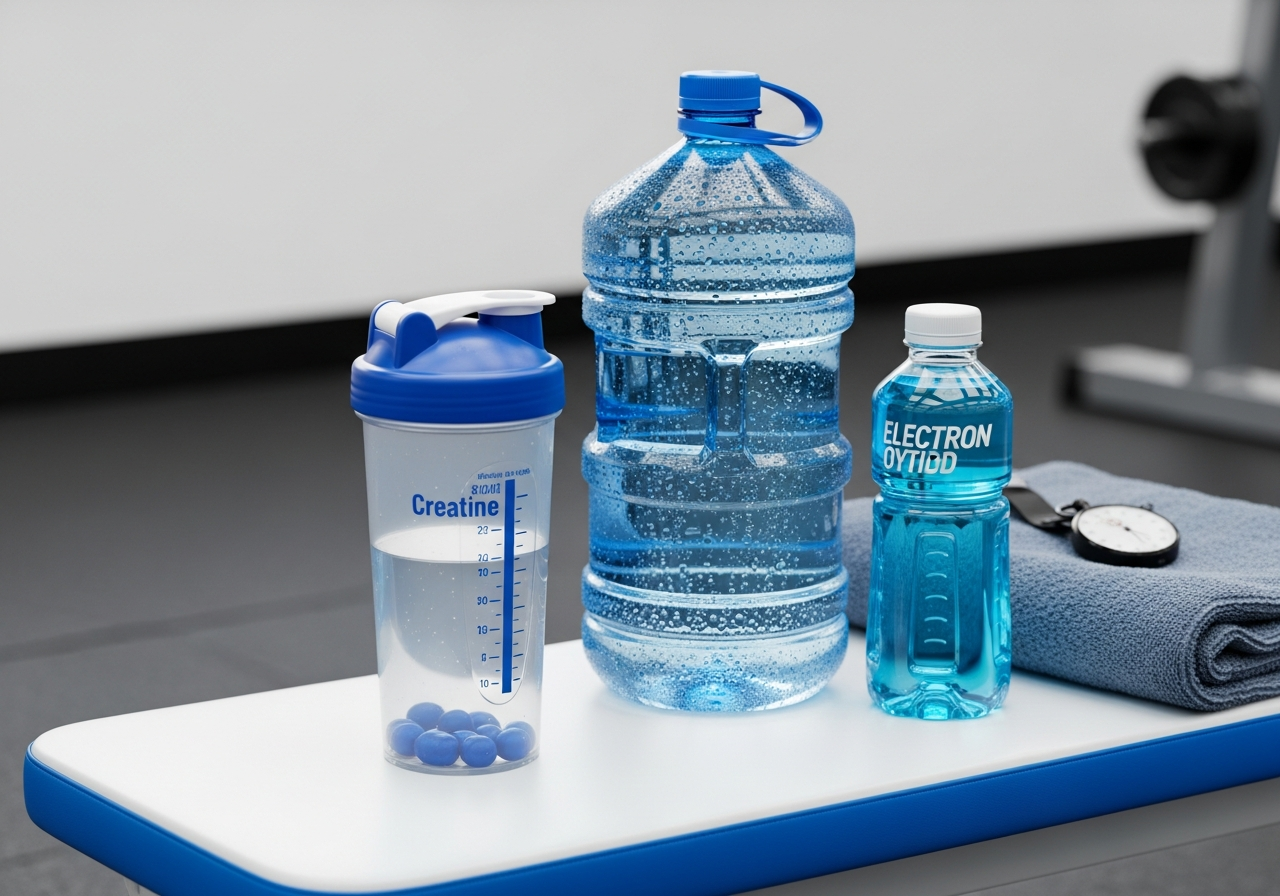
You do not need a special “creatine water protocol”, but you should take creatine with enough fluid to swallow and digest it comfortably and then meet your normal daily hydration needs. For most people, that means mixing each dose in roughly 250-500 mL of water and adjusting total daily fluid intake based on thirst, body size, climate, and sweat loss.
The problem with blanket advice like “drink a gallon” is that it ignores context. A 55 kg office worker training three times per week does not need the same fluid intake as a 95 kg football player doing two-a-days in July. The better rule is to make hydration responsive:
- Take the dose with fluid: Mix creatine powder thoroughly in water, a shake, or another beverage.
- Drink to baseline hydration: Aim to start workouts with pale-yellow urine and without obvious thirst.
- Replace sweat losses: Weigh yourself before and after hot or long sessions; each kilogram lost is roughly one litre of fluid deficit.
- Add sodium when sweating heavily: Water alone may not be enough for long, hot sessions if sodium losses are high.
For day-to-day gym use, standard creatine maintenance rarely requires major changes in fluid intake. Many people do perfectly well by taking 3-5 g/day with breakfast, a post-workout shake, or any meal and simply drinking normally through the day. Where users run into trouble is not dehydration from creatine itself but poor habits around it: dry scooping, taking 10-20 g in one shot, or using it during hard summer training while ignoring sweat replacement.
Watch for useful signals rather than obsessing over arbitrary litre targets. Good signs include stable energy, normal training performance, a normal urination pattern, and urine that is generally light yellow rather than dark amber. Warning signs of poor hydration include persistent thirst, headache, unusual fatigue, dizziness, very dark urine, and large body-weight drops across a session.
If hydration is your main concern, pair this guide with how much water you should drink with creatine and creatine vs electrolytes. Creatine supports performance; fluids and electrolytes manage hydration.
Best creatine dose for hydration-sensitive users: by body weight, goal, and loading preference
The best creatine dose for most adults is still 3-5 g/day of creatine monohydrate, even if you are worried about dehydration. Lower, consistent dosing reduces the chance of stomach upset and gives you the same end result as loading, just more gradually.
Loading is optional, not required. A classic loading phase is 20 g/day split into 4 doses of 5 g for 5-7 days, followed by 3-5 g/day. This saturates muscle stores faster, but it can also increase the chance of temporary GI discomfort if you take doses too close together or without enough fluid. If you are nervous about bloating, stomach upset, or summer training, simply skip loading and take 3-5 g/day; full saturation usually takes around 3-4 weeks instead of about one week.
| Body weight | General goal | Simple daily maintenance | Optional loading approach |
|---|---|---|---|
| Under 60 kg | General fitness, beginners | 3 g/day | 15-20 g/day split into 3-4 doses for 5-7 days |
| 60-90 kg | Most lifters and team-sport athletes | 3-5 g/day | 20 g/day split into 4 doses for 5-7 days |
| Over 90 kg | Larger strength/power athletes | 5 g/day | 20 g/day split into 4 doses for 5-7 days |
A more technical loading formula sometimes used in research is about 0.3 g/kg/day for 5-7 days, then around 0.03 g/kg/day as maintenance. In the real world, though, the simpler 3-5 g/day rule works well for most people. For exact dosing help, use our creatine dosage calculator or read how much creatine per day.
If your main concern is comfort and hydration, use these practical safeguards:
- Choose monohydrate, not a flashy blend.
- Mix each dose in 250-500 mL fluid.
- Split large doses instead of taking them all at once.
- Take it consistently every day, including rest days.
- During heat waves or training camps, prioritise sweat replacement and sodium.
The key point is that safer-feeling use does not require underdosing. It requires standard dosing done consistently.
A step-by-step creatine routine that minimises side effects and keeps hydration simple
The easiest way to take creatine without overthinking hydration is to use a small daily dose, mix it well, and attach it to a routine you already follow. Consistency matters far more than timing precision.
- Pick the right product. Choose plain creatine monohydrate powder or capsules from a reputable brand. In Canada, look for a Natural Product Number, or NPN, which means the product is licensed by Health Canada as a natural health product. Third-party testing is also a plus. Our best creatine rankings, creatine brand reviews, and product catalog can help you compare options.
- Start with 3-5 g/day. Beginners do not need to load. If you want to load, split 20 g into 4 doses across the day for 5-7 days.
- Mix it in enough fluid. Use 250-500 mL water, a protein shake, or another drink you tolerate well. If the powder settles, stir again and drink the remainder.
- Take it at a repeatable time. Breakfast, post-workout, or any meal works. If timing questions interest you, read when to take creatine.
- Keep normal hydration habits. Drink with meals, sip during training, and replace obvious sweat losses after hard or hot sessions.
- Track what matters for 4 weeks. Note body weight, gym performance, muscle fullness, and any GI symptoms.
- Troubleshoot only if needed. If you get stomach upset, reduce single-dose size, switch to micronized monohydrate, or take it with food.
Week by week, here is what many users notice:
- Week 1 with loading: possible 0.5-2 kg scale increase, fuller muscles, little to no immediate strength change.
- Weeks 2-4 without loading: more gradual scale increase and training improvements.
- Weeks 3-6: better repeated effort, an extra rep here and there, improved sprint or lifting capacity.
How do you know it is working? Creatine is not a stimulant, so you usually do not “feel” it instantly. The signs are cumulative: slightly better training output, improved repeat performance, and over time better gains in strength and lean mass. For a full beginner walkthrough, see how to take creatine and creatine for beginners.
Who creatine is for, and who should be more careful about dehydration or heat
Creatine is appropriate for many healthy adults, including beginners, women, older adults, and athletes, and dehydration concerns do not change that basic picture. The key is matching expectations and hydration strategy to the person and training environment.
Beginners: Creatine is often worth using early because it is simple, affordable, and well studied. Beginners should avoid loading if they are anxious about side effects and instead take 3-5 g/day.
Women: Women can use the same evidence-based dosing as men, usually 3-5 g/day. Creatine does not uniquely dehydrate women. Concerns are more often about scale weight or “puffiness”, which usually reflects water in muscle, not fat gain. For more, see creatine for women.
Older adults: Older adults can benefit from creatine, especially alongside resistance training, because it may support strength, lean mass, and function. Hydration deserves general attention in this group because thirst can be less reliable with age, but that is not a creatine-specific danger. See creatine for older adults.
Athletes in hot environments: Field-sport athletes, runners, and military-style trainees should not fear creatine, but they should take heat preparation seriously. Acclimation, pre-session hydration, sodium intake, and cooling strategies matter far more than whether creatine is in the stack.
Vegetarians and vegans: People who eat little or no meat often start with lower creatine stores, so they may respond especially well. That does not mean a higher dehydration risk; it simply means the performance upside may be more noticeable.
Who should be more cautious: If you have kidney disease, are under active medical care for a significant chronic condition, take medications that affect fluid balance, or have a history of recurrent heat illness, speak with a clinician before starting creatine. Healthy users often ask about kidneys because creatine can raise blood creatinine, a lab marker derived from creatine metabolism, without necessarily indicating kidney damage. For that issue, read creatine and kidneys and is creatine safe.
The main point is that most “special case” concerns are really hydration-planning issues, not reasons to assume creatine is dehydrating.
What side effects are real, what dehydration symptoms look like, and how not to confuse them
The most common creatine side effect is mild digestive upset from taking too much at once, not dehydration. If you know the difference between GI side effects and true dehydration symptoms, you can fix the real problem faster.
Common creatine-related issues:
- Stomach discomfort after large single doses
- Loose stools or diarrhoea, especially during loading
- Temporary scale increase from water retained in muscle
- Occasional feeling of fullness if mixed in too little fluid
More typical dehydration signs:
- Persistent thirst
- Dry mouth
- Dark urine
- Dizziness
- Marked fatigue
- Headache
- Noticeable body-weight drop across a workout
The fix depends on the symptom pattern. If you take 10 g of creatine in a tiny amount of water and get stomach cramps 30 minutes later, that is more likely a dosing and mixing issue than dehydration. If you finish a 90-minute session in humid weather 1.5 kg lighter with dark urine and a headache, that points much more strongly to sweat loss and inadequate fluid replacement.
Here is a simple troubleshooting framework:
- If it is GI discomfort: reduce to 3-5 g once daily or split the dose, take with food, and use more water.
- If it is exercise dehydration: increase fluid access during training, weigh in and out of hot sessions, and replace sodium if sweating heavily.
- If it is both: stop doing aggressive loading and clean up your overall hydration strategy.
Another common confusion is headaches. Some people blame creatine for headaches when the more plausible cause is low fluid intake, hard training, poor sleep, or excess caffeine. Our guides on creatine digestive side effects, creatine and headaches, and does creatine make you pee more go deeper into these patterns.
If symptoms are severe, persistent, or accompanied by vomiting, confusion, fainting, or signs of heat illness, stop training and seek medical care. Creatine is not a substitute for common sense in extreme conditions.
Creatine myths debunked: cramps, peeing more, heat intolerance, and “water retention”
Most creatine hydration myths fall apart once you separate muscle water storage from whole-body dehydration. Here are the big claims, answered directly.
“Creatine causes dehydration.” No. Research reviews do not support creatine as a cause of dehydration in healthy users at standard doses.
“Creatine causes cramps.” Not based on the weight of evidence. Cramping is more often tied to fatigue, sudden training spikes, heat stress, and electrolyte or fluid issues than to creatine itself.
“Creatine makes you pee more, so it must dehydrate you.” Not necessarily. Creatine is not a diuretic in the way caffeine can be for some users, and normal urination changes are often driven by drinking more fluid with the supplement, not by the creatine itself.
“Water retention from creatine is bad.” Usually no. Most early water retention from creatine is intracellular, meaning it is associated with muscle tissue, not the same thing as looking soft from excess body fat or problematic swelling.
“You should stop creatine in summer.” Usually no. Summer training demands a better hydration plan, not the automatic removal of a well-supported supplement.
“Newer forms fix the hydration problem.” There is no hydration problem that needs fixing in the first place. Marketing for HCl, buffered creatine, or fancy blends often overstates benefits and underplays the reality that monohydrate remains the most studied and most cost-effective form. If you want form comparisons, see best type of creatine, monohydrate vs HCl, and why monohydrate still wins.
One useful habit is to ask whether the claim has a mechanism and controlled evidence behind it. “Creatine steals water from your organs” sounds dramatic, but it is not how normal creatine supplementation is understood to work. “Creatine increases muscle phosphocreatine stores and intracellular water while supporting high-intensity performance” is both mechanistically coherent and evidence-based.
If you enjoy myth-busting, our creatine myths debunked and creatine myths vs facts pages cover the rest of the common internet claims.
What to buy in Canada if you want the safest, simplest creatine for daily hydration comfort
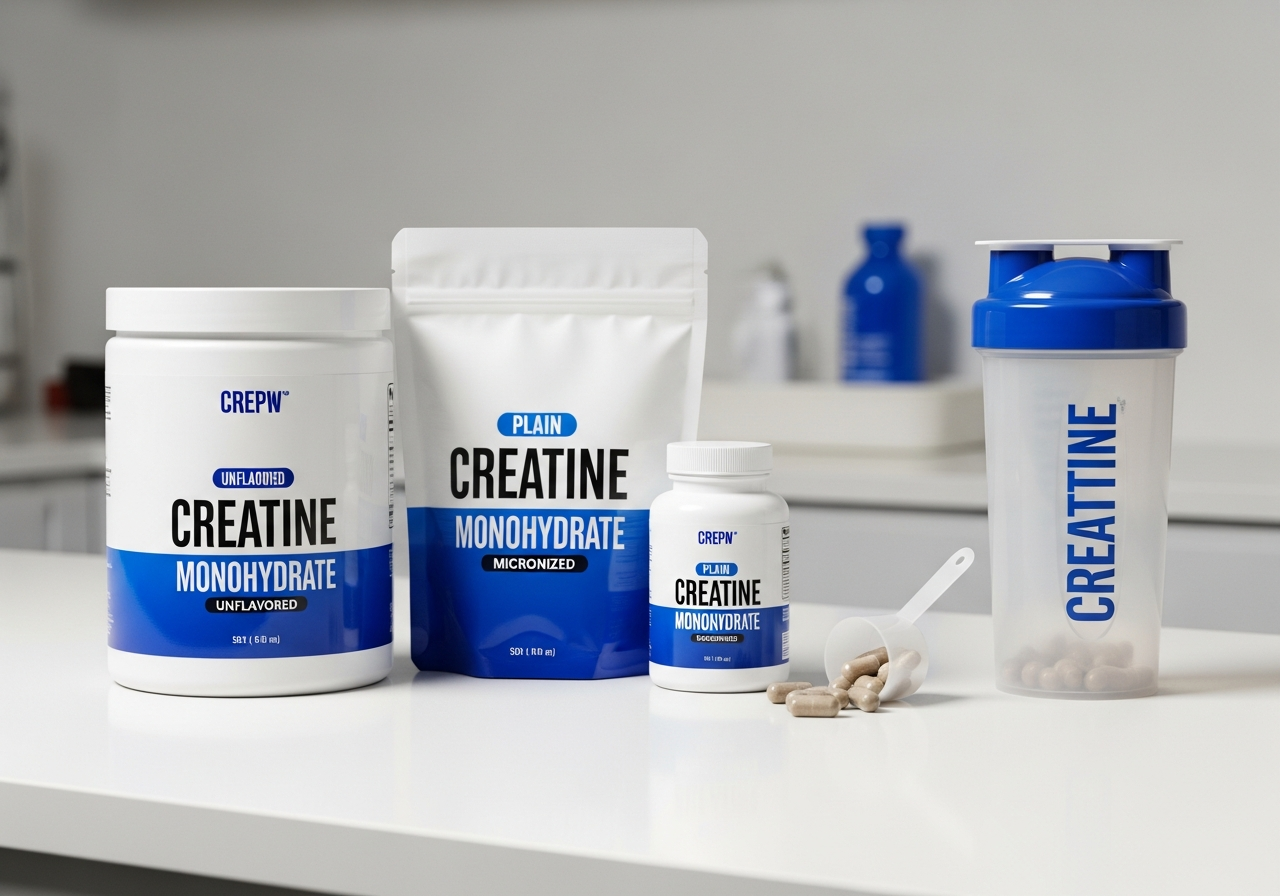
If your goal is to avoid side effects and keep hydration simple, buy plain creatine monohydrate from a reputable Canadian-available brand. The safest bet is a single-ingredient product with a Health Canada NPN and preferably third-party quality testing.
In Canada, an NPN, or Natural Product Number, indicates the product has been licensed by Health Canada as a natural health product. That does not mean every licensed product is identical in quality, but it is a useful baseline. Third-party testing adds another layer of confidence for identity and purity. Micronized powder can also improve mixability, which makes daily use easier even if it does not fundamentally change hydration or efficacy.
| Option | Best for | Hydration/comfort note | Verdict |
|---|---|---|---|
| Plain creatine monohydrate powder | Most users | Easy to dose at 3-5 g and mix in 250-500 mL fluid | Best default choice |
| Micronized monohydrate | Users who dislike gritty texture | May dissolve a bit better and feel easier on the stomach | Good convenience upgrade |
| Capsules | Travel or no-mix convenience | No mixing required, but multiple capsules may be needed for 3-5 g | Useful but usually pricier |
| Flavoured blends with extras | Users wanting taste or all-in-one formulas | May add sodium, carbs, sweeteners, or stimulants that change tolerance | Read labels carefully |
| Alternative forms like HCl or buffered | People influenced by marketing | No clear evidence they solve a dehydration issue better than monohydrate | Usually unnecessary |
What should you avoid? Mega-dose blends with unclear scoop sizes, products that hide creatine in proprietary formulas, and sellers with poor transparency. A good label should make the form and grams per serving obvious.
If you are shopping in Canada, start with our best creatine rankings, brand reviews, and product catalog. For form-specific reading, see best creatine monohydrate in Canada and Canadian supplement regulations.
Bottom line: creatine and dehydration is mostly a myth, but hydration basics still matter
Creatine does not dehydrate you under normal use, and the best evidence does not support it as a cause of dehydration, cramping, or heat illness in healthy people. If you want the shortest practical answer, take 3-5 g/day of creatine monohydrate, drink normally, and treat heat, sweat loss, and electrolytes as separate hydration issues.
The nuance is important. Creatine changes where some water is stored by increasing water inside muscle cells, and that can nudge body weight up early on. That is not the same thing as being dehydrated. Real problems are more likely when people use poor protocols: dry scooping, taking large doses all at once, training hard in hot weather with minimal fluid, or expecting creatine to compensate for sloppy hydration habits.
If you are a healthy beginner, the safest-feeling plan is simple:
- Buy plain creatine monohydrate.
- Take 3-5 g once daily.
- Mix it in 250-500 mL of water or a shake.
- Keep normal daily fluid intake steady.
- Replace sweat losses during long or hot sessions.
- Ignore internet myths unless they are backed by controlled evidence.
If you have a medical condition that affects kidneys, fluid balance, or heat tolerance, check with a clinician first. Otherwise, creatine remains one of the most evidence-based supplements you can use for strength, power, repeated high-intensity performance, and lean mass support.
To go deeper from here, the most useful next reads are how much water with creatine, how long creatine takes to work, whether to do a loading phase, and the full safety guide.
Creatine and Dehydration: The Numbers That Actually Matter
- 3-5 g/day Standard creatine maintenance dose — The evidence-based daily amount for most adults.
- 20 g/day Optional loading dose — Usually split into 4 doses for 5-7 days to saturate muscle faster.
- 5-7 days Typical loading timeline — Fastest common route to fuller creatine stores.
- 3-4 weeks Time to saturate without loading — A steady 3-5 g/day reaches the same destination more gradually.
Frequently Asked Questions
Does creatine dehydrate you?
No, creatine does not dehydrate most healthy users when taken at standard doses. Research reviews do not support the idea that creatine increases dehydration risk, and the usual early weight gain reflects more water stored inside muscle cells rather than a harmful loss of body fluid.
Does creatine make you drink more water?
Creatine does not force a special water intake, but many people naturally drink more because they mix the powder with fluid and pay closer attention to hydration. A practical approach is to take each dose with 250-500 mL of fluid and then drink according to thirst, climate, and sweat losses.
Can creatine cause muscle cramps from dehydration?
Creatine has not been shown to cause muscle cramps by dehydrating you. Cramps are more commonly linked to fatigue, heat stress, high sweat losses, sudden training spikes, and inadequate sodium or fluid intake than to creatine itself.
Is creatine safe to take in hot weather?
Yes, creatine is generally safe in hot weather if your overall hydration plan is sound. The real priorities in heat are starting hydrated, drinking during training, replacing sweat and sodium losses, and respecting heat acclimation rather than stopping creatine by default.
Why do people say creatine causes dehydration?
People say this mostly because creatine can increase body weight quickly through extra water stored in muscle, and that shift has been misunderstood for years. Old anecdotes from hot-weather sports also helped the myth spread even though controlled studies have not supported it.
How much water should I drink with 5 g of creatine?
A practical amount is about 250-500 mL of water or another drink with a 5 g dose. The more important issue is your total daily hydration and sweat replacement, because creatine itself does not require extreme water intake if you are already drinking normally.
Does creatine make you retain water in a bad way?
Usually no, because the water retention from creatine is mainly intracellular, meaning inside muscle cells. That is different from fat gain or problematic bloating, although some people do notice a temporary scale increase or a fuller feeling early on.
Should I stop creatine if I feel dehydrated?
Not necessarily, because the first step is to identify whether you are truly dehydrated or just dealing with a dosing issue or stomach upset. Check urine colour, thirst, body-weight change across workouts, heat exposure, and your fluid and sodium intake before blaming creatine.
Does creatine make you pee more?
Creatine itself is not considered a diuretic, so it does not typically make you pee more in the way people fear. If you notice more bathroom trips, it is often because you are drinking more fluid with the supplement, not because creatine is causing fluid loss.
What is the best creatine for people worried about dehydration or side effects?
Plain creatine monohydrate is still the best choice for most people worried about safety, hydration, or side effects. It is the most studied form, the most cost-effective, and easiest to dose properly at 3-5 g/day without relying on marketing claims about fancy alternatives.