Creatine and Anxiety: Can It Help or Does It Make Things Worse?
By The Creatine Canada Research Team — Evidence-based supplement analysts
Creatine does not appear to cause anxiety in most people, and current evidence does not support creatine as a proven treatment for anxiety disorders. What the research does suggest is that creatine can affect brain energy and mood-related pathways, so some people feel mentally better on it, while a smaller group may feel off because of caffeine, poor sleep, GI upset, or simply taking too much too fast.
Evidence-based · Cites 4 sources · Editorial standards
Key Takeaways
- Creatine monohydrate is not known to directly raise anxiety in healthy adults at standard doses.
- There is no strong evidence that creatine treats anxiety, but there is emerging interest in its effects on mood and brain energy.
- The safest starting point for most adults is 3-5 g of creatine monohydrate once daily, without a loading phase.
- If creatine seems to worsen your anxiety, the more likely culprits are caffeine, sleep disruption, dehydration, GI discomfort, or a large loading dose.
- People with anxiety sensitivity should introduce creatine slowly, keep all other variables stable, and track mood, sleep, and physical side effects for 2-4 weeks.
- Women, vegetarians, older adults, and hard-training athletes may notice broader benefits from creatine, but anxiety-specific benefits remain unproven.
- In Canada, look for a Natural Product Number (NPN) and ideally third-party testing when buying creatine.
The direct answer: creatine usually does not cause anxiety, but it is not a proven anxiety treatment either
Creatine usually does not cause anxiety at standard doses, and it is also not established as a first-line treatment for anxiety. That direct answer matters because online discussion around creatine and anxiety often jumps between two extremes: either “creatine is amazing for mood” or “creatine made me feel wired.” The current evidence supports neither extreme as a universal truth.
Creatine is a compound your body makes from amino acids and stores largely in muscle, with a smaller but important amount in the brain. In supplement form, usually creatine monohydrate, it raises phosphocreatine, which is the stored form used to rapidly regenerate ATP, the cell’s immediate energy currency. That mechanism is why creatine is so well studied for strength and repeated high-intensity performance. It is also why researchers have become interested in possible brain and mood effects.
Here is the key nuance: better brain energy metabolism is not the same thing as a proven anti-anxiety effect. Some early human research and mechanistic work suggest creatine may support aspects of mood in certain populations, but anxiety outcomes are limited, inconsistent, and nowhere near strong enough to treat creatine like a psychiatric intervention.
If you are asking, does creatine cause anxiety?, the best evidence-based answer is no, not directly in most users. If you are asking, can creatine help anxiety?, the best answer is maybe indirectly for some people, but the evidence is preliminary and not strong enough to rely on.
For most healthy adults, the practical takeaway is simple:
- Use standard dosing: 3-5 g daily.
- Prefer monohydrate: it is the most studied form.
- Avoid blaming creatine too quickly: caffeine, lack of sleep, training stress, and stomach upset are more plausible triggers for feeling anxious or “off.”
- Do not use creatine as a substitute for mental-health care: if anxiety is persistent, severe, or impairing, speak with a qualified clinician.
The 2017 International Society of Sports Nutrition position stand concluded that creatine monohydrate is the most effective ergogenic nutritional supplement currently available for increasing high-intensity exercise capacity and lean mass, and it also reviewed creatine as generally safe in healthy individuals at recommended use (Kreider et al., 2017). That is reassuring for safety, but it should not be overread as proof for anxiety relief.
If you are new to supplementation, our beginner’s creatine guide and what creatine is and how it works pages cover the foundations before you layer mood questions on top.
How creatine could affect mood, stress, and mental energy in the brain
Creatine could affect mood and stress by supporting brain energy availability, but that mechanism does not guarantee a noticeable anxiety benefit. The reason experts even discuss creatine mood effects is that the brain has high energy demands, and creatine helps buffer rapid energy use through the phosphocreatine system.
Phosphocreatine acts like a fast energy reserve. When a brain cell needs ATP quickly, phosphocreatine can donate a phosphate group to help regenerate ATP. In theory, better energy buffering could matter during cognitively demanding tasks, sleep deprivation, psychological stress, or conditions where brain energy metabolism is less efficient.
There are a few additional reasons creatine has attracted mental-health interest:
- Neuroenergetics: creatine may help stabilise cellular energy turnover in demanding conditions.
- Neuroprotection research: preclinical work has suggested possible protective roles under metabolic stress, though this does not equal clinical anxiety treatment.
- Mood overlap: fatigue, low motivation, poor recovery, and sleep disruption can worsen anxiety symptoms indirectly, and creatine may improve some of those background factors in active people.
This “indirect benefit” idea is important. A person who trains hard, eats inconsistently, sleeps too little, and feels physically run down may report lower stress or better resilience after starting creatine. That does not necessarily mean creatine acted like an anxiolytic. It may simply mean they now recover better, perform better, and feel less physically taxed.
On the flip side, why do some people say creatine makes them anxious? The likely explanations are usually behavioural rather than biochemical:
- They started a 20 g/day loading phase and developed bloating or stomach upset.
- They took creatine in a stimulant-heavy pre-workout and blamed the wrong ingredient.
- They changed multiple things at once, such as calories, training volume, caffeine, and supplements.
- They became hyper-aware of bodily sensations like water retention, fullness, or a racing heart from coffee.
The 2021 JISSN review on common questions and misconceptions about creatine reaffirmed that creatine monohydrate remains the reference form for efficacy and safety, while many myths around adverse effects are overstated (Antonio et al., 2021). That does not prove creatine improves anxiety, but it does make a direct anxiety-causing effect less plausible than internet anecdotes suggest.
For more on cognitive and mental-energy questions, see our guide on creatine and the brain.
What the human evidence actually shows on creatine for anxiety
The human evidence does not currently support creatine as a proven treatment for anxiety disorders. That is the clearest answer if you are searching for creatine for anxiety. The research base is more substantial for exercise performance, somewhat interesting for mood and cognition, and still limited for anxiety specifically.
What do we know with reasonable confidence?
- Strong evidence: creatine improves high-intensity exercise performance and supports lean mass gains over time when paired with training.
- Moderate-to-emerging evidence: creatine may have benefits in some cognitive or mood-related contexts, especially where energy demand is high.
- Weak evidence for anxiety: there is not enough high-quality, anxiety-focused clinical research to recommend creatine as an evidence-based anxiety supplement.
That distinction matters because online content often takes depression-adjacent or cognition-adjacent findings and extends them too far. Mood is broad. Anxiety is specific. Feeling mentally sharper, less fatigued, or more physically capable is not the same as reducing panic, generalised anxiety, social anxiety, or trauma-related symptoms.
In practice, the evidence can be summarised like this:
- Creatine is unlikely to be a primary cause of anxiety in most users at standard doses.
- Creatine is not established as a treatment for anxiety disorders.
- Some people may feel better overall because creatine improves training quality, recovery, or perceived mental energy.
- Individual responses vary, particularly when creatine is taken alongside caffeine, pre-workouts, aggressive dieting, or poor sleep.
The Examine.com creatine evidence summary is useful here because it separates high-confidence effects from emerging ones. It consistently ranks the evidence for exercise performance far above mental-health-specific claims. The same restraint appears in mainstream clinical summaries like the Mayo Clinic’s creatine overview, which discusses efficacy and side effects conservatively rather than presenting creatine as a mood supplement.
If your goal is to reduce anxiety symptoms, creatine can at most be viewed as a possible supportive lifestyle supplement, not a replacement for therapy, medication when indicated, sleep improvement, regular meals, reduced stimulant load, and appropriately dosed exercise. If your goal is better performance plus a chance of feeling more resilient overall, creatine is much easier to justify.
For a broader evidence map, see the full evidence-based benefits of creatine and our safety guide.
Does creatine cause anxiety, or can normal side effects just feel like anxiety?
Creatine can cause body sensations that some people interpret as anxiety, but that is not the same as creatine directly causing anxiety. This is one of the most important distinctions for anxiety-sensitive users.
Common early creatine experiences include:
- slight water-weight gain
- a fuller muscle feel
- mild stomach discomfort if the dose is too large
- thirst if fluid intake has been poor
None of those are psychological side effects, but they can be misread by someone who is highly tuned into physical sensations. Anxiety often amplifies normal body signals. If you already worry about palpitations, bloating, stomach feelings, or “being off,” a big loading phase can become a problem even if the supplement itself is not anxiogenic.
Here are the most common false attributions:
- Creatine plus pre-workout: The stimulant, especially caffeine, is the more likely reason for jitters, shakiness, or increased heart rate.
- Creatine plus poor sleep: If training intensity rises and evening caffeine stays high, anxiety can worsen because recovery worsens.
- Creatine plus GI upset: Loose stools or bloating from large single doses can create a stressed, uncomfortable body state.
- Creatine plus calorie deficit: Dieting, low carbs, and hard training often increase irritability and stress regardless of creatine.
A practical way to test whether creatine is the issue is to isolate variables for two weeks:
- Use plain creatine monohydrate only.
- Take 3 g daily instead of loading.
- Keep caffeine intake unchanged and moderate.
- Take it earlier in the day if you associate supplements with bedtime alertness.
- Track sleep, digestion, resting stress, and training energy.
If symptoms persist with plain low-dose monohydrate and stable lifestyle factors, creatine may simply not agree with you, even if that reaction is uncommon. But in the real world, the problem is often the whole stack, not the creatine itself.
The International Olympic Committee consensus on supplements recognises creatine as one of the better-supported performance supplements, but that endorsement assumes appropriate product choice and use rather than throwing it into a high-stimulant blend (IOC consensus, 2018).
If digestion is your main issue, read creatine digestive side effects. If you suspect your pre-workout or coffee is the trigger, see creatine and caffeine.
A low-risk step-by-step plan if you want to try creatine and you already have anxiety
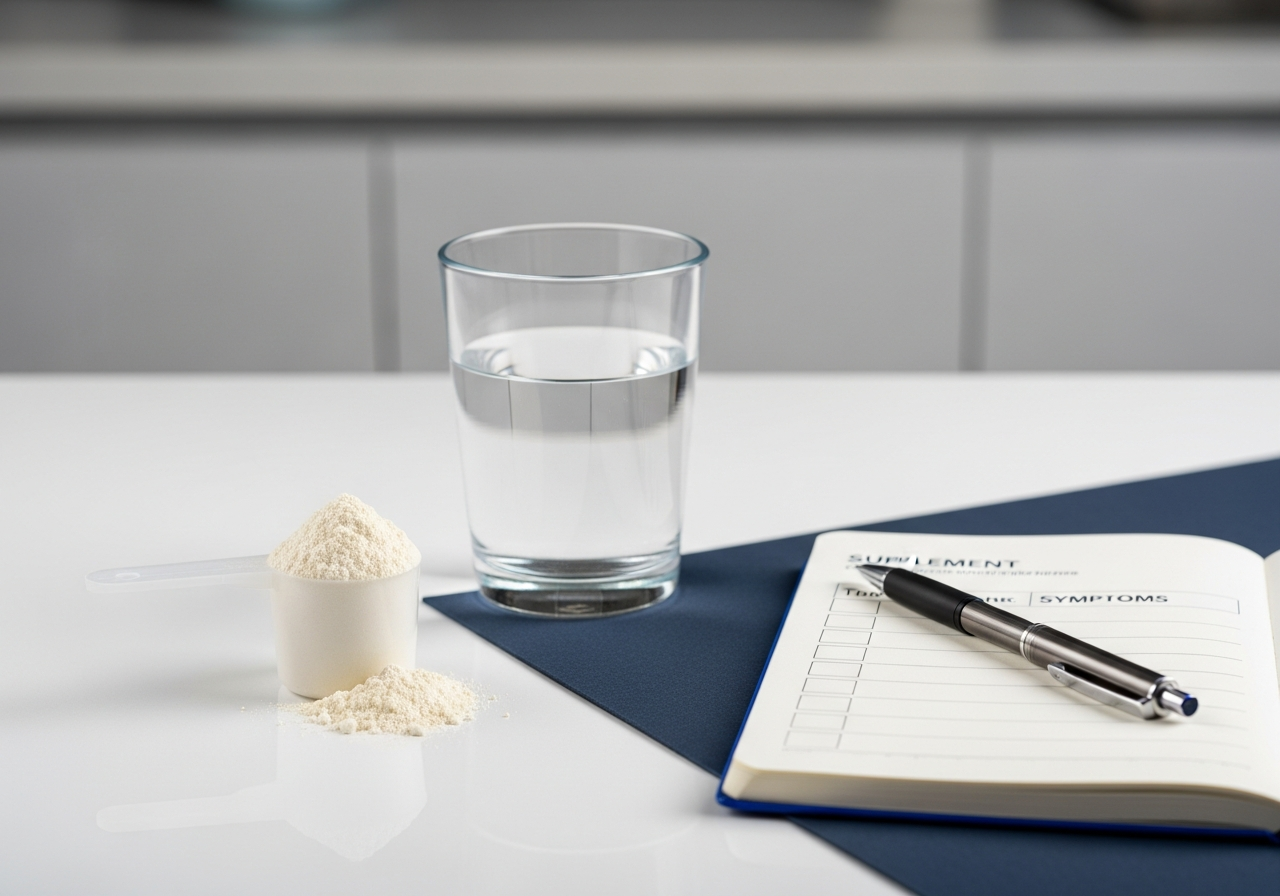
If you have anxiety and want to try creatine, the best approach is to start low, change one variable at a time, and track what happens for 2-4 weeks. That method gives you a fair test without creating a nocebo spiral, where expecting a bad reaction makes every sensation feel suspicious.
- Choose plain creatine monohydrate. Avoid flashy blends, stimulants, and “neuro” formulas for your first trial.
- Start with 3 g once daily. This is enough for most adults to begin saturating muscle and brain stores over time without the GI stress that sometimes comes with loading.
- Take it with water or a meal. Taking creatine with food can reduce stomach discomfort for some people.
- Do not change caffeine at the same time. Keep coffee, energy drinks, and pre-workout intake stable so you can identify the real cause of any symptoms.
- Keep training normal. Do not suddenly double your volume, add extra cardio, or start a severe diet in the same week.
- Track four things daily: anxiety level, sleep quality, digestion, and workout energy.
- Assess after 14 days. If everything feels fine, continue. If you feel better physically and mentally, that is useful, but still not proof of an anti-anxiety effect.
What should you expect?
- Days 1-7: probably nothing dramatic. Some people notice slight bodyweight increase or muscle fullness.
- Week 2-4: training performance may begin to feel more repeatable, especially in short explosive efforts.
- After 3-4 weeks without loading: saturation is typically much closer to complete, and your “real” response is easier to judge.
When should you stop?
- If you develop persistent GI distress despite splitting the dose.
- If you notice a clear, repeatable worsening in anxiety after several low-dose trials with no other obvious trigger.
- If your clinician has advised caution due to a medical condition, medication interaction concern, or renal issue.
This is also where beginners benefit from simplicity. You do not need a loading phase, a cycling protocol, or perfect timing to evaluate creatine. In fact, if you are worried about creatine stress or mood disruption, simplicity is the point.
Need help with numbers? Use our creatine dosage calculator, or read how to take creatine and how long creatine takes to work.
The right creatine dose by body weight, goal, and sensitivity level
The right dose for most adults is 3-5 g of creatine monohydrate per day, and anxiety-prone users usually do best starting at the low end. This is one area where the standard sports-nutrition answer also happens to be the calmest mental-health answer.
Loading is optional. A loading phase typically uses 20 g per day split into 4 doses for 5-7 days, followed by a maintenance dose of 3-5 g per day. Loading saturates muscle stores faster, but it also increases the chances of stomach upset and transient water-weight changes. If you are evaluating creatine and anxiety, there is usually no upside to rushing.
| Person or goal | Recommended approach | Why |
|---|---|---|
| Beginner with anxiety sensitivity | 3 g/day, no loading | Minimises GI discomfort and makes side effects easier to interpret |
| Average adult focused on gym performance | 3-5 g/day | Standard maintenance dose with strong evidence for efficacy |
| Larger athlete with high lean mass | 5 g/day | Reasonable practical upper end for daily maintenance |
| Fast saturation for competition prep | 20 g/day in 4 doses for 5-7 days, then 3-5 g/day | Speeds saturation, but higher chance of stomach issues |
| Older adult or woman new to creatine | 3 g/day to start | Simple, well-tolerated, and effective over time |
Body weight can help refine the dose, but not obsessively. In practice:
- Under about 60 kg: 3 g/day is usually plenty.
- Roughly 60-90 kg: 3-5 g/day is the standard range.
- Over about 90 kg or very muscular: 5 g/day is a practical maintenance target.
If 5 g all at once causes bloating or loose stools, split it into two smaller doses. Micronised creatine may mix more easily, but regular monohydrate works just as well if the product is quality-controlled.
The 2017 ISSN position stand and the 2021 misconceptions review both support monohydrate as the most studied and cost-effective form (Kreider et al., 2017) (Antonio et al., 2021).
For deeper dosing help, see how much creatine per day, creatine maintenance dose, and whether a loading phase is necessary.
Timing, hydration, and stacks: what matters if you are worried about stress or feeling wired
Timing matters far less than consistency, but hydration and stimulant stacking matter a lot more if you are worried that creatine might make you feel anxious. That is the practical answer for people overthinking whether to take creatine morning, pre-workout, or before bed.
Creatine works by gradually increasing tissue saturation, not by delivering an immediate stimulant effect. So the best time to take it is the time you will remember every day. Many people do well with breakfast, lunch, or post-workout simply because those times fit existing habits.
If anxiety is the concern, use these rules:
- Take it earlier in the day if supplements at night make you mentally preoccupied, even though creatine itself is not a stimulant.
- Mix it with water and drink normally; do not force huge amounts of water, but also do not neglect fluids.
- Avoid combining your first creatine trial with a new pre-workout, especially one high in caffeine.
- Take it with food if your stomach is sensitive.
Hydration deserves a balanced explanation. Creatine increases intracellular water in muscle tissue, which means water shifts into muscle cells. That does not mean creatine dehydrates you in normal use. It does mean poor overall fluid intake can leave you feeling flat, headachy, or uncomfortable, which some people then interpret as “anxiety.”
Simple hydration practice:
- Take your creatine with a full glass of water.
- Drink according to thirst across the day.
- Pay more attention to hydration if you train hard, sweat heavily, or work in hot conditions.
Should you take creatine with caffeine? You can, but caffeine is much more likely than creatine to cause shakiness, racing thoughts, elevated heart rate, or poor sleep. If you are trying to answer the question does creatine cause anxiety?, test creatine by itself first.
Likewise, if you take creatine at night and then sleep poorly, do not assume creatine is the mechanism. More often, late training, late caffeine, stress, or large evening meals are the issue. Still, if taking creatine in the evening makes you uneasy, move it earlier. Behavioural comfort matters.
Related reading: when to take creatine, how much water to drink with creatine, and whether to take creatine with food.
Who may benefit most from creatine’s broader mood and stress effects, and who should be cautious
Some groups may be more likely to notice broad “feel better” effects from creatine, but no group should assume a guaranteed anxiety benefit. That includes women, older adults, vegetarians, and athletes under heavy training load.
Why these groups?
- Vegetarians and vegans: they often start with lower dietary creatine intake because creatine is naturally found in animal foods, so supplementation may produce a more noticeable response.
- Women: creatine is increasingly studied beyond muscle, including areas related to energy, performance, and healthy ageing; however, anxiety-specific evidence remains limited.
- Older adults: creatine may help support resistance training adaptations, strength, and physical function, which can indirectly improve confidence and reduce stress around fatigue or frailty.
- Athletes and hard trainers: improved repeated-effort performance and recovery can reduce overall training strain and perceived stress.
Who should be more cautious?
- People with diagnosed anxiety who are highly sensitive to body sensations: avoid loading, keep caffeine stable, and track symptoms carefully.
- People with kidney disease or other relevant medical conditions: speak with a clinician before supplementing.
- Anyone on a complex medication regimen: not because creatine is known for broad psychiatric interactions, but because personalised clinical context matters.
- Pregnant or breastfeeding individuals: do not assume general sports-nutrition safety equals safety in these contexts without medical advice.
The Mayo Clinic notes that creatine appears to be likely safe for many people when used appropriately, but it also sensibly advises medical guidance in the presence of health conditions (Mayo Clinic). That is especially important when the goal is anything mental-health-related, because symptoms such as agitation, insomnia, palpitations, appetite changes, and GI distress can have many causes.
If you are a beginner, remember that “benefit” may simply mean improved workout quality, less fatigue during repeated efforts, and a steadier sense of physical capability. Those are valuable. They just should not be oversold as direct anti-anxiety effects.
For population-specific guidance, see creatine for women, creatine for older adults, and creatine for vegetarians.
Safety, side effects, and the red flags that mean creatine is not your issue to self-manage
Creatine monohydrate is generally considered safe for healthy adults at recommended doses, but side effects can still happen and severe anxiety symptoms always deserve proper evaluation. This section matters because people sometimes dismiss serious symptoms as “just supplements,” or they do the reverse and blame creatine for unrelated issues.
The best-established side effects of creatine are usually mild and practical:
- water-weight gain from increased intracellular water
- stomach upset, especially with large single doses
- bloating or loose stools in some users
There is not strong evidence that creatine commonly causes panic attacks, chronic anxiety, or clinically meaningful agitation in otherwise healthy users. The ISSN position stand and subsequent reviews have repeatedly reinforced creatine’s favourable safety profile in healthy populations when used as directed.
However, you should stop self-experimenting and talk to a clinician if you develop:
- new or worsening panic attacks
- persistent insomnia
- chest pain, fainting, or concerning palpitations
- severe GI symptoms
- marked changes in mood, especially if you have a history of mental-health disorders
It is also worth understanding lab confusion. Creatine supplementation can increase creatinine, a breakdown product measured on blood tests, without meaning that creatine has harmed a healthy kidney. That nuance is often misunderstood and can itself become a source of health anxiety. If you are getting bloodwork, tell your clinician you take creatine.
From a practical standpoint, the safest way to reduce false alarms is:
- Use a simple monohydrate product.
- Stay within standard dosing.
- Do not stack with multiple novel supplements.
- Track symptoms objectively.
- Give your body enough food, sleep, and fluid.
If you want a fuller safety review, read is creatine safe, creatine and kidney concerns, and creatine vs. creatinine.
Common mistakes and myths: the real reasons people think creatine made them anxious
Most reports that creatine “caused anxiety” can be traced to common supplement mistakes rather than a well-supported direct effect of creatine itself. If you want the shortest myth-busting version, here it is: creatine is not a stimulant, not a steroid, and not known to directly jack up stress hormones in normal use.
Myth 1: Creatine gives you nervous energy.
False. Creatine does not work like caffeine. It supports ATP regeneration over time; it does not acutely “buzz” the nervous system.
Myth 2: If you feel jittery after taking creatine, creatine is to blame.
Usually false. Check your pre-workout, coffee, energy drinks, and sleep debt first.
Myth 3: Loading is required.
False. Loading is optional. It speeds saturation but raises the chance of GI discomfort, which can feel stressful.
Myth 4: More creatine works better for mood.
Unsupported. Standard doses are enough for nearly all users, and there is no established high-dose “anti-anxiety” protocol for the general public.
Myth 5: Any creatine form marketed for calmness or brain function must be better.
Usually false. Monohydrate remains the evidence standard, and newer forms often have stronger marketing than data.
Here are the mistakes that most often create bad experiences:
- Taking a full 5-10 g in one hit on an empty stomach
- Starting creatine during a stressful week and blaming it for pre-existing symptoms
- Combining creatine with fat-loss stimulants
- Expecting immediate mental effects and becoming hypervigilant when nothing dramatic happens
- Using poor-quality products with proprietary blends
The 2021 JISSN paper on creatine misconceptions is especially relevant because it addresses how persistent myths can outlive the evidence (Antonio et al., 2021). If you are anxious by temperament, misinformation itself can become a side effect.
If you want a broader clean-up of internet claims, visit creatine myths debunked and our myths vs. facts guide.
How to choose a creatine product in Canada if you care about safety, simplicity, and peace of mind
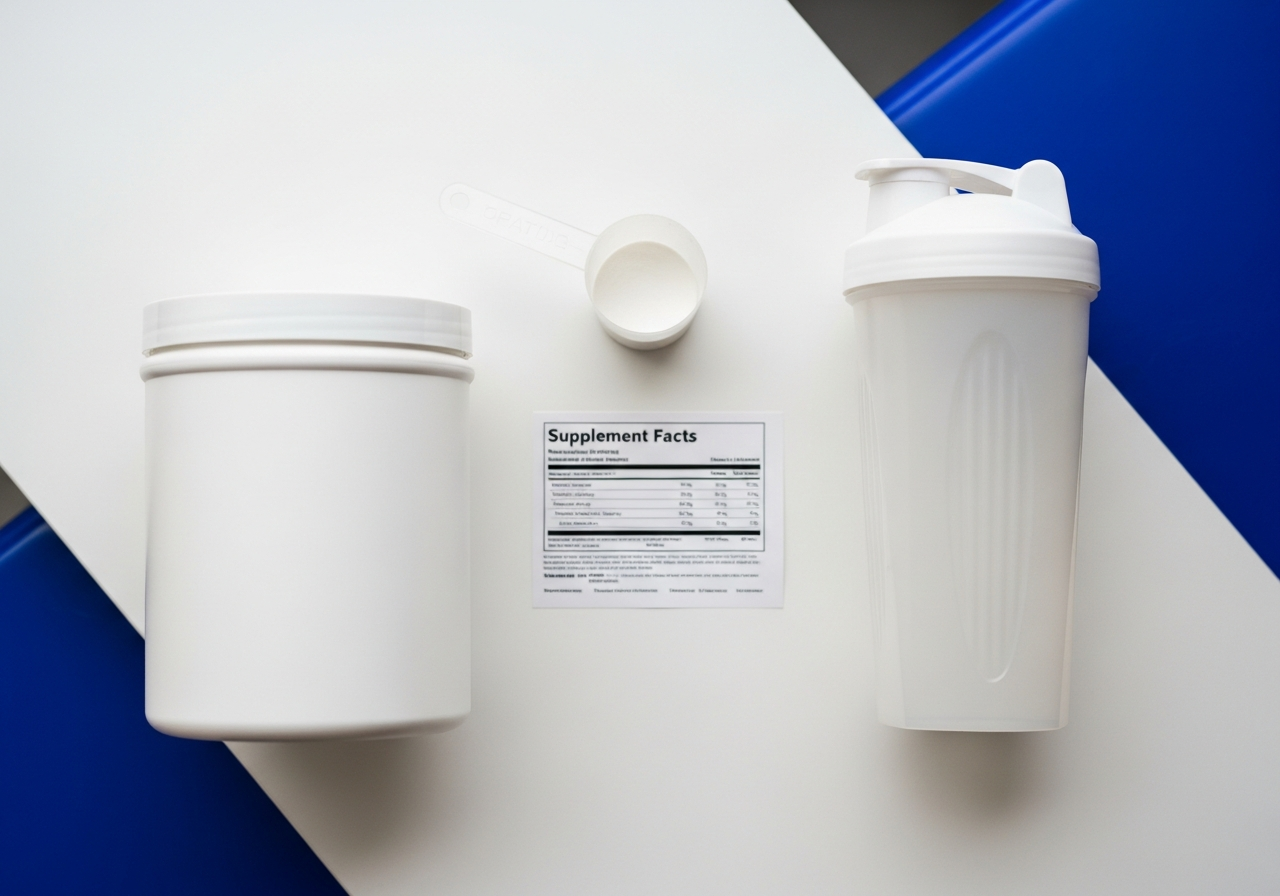
The best creatine product for an anxiety-sensitive buyer in Canada is usually a plain creatine monohydrate powder with a Natural Product Number and transparent quality controls. Fancy branding does not make a creatine product calmer, cleaner, or more effective.
In Canada, supplements sold legally often carry an NPN, or Natural Product Number, which indicates the product has been licensed by Health Canada as a natural health product. An NPN does not mean the product is perfect, but it is a useful baseline sign that the product is being sold within the Canadian regulatory framework.
What to look for:
- Ingredient list: ideally just creatine monohydrate, especially for your first trial.
- NPN on the label: useful Canadian compliance signal.
- Third-party testing: valuable for purity reassurance.
- Unflavoured option: reduces extra ingredients that could complicate tolerance.
- Micronised powder if preferred: mainly for mixability, not superior anxiety or brain effects.
| Feature | What it means | Best choice for anxiety-sensitive users |
|---|---|---|
| Form | Monohydrate, HCl, gummies, blends | Monohydrate |
| Flavouring | Unflavoured vs. flavoured | Unflavoured to keep variables simple |
| Product type | Single ingredient vs. pre-workout blend | Single ingredient |
| Regulatory label | NPN or equivalent Canadian compliance info | Yes |
| Quality assurance | Third-party testing or strong brand transparency | Prefer yes |
What to avoid at first:
- high-stimulant pre-workouts with creatine added
- proprietary blends that hide exact ingredient amounts
- products marketed with dramatic brain or mood claims unsupported by clear evidence
If you want product help, browse our best creatine rankings, creatine brand reviews, and creatine product catalog. For shoppers who want the evidence-based default, monohydrate still wins on data, price, and practicality.
Bottom line: should you avoid creatine if you have anxiety?
No, most people with anxiety do not need to automatically avoid creatine, but they should use it conservatively and keep expectations realistic. That is the fairest bottom line on creatine and anxiety in 2026.
If your question is does creatine cause anxiety?, the evidence-based answer is that it usually does not, especially when you use plain creatine monohydrate at 3-5 g per day. If your question is can creatine help anxiety?, the answer is that it is not proven as an anxiety treatment, though some people may feel better overall because of improvements in training capacity, recovery, or mental energy.
The best practical strategy is:
- Choose plain creatine monohydrate.
- Start with 3 g daily.
- Skip loading unless you have a specific reason to saturate quickly.
- Keep caffeine, training, and diet stable for 2-4 weeks.
- Track anxiety, sleep, digestion, and workout quality.
If you feel no different mentally but train better, that still counts as a successful creatine trial. If you feel clearly worse despite careful use and stable habits, stop and reassess. Supplements are optional; your nervous system is not a place to force a bad fit.
For many readers, the smartest perspective is this: creatine is a well-supported performance supplement with possible broader wellness spillover, not a stimulant to fear and not a mental-health cure to romanticise. Used that way, it earns its reputation.
Next steps: use our dosage calculator, read how much creatine per day, and if safety is your main concern, see who should not take creatine.
Creatine and Anxiety: The Numbers That Matter
- 3-5 g/day Standard maintenance dose — The evidence-based daily range for most healthy adults using creatine monohydrate.
- 20 g/day Typical loading dose — Usually split into 4 doses for 5-7 days if faster saturation is desired.
- 5-7 days Time for a loading phase — Loading speeds saturation but is optional and more likely to cause GI discomfort.
- 3-4 weeks Time to near-saturation without loading — A daily low-dose approach is slower but often better tolerated by anxiety-sensitive users.
Frequently Asked Questions
Does creatine cause anxiety?
Creatine does not appear to cause anxiety in most people when used at standard doses. If you feel anxious after starting it, the more likely explanations are caffeine, poor sleep, GI discomfort from a large dose, training stress, or changing too many variables at once.
Can creatine help with anxiety?
Creatine is not a proven treatment for anxiety. There is emerging interest in how creatine supports brain energy and mood-related pathways, but anxiety-specific evidence is too limited to recommend it as a reliable anti-anxiety supplement.
Why do I feel weird after taking creatine?
Feeling weird after taking creatine is more often related to stomach upset, water-weight changes, or taking it with stimulants than to creatine itself. Try plain monohydrate at 3 g daily, take it with food or water, and keep caffeine and training habits stable while you test it.
Can creatine make panic attacks worse?
Creatine is not known to directly trigger panic attacks, but any uncomfortable body sensation can feel amplified if you are panic-prone. If you notice a clear pattern of worse panic symptoms after careful low-dose trials, stop taking it and discuss the pattern with a clinician.
Is creatine a stimulant?
No, creatine is not a stimulant. Creatine works by helping regenerate ATP through the phosphocreatine system, while stimulants like caffeine act on the nervous system much more acutely and are far more likely to cause jitters or a racing heart.
What is the best creatine dose if I have anxiety?
The best starting dose if you have anxiety is usually 3 g of creatine monohydrate once daily. That lower, no-loading approach reduces the chance of stomach upset and makes it easier to tell whether any symptoms are truly related to creatine.
Should I avoid pre-workout if I am testing creatine and anxiety?
Yes, it is smart to avoid pre-workout during your first creatine trial if anxiety is the concern. Pre-workouts often contain caffeine and other stimulants, which are much more likely than creatine to cause jitters, shakiness, sleep problems, and anxious feelings.
How long should I test creatine before deciding whether it affects my mood?
You should usually test creatine for at least 2-4 weeks before deciding how it affects you. Without a loading phase, that time frame gives creatine a fair chance to build up while also letting you observe sleep, digestion, training energy, and anxiety trends more objectively.
Can women take creatine if they have anxiety?
Yes, women can generally take creatine if they have anxiety, provided they use a standard dose and do not have a medical reason to avoid it. Women may benefit from creatine for performance and broader health goals, but anxiety-specific benefits remain unproven.
What kind of creatine is best if I want the lowest-risk option?
Plain creatine monohydrate is the best lowest-risk option for most people. It is the most studied form, the most cost-effective form, and the easiest way to avoid unnecessary ingredients that could confuse side-effect tracking.