Creatine and the Brain: Memory, Focus, and Mental Energy
By The Creatine Canada Research Team — Evidence-based supplement analysts
Yes—creatine can help brain function in some situations, but the effect is usually modest and most noticeable when brain energy is under stress, such as sleep deprivation, demanding mental work, ageing, or low dietary creatine intake. It is best viewed as a well-supported performance supplement with emerging but plausible cognitive benefits, not a miracle nootropic.
Evidence-based · Cites 4 sources · Editorial standards
Key Takeaways
- Creatine monohydrate is the best-studied form for both muscle and potential brain benefits.
- A standard dose of 3–5 g/day is enough for most adults; loading at 20 g/day for 5–7 days is optional.
- Creatine does not usually stop you from sleeping, and taking it before bed is generally fine.
- Brain-related benefits appear more likely in vegetarians, older adults, and people under sleep or mental stress.
- Creatine may help mental fatigue, working memory, and brain energy, but evidence for brain fog, depression, and anxiety is still emerging.
- If creatine upsets your stomach, split the dose, take it with food, and use plain monohydrate powder.
- In Canada, look for a Health Canada NPN and preferably third-party testing when buying creatine.
Does creatine help brain function? The direct answer most people need
Yes, creatine can help brain function, but it is not a universal or dramatic cognitive enhancer for everyone. The best current reading of the evidence is that creatine helps most reliably by supporting brain energy availability, which can translate into modest benefits for tasks involving working memory, mental fatigue, processing under stress, and possibly cognition in people with lower baseline creatine stores.
Creatine is a compound your body makes from amino acids and also gets from foods like meat and fish. In the brain, creatine helps recycle ATP, the cell’s immediate energy currency, through the phosphocreatine system. Phosphocreatine is stored creatine with a phosphate attached, and its main job is to rapidly donate that phosphate to rebuild ATP when energy demand spikes. That matters because the brain is metabolically expensive tissue, and demanding mental tasks can briefly strain local energy supply.
The clearest thing to understand is this: creatine is not a stimulant. It does not work like caffeine, and it does not usually create a noticeable “focus hit” the first day you take it. Instead, it works by gradually raising tissue creatine stores over days to weeks. That is why some people report better mental stamina, less drained feeling during long work blocks, or slightly sharper performance when sleep-deprived, while others feel little day-to-day difference.
The evidence is strongest for creatine monohydrate, which the 2017 ISSN position stand identified as the most effective ergogenic nutritional supplement for increasing high-intensity exercise capacity and lean mass, and it remains the reference form in the broader creatine literature. Cognitive research is promising but less settled than the exercise literature. In plain English: it is reasonable to use creatine for possible brain benefits, but you should do it on the back of its excellent safety profile, low cost, and broad performance value—not because you expect a miracle for memory, focus, or mood.
If you are new to creatine, start with the basics first by reading what creatine is and use a practical creatine dosage calculator to confirm a sensible daily amount.
How creatine helps the brain: ATP, phosphocreatine, and mental energy
Creatine may help the brain because it improves the brain’s ability to buffer and regenerate ATP during periods of high energy demand. That is the same core reason it helps muscles perform repeated hard efforts, but the brain application is about mental work rather than sprinting or lifting.
Neurons and supporting brain cells constantly use ATP to maintain electrical gradients, fire signals, recycle neurotransmitters, and support attention, memory, and executive function. The phosphocreatine system acts like a rapid energy backup. When ATP is used and turns into ADP, phosphocreatine can quickly donate a phosphate to convert ADP back into ATP. This makes creatine especially relevant in situations where energy turnover is high, recovery time is short, or baseline stores may be lower than ideal.
That mechanism helps explain several patterns seen in the research:
- Sleep deprivation: when the brain is stressed and energy handling is impaired, creatine may help preserve performance on some cognitive tasks.
- Vegetarian or vegan diets: people who eat little or no meat often start with lower creatine stores, so supplementation can have a larger effect.
- Ageing: older adults may benefit because muscle and brain energetics, recovery, and reserve capacity can decline with age.
- Demanding cognition: benefits appear more likely on mentally taxing tasks than on easy everyday thinking.
Creatine also crosses into the central nervous system, which is why the question “can creatine cross the blood-brain barrier?” matters. The practical answer is yes, although brain uptake appears more tightly regulated and often slower than muscle uptake. That likely explains why muscle results feel obvious to many users while cognitive effects are subtler and less consistent.
The 2021 JISSN review on common questions and misconceptions about creatine reinforced that creatine has broad physiological roles beyond muscle and that many myths about its effects are overstated. Still, brain-related outcomes remain a more nuanced area than strength or muscle gain. If you want the simplest translation of the mechanism, it is this: creatine does not make your brain “work harder”; it may help your brain maintain performance when energy demand rises.
For a wider evidence-based overview, our guide on creatine benefits explains where brain effects fit within the bigger picture.
What the research actually shows on memory, focus, brain fog, and cognition
Creatine appears most likely to help cognition when the task is demanding or the person is under some form of physiological stress, but the evidence is not strong enough to promise a clear boost in everyday focus for everyone. That is the fairest answer to “does creatine help cognition,” “is creatine good for focus,” and “can creatine help memory?”
On memory and cognitive function, studies and evidence summaries suggest possible benefits for short-term memory, working memory, and mental fatigue, especially in groups with lower baseline creatine intake or greater cognitive stress. Examine’s evidence summary notes that effects are mixed, which is exactly what careful readers should expect from a literature base with different populations, doses, and testing methods. Some studies find improvements; others do not. That inconsistency does not mean creatine does nothing—it means the effect is context-dependent.
On focus, users often describe an indirect benefit rather than a stimulant-like one. In practice, that can mean:
- feeling less mentally drained late in the day,
- maintaining concentration better during long sessions,
- recovering faster from poor sleep, or
- finding that hard mental tasks feel slightly less effortful.
On brain fog, the evidence is weaker than the internet often suggests. Creatine may help some people who feel foggy because of sleep loss, heavy training, under-fuelling, or low dietary creatine intake, but “brain fog” is a broad symptom with many causes, including stress, iron deficiency, illness, medications, anxiety, depression, thyroid issues, and poor sleep quality. Creatine is not a diagnosis and not a guaranteed fix.
On depression and anxiety, the evidence is still emerging. There is scientific interest in whether brain energy metabolism plays a role in mood disorders and whether creatine could have adjunctive value, but that is not the same as saying creatine treats depression or anxiety. If someone asks, “does creatine help depression and anxiety?” the responsible answer is: possibly as an adjunct in some contexts, but not well enough established to replace standard care.
If you are troubleshooting poor results, it helps to know how long saturation takes. See how long creatine takes to work so you judge it on the right timeline.
Does creatine affect sleep? What to know before taking it at night
Creatine does not usually harm sleep, and for most healthy adults it is okay to take creatine before sleeping. That directly answers common questions like “does taking creatine affect sleep,” “does creatine stop you from sleeping,” and “is it okay to drink creatine before sleep?”
Creatine is not a stimulant, does not contain caffeine, and does not raise alertness the way pre-workouts do. So from a mechanism standpoint, there is no strong reason plain creatine monohydrate should keep most people awake. If someone notices worse sleep after taking creatine, the cause is often something else in the routine:
- a pre-workout that also contains caffeine,
- drinking a large amount of fluid right before bed and waking to urinate,
- mild stomach discomfort from a large single dose, or
- general training stress rather than creatine itself.
What about the opposite claim—does creatine help with sleep or make you sleep better? The best answer is no, not directly in the way a sleep aid does. Creatine is not established as a supplement that improves sleep quality in well-rested people. Where the confusion comes from is that creatine may help cognitive resilience during sleep deprivation, which is different from improving sleep itself. In other words, it may help you function a bit better after poor sleep, but that does not mean it makes you sleep better.
If you want to take creatine at night, keep it simple:
- Use plain creatine monohydrate only.
- Take your usual 3–5 g dose, not a giant scoop.
- Mix it in a modest amount of water or with a light snack.
- Avoid pairing it with caffeine-containing products late in the day.
Many people do best by taking creatine whenever they can be most consistent. Daily adherence matters more than the clock. Our full guide on creatine before bed goes deeper if nighttime dosing is your preference, and when to take creatine explains why timing is usually secondary to consistency.
How to take creatine for possible brain benefits: the simple step-by-step plan
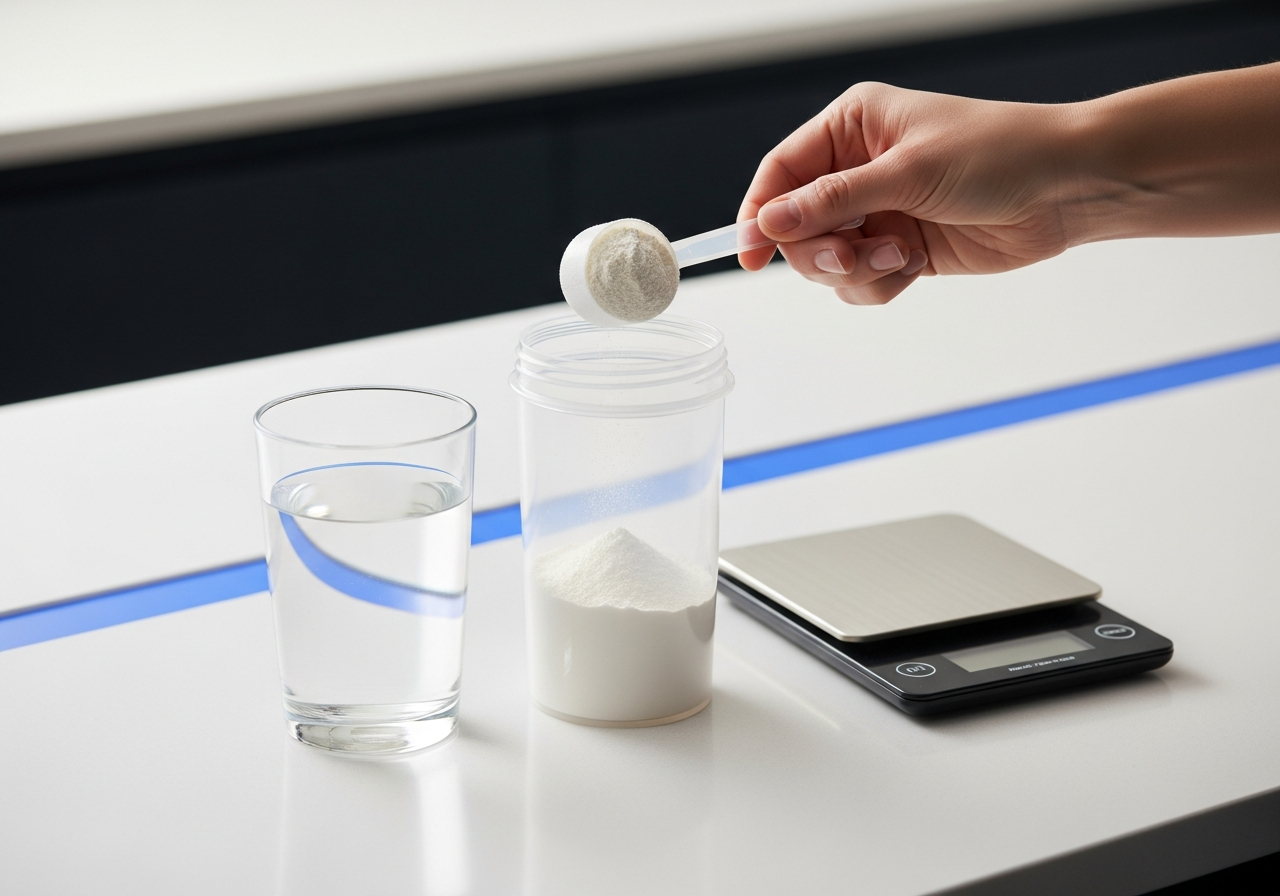
The best way to take creatine for possible brain benefits is the same practical protocol used for general creatine supplementation: 3–5 g of creatine monohydrate every day, consistently, for several weeks. You do not need a complicated “nootropic stack” to test whether creatine helps your mental energy, focus, or cognition.
- Choose creatine monohydrate. Monohydrate is the most studied, most cost-effective, and most evidence-backed form. If you are comparison shopping, start with our best creatine rankings or browse the creatine product catalog.
- Pick your dose. Most adults can use 3–5 g/day. Larger bodies or people who prefer a simple rule can use 5 g/day. Smaller adults may do well on 3 g/day.
- Decide on loading or no loading. If you want faster saturation, take 20 g/day split into 4 doses of 5 g for 5–7 days, then drop to 3–5 g/day. If you prefer simplicity or a calmer stomach, skip loading and take 3–5 g/day from day one.
- Take it with water or a meal. It can be mixed into water, juice, or a protein shake. Food is optional, but some people find it gentler on the stomach with meals.
- Stay consistent on rest days too. Creatine works by saturating tissue over time, so skipping non-training days makes less sense than people think.
- Assess after 3–6 weeks. Look for subtle improvements in mental stamina, training output, recovery, and day-to-day consistency—not a dramatic first-dose effect.
If your main goal is brain function rather than gym performance, keep your expectations realistic. You are more likely to notice benefits if you are a vegetarian, older adult, sleep-restricted, studying intensely, or training hard while under-recovering. If your diet already includes a lot of meat and fish and your sleep is excellent, the cognitive effect may be smaller.
Beginners often overthink timing, stacking, or fancy forms. Don’t. Start with plain monohydrate, use a digital scale or verified scoop, and follow a straightforward daily routine. If you want a full beginner walkthrough, see how to take creatine and creatine for beginners.
Best creatine dose for cognition: by body weight, goal, and how fast you want results
For most adults, the best creatine dose for possible cognitive benefits is still 3–5 g/day of creatine monohydrate, because brain-targeted dosing has not been established as clearly separate from standard maintenance dosing. The practical question is less “what is the special brain dose?” and more “what dose will reliably saturate my tissues with minimal hassle?”
| Body weight | Simple daily maintenance | Optional loading phase | Best for |
|---|---|---|---|
| Under 60 kg | 3 g/day | 20 g/day split into 4 x 5 g for 5–7 days | Smaller adults, beginners, stomach-sensitive users |
| 60–90 kg | 3–5 g/day | 20 g/day split into 4 x 5 g for 5–7 days | Most adults |
| Over 90 kg | 5 g/day | 20 g/day split into 4 x 5 g for 5–7 days | Larger athletes, people who want the simple default |
Here is what to expect on a realistic timeline:
- Days 1–7 with loading: muscle stores rise quickly; some people notice weight gain from intracellular water and improved gym output. Brain effects, if any, are usually subtle.
- Weeks 2–4 without loading: tissue saturation builds steadily; this is when many users begin to notice better training consistency and occasionally better mental stamina.
- Weeks 4–8: this is a fair window to judge whether creatine helps your cognition, especially during heavy workloads, intense training blocks, or poor sleep periods.
If your primary goal is memory or mental fatigue rather than strength, you still do not need to chase oversized doses. Higher doses are more likely to cause GI discomfort and are not clearly proven to produce superior long-term cognitive outcomes in healthy adults. Standard saturation remains the evidence-based starting point.
Use our daily dosing guide for a fuller breakdown, or plug your stats into the creatine dosage calculator if you want a personalised starting point. And if you want the fastest route to full stores, read whether a loading phase is worth it.
Who may benefit most: beginners, women, older adults, vegetarians, and athletes
Creatine is not only for young men trying to build muscle, and the people most likely to notice brain-related benefits are often those with lower baseline creatine status or higher energy demands. That includes vegetarians, vegans, older adults, students under heavy cognitive stress, shift workers, and hard-training athletes.
Beginners: If you are new to supplements, creatine is one of the most evidence-based places to start because it supports both physical performance and potentially mental energy. The key is to keep expectations grounded: you may not “feel” it in your brain immediately, but consistent use can still be worthwhile.
Women: Women can use creatine just as effectively as men. The dosing principles are the same, and there is growing interest in creatine across the lifespan for performance, recovery, and healthy ageing. Women who undereat protein or red meat, train hard, or juggle sleep disruption may be especially interested. Our creatine for women guide covers common concerns in depth.
Older adults: Older adults may have more to gain from creatine because it can support muscle function and possibly aspects of cognition or fatigue resilience. Healthy ageing is one of the most interesting growth areas in creatine research, though the brain data are still not as robust as the muscle data.
Vegetarians and vegans: This is one of the most logical groups to consider creatine. Dietary creatine comes mainly from animal foods, so plant-based eaters often start with lower stores and may respond more noticeably to supplementation. That applies to both gym and possible cognitive outcomes.
Athletes: Athletes often care about focus, reaction, decision-making, and mental sharpness during demanding training or competition periods. Creatine may help indirectly by preserving high-energy phosphate availability and reducing the sense of mental fatigue under load. The IOC consensus on dietary supplements includes creatine among the few supplements with strong evidence for performance applications.
Who is less likely to notice a cognitive difference? Well-rested omnivores with high meat intake, low stress, and no major cognitive demand may experience little beyond the established strength and recovery benefits. That does not make creatine a bad choice; it just means the brain effect is more likely to be subtle.
Safety, side effects, and how to buy creatine wisely in Canada
Creatine monohydrate is generally safe for healthy adults at recommended doses, and the most common side effects are mild digestive upset and short-term water-weight gain rather than anything specific to the brain. That is the evidence-based answer most readers need before trying it.
The ISSN position stand and later reviews support creatine’s strong safety profile in healthy people when used appropriately. Common, manageable issues include:
- Water retention: usually from more water being stored inside muscle cells, especially during loading.
- Stomach upset or loose stools: more common with large single doses.
- Scale weight increase: often noticeable in the first 1–2 weeks if you load.
Creatine does not appear to dehydrate you, ruin your kidneys in healthy users, or require cycling for safety. Those are persistent myths, and we unpack them in creatine myths debunked and our full safety guide. One nuance matters: creatine can increase blood creatinine, a breakdown product seen on lab work, without meaning kidney damage. That is a common source of confusion.
You should still speak with a qualified healthcare professional before starting creatine if you have known kidney disease, are pregnant or breastfeeding, take medications that affect kidney function, or have a medical condition being actively managed.
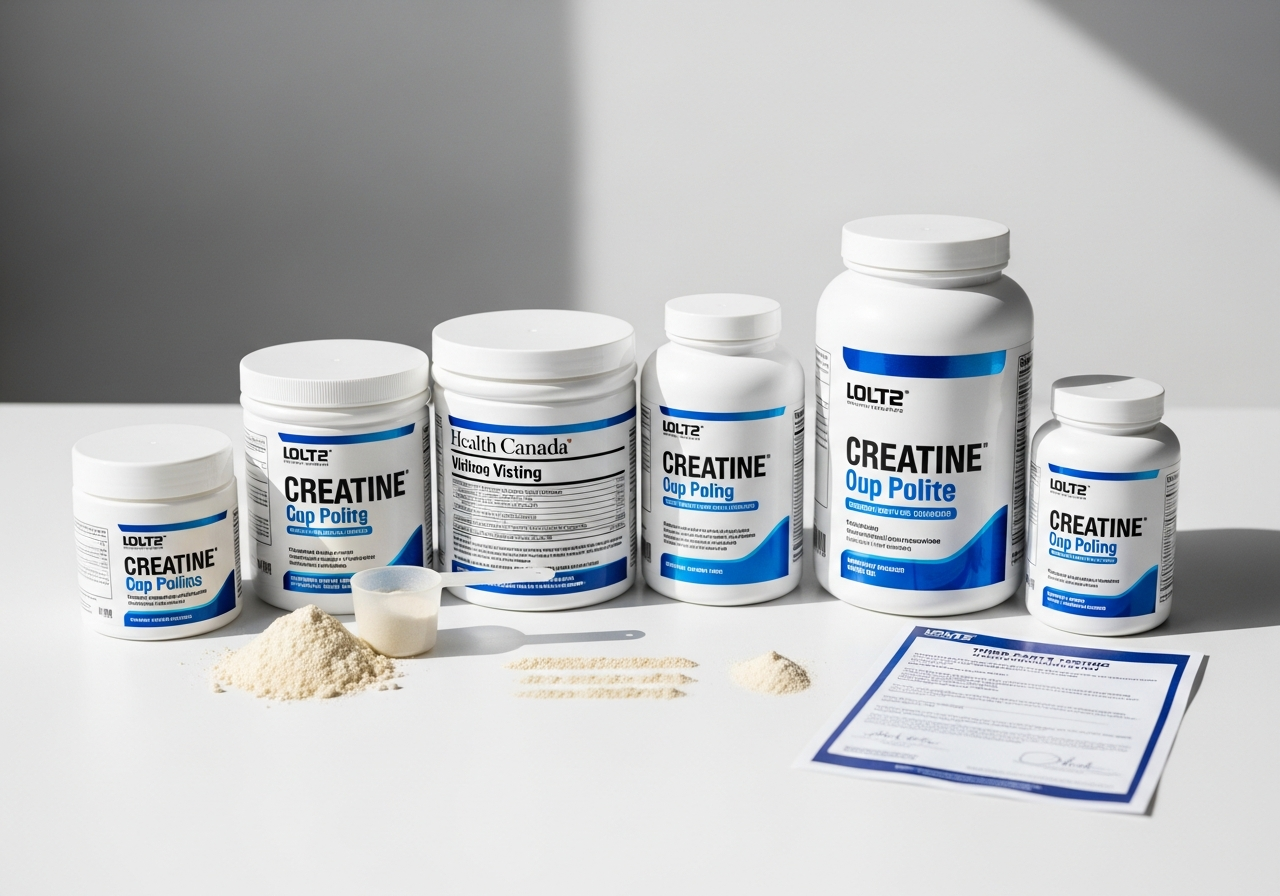
For Canadians, buying well matters. Look for:
- Creatine monohydrate as the main ingredient
- An NPN, which is a Natural Product Number issued under Health Canada’s natural health product framework
- Third-party testing or transparent quality controls
- Clear grams per serving rather than vague “proprietary blend” language
If you want help comparing options, see our creatine brand reviews and best creatine monohydrate in Canada guide. Plain powder remains the smartest buy for most people because it is easier to dose accurately and usually provides the best cost per gram.
Common mistakes and myths: brain fog claims, sleep fears, and fancy forms
Most creatine mistakes happen because people expect a stimulant effect, use the wrong product, or judge results too quickly. If you avoid those three errors, you are already ahead of most supplement buyers.
Myth 1: Creatine should make you feel instantly focused. False. Creatine is not caffeine. It works by gradually increasing tissue stores, so the right question is whether you perform or feel better over days and weeks, not whether today’s scoop gives an obvious buzz.
Myth 2: Creatine helps everyone’s brain fog. False. Brain fog is not a single condition. Creatine may help if low creatine status, poor sleep, heavy training, or high cognitive demand are part of the problem, but it is not a catch-all solution for underlying medical, hormonal, psychological, or sleep disorders.
Myth 3: Taking creatine at night will keep you awake. Usually false. Plain creatine monohydrate does not normally interfere with sleep. What often causes the issue is caffeine, large fluid intake before bed, or stomach discomfort from an oversized dose.
Myth 4: Expensive forms work better for the brain. Unproven. Monohydrate is still the reference form because it has the strongest evidence, lowest cost, and best track record. HCL, gummies, liquids, and niche blends may be convenient, but they do not currently beat monohydrate on evidence.
Myth 5: More is better. Not necessarily. Once your stores are saturated, very high chronic dosing is more likely to create GI problems than better results.
The most common real-world mistakes are:
- using a heaping scoop and getting 7–10 g by accident,
- skipping rest days,
- quitting after one week without loading,
- blaming creatine for side effects caused by a pre-workout blend,
- buying flavoured products with tiny creatine doses per serving.
If you want the purest fact-check on recurring claims, read creatine myths vs. facts and why monohydrate still wins. In 2026, the smartest creatine choice is still usually the least flashy one.
How to tell if creatine is working for your brain and not just your training
To tell whether creatine is helping your brain, track mental stamina and task performance over several weeks rather than waiting for a dramatic sensation. Brain-related creatine benefits are often subtle, situational, and easier to see in patterns than in one-off impressions.
Here is a practical 4-week self-check:
- Pick one or two outcomes before you start. Examples: afternoon mental energy, ability to concentrate for 60–90 minutes, study endurance, reaction under fatigue, or how wrecked you feel after poor sleep.
- Keep the dose constant. Use 3–5 g/day of monohydrate and avoid changing three other supplements at the same time.
- Rate consistency, not hype. Use a simple 1–10 score for focus, mental fatigue, and sleep quality each day.
- Note training overlap. Some “brain” benefits may come indirectly from better training quality, recovery, and less overall fatigue.
- Reassess after 4–8 weeks. That is a more honest window than judging after a few days.
Signs it may be helping include:
- less mental drop-off late in the day,
- slightly better performance on hard rather than easy tasks,
- better resilience during sleep-restricted periods,
- more stable overall energy when training volume is high.
Signs it may not be the right lever include no change after consistent use, persistent GI discomfort despite dose-splitting, or brain fog that clearly tracks with poor sleep, stress, illness, or another obvious factor. In those cases, creatine is not failing so much as not being the limiting factor.
Remember that creatine’s most dependable outcomes are still in high-intensity performance, strength, and lean mass. Any cognitive lift is a bonus layered on top. If you want to set realistic expectations, compare your timeline with our guide on how long creatine takes to work and consider whether you may fit the non-responder profile for noticeable effects.
Bottom line: should you take creatine for memory, focus, or sleep?
Yes, creatine is a reasonable supplement to take if you want to support brain function, but you should do it with realistic expectations. The strongest case is not that creatine turns you into a genius; it is that creatine can support brain energy metabolism and may modestly improve cognition, mental fatigue, or resilience under stress in the right person.
If your question is “is creatine good for the brain?” the best concise answer is: probably yes in a supportive, energy-buffering sense, especially for people with lower baseline stores or higher mental and physical demand. If your question is “does creatine help sleep better?” the answer is no, not directly—but it also does not usually hurt sleep, and taking it before bed is generally okay.
For most readers, the practical recommendation is simple:
- Use creatine monohydrate.
- Take 3–5 g/day.
- Be consistent for at least 4 weeks.
- Judge it on mental stamina and recovery trends, not instant feelings.
- Buy quality products with clear labelling and, in Canada, ideally an NPN.
If you want one supplement that is cheap, well studied, safe for most healthy adults, and useful even if the brain effects end up being modest, creatine is one of the easiest evidence-based choices you can make. And if your only goal is brain function, it is still worth remembering that sleep, total calories, protein intake, hydration, and stress management will usually move the needle more than any powder ever will.
Creatine for Brain Function: The Numbers That Matter
- 3–5 g/day Standard maintenance dose — Enough for most adults to maintain elevated creatine stores over time.
- 20 g/day Optional loading dose — Usually split into 4 doses for 5–7 days to saturate faster.
- 5–7 days Typical loading phase length — Speeds up saturation compared with taking a standard daily dose only.
- 4–8 weeks Fair timeline to judge cognitive effects — Brain-related benefits are usually subtler and slower to assess than acute stimulant effects.
Frequently Asked Questions
Does creatine help with brain function?
Yes, creatine can help with brain function in some contexts, especially when the brain is under high energy demand from sleep loss, hard mental work, ageing, or low dietary creatine intake. The effect is usually modest rather than dramatic, and it is better supported for mental fatigue and working memory than for broad everyday intelligence.
How does creatine help the brain?
Creatine helps the brain by supporting the phosphocreatine system, which rapidly regenerates ATP, the brain’s immediate energy source. In practical terms, that may help the brain maintain performance during demanding tasks or stress rather than making you feel instantly stimulated.
Can creatine cross the blood-brain barrier?
Yes, creatine can cross into the brain, which is why researchers study it for cognitive function and brain energy metabolism. Brain uptake appears to be more tightly regulated than muscle uptake, which likely helps explain why cognitive effects are often subtler and less consistent than gym-related effects.
Does creatine help with brain fog?
Creatine may help with brain fog in some people, but it is not a guaranteed fix because brain fog has many possible causes. It is most plausible when low creatine intake, hard training, poor recovery, or sleep deprivation are part of the picture.
Is creatine good for focus?
Creatine may be good for focus indirectly by improving mental stamina and reducing fatigue during demanding tasks, but it does not work like a stimulant. Most users who notice a focus benefit describe better sustained concentration over time rather than an immediate alert feeling.
Does creatine affect sleep?
Creatine does not usually affect sleep negatively in healthy adults when taken as plain creatine monohydrate. If sleep seems worse, the more likely culprits are caffeine-containing products, large fluid intake before bed, or stomach discomfort from a dose that is too large.
Is it okay to take creatine before sleeping?
Yes, it is generally okay to take creatine before sleeping because creatine is not a stimulant. Keep the dose to your normal 3–5 g, avoid combining it with caffeine, and do not chug a large volume of liquid right before bed if nighttime bathroom trips disrupt your sleep.
Does creatine make you sleep better?
No, creatine is not established as a sleep supplement and should not be expected to improve sleep quality directly. What it may do is help preserve some aspects of cognitive performance when you are sleep-deprived, which is different from actually improving sleep.
Can creatine help memory?
Creatine may help memory, especially short-term or working memory, but the evidence is mixed and the effects appear modest. Benefits seem more likely in people with lower dietary creatine intake, older adults, or people under higher cognitive stress.
Does creatine help depression and anxiety?
Creatine may have potential as an adjunct in some mood-related contexts, but the evidence is still emerging and it should not be treated as a primary therapy for depression or anxiety. Anyone dealing with significant mood symptoms should use standard medical care first and discuss supplements with a qualified clinician.