Does Creatine Cause Headaches? Causes, Triggers, and Fixes
By The Creatine Canada Research Team — Evidence-based supplement analysts
Creatine does not appear to commonly cause headaches in healthy adults, and headache is not considered a typical direct side effect of creatine monohydrate at standard doses. If you get a headache after taking creatine, the more likely triggers are dehydration, a too-aggressive loading phase, poor mixing, stacked stimulants, hard training, or an unrelated headache disorder such as migraine.
Evidence-based · Cites 4 sources · Editorial standards
Key Takeaways
- Headaches are not a classic or consistently reported side effect of creatine monohydrate at 3-5 g/day.
- The biggest real-world triggers are usually too little fluid, high-dose loading, caffeine-heavy pre-workouts, heat, and intense training.
- If creatine seems to give you a headache, lower the dose to 3-5 g/day, skip loading, and take it with a full glass of water and a meal.
- Too much creatine is more likely to cause stomach upset than headaches, but very high intakes can indirectly contribute by worsening GI distress or hydration habits.
- Stopping creatine does not cause a recognised withdrawal headache, because creatine is not a stimulant and does not create dependence.
- Creatine may help some people with brain energy support, but it is not an established treatment for headaches or migraines.
- If headaches are severe, recurrent, migraine-like, or accompanied by neurological symptoms, stop self-experimenting and speak with a healthcare professional.
Does creatine cause headaches? The short answer is usually no
Creatine does not usually cause headaches, and there is no strong evidence that creatine monohydrate commonly triggers headaches in healthy people when taken at standard doses. That direct answer matters because many people search for “does creatine cause headaches”, “can creatine give you a headache”, or “can creatine supplements cause headaches” after starting a new tub and noticing symptoms within a few days.
What the evidence supports is more specific: creatine monohydrate is one of the most studied sports supplements, and the mainstream safety literature does not list headache as a defining, frequent side effect in healthy adults. The 2017 ISSN position stand concluded that creatine monohydrate is effective and generally safe when used appropriately, and later reviews such as Antonio et al. (2021) reinforced that many popular fears around creatine are misconceptions.
That said, “not a common direct side effect” is not the same as “impossible in every person.” If you started creatine and got a headache, the timing may still be real even if creatine itself is not the true cause. In practice, headaches tend to come from what changed around creatine use: less water, more caffeine, a loading phase, training in heat, poor sleep, calorie restriction, or a pre-workout stack.
Here is the practical interpretation:
- If you take 3-5 g/day of creatine monohydrate and maintain normal hydration, headaches are unlikely to be from creatine itself.
- If you loaded at 20 g/day split badly or with little fluid, symptoms are more plausible from the protocol than from creatine as a molecule.
- If you use creatine inside a multi-ingredient pre-workout, the headache is at least as likely to come from caffeine or other stimulants.
For beginners, the safest move is simple: use plain monohydrate, start with 3-5 g daily, take it consistently, and monitor hydration and training stress before blaming creatine. If you need help finding a practical daily amount, use our creatine dosage calculator or read how much creatine per day.
Why creatine can seem to cause headaches even when it usually is not the real culprit
Creatine can seem to cause headaches because it often gets started at the same time as changes in hydration, training intensity, caffeine intake, and supplement routines. That is why many “can creatine cause a headache” stories are plausible personal experiences but weak proof of direct causation.
Creatine works by increasing intramuscular phosphocreatine, which is stored creatine linked to phosphate and used to rapidly regenerate ATP, the cell’s immediate energy currency, during short intense efforts. That mechanism is about muscle and cellular energy availability; it is not a known headache mechanism by itself.
So where do the headaches come from? Usually one or more of these:
- Reduced fluid margin: Creatine draws more water into muscle cells, which is normal intracellular water retention, but some people respond by under-drinking during hard training or hot weather.
- Loading too aggressively: Taking 20 g all at once, or even two large boluses, can increase GI discomfort and make you feel off, which some people describe as a “creatine headache”.
- Stacking stimulants: If your creatine is in pre-workout, caffeine is a more credible trigger for headache, especially above your usual intake.
- Training strain: Hard sessions themselves can trigger exertional headaches, particularly with breath-holding, neck tension, and poor fuelling.
- Poor sleep or cutting calories: Many users start creatine during a body-composition push, and headaches from under-eating, low carbohydrate intake, or fatigue can get misattributed.
Creatine is not a diuretic, and standard doses do not reliably dehydrate you. In fact, the claim that creatine automatically causes dehydration has been challenged for years and is better understood now as a myth or context-dependent misunderstanding. If you want the full hydration nuance, see creatine and dehydration and how much water should you drink with creatine.
The simplest way to think about it is this: creatine itself is usually headache-neutral, but the way people introduce it can create headache-prone conditions. That is why troubleshooting the routine matters more than abandoning the supplement immediately.
The most common headache triggers to check before blaming creatine
If you got a headache after taking creatine, check hydration, caffeine, dose size, training heat, sleep, and overall supplement ingredients first. These are the variables most likely to explain why someone asks “can you get headaches from creatine” or “could creatine cause headaches”.
Use this checklist the same day symptoms show up:
- How much did you take? A normal maintenance dose is 3-5 g/day. A headache is more suspicious if you took a large scoop, guessed the dose, or used a loading protocol carelessly. If needed, read how to measure creatine.
- What did you mix it with? Coffee, stimulant pre-workout, very little water, or alcohol later in the day can muddy the picture. See can you mix creatine with coffee and creatine and caffeine.
- Did you train hard in heat? Exertional headaches are more likely during high-intensity sessions, sprint work, or heavy lifting with poor breathing patterns.
- Did you eat enough? A low-calorie diet, skipped meals, or low carbohydrate intake can trigger headaches independent of creatine.
- Was it pure creatine monohydrate? Flavoured blends, gummies, or pre-workouts add variables like sweeteners, colouring, herbal stimulants, and sodium loads.
- Do you already get migraines or tension headaches? If yes, timing alone does not prove creatine is the trigger.
A “creatine headache” is often actually a routine headache that appeared during the week creatine was introduced. That distinction matters because the fix is different. If the cause is dehydration or stimulant overload, lowering the dose and improving fluids will help. If the cause is migraine, the supplement may be irrelevant.
One practical rule: if the headache started only after switching from plain powder to a pre-workout or gummy product, suspect the formula before suspecting creatine itself. Our best creatine rankings, creatine brand reviews, and creatine product catalog can help you compare simpler options with fewer confounders.
Does dose matter? Yes — loading phases and oversized scoops raise the odds of problems
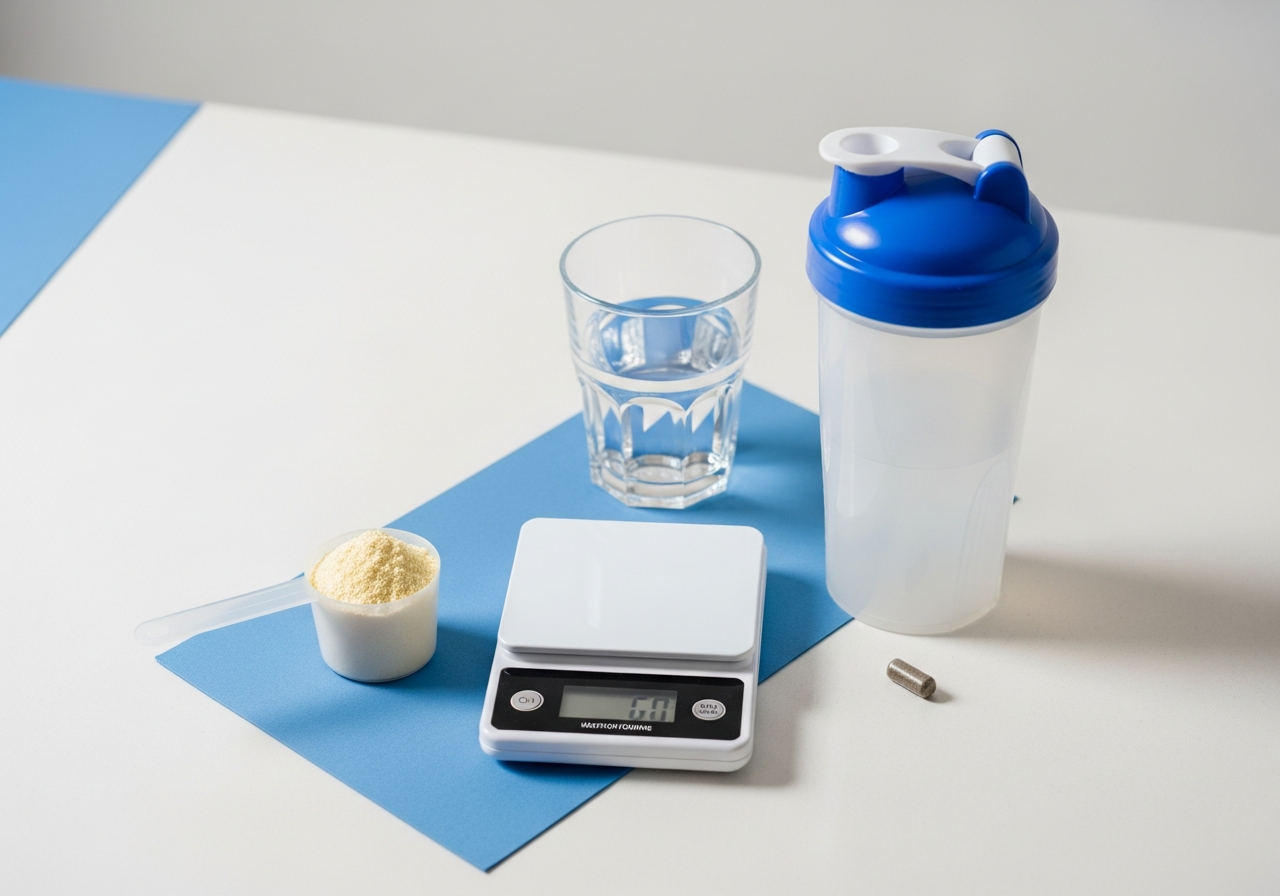
Dose matters because standard creatine maintenance is very unlikely to cause headache problems, while large doses and sloppy loading protocols are more likely to create indirect issues. This section answers searches like “can too much creatine cause headaches” and “can taking creatine cause headaches”.
Mainstream dosing is straightforward: 3-5 g/day of creatine monohydrate for most adults, every day, with or without food. A loading phase is optional, not necessary. Loading usually means about 20 g/day split into 4 doses of 5 g for 5-7 days, then dropping to maintenance. That protocol can saturate muscle faster, but it also increases the chance of stomach upset if done poorly.
| Goal | Suggested dose | Headache risk context | Best practical advice |
|---|---|---|---|
| Simple daily use | 3-5 g/day | Low; headache not expected | Take once daily with 300-500 mL of fluid |
| Fast saturation via loading | 20 g/day for 5-7 days, split into 4 x 5 g | Higher chance of indirect issues if under-hydrated or taken in big boluses | Split evenly, never all at once, then switch to 3-5 g/day |
| Body-weight based loading | 0.3 g/kg/day for 5-7 days | Useful for larger athletes, but still must be split | Pair each dose with water and food |
| Body-weight based maintenance | About 0.03 g/kg/day | Low and sustainable | Round to a realistic 3-5 g/day for most people |
Examples help. A 60 kg person can do well on 3 g/day. An 80 kg person will usually be fine on 5 g/day. A 100 kg strength athlete may still use 5 g/day, though some prefer slightly more structured body-weight dosing. For most beginners, there is little reason to push beyond the standard range.
If you think creatine gives you headaches, the best first test is to stop loading and use plain monohydrate at 3-5 g/day for two weeks. That removes the biggest dosing confounder. For more detail, see creatine loading phase, creatine maintenance dose, and how much creatine per day.
What to do if creatine seems to give you headaches: a simple 7-step fix
If creatine seems to give you headaches, the fastest fix is to reduce variables: switch to plain creatine monohydrate, lower the dose to 3-5 g/day, increase fluids, and remove stimulant-heavy stacks for one to two weeks. This is the most practical answer to “do creatine headaches go away” and “can taking creatine give you headaches”.
- Stop loading immediately. If you are taking more than 5 g at once, drop to a single 3-5 g daily dose.
- Use plain monohydrate only. Avoid pre-workout blends, gummies, and fat-burner stacks while troubleshooting. Monohydrate remains the reference form; see best type of creatine and creatine monohydrate vs HCL.
- Take it with a full glass of water. Aim for roughly 300-500 mL with the dose, then drink normally across the day rather than chugging all at once.
- Pair it with food. Many people tolerate creatine better with a meal or post-workout shake. See should you take creatine with or without food.
- Reduce caffeine for 3-5 days. If you added creatine alongside coffee or pre-workout, cut stimulants back to your usual baseline.
- Check training conditions. If the headache appears only after hard sessions, look at heat, sweat loss, breath-holding, and neck tension.
- Re-test the pattern. If headaches disappear, continue the simpler routine. If they return despite low-dose plain monohydrate and normal hydration, creatine may not suit you personally, or the issue may be unrelated.
Most people who keep creatine do well once they simplify the protocol. Headaches linked to dosing mistakes usually fade within days after lowering the dose and fixing hydration. If the symptom is actually from migraine, sinus issues, high blood pressure, illness, or heavy stimulant use, changing creatine will not fully solve it.
Do not dry scoop creatine if you are already getting headaches. Dry scooping makes exact dosing harder, encourages poor fluid intake, and adds zero benefit; see dry scooping creatine.
Can creatine cause migraines or tension headaches? The honest evidence-based answer
Creatine is not an established cause of migraines or tension headaches, but any new supplement routine can coincide with or indirectly trigger symptoms in people who are already prone to them. That is the clearest answer to “can creatine cause migraines”, “can creatine trigger migraines”, and “can creatine cause tension headaches”.
Migraine is a neurological disorder with multiple triggers, including sleep disruption, dehydration, hormonal changes, stress, bright light, skipped meals, alcohol, and caffeine shifts. Tension headaches are often linked to stress, fatigue, neck and scalp muscle tension, and poor posture. Creatine does not fit neatly into the main trigger profile for either condition.
However, the context around creatine can matter:
- Migraine-prone people may react to dehydration, training heat, or sudden caffeine changes that happen when they start supplements.
- Lifters with tension headaches may get symptoms during heavy sets if they brace hard, clench the jaw, shrug the shoulders, or hold their breath.
- People using flavoured products may suspect creatine when another ingredient is the real problem.
There is also a separate question: can creatine help headaches or migraines? The answer is not established enough to treat creatine as a headache therapy. There is emerging interest in creatine for brain energy support because the brain also uses creatine and phosphocreatine systems, but that is different from proving it relieves primary headache disorders. If that angle interests you, see creatine and the brain.
So what should a migraine sufferer do? Start conservatively. Use plain monohydrate at 3 g/day, keep caffeine stable, take it with food and water, and track symptoms for two weeks. If headaches intensify, stop and discuss the pattern with a clinician who knows your migraine history.
Creatine should be viewed as headache-neutral for most people, not as a known migraine trigger and not as a proven migraine treatment. That is the evidence-balanced position as of 2026.
Can stopping creatine cause headaches? No recognised withdrawal effect
Stopping creatine does not usually cause headaches because creatine does not work like caffeine, does not stimulate the nervous system, and does not produce a recognised withdrawal syndrome. This directly answers “can stopping creatine cause headaches”.
Creatine’s main role is to support phosphocreatine stores in muscle and other tissues. When you stop taking it, your saturated stores gradually drift back toward baseline over time. That can mean performance benefits fade gradually, but it does not create the classic rebound pattern people associate with stimulant withdrawal.
Why do some people still report headaches after stopping?
- They also changed caffeine intake. If someone stops their entire pre-workout at once, caffeine withdrawal is a much stronger explanation.
- They changed routine, sleep, and training. Coming off a hard block, dieting phase, or dehydrating summer training week can produce symptoms unrelated to creatine.
- They noticed symptoms more once they started monitoring closely. Expectation effects are common with supplements.
If you stop creatine, the most likely outcome is simply that you lose the performance and cell-saturation benefits over several weeks, not that you develop a creatine headache. If you miss a day or stop for a short period, nothing dramatic happens; see what happens if you miss a day of creatine and how long creatine stays in your system.
A useful distinction: if the product you stopped contained caffeine, synephrine, yohimbine, or other stimulants, headaches after stopping may be real withdrawal symptoms from those compounds. That is exactly why troubleshooting should focus on the whole product label rather than the word “creatine” alone.
For Canadian buyers, that means reading the full supplement facts panel and, where relevant, the Health Canada Natural Product Number, or NPN, which is the product licence number for many natural health products sold in Canada. A plain creatine powder is much easier to interpret than a flashy proprietary blend.
Who should be extra cautious: beginners, migraine sufferers, women, older adults, and athletes in the heat
Most healthy adults can use creatine safely, but a few groups should be more methodical if they are worried about headaches. The right approach is not fear; it is better setup.
Beginners should keep things simple: plain creatine monohydrate, 3-5 g/day, no loading, no dry scooping, and no multi-ingredient pre-workout during the first two weeks. If you are new to the supplement entirely, start with creatine for beginners.
Women can use creatine effectively and safely, and there is no evidence that women are uniquely prone to creatine headaches. However, because migraine prevalence is higher in women overall, it helps to track the full context, including menstrual cycle phase, sleep, caffeine, and training load. More here: creatine for women.
Older adults often benefit from creatine for muscle and function, especially alongside resistance training, but they may also be taking more medications or have more comorbidities. A conservative starting dose of 3 g/day is sensible. See creatine for older adults.
Athletes training in heat are more likely to confuse exertional or dehydration headaches with supplement effects. If you sweat heavily, train outdoors, or do repeated sprint work, your hydration, sodium intake, and session planning matter more than your creatine timing. See creatine for competitive athletes.
People with recurrent migraines or unexplained headaches should not assume creatine is harmless for them personally just because it is generally safe. General safety data do not replace individual pattern recognition.
Finally, people with kidney disease, serious medical conditions, pregnancy-related questions, or medication concerns should speak with a clinician before supplementing. That is not because headache is a classic creatine risk, but because all supplement decisions should be individualised when medical complexity is involved. Our broader guide on is creatine safe covers the bigger safety picture.
Choosing a creatine that is less likely to create problems: simple, tested, and clearly labelled
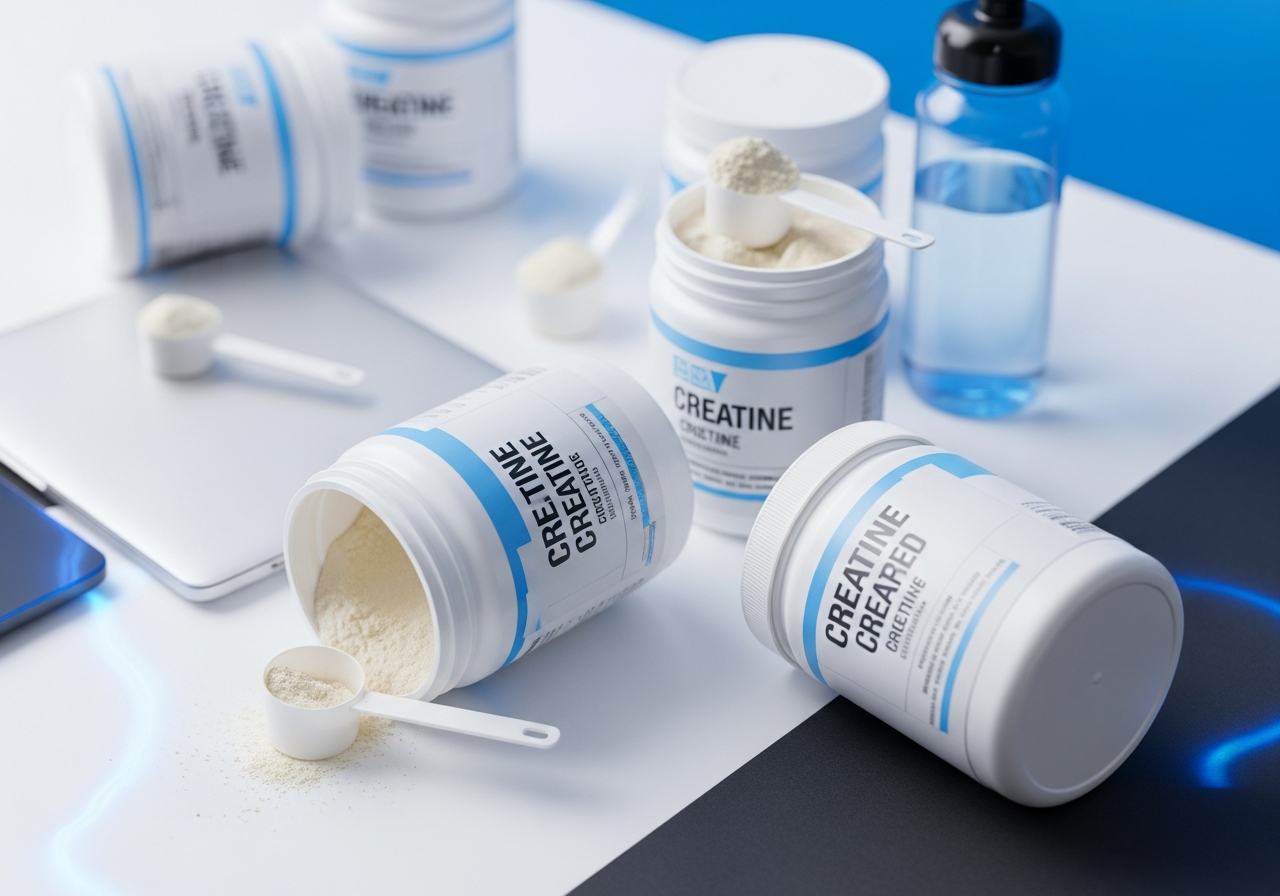
If you want the lowest-risk creatine experience, choose a plain, third-party tested creatine monohydrate powder with a clear label and no unnecessary stimulants or extras. Product choice will not guarantee you never get a headache, but it dramatically reduces confounding variables.
Monohydrate is still the benchmark because it is the most studied, typically the most cost-effective, and the form behind the large safety and efficacy literature. Claims that exotic forms are automatically gentler or more “headache-proof” are usually marketing first and evidence second.
When buying in Canada, look for:
- Plain ingredient list: ideally just creatine monohydrate.
- Exact dose per serving: no vague “performance matrix”.
- Third-party testing: helpful for purity and label confidence.
- NPN where applicable: in Canada, an NPN indicates Health Canada licensing for many natural health products.
- Reputable seller and lot transparency: especially when shopping online.
| Option | Pros | Cons | Best for headache troubleshooting |
|---|---|---|---|
| Plain monohydrate powder | Most studied, simple, cheap, easy to dose | Needs mixing | Best choice |
| Micronized monohydrate | May mix more easily | Usually a small price premium | Good choice if texture bothers you |
| Capsules | Convenient, no mixing | Often need many capsules to reach 3-5 g | Useful if powders upset you psychologically or practically |
| Gummies or flavoured blends | Taste and convenience | More ingredients, more cost, more confounders | Less ideal during troubleshooting |
| Pre-workout with creatine | All-in-one convenience | Stimulants complicate side-effect analysis | Poor choice if headaches are a concern |
If you are comparing products, start with our best creatine rankings, creatine brand reviews, and best creatine monohydrate in Canada. For broader myth-busting around fancy forms, see why monohydrate still wins.
Creatine headache myths, debunked one by one
Most creatine headache myths come from confusing correlation with causation, or from blaming creatine for the effects of caffeine, dehydration, or poor supplement design. Here are the biggest myths worth clearing up.
- Myth: Creatine dehydrates you, so headaches are inevitable.
Fact: Creatine is not a proven diuretic in healthy users at standard doses, and headache is not inevitable. Problems are more often linked to training conditions and poor overall fluid habits than to creatine itself. - Myth: If a headache happened after the first scoop, creatine caused it.
Fact: Timing alone does not prove causation. New supplements often start alongside hard training, dieting, and extra stimulants. - Myth: Fancy forms like HCL cannot cause headaches, but monohydrate can.
Fact: Monohydrate is the most studied form and the standard reference. Claims of superior tolerance from alternative forms are often overstated relative to the evidence. - Myth: Too much creatine is dangerous because headaches mean kidney stress.
Fact: Oversized doses are more likely to cause GI issues than headaches. Kidney concerns require medical context and should not be inferred from a simple headache. - Myth: Stopping creatine causes withdrawal headaches.
Fact: Creatine has no recognised withdrawal syndrome. - Myth: Creatine can treat headaches or migraines.
Fact: The brain energy rationale is interesting, but creatine is not an established headache treatment.
The broad evidence base remains reassuring. The Mayo Clinic overview describes creatine as generally safe for many people when used appropriately, and the International Olympic Committee consensus includes creatine among the more evidence-supported performance supplements. Neither source frames headache as a hallmark direct adverse effect.
If you want a broader roundup of persistent misconceptions, visit creatine myths debunked or creatine myths vs. facts.
Bottom line: when to keep taking creatine, when to adjust it, and when to stop
For most healthy people, creatine does not directly cause headaches, and the best first move is to adjust the protocol rather than assume the supplement is the problem. If you searched “does creatine give you headaches” or “can you get a headache from creatine”, the evidence-based answer is that headaches are possible around creatine use but are not a classic, expected effect of standard creatine monohydrate supplementation.
Keep taking creatine if:
- You are using plain monohydrate at 3-5 g/day.
- Your headaches were mild, brief, and clearly linked to dehydration, loading, or stimulant stacking.
- Symptoms improved after simplifying your routine.
Adjust the routine if:
- You are loading aggressively.
- You take creatine inside pre-workout.
- You dry scoop or take it with minimal fluid.
- You train hard in heat or are dieting aggressively.
Stop and reassess if:
- Headaches are moderate to severe or keep returning despite low-dose plain monohydrate.
- You develop migraine-like symptoms, visual changes, vomiting, marked dizziness, or neurological symptoms.
- You suspect another ingredient in the product.
The simplest low-risk protocol is 3-5 g/day of plain creatine monohydrate, taken consistently with water and preferably with food, while keeping caffeine and training variables stable. That approach works for most beginners, women, older adults, and athletes.
If you want to build a cleaner routine from scratch, start with what is creatine, how to take creatine, and how long creatine takes to work. And if you are still unsure, a plain tested monohydrate product plus a simple daily dose remains the evidence-based default in 2026.
Creatine and Headaches: The Numbers That Matter
- 3-5 g/day Standard daily maintenance dose — The usual dose for most adults using creatine monohydrate.
- 20 g/day Typical loading phase total — Usually split into 4 doses of 5 g for 5-7 days, not taken all at once.
- 5-7 days Common loading duration — Loading is optional; it speeds saturation but is not required.
- 0.03 g/kg/day Body-weight based maintenance — A mainstream evidence-based way to scale dose after loading or for long-term use.
Frequently Asked Questions
Can creatine cause headaches?
Creatine can coincide with headaches, but it does not appear to commonly cause them directly at standard doses. In most healthy adults, a headache after starting creatine is more likely to be related to dehydration, a loading phase, heavy training, caffeine, poor sleep, or another ingredient in the product.
Can creatine give you a headache on the first day?
Yes, a headache can happen on the first day you take creatine, but that does not prove creatine itself is the cause. First-day headaches are more often linked to taking too much at once, mixing it into a stimulant-heavy pre-workout, under-drinking, or starting it on a hard training day.
Can too much creatine cause headaches?
Too much creatine can indirectly contribute to headaches, especially if large doses worsen GI distress or lead to poor fluid habits. Very high intakes are more famous for stomach upset than headaches, so the best fix is to return to a simple 3-5 g/day maintenance dose.
Do creatine headaches go away?
Yes, headaches that seem linked to creatine routines often go away once you simplify the protocol. Lowering the dose, skipping loading, using plain monohydrate, drinking enough fluid, and cutting back pre-workout stimulants usually resolves the issue within a few days if creatine setup was the real trigger.
Can creatine cause migraines?
Creatine is not a recognised migraine trigger in the evidence base, but the routine around creatine can aggravate migraines in susceptible people. Dehydration, heat, skipped meals, and caffeine changes are much more plausible migraine triggers than creatine monohydrate itself.
Can creatine cause tension headaches?
Creatine is not known to directly cause tension headaches. If you develop one during a training phase, exertion, breath-holding, neck tension, jaw clenching, poor posture, and fatigue are more likely explanations than creatine itself.
Can stopping creatine cause headaches?
Stopping creatine does not usually cause headaches because creatine does not create dependence or a recognised withdrawal effect. If headaches show up after stopping a pre-workout that contained creatine, caffeine withdrawal or routine changes are more likely explanations.
Can creatine help headaches or migraines?
Creatine is not an established treatment for headaches or migraines. There is scientific interest in creatine for brain energy support, but that is not the same as having strong evidence that creatine reliably prevents or relieves primary headache disorders.
What should I do if creatine gives me headaches?
If creatine seems to give you headaches, switch to plain creatine monohydrate, lower the dose to 3-5 g/day, stop loading, take it with food and water, and remove stimulant-heavy products for one to two weeks. If headaches continue despite that reset, stop and investigate other causes with a healthcare professional.
Is creatine HCL less likely to cause headaches than monohydrate?
There is no strong evidence that creatine HCL is meaningfully less likely to cause headaches than monohydrate. Monohydrate remains the most studied form, and most headache complaints are better explained by dose size, poor hydration, or stacked ingredients than by the specific creatine form.