Creatine Nitrate: Benefits, Pumps, and How It Compares
By The Creatine Canada Research Team — Evidence-based supplement analysts
Creatine nitrate is a creatine molecule bound to a nitrate group, and it is not clearly better than creatine monohydrate for muscle or strength. Its main appeal is the possibility of combining creatine’s well-established high-intensity performance benefits with a more noticeable workout “pump”, but the evidence base is much smaller than it is for monohydrate.
Evidence-based · Cites 4 sources · Editorial standards
Key Takeaways
- Creatine nitrate combines creatine with nitrate, but monohydrate remains the most studied and best-supported form.
- If your goal is proven strength, power, and muscle support, 3-5 g/day of creatine monohydrate is still the default choice.
- Creatine nitrate is often chosen for pre-workout feel, especially pumps, rather than superior long-term creatine results.
- There is no strong evidence that creatine nitrate beats monohydrate for muscle gain, performance, or absorption in real-world users.
- Most people do not need a loading phase with creatine nitrate; consistency matters more than timing.
- Check the Supplement Facts carefully, because some products list a creatine nitrate blend without clearly providing a full creatine dose.
- In Canada, look for a valid Natural Product Number and preferably third-party testing when buying any creatine product.
What creatine nitrate actually is, and whether it is better than monohydrate
Creatine nitrate is creatine attached to a nitrate group, and the short answer is that it is not proven to be better than creatine monohydrate for building strength, power, or muscle. If you are asking “what is creatine nitrate?” or “is creatine nitrate better?”, the practical answer is that it is a niche creatine form marketed mainly for pump and pre-workout feel, while monohydrate remains the reference standard because it has by far the deepest research base.
Creatine itself is a natural compound stored largely in muscle, where it helps regenerate ATP, the body’s immediate energy currency, during short, intense efforts like heavy sets, sprints, jumps, and repeated high-power intervals. Nitrate is a compound that can ultimately contribute to nitric oxide production, and nitric oxide is a signalling molecule involved in widening blood vessels and improving blood flow. The theory behind creatine nitrate is simple: combine creatine’s cellular energy role with nitrate’s blood-flow role in one ingredient.
That theory is plausible, but the key limitation is evidence quality. The 2017 ISSN position stand concluded that creatine monohydrate is the most effective ergogenic nutritional supplement currently available for increasing high-intensity exercise capacity and lean body mass during training. More recently, the 2021 JISSN review on common creatine questions and misconceptions reinforced that monohydrate is the form with the strongest safety and efficacy data. Those conclusions matter because creatine nitrate has nowhere near the same volume of human outcome data.
In real-world terms, creatine nitrate may be worth considering if you specifically want a pre-workout style product and you notice subjective benefits like better pumps or workout feel. If your main question is which form gives you the most reliable, evidence-based return on your money, monohydrate still wins. For a broad primer, see what creatine is and what it does, and if you want the simplest proven option, our best creatine rankings are the better starting point.
How creatine nitrate works: ATP recycling plus nitric-oxide support
Creatine nitrate works through two separate mechanisms in theory: the creatine portion supports rapid energy production, and the nitrate portion may support blood flow. That dual-mechanism idea explains why it is marketed so heavily around pumps and performance, even though the creatine side of the equation is much better proven than the nitrate side in this exact form.
The creatine half works the same basic way other creatine forms do. Inside muscle, creatine is stored partly as phosphocreatine, which is creatine bound to phosphate. During very hard efforts, phosphocreatine helps regenerate ATP quickly. More intramuscular creatine stores generally mean better support for repeated bouts of near-maximal effort, a few extra reps, slightly better sprint repeatability, or a small increase in training volume over time. That is how creatine can indirectly improve muscle gain: it helps you do more quality work across weeks and months.
The nitrate half is different. Dietary nitrate can be reduced through a nitrate-nitrite-nitric oxide pathway, ultimately increasing nitric oxide availability under certain conditions. Nitric oxide relaxes smooth muscle in blood vessels, which can improve vasodilation, meaning the vessels widen. Wider vessels can increase blood flow to working muscle, which is one reason users chase a “pump”. A pump is not the same thing as muscle growth, but it can improve subjective workout quality and may help some lifters feel more prepared to train hard.
The important nuance is that better pump does not automatically mean better long-term results. You can feel more vascular or fuller in the gym without meaningfully outperforming monohydrate on strength or hypertrophy outcomes. Examine’s creatine evidence summary notes that monohydrate remains the benchmark form against which newer versions are compared, and most alternatives still lack evidence showing superior real-world outcomes.
So does creatine nitrate work? It likely delivers creatine, and it may provide a more noticeable pump effect than plain monohydrate for some users. What has not been established is that the creatine-nitrate combination consistently produces better changes in lean mass, 1RM strength, sprint performance, or recovery than a standard daily monohydrate protocol. If your goal is performance first, start with the form that has already cleared that bar. If your goal is feel plus convenience in a pre-workout stack, nitrate may be more appealing.
Creatine nitrate benefits: what is realistic, what is marketing, and what you may actually notice
The most realistic creatine nitrate benefits are possible improvements in workout pump, muscle fullness, and the same general high-intensity support expected from creatine, but it is not established as superior to monohydrate for long-term gains. If you are searching “creatine nitrate benefits” or “creatine nitrate pump,” that distinction is the main one that matters.
Potential benefits users commonly report include:
- Better pump during training: this is the standout reason people buy creatine nitrate, because the nitrate component may support blood flow and make sets feel fuller or more vascular.
- Pre-workout convenience: many creatine nitrate products are designed to fit naturally into a pre-training routine.
- High-intensity performance support: because it still provides creatine, it should in principle support repeated short bursts of effort the way creatine generally does.
- Muscle cell hydration and fullness: creatine draws water into muscle cells, which can contribute to a fuller look and potentially support training quality.
Now the reality check. The benefits with the strongest evidence belong to creatine as a category, especially monohydrate, not specifically to nitrate as a form. The ISSN position stand supports creatine for high-intensity exercise capacity and lean mass gains during training, but those conclusions are grounded mainly in monohydrate research, not in a large body of creatine nitrate trials.
There is also a difference between acute feel and chronic adaptation. An acute effect is something you notice during or shortly after a workout, such as a bigger pump. A chronic adaptation is what happens after weeks of consistent training, such as measurable gains in strength or muscle. Creatine nitrate’s marketing leans heavily on acute feel. Monohydrate’s value is its chronic, repeatable effect over time when muscles become saturated.
For that reason, the best use case for creatine nitrate is not “I want the scientifically best creatine form.” It is more like “I already know creatine works, and I want a formula that may feel better before training.” If that is not your goal, you will usually get better value from plain monohydrate. For a broader overview of evidence-backed outcomes, read the benefits of creatine and how creatine supports muscle gain.
Creatine nitrate vs. monohydrate: the comparison that actually matters
Creatine nitrate vs. monohydrate comes down to one clear conclusion: monohydrate has stronger evidence, lower cost per effective dose, and a much more predictable label. Creatine nitrate may offer a better pump experience for some users, but it has not earned the title of a better all-purpose creatine.
| Factor | Creatine Nitrate | Creatine Monohydrate |
|---|---|---|
| Research depth | Limited human outcome research | By far the most studied creatine form |
| Main selling point | Creatine plus possible pump support | Reliable strength, power, and muscle support |
| Best evidence for performance | Less established | Strong evidence in repeated high-intensity exercise |
| Typical maintenance approach | Product-dependent; check label carefully | 3-5 g/day |
| Loading option | Usually not necessary | 20 g/day split into 4 doses for 5-7 days, optional |
| Value for money | Often lower | Usually best |
| Who it suits best | People prioritizing workout feel or pump | Nearly everyone wanting proven results |
Here is the key problem with creatine nitrate formulas: the label is not always as straightforward as a tub of monohydrate. With monohydrate, a scoop that states 5 g creatine monohydrate is usually exactly what you think it is. With creatine nitrate, products may bundle the ingredient into proprietary blends, pre-workouts, or lower-dose servings that make it harder to know how much actual creatine you are getting. That matters because creatine works best when muscle stores are consistently saturated, not when you take a flashy ingredient sporadically.
Another point is outcome priority. If you care about:
- Strength: monohydrate is the safer bet.
- Muscle gain: monohydrate is the safer bet.
- Sprinting, power, repeated efforts: monohydrate is the safer bet.
- Gym pump and pre-workout sensation: creatine nitrate may be more appealing.
This is why we generally tell Canadians to treat creatine nitrate as a specialised option, not the default. If you want to compare other forms, see the best type of creatine and monohydrate vs. HCl. If you just want a dependable product, browse our creatine product catalog or creatine brand reviews.
How to take creatine nitrate properly: a simple step-by-step plan
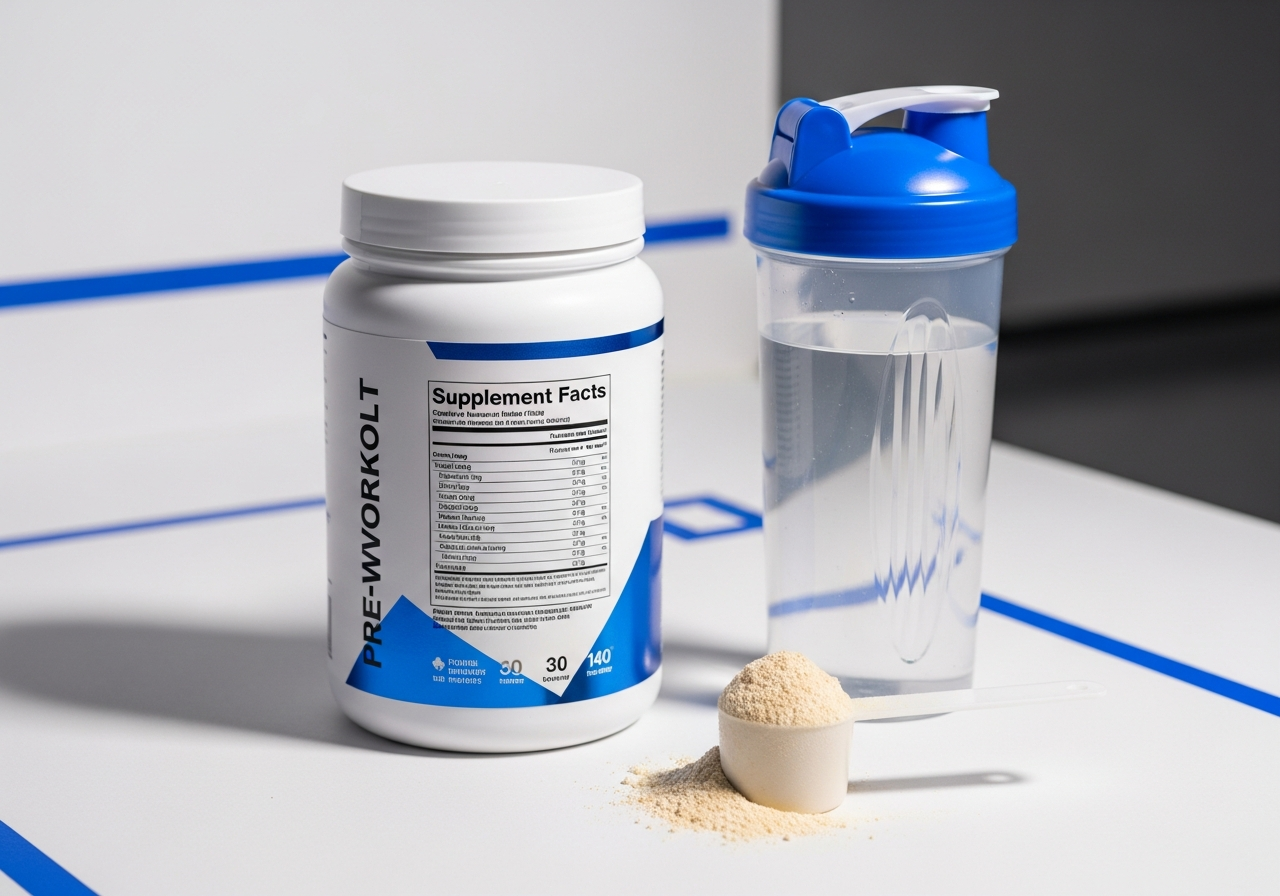
The best way to take creatine nitrate is to follow the label, make sure the formula delivers a meaningful daily creatine amount, and use it consistently. Because creatine nitrate products vary so much, the process matters more than the form.
- Read the Supplement Facts panel closely. Confirm whether the product lists actual grams of creatine nitrate per serving and whether it is a standalone creatine or part of a pre-workout blend.
- Check the daily creatine total. For creatine to work reliably, most adults should aim for a daily intake in the same ballpark as standard creatine practice, which is usually 3-5 g/day of creatine monohydrate equivalent. Some creatine nitrate formulas may underdeliver actual creatine if the serving is small.
- Take it every day, not just on training days, if your goal is creatine saturation. Creatine’s core benefit comes from keeping muscle stores elevated over time.
- If using it as part of a pre-workout, take it 30-60 minutes before training if that timing helps you remember it. Timing is less important than daily consistency.
- Mix it in enough fluid to tolerate it comfortably. Water is fine, and there is no need to dry scoop.
- Track performance for 3-4 weeks. Look for small improvements in reps at a given weight, repeated sprint quality, workload, or gym fullness.
A beginner-friendly routine might look like this:
- Training day: take your labelled serving before training or with a meal.
- Rest day: take the same serving with breakfast or lunch.
- Hydration: drink normally and pay attention to thirst, training volume, and climate.
If the product contains stimulants, beta-alanine, or other pre-workout ingredients, treat the formula as a whole, not just as creatine. For example, if it has a high caffeine load, late-evening use may be a bad idea even if the creatine itself is fine at night. For help building a daily routine, see how to take creatine, when to take creatine, and whether to take creatine on rest days.
The biggest practical mistake is assuming any product with “creatine nitrate” on the front automatically gives a full creatine dose. That is not always true. If the label is vague, move on.
Creatine nitrate dosing by body weight and goal: practical numbers without the hype
Creatine nitrate dosing should be guided by your total daily creatine intake and the product label, not by marketing claims that smaller mystery doses are somehow superior. The challenge is that creatine nitrate products are less standardised than monohydrate powders, so the smartest approach is to anchor your plan to mainstream creatine dosing logic.
For plain creatine monohydrate, the mainstream evidence-based maintenance dose is 3-5 g/day, and an optional loading phase is 20 g/day split into 4 doses for 5-7 days. Those figures come from the larger creatine literature summarised by the ISSN and other evidence reviews. Creatine nitrate does not have enough superior evidence to justify abandoning that framework.
Use this practical guide:
| Body weight / goal | Practical daily target | How to apply it with creatine nitrate |
|---|---|---|
| Under 60 kg, general fitness | About 3 g/day creatine intake | Use a serving that gets you near this range, or choose monohydrate if the label is unclear |
| 60-90 kg, strength or hypertrophy | 3-5 g/day creatine intake | Most adults in this range should not rely on tiny pre-workout doses alone |
| Over 90 kg, large or highly muscular athletes | 5 g/day is often practical | Consistency matters more than chasing exotic forms |
| Want fastest saturation | Loading is optional | Usually easier and cheaper with monohydrate than nitrate blends |
If your creatine nitrate product provides less than a meaningful daily creatine dose, you have three options:
- Use it mainly for pump and pre-workout feel, while accepting that creatine saturation may be suboptimal.
- Pair it with plain monohydrate to ensure total intake reaches the evidence-based range.
- Switch entirely to monohydrate for simpler dosing and lower cost.
This is also where beginners get tripped up. A formula that feels strong in the gym is not necessarily supplying enough creatine to saturate muscle over time. If you are unsure, use our creatine dosage calculator and compare it with our guides on how much creatine per day and maintenance dosing.
In short: do not ask only “how many scoops?” Ask “how many grams of actual creatine am I getting daily?” That is the dosing question that predicts results.
Timing, loading, and results timeline: when creatine nitrate starts to work
Creatine nitrate does not need perfect timing to work, and you should expect any true creatine-related benefits to depend more on daily consistency over weeks than on the exact minute you take it. If you want the short answer: take it when you will remember it, usually before training if it is bundled into a pre-workout.
Timing matters less than saturation because the core ergogenic effect of creatine comes from increasing intramuscular creatine stores. Once stores are elevated, the benefit is ongoing. That is why plain creatine guidance generally says daily use beats obsessive timing. Whether you take it pre-workout, post-workout, or with a meal is usually a minor variable compared with simply not missing doses.
What about loading? A loading phase is optional, not mandatory. With monohydrate, loading at 20 g/day split into 4 servings for 5-7 days saturates muscles faster. Without loading, maintenance dosing of 3-5 g/day usually gets you there in roughly 3-4 weeks. For creatine nitrate specifically, loading is less common in practice because many products are built as once-daily pre-workout servings, not pure creatine loading tools.
Here is a realistic timeline:
- Days 1-7: if you are using a stimulant-containing creatine nitrate pre-workout, you may notice acute workout feel, energy from other ingredients, and possibly a better pump before any true creatine saturation occurs.
- Weeks 2-4: if your total daily creatine intake is adequate, you may notice slightly better repeat performance, an extra rep here and there, fuller muscles, or a small scale increase from intracellular water.
- Weeks 4-8: the meaningful payoff should show up in training quality and cumulative progress, not in a magical overnight transformation.
If you are not noticing anything, first check dose adequacy and consistency before blaming the ingredient. Many “non-responders” are really under-dosed or inconsistent users. You can learn more in how long creatine takes to work, the loading phase guide, and why creatine may not seem to be working.
A final nuance: the pump sensation can happen acutely, but muscle and strength changes are always slower. Do not confuse immediate gym sensation with proof of superior long-term adaptation.
Who creatine nitrate is actually for: beginners, women, older adults, and athletes
Creatine nitrate is best suited to people who already understand creatine basics and specifically want pump-oriented pre-workout support; it is usually not the most logical first creatine for beginners. Monohydrate remains the easier recommendation for most populations because it is simpler, cheaper, and much better studied.
Beginners: If you are brand new to creatine, start with monohydrate. You want a product where dose, expectation, and outcomes are easy to understand. Creatine nitrate adds complexity without adding strong evidence that your results will be better.
Women: Women can absolutely use creatine, and there is no special reason they need creatine nitrate specifically. The fundamentals are the same: creatine supports high-intensity performance and training adaptation, and it does not “bulk” anyone up by itself. If a woman prefers a pre-workout style formula with a better pump feel, nitrate can be fine, but monohydrate is still the evidence-first default. See our guide on creatine for women.
Older adults: Older adults interested in muscle function, training support, or healthy ageing should generally prioritise the form with the strongest safety and efficacy literature, which is monohydrate. The potential pump angle of nitrate is less important than predictable creatine intake.
Strength and team-sport athletes: If your performance depends on repeated high-intensity efforts, creatine in general is relevant, but monohydrate is the form most consistently supported in sport nutrition. The IOC consensus on dietary supplements recognises creatine as one of the few supplements with meaningful evidence for certain athletic contexts. That endorsement does not imply every novel form is equally validated.
Physique lifters chasing pump: This is the group most likely to enjoy creatine nitrate. If your training style values fullness, vascularity, and the pre-workout experience, nitrate may be more compelling than it is for a powerlifter who just wants reliable strength data.
Vegetarians and vegans: People with lower baseline dietary creatine intake often respond well to creatine supplementation in general, but again, the easier recommendation is monohydrate because dose control is cleaner.
So who should choose creatine nitrate? Usually an experienced gym-goer who understands it is a preference-based choice, not a scientifically upgraded form of creatine.
Safety, side effects, and what Canadians should check before buying
Creatine nitrate appears reasonably tolerable for many healthy adults when used as directed, but its safety database is still much smaller than monohydrate’s, so cautious buyers should treat it as less established rather than automatically unsafe. The main practical safety issue is not usually the nitrate itself in isolation; it is the fact that many creatine nitrate products are bundled into aggressive pre-workouts with multiple active ingredients.
Creatine’s common side effects in general are fairly mundane: possible stomach upset, transient water-weight gain, and gastrointestinal issues if the dose is too large or taken poorly. The 2021 JISSN review on creatine misconceptions emphasised that many popular fears around creatine have been overstated, and plain creatine is well-supported as safe for healthy individuals when used appropriately. The Mayo Clinic’s overview is also generally reassuring while acknowledging that people with medical conditions should speak to a clinician first.
With creatine nitrate specifically, pay attention to:
- Total formula load: caffeine, beta-alanine, niacin, and other ingredients may drive side effects more than the creatine nitrate does.
- Digestive tolerance: if you get nausea or stomach upset, reduce serving size, take it with food, or switch forms.
- Hydration and training context: train and hydrate normally, especially in heat.
- Medical considerations: if you have kidney disease, take nitrate-sensitive medications, or have a condition requiring dietary nitrate caution, talk to your clinician first.
For Canadians, the buying checklist matters. Look for:
- A Natural Product Number (NPN): an NPN is the Health Canada identifier that shows a natural health product has been authorised for sale.
- Transparent label dosing: avoid proprietary blends that hide how much creatine nitrate you are actually getting.
- Third-party testing: this adds confidence in identity and contamination control.
- Seller reputation: buy from established retailers or vetted brands, especially when importing is tempting.
If you want a simpler safety profile and easier dose control, monohydrate is still the conservative recommendation. For deeper myth-busting, read creatine myths debunked, is creatine safe?, and our digestion guide.
Common mistakes and myths about creatine nitrate, corrected
The biggest myths about creatine nitrate are that it is automatically more absorbable, that a better pump means better muscle growth, and that any pre-workout dose is enough to saturate muscle creatine stores. None of those claims is established as a blanket fact.
Myth 1: Creatine nitrate is clearly better absorbed than monohydrate.
There is no strong body of real-world evidence showing that creatine nitrate consistently outperforms monohydrate on meaningful outcomes because of superior absorption. Even if a form mixes differently or feels different, the outcome that matters is whether it improves muscle creatine availability and performance better over time. Monohydrate still owns the strongest record there.
Myth 2: A huge pump means the product is building more muscle.
A pump is a short-term swelling sensation linked to blood flow and cellular fluid shifts. It can be motivating, but it is not proof of superior hypertrophy. Many ingredients can amplify pump without outperforming simpler supplements on long-term body composition changes.
Myth 3: You only need creatine nitrate on workout days.
That may be enough if you only care about pre-workout feel, but it is not ideal if you want the classic creatine benefit of saturated muscle stores. Daily consistency is still the better strategy.
Myth 4: Creatine nitrate causes fat gain.
Creatine does not directly cause fat gain. If body weight rises, it is more often from water retained inside muscle cells and, over time, from increased lean mass if training and nutrition support it. See does creatine make you gain weight?
Myth 5: Creatine nitrate replaces monohydrate for everyone.
It does not. Creatine nitrate is more of a preference-based or stack-based option. Monohydrate remains the benchmark because its evidence is broader, longer-term, and easier to apply.
Myth 6: You need to cycle it.
No standard evidence-based reason requires cycling creatine for healthy users. For more on that, see do you need to cycle creatine?
When people say creatine nitrate “works better,” ask what they mean. If they mean “I feel more pumped in the gym,” that is plausible. If they mean “it clearly builds more muscle than monohydrate,” the evidence does not support that conclusion.
How to choose a good creatine nitrate product without overpaying
The best creatine nitrate product is the one with clear dosing, minimal label games, appropriate third-party quality signals, and a use case that actually matches your goal. Most bad buys happen because shoppers chase buzzwords instead of reading the panel.
Start with these questions:
- Is it a standalone creatine nitrate or a pre-workout blend? Standalone products are easier to evaluate. Blends can be fine, but they often hide weak creatine dosing behind flashy branding.
- How much of the ingredient do you get per serving? If the amount is tiny, the product may be relying on marketing rather than physiology.
- What are the other actives? If a product includes large stimulant doses, your “this works” impression may be caffeine, not creatine nitrate.
- Is there an NPN for Canada? This matters for legal sale and label accountability.
- Is there third-party testing or a reputable manufacturer behind it? Clean-label confidence matters more than trend appeal.
Practical red flags include:
- Proprietary blends that hide ingredient amounts
- Claims that it is “many times better” than monohydrate without hard outcome data
- Impossible promises about instant muscle gain
- No NPN or unclear seller information for Canadian buyers
Practical green flags include:
- Transparent grams per serving
- A sensible formula with no unnecessary filler
- Independent testing or strong manufacturing reputation
- A price that makes sense relative to what you are actually getting
If your only goal is to get creatine into your system reliably, creatine nitrate often loses on value. If your goal is a combined pump-and-creatine pre-workout experience, it can make sense. That is the honest buying frame.
For shopping help, compare our best creatine rankings, brand reviews, and where to buy creatine in Canada. If you keep getting drawn to expensive “advanced” forms, also read why monohydrate still wins.
Bottom line: should you buy creatine nitrate?
Yes, you can buy creatine nitrate if you specifically want a pump-oriented creatine product, but no, it is not the best evidence-based default for most people. If your question is “should I choose creatine nitrate or monohydrate?”, the simplest evidence-based answer is still monohydrate for the majority of lifters, athletes, beginners, women, and older adults.
Here is the decision framework in one glance:
- Choose monohydrate if: you want the most studied, most cost-effective, and most reliable creatine for strength, power, muscle support, and long-term daily use.
- Choose creatine nitrate if: you understand the trade-offs, like the pre-workout experience, and want a formula that may improve pump or workout feel.
- Avoid impulse-buying it if: the label is unclear, the creatine dose looks low, or the claims sound dramatically better than monohydrate without evidence.
The central truth has not changed in 2026: the creatine story is still mainly a monohydrate story. Alternative forms, including creatine nitrate, may have a place, but they have to earn that place against a very high bar. At the moment, creatine nitrate looks more like a specialised preference choice than a scientifically superior upgrade.
If you want the easiest next step, do this: first decide whether your top priority is results or pump experience. If it is results, start with monohydrate. If it is pump experience and you still want creatine in the formula, a well-labelled creatine nitrate product can be reasonable.
And if you are still unsure, use our creatine dosage calculator, compare options in the product catalog, and read how to choose the best creatine monohydrate in Canada. That path will save most buyers money, confusion, and false expectations.
Creatine Nitrate at a Glance
- 3-5 g/day Standard creatine maintenance range — Evidence-based benchmark comes from mainstream creatine science, primarily monohydrate research.
- 20 g/day Optional loading dose — Usually split into 4 doses for 5-7 days to saturate stores faster.
- 5-7 days Typical loading timeline — Used when someone wants faster saturation rather than waiting several weeks.
- 3-4 weeks Typical no-loading saturation window — Daily maintenance dosing usually reaches steady benefit over this period.
Frequently Asked Questions
What is creatine nitrate?
Creatine nitrate is a form of creatine in which creatine is bound to a nitrate group. It is marketed as a way to combine creatine’s established high-intensity performance role with nitrate’s potential blood-flow and pump effects, but it is much less studied than creatine monohydrate.
Is creatine nitrate better than monohydrate?
No, creatine nitrate is not proven to be better than creatine monohydrate for muscle gain, strength, or power. Monohydrate still has the strongest evidence base, the clearest dosing, and the best value, while creatine nitrate is mainly a preference-based option for people who want more pre-workout feel or pump.
Does creatine nitrate give you a better pump?
It may give some users a better pump because the nitrate portion can support nitric-oxide-related blood-flow effects. That said, a better pump is an acute training sensation, not proof that creatine nitrate builds more muscle than monohydrate over time.
How much creatine nitrate should you take?
The right dose depends on the label and on how much actual daily creatine the product provides. As a practical benchmark, most adults still want to be in the same general daily creatine intake range used in mainstream creatine science, which is typically 3-5 g/day.
Should you take creatine nitrate every day?
Yes, you should usually take creatine nitrate every day if your goal is the classic creatine effect of saturated muscle stores. Taking it only on workout days may still support pre-workout feel, but it is a less reliable way to get the full long-term benefits associated with creatine supplementation.
When should you take creatine nitrate?
You can take creatine nitrate before training if it is part of your pre-workout routine, but exact timing is not the main factor that determines results. Daily consistency matters more than whether you take it pre-workout, post-workout, or with a meal.
Is creatine nitrate safe?
Creatine nitrate appears reasonably tolerable for many healthy adults when used as directed, but it is less studied than monohydrate. The bigger real-world issue is that many creatine nitrate products are multi-ingredient pre-workouts, so side effects may come from caffeine or other actives rather than the creatine nitrate itself.
Can you stack creatine nitrate with monohydrate?
Yes, you can stack creatine nitrate with monohydrate if you want the pump-oriented pre-workout feel of nitrate while still ensuring a full daily creatine intake. In practice, this is often a smarter approach than relying on a low-dose creatine nitrate pre-workout as your only creatine source.
Does creatine nitrate cause water retention?
Yes, it can contribute to water retention in muscle because it still provides creatine, and creatine increases intracellular water storage. That is not the same thing as fat gain, and for many users it shows up more as muscle fullness than as uncomfortable bloating.
Who should choose creatine nitrate?
Creatine nitrate makes the most sense for experienced gym-goers who specifically value pump, fullness, or the pre-workout experience. Beginners, budget-conscious users, older adults, and most athletes are usually better served by standard creatine monohydrate.