What Does Creatine Taste Like? Flavor, Texture, and Mixing Tips
By The Creatine Canada Research Team — Evidence-based supplement analysts
Creatine usually tastes very mild: unflavoured creatine monohydrate is mostly neutral to slightly chalky, faintly bitter, or mineral-like rather than truly flavourless. What most people notice more than the taste is the texture, because regular creatine powder can feel a bit gritty if it is not fully dispersed or if it settles at the bottom of the glass.
Evidence-based · Cites 4 sources · Editorial standards
Key Takeaways
- Unflavoured creatine is usually close to neutral, but not perfectly flavourless.
- The biggest complaint is grit, not strong taste.
- Micronized creatine generally feels smoother and mixes more easily than standard powder.
- Warm water, more liquid, and a shaker bottle improve mouthfeel fast.
- Flavoured creatine tastes better, but often costs more and adds sweeteners or acids.
- A standard maintenance dose is 3-5 g daily, regardless of taste.
- If creatine tastes sharply sour, rancid, or unusually harsh, check the product quality and storage.
What creatine tastes like, in plain English
Creatine tastes mild, not delicious and not terrible, with unflavoured creatine monohydrate usually coming across as neutral to slightly chalky, faintly bitter, or a little mineral-like. If you are asking what does creatine taste like, the shortest accurate answer is that most plain powders have very little flavour but are not completely invisible on the palate.
That distinction matters because many labels and reviews call creatine “flavourless,” but in real use, flavourless does not mean you taste absolutely nothing. It means the powder has no added flavour system such as fruit acids, sweeteners, or aroma compounds. A scoop in water may still leave a subtle dry, dusty, or slightly bitter finish, especially if some powder remains suspended in the drink.
For most people, the bigger issue is creatine gritty texture, not creatine taste. Creatine monohydrate does not dissolve as completely as sugar or table salt, so some particles can remain in the liquid and settle over time. That is why one glass can taste nearly neutral at the first sip and then feel sandy or chalky near the bottom.
Micronized creatine, which is simply creatine powder processed into smaller particles, often feels smoother in the mouth because the particles disperse more evenly. It does not change the core ingredient, but it can make the drinking experience noticeably better. If texture bothers you, start there, or read our guide on how to mix creatine.
If you choose flavoured creatine, the experience changes completely. Lemon-lime, berry, orange, and blue raspberry versions often taste like a light sports drink, but the underlying creatine can still add a faint dryness or powdery note. So, is creatine flavourless? Unflavoured creatine is best described as low-taste, not no-taste.
For a beginner, the practical takeaway is simple: plain creatine is easy enough to drink for most people, especially when mixed into enough liquid, protein powder, juice, or a flavoured beverage. If you care most about convenience and cost, unflavoured monohydrate is usually the best starting point. If you care most about taste compliance, a well-formulated flavoured powder may be worth the extra price.
Why creatine tastes mild but can feel gritty
Creatine tastes mild because the creatine molecule itself has only a limited sensory profile, but it can feel gritty because creatine monohydrate is not highly soluble in plain water at typical serving temperatures. In other words, the taste is subtle, while the texture can be obvious.
Creatine monohydrate is the most studied, most cost-effective form of creatine, and it remains the reference standard in sports nutrition. The 2017 International Society of Sports Nutrition position stand concluded that creatine monohydrate is the most effective ergogenic nutritional supplement currently available for increasing high-intensity exercise capacity and lean mass when paired with training; that performance evidence is one reason it is so widely used despite its less-than-perfect mixability. See Kreider et al. (2017), ISSN Position Stand.
The reason powder texture matters is physical, not biological. Creatine does not need to dissolve perfectly to work. Once you swallow it, your digestive system still processes it and your muscles can still gradually increase their creatine stores, a process often called saturation, meaning your muscles become more fully stocked with creatine and phosphocreatine. Phosphocreatine is the stored form that helps rapidly regenerate ATP, the body’s immediate energy currency, during short, hard efforts.
So why does one product feel smoother than another? Several factors matter:
- Particle size: micronized powders disperse better and feel less sandy.
- Water temperature: warmer liquid improves dispersion.
- Liquid volume: 250-500 mL usually feels better than a few mouthfuls.
- Time: creatine settles if the drink sits too long.
- Added ingredients: flavoured formulas often include acids, sweeteners, and anti-caking agents that change mouthfeel.
This is also why two people can describe the same creatine differently. One person dry scoops it and says it tastes awful; another stirs it into a full shaker with protein and says it is basically tasteless. Both can be telling the truth because the method changes the experience. If you are trying creatine for the first time, do not judge it from one bad sip mixed poorly in cold water.
For the broader basics, including how creatine works in muscle, see what creatine is and creatine for beginners.
Flavoured vs unflavoured creatine: which actually tastes better and which is smarter to buy?
Flavoured creatine almost always tastes better, but unflavoured creatine is usually the smarter buy if you want flexibility, a simpler ingredient list, and lower cost per gram. The right choice depends less on performance and more on adherence, budget, and what you like to mix it with.
In terms of results, the key point is straightforward: flavour does not make creatine work better. The evidence supports creatine monohydrate itself; added flavours and sweeteners are there to improve the user experience, not muscle uptake. The 2021 JISSN review on common creatine questions and misconceptions reinforces that monohydrate remains the best-supported form, while claims for specialty forms are often more marketing than meaningful advantage. See Antonio et al. (2021).
Here is the practical tradeoff:
| Option | Taste | Texture | Best for | Watch-outs |
|---|---|---|---|---|
| Unflavoured monohydrate | Neutral to slightly chalky | Can be gritty | Mixing into protein, juice, coffee, smoothies | May be unpleasant in plain cold water |
| Flavoured creatine | Usually much more enjoyable | Often smoother-feeling | People who want a stand-alone drink | Higher price, sweeteners, flavour fatigue |
| Micronized unflavoured | Still mild and plain | Typically smoother than regular powder | People who want simplicity with better mouthfeel | Still may settle in water |
Choose unflavoured if you want to add 3-5 g to a shake without changing the taste much. Choose flavoured if you know you will skip plain creatine because you dislike gritty drinks. Adherence matters more than perfection; the best creatine is the one you will consistently take every day.
In Canada, flavoured products also deserve a closer label check. Look for a clear ingredient panel, an NPN, which stands for Natural Product Number on licensed natural health products, and ideally some form of third-party quality testing. If you are comparing options, start with our best creatine rankings, browse the creatine product catalog, or compare individual creatine brand reviews.
If you want the shortest recommendation: beginners who already drink protein shakes should usually buy unflavoured micronized creatine monohydrate first. Beginners who hate plain supplement drinks should consider a flavoured monohydrate they genuinely enjoy.
How to make creatine taste better in 5 simple steps
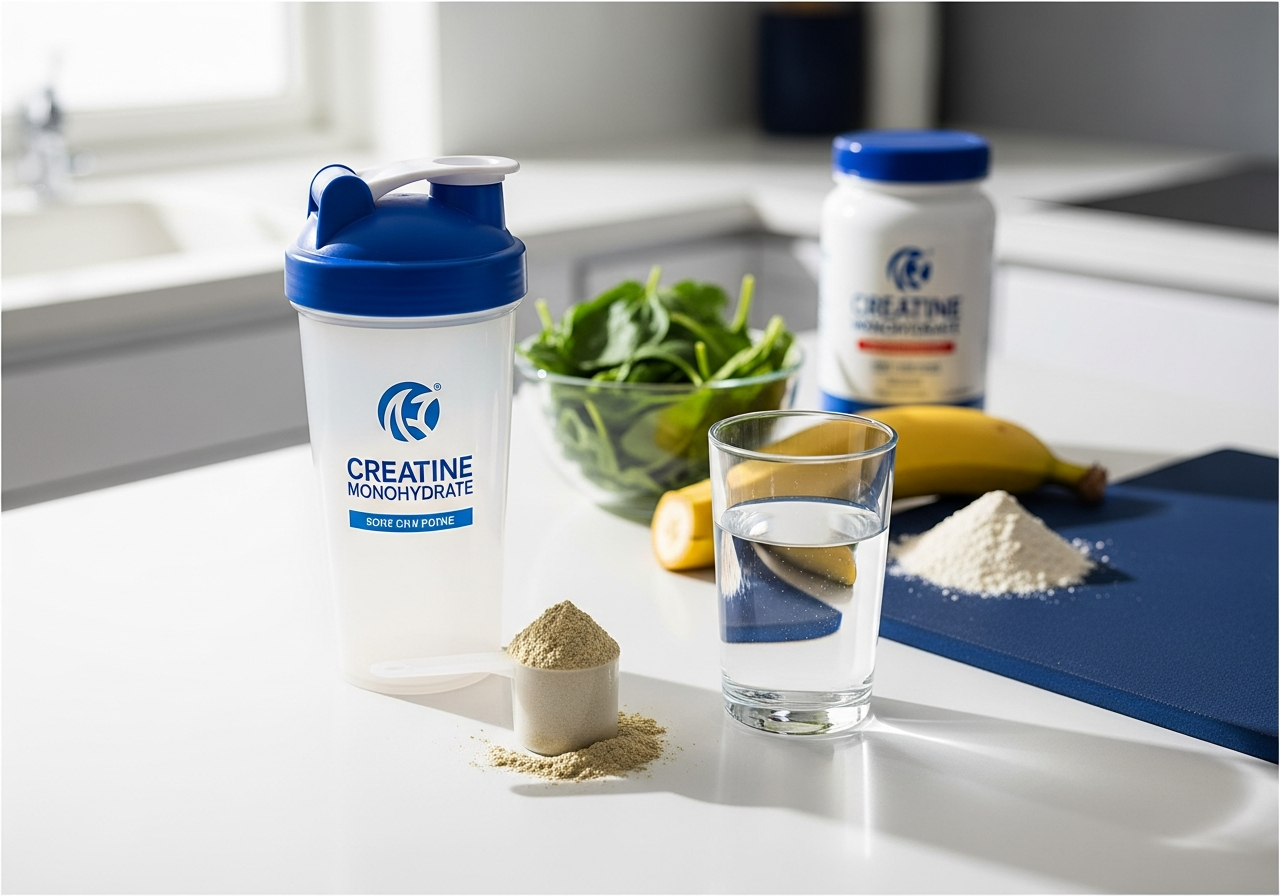
You can make creatine taste and feel much better by using more liquid, warmer fluid, and a better mixing method. If plain creatine tasted rough on your first try, the fix is usually mechanical, not medicinal.
- Measure the right dose. Use 3-5 g for a normal daily maintenance dose. If you are loading, use 20 g per day split into 4 doses of about 5 g for 5-7 days rather than forcing one giant gritty drink. If you need help, use our creatine dosage calculator or read how much creatine per day.
- Use enough liquid. Mix each 3-5 g serving into at least 250-500 mL of water or another drink. Too little liquid makes the texture much more noticeable.
- Try room-temperature or warm water. Warm liquid helps the powder disperse more evenly than ice-cold water. You do not need boiling water; slightly warm is enough.
- Shake, do not just poke with a spoon. A shaker bottle or closed jar works better than a quick stir. Shake for 15-30 seconds, then drink soon after before the powder settles.
- Mask it with a stronger flavour if needed. Protein shakes, diluted juice, electrolyte drinks, or smoothies usually hide the taste almost completely.
Best beginner mixing options, from most neutral to most pleasant, are:
- Water plus ice after shaking in warm water first
- Whey or plant protein shake
- Orange juice or another acidic, sweet drink
- A smoothie with fruit and yogurt or milk alternative
- A flavoured hydration drink
Two mistakes make people think they “hate” creatine: using too little water and letting the drink sit for 10 minutes before finishing it. Creatine that settles to the bottom creates a concentrated chalky last sip that makes the whole serving seem worse than it is.
Dry scooping is another bad idea. It does not improve absorption, it often tastes worse, and it can irritate your mouth or throat. For a full walkthrough, see how to take creatine and dry scooping creatine.
If you want the most reliable “I barely notice it” method, add 5 g unflavoured creatine monohydrate to your regular post-workout protein shake and drink it immediately after shaking.
The best liquids to mix creatine with if you hate the taste
The best liquids for hiding creatine taste are protein shakes, juice, smoothies, and flavoured hydration drinks because they cover both the mild bitterness and the chalky finish. Plain water works, but it exposes the texture and subtle aftertaste more than almost any other option.
If your goal is the least noticeable experience, think in terms of flavour strength and thickness. A thicker, sweeter, or more strongly flavoured drink masks creatine better than thin, plain liquid.
- Protein shake: usually the easiest all-in-one option because the powder base already adds flavour and body.
- Smoothie: excellent for people sensitive to texture because fruit and yogurt or milk alternatives hide grit well.
- Juice: good at masking taste, though some people find the powder still settles if not consumed quickly.
- Electrolyte drink: convenient if you already sip one during training.
- Coffee: possible if you like it, though the taste fit is personal and not everyone enjoys the combo. For more on that, see can you mix creatine with coffee.
One thing people often ask is whether sugar improves creatine absorption enough to matter. In practical terms, no one needs to chase sugary drinks just to make creatine effective. Daily consistency matters far more than the exact liquid, and most adults can simply take 3-5 g per day in whatever beverage helps them stick with it.
If you train early and want a simple routine, mix creatine into your breakfast shake. If you train later, adding it to a post-workout shake is equally reasonable. Timing is not the main driver of results; saturation over days and weeks is. Our guide on when to take creatine covers that in detail.
The Mayo Clinic notes that creatine has been studied for improving strength and exercise performance in repeated short bursts of high-intensity activity, but the supplement is not magic and should be used thoughtfully as part of a broader training and nutrition plan. See Mayo Clinic — Creatine.
If you only want one recommendation: mix 3-5 g unflavoured creatine into a flavoured protein shake or smoothie, use 300-500 mL liquid, shake hard, and drink it right away.
Dose by body weight and goal: taste does not change the dose
The correct creatine dose is based on evidence and practicality, not on how strong the taste seems. For most adults, a maintenance dose of 3-5 g of creatine monohydrate per day is the standard evidence-based range.
If you want the fastest route to full muscle saturation, a classic loading phase is about 20 g per day split into 4 servings of 5 g for 5-7 days, followed by 3-5 g per day. If you prefer to avoid multiple gritty drinks, skip loading and take 3-5 g daily; you will still saturate muscle stores, just more gradually over several weeks.
| Body weight | General goal | Practical daily dose | Notes |
|---|---|---|---|
| Under 60 kg | General fitness, strength, muscle | 3 g/day | Often enough for maintenance |
| 60-90 kg | General fitness, strength, muscle | 3-5 g/day | Most common range |
| Over 90 kg | Strength, muscle, repeated sprint work | 5 g/day | Larger athletes often choose the top of the range |
| Any body weight | Fast saturation | 20 g/day for 5-7 days, split doses | Then 3-5 g/day maintenance |
For beginners, women, older adults, and most recreational lifters, the simplest plan is 3-5 g every day with no cycling and no special timing. Women do not need a “pink” version or a lower dose simply because they are women; dose should follow body size and goal, not marketing. Older adults can use the same evidence-based range, often alongside resistance training, as discussed in creatine for older adults and creatine for women.
If you dislike the taste or mouthfeel, that is another reason to choose the no-loading approach. One 3-5 g serving per day is easier to tolerate than four 5 g servings. But if you are an athlete wanting rapid saturation before a training block, the loading phase remains a legitimate option. More detail: creatine loading phase.
The main point is that taste is a compliance issue, not a dosing issue. Pick the format and drink that help you consistently hit the right amount every day.
When to take it, how fast it works, and what you should actually notice
Creatine timing matters far less than daily consistency, and the first thing you notice is usually not the taste but improved training capacity over time. If you take the right dose regularly, the creatine in your muscles gradually rises until your stores are better saturated.
Without a loading phase, many people need roughly 2-4 weeks of daily use to notice clearer benefits in the gym. With a loading phase, some effects can show up within about a week because muscle stores rise faster. The exact timeline depends on your starting creatine stores, your diet, your training, and whether you respond strongly or modestly.
What you may notice week by week:
- Days 1-7 with loading: some people feel fuller muscles or a small body-weight increase from intracellular water, meaning water stored inside muscle cells rather than body fat.
- Weeks 1-2 without loading: often no dramatic sensation, but consistency is building muscle stores behind the scenes.
- Weeks 2-4: many users start noticing an extra rep, slightly better repeated sprint capacity, or improved quality across hard sets.
- Weeks 4+: benefits are easiest to spot when paired with progressive training.
How can you tell it is working? Look for subtle but repeatable signs: one more rep at the same load, better power on repeated efforts, slightly faster recovery between hard sets, and gradual training progress over weeks. Creatine is not a stimulant, so do not expect a caffeine-like rush, warmth, or immediate “kick.” If you want more on realistic timelines, see how long creatine takes to work.
As for timing, take it when you are most likely to remember it. Pre-workout, post-workout, with breakfast, or with dinner can all work if the total daily dose is consistent. That is why articles on creatine on rest days and missing a day of creatine matter more than obsessing over the perfect minute.
If taste affects adherence, build it into an existing habit. For example, put 5 g in the same shake or drink you already have every day. The best schedule is the one you can repeat for months.
Who should care most about creatine taste: beginners, women, older adults, and athletes
People who are new to supplements usually care more about creatine taste and texture than long-time users, and that is completely reasonable because sensory friction is one of the main reasons beginners quit. The supplement only works if you actually take it.
Beginners should prioritise simplicity. A plain creatine monohydrate powder mixed into a protein shake is usually the least complicated route. If even that feels unpleasant, a flavoured powder or capsules may improve compliance, though capsules often require several pills to reach a full daily dose.
Women often ask whether creatine is “too heavy,” “too chalky,” or likely to cause bloating. The evidence does not support the idea that women need a special lower-taste or lower-dose version; what matters is the same 3-5 g daily range and a product you can tolerate. Practical guidance is in creatine for women.
Older adults may be especially sensitive to mouthfeel if they already dislike powders. In that group, consistency and convenience are crucial. Flavoured options, smaller divided servings, or mixing into yogurt or a shake can help. Older adults using creatine for muscle support still generally rely on the same well-studied monohydrate form, as covered in creatine for older adults.
Athletes in team sports, sprint events, powerlifting, CrossFit, and combat sports often care less about taste and more about practicality around training. They may tolerate plain powder easily if it means lower cost and easy bulk use. However, athletes who need to make weight or travel often may prefer capsules, single-serve sticks, or reliably flavoured products that are easier to use on the go. The International Olympic Committee consensus on supplements recognises creatine as one of the better-supported performance supplements for specific sporting contexts when used appropriately. See IOC consensus on dietary supplements.
Vegetarians and vegans may respond especially well because baseline muscle creatine stores can be lower when dietary creatine intake is low. But again, taste does not change effectiveness. It only changes whether you will keep using it.
The key idea is simple: choose the least annoying format that still gives you a full daily dose. For most people, that means plain or micronized monohydrate first, then adjusting the beverage or format if needed.
When a weird taste is normal, and when it is a product-quality red flag
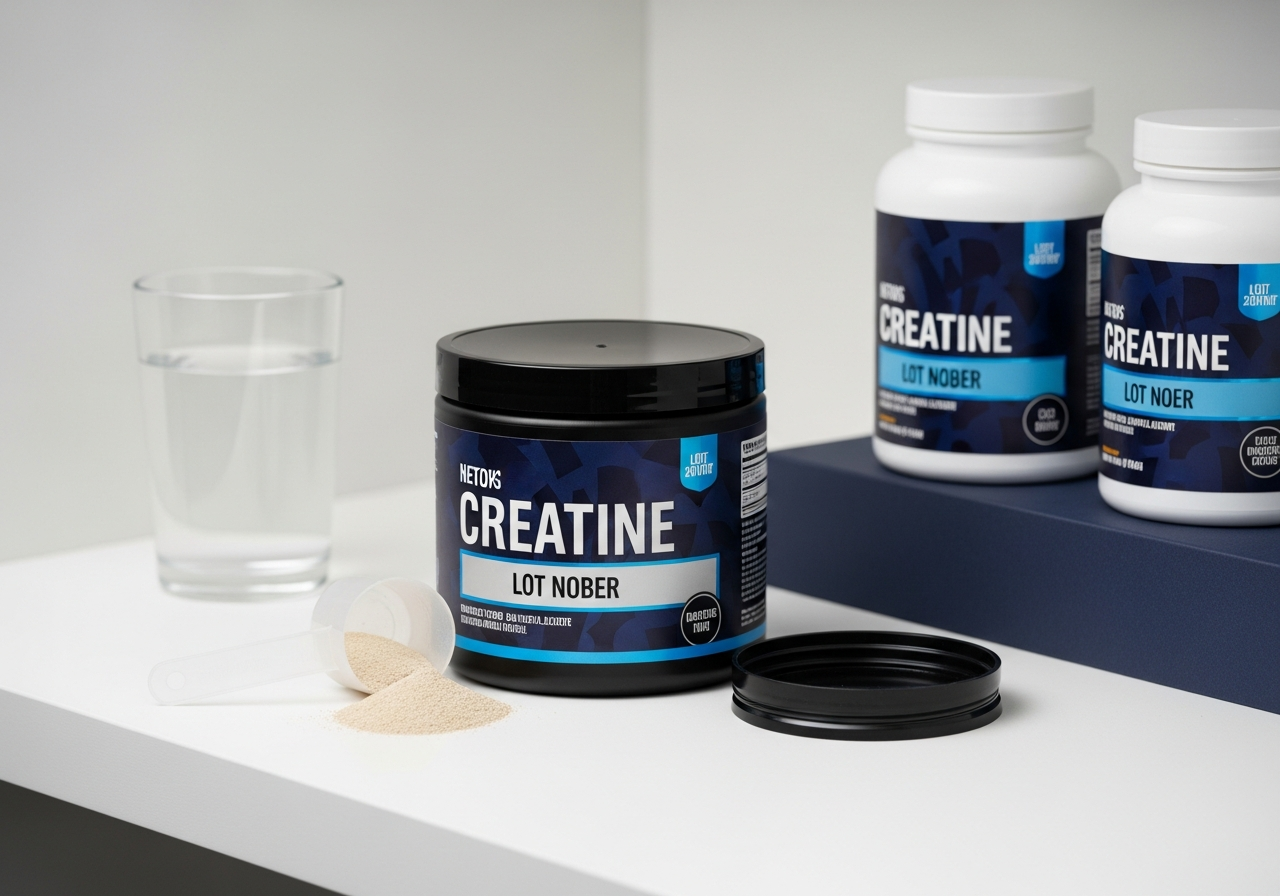
A mild chalky or faintly bitter taste is normal for creatine, but a sharply sour, chemical, rancid, or unusually harsh taste can be a reason to stop and inspect the product. Most legitimate unflavoured creatine monohydrate should taste bland, not offensive.
First, separate normal sensory issues from safety issues. Normal issues include grit, settling, mild bitterness, dryness in the mouth, and a chalky finish. These are mostly about solubility and mouthfeel. Safety concerns are different and may include a damaged seal, moisture clumps from poor storage, an odd smell, visible discolouration, or a taste that seems dramatically different from prior batches.
Common side effects of creatine itself are usually gastrointestinal and dose-related rather than taste-related. Taking too much at once can increase the chance of stomach upset, loose stools, or cramping. Splitting doses during loading or sticking to 3-5 g once daily usually improves tolerance. If digestion is your main issue, see creatine digestive side effects.
Safety-wise, creatine monohydrate remains one of the most researched sports supplements. The ISSN position stand and the 2021 misconceptions review both support its safety for healthy individuals when used appropriately. What matters most is buying a quality product, using evidence-based doses, and checking with a clinician if you have relevant medical concerns. For a full review, read is creatine safe and who should not take creatine.
In Canada, practical quality checks include:
- Look for a clear lot number and expiry or best-before information.
- Check for an NPN on licensed products where applicable.
- Prefer brands that discuss testing and purity openly.
- Store the container tightly sealed in a cool, dry place.
If the powder has absorbed moisture and formed clumps, it is not automatically dangerous, but texture and mixability may worsen. Our guide on does creatine expire covers shelf life and storage in more detail.
Bottom line: bland and gritty is common; harsh and suspicious is not. Trust your senses if a product seems genuinely off.
Creatine taste myths that confuse buyers
Several common myths make people overthink creatine taste, but most of them collapse once you separate flavour from function. The powder does not need to taste good, dissolve perfectly, or feel invisible in water to work well.
Myth 1: “If creatine is gritty, it is low quality.” Not necessarily. Grittiness is common with creatine monohydrate because of its limited solubility in water. Quality still matters, but some settling is normal even in good products.
Myth 2: “If it is truly pure, it should be completely flavourless.” Also false. Pure unflavoured creatine can still have a faint chalky, mineral-like, or slightly bitter note. “Unflavoured” means no added flavour, not zero sensory impression.
Myth 3: “Flavoured creatine is more effective because it tastes better.” No. Taste is about compliance and enjoyment, not superior muscle uptake. Monohydrate remains the evidence-based benchmark, whether flavoured or plain.
Myth 4: “You should dry scoop it to avoid the gritty taste.” Dry scooping usually makes the taste and mouthfeel worse, not better, and adds avoidable irritation and inhalation risk. Proper mixing is the smart move.
Myth 5: “A strong taste means a stronger product.” In reality, strong flavour usually means more flavouring agents, acids, or sweeteners. It says little about the amount of creatine per serving unless you read the label carefully.
Myth 6: “You need fancy forms like HCl because monohydrate tastes bad.” Some specialty forms may feel different in solution, but the evidence still overwhelmingly favours monohydrate for value and research support. For the broader evidence gap between forms, see creatine monohydrate vs HCL and why monohydrate still wins.
If you have been turned off by online reviews, keep perspective. Creatine is one of the least dramatic-tasting supplements in the category. It is rarely “gross” in the way some amino acid or stimulant blends can be. Usually it is just slightly plain and slightly gritty. That is a fixable problem, not a reason to avoid a highly effective supplement altogether.
For more misconception cleanup, visit creatine myths debunked or creatine myths vs. facts.
How to choose a creatine you will actually stick with in Canada
The best creatine to buy is the one that combines proven form, acceptable taste, trustworthy quality, and a price you can sustain for months. For most Canadians, that means creatine monohydrate first, then deciding whether unflavoured, flavoured, micronized, capsules, or gummies best fit your habits.
Use this buying checklist:
- Start with the form. Choose creatine monohydrate unless you have a specific reason not to. It has the strongest evidence base and is typically the best value.
- Choose your sensory preference. If you already drink shakes, buy unflavoured or micronized. If you want a stand-alone drink, consider flavoured. If you hate powders altogether, explore capsules or gummies, keeping an eye on the amount per serving.
- Check the label. In Canada, look for professional labelling and, where relevant, an NPN. A clean label with transparent dosing is a better sign than flashy flavour claims.
- Look for quality signals. Third-party testing, clear sourcing information, and brand transparency matter more than exotic marketing names.
- Compare cost per gram, not just tub price. Flavoured products may cost more for the same amount of creatine.
If taste is your main concern, ask yourself one practical question: will I really drink this every single day? If the answer is no for plain powder in water, then a slightly pricier flavoured or micronized option can still be the better purchase because it improves adherence.
For shopping help, compare our best creatine rankings, explore best creatine monohydrate in Canada, and see buying creatine online in Canada. If you want a broader regulatory primer, our guide on Canadian supplement regulations explains NPNs and what they do and do not guarantee.
A final practical note: do not overspend chasing a perfect taste. Creatine is not a sip-and-savour supplement. It is a daily performance staple. Aim for “easy enough to take consistently,” not luxury beverage quality.
Bottom line: what does creatine taste like, and what should you do next?
Creatine usually tastes mild, with unflavoured creatine monohydrate best described as neutral to slightly chalky, faintly bitter, or mineral-like, while the bigger issue for most people is the gritty texture. If you came here asking what does creatine taste like, the honest answer is that plain creatine is rarely delicious, rarely awful, and very manageable with the right mixing method.
The most practical plan for almost everyone is this:
- Buy creatine monohydrate, ideally micronized if texture bothers you.
- Take 3-5 g daily, or use a loading phase of 20 g per day split into 4 doses for 5-7 days if you want faster saturation.
- Mix it into 250-500 mL of water, a protein shake, juice, or a smoothie.
- Shake well and drink it promptly before it settles.
- Stay consistent for weeks, not days, and judge it by training progress rather than taste alone.
If you dislike plain water mixes, do not force them. Add unflavoured creatine to a flavoured shake, or buy a flavoured monohydrate you genuinely enjoy. The evidence supports creatine monohydrate as the proven ingredient; the delivery format is just the vehicle.
If your product tastes aggressively sour, chemical, or simply “off,” check storage, seal integrity, and brand quality. Otherwise, a little chalkiness is normal. It does not mean the creatine is bad or ineffective.
For your next step, use our creatine dosage calculator, read how to mix creatine, and compare options in the creatine product catalog. If you want one recommendation in a single sentence: buy a reputable creatine monohydrate, take 3-5 g every day, and mix it in the drink you least mind consuming consistently.
Creatine Taste and Mixing: The Numbers That Matter
- 3-5 g/day Standard maintenance dose — The usual evidence-based daily range for most adults.
- 20 g/day Typical loading dose — Usually split into 4 servings of about 5 g for 5-7 days.
- 250-500 mL Helpful liquid volume per serving — Using more fluid usually improves mouthfeel and reduces grit.
- 2-4 weeks Common timeline without loading — Many people notice clearer effects after several weeks of daily use.
Frequently Asked Questions
What does creatine taste like in water?
Creatine in water usually tastes mild and plain, with a slightly chalky, bitter, or mineral-like finish rather than a strong flavour. What stands out more than the taste is often the texture, because some powder can stay suspended or settle at the bottom, especially in cold water or low liquid volume.
Is creatine flavourless?
Creatine is not perfectly flavourless, but unflavoured creatine is usually very low in taste. In practice, “unflavoured” means no added flavouring, not that your mouth detects absolutely nothing, so a faint chalky or dry note is still normal.
Why does creatine feel gritty?
Creatine feels gritty because creatine monohydrate does not fully dissolve in water as easily as highly soluble powders. Smaller particle sizes, more liquid, warmer water, and drinking it soon after shaking can reduce the gritty texture, but some settling is still normal.
Does micronized creatine taste better?
Micronized creatine often feels better even if the core taste is similar, because the finer particles disperse more evenly and create a smoother mouthfeel. It does not magically become flavourful, but it can make the same unflavoured creatine much easier to drink.
Is flavoured creatine better than unflavoured creatine?
Flavoured creatine is better for taste, but not better for effectiveness. If both provide an appropriate dose of creatine monohydrate, results should come from the creatine itself, while the flavoured version mainly improves enjoyment and daily compliance.
Can I mix creatine with juice or protein powder to hide the taste?
Yes, mixing creatine with juice or protein powder is one of the easiest ways to hide the taste and texture. A flavoured, thicker drink usually masks the mild bitterness and chalky finish much better than plain water.
Why does my creatine taste bad?
Creatine can taste bad if it is mixed in too little water, left sitting too long, or taken as a dry scoop. If it tastes sharply sour, rancid, or chemically harsh rather than mildly chalky, inspect the product quality, storage conditions, and seal integrity.
Does creatine taste different from pre-workout?
Yes, creatine usually tastes much milder than pre-workout. Most pre-workouts contain strong flavour systems, acids, caffeine, and sweeteners, while plain creatine monohydrate is comparatively neutral and far less intense.
Can you take creatine if you hate the taste?
Yes, most people who dislike plain creatine can still take it successfully by mixing 3-5 g into a protein shake, smoothie, or flavoured drink. If powder texture is the real problem, micronized creatine or capsules may be easier to stick with.
Should creatine taste sour?
No, plain creatine monohydrate should not taste strongly sour. A mild neutral, chalky, or slightly bitter note is normal, but pronounced sourness may come from added flavouring ingredients or, if the product is unflavoured, may justify checking whether the product is fresh and properly stored.