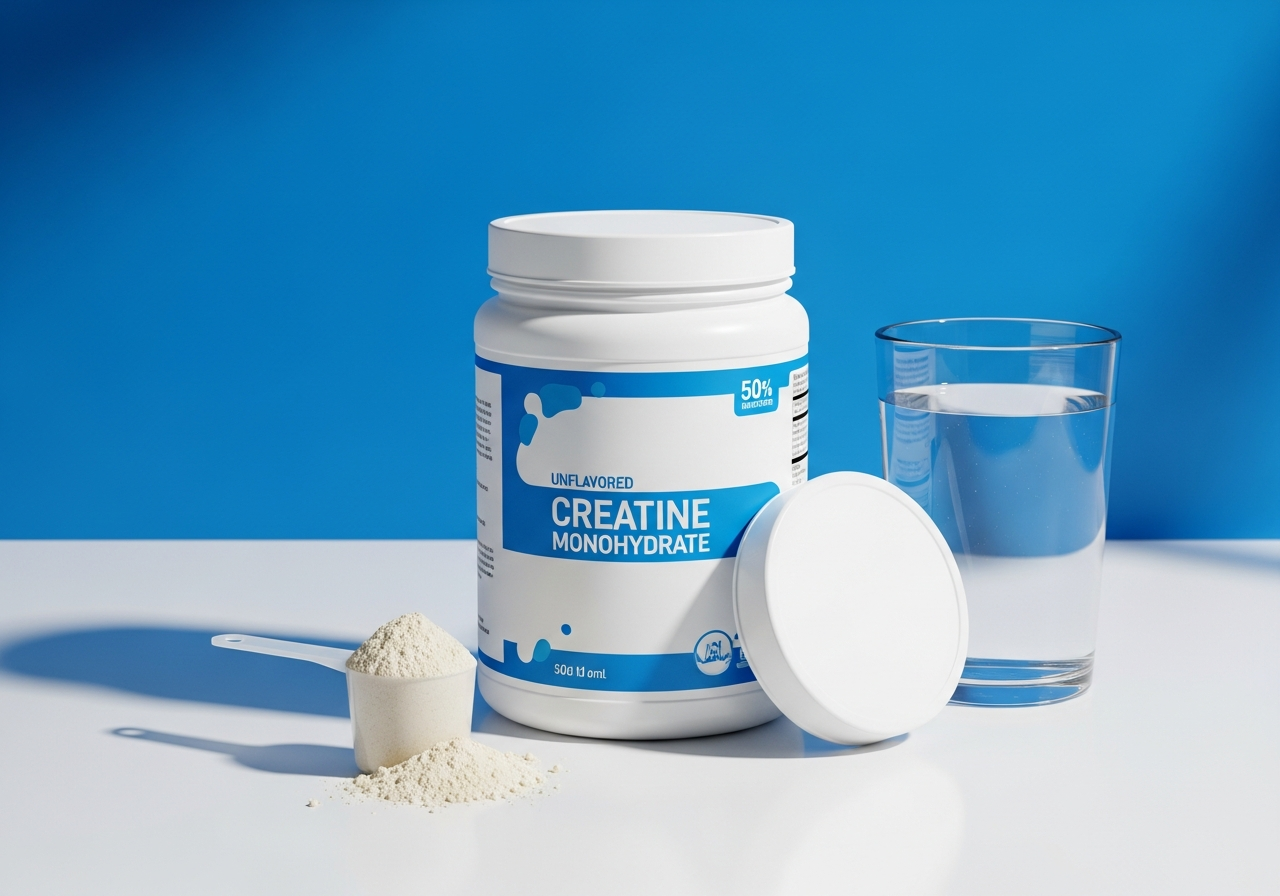
Does Creatine Expire? Shelf Life, Storage, and Safety
By The Creatine Canada Research Team — Evidence-based supplement analysts
Yes, creatine does expire, but expired creatine is usually more of a quality and potency issue than a sudden safety issue when the product has been kept dry, sealed, and free of contamination. In practical terms, creatine monohydrate powder often remains usable past the printed date if it still looks, smells, and mixes normally, while pre-mixed liquid forms and damaged products spoil faster.
Evidence-based · Cites 4 sources · Editorial standards
Key Takeaways
- Creatine can expire, but dry creatine monohydrate usually degrades slowly when stored properly.
- The biggest risk with old creatine powder is reduced potency, not toxicity, if the container stayed clean and dry.
- Throw creatine out if it smells off, has discolouration, shows moisture damage, mould, or insect contamination.
- Pre-mixed liquid creatine and ready-to-drink products are less stable than plain powder.
- Store creatine sealed, cool, dry, and away from steam; a bathroom cabinet is a poor choice.
- Clumping alone does not automatically mean creatine has gone bad, but moisture exposure shortens shelf life.
- If you want the lowest-risk option, replace products after the best-before date and buy smaller tubs you will finish.
Does creatine expire? Yes — but expiration usually means weaker creatine before it means dangerous creatine
Yes, creatine does expire, and the honest answer is that the printed date matters most for quality assurance, not because creatine suddenly becomes unsafe the next day. For plain, dry creatine monohydrate powder, the most common issue after the expiry or best-before date is gradual loss of potency rather than the formation of a harmful substance in a sealed tub.
That distinction matters because people often ask does creatine go bad, can creatine expire, or is expired creatine ok as if there is one simple yes-or-no rule. There is not. A sealed, dry tub of creatine monohydrate stored in a cool cupboard is very different from flavoured creatine left open beside a humid stove, or a ready-to-drink creatine beverage sitting in heat.
Creatine is a naturally occurring compound your body uses to help regenerate ATP, the immediate energy currency for short, hard muscular efforts. In supplement form, creatine monohydrate is the best-studied, most stable, and most cost-effective version, which is one reason it remains the standard recommended by evidence-based sports nutrition. The 2017 ISSN position stand concluded that creatine monohydrate is both effective and well supported for performance and body composition goals.
When people say do creatine expire or can creatine powder expire, what they really mean is: should I still use this tub? The practical answer is:
- Probably yes if it is plain powder, stored well, and shows no signs of contamination or moisture damage.
- Probably no if it smells strange, changed colour, has visible mould, got wet, or is a liquid product long past date.
If your goal is maximum confidence, replace expired creatine. If your goal is avoiding unnecessary waste, inspect it carefully first. For a broader primer on what creatine is and why it works, see what creatine is. If you are shopping for a fresh tub, compare options in our best creatine rankings and creatine product catalog.
Why creatine expires: moisture, heat, acidity, and time slowly turn creatine into creatinine
Creatine expires because it is chemically stable in dry powder form, but not perfectly stable forever, especially when heat, moisture, and acidic liquids are involved. The main reason old creatine becomes less useful is that some creatine can degrade into creatinine, a breakdown product that does not provide the same supplementation benefit.
This is the mechanism behind most shelf-life questions. Creatine monohydrate powder is relatively stable when it stays dry in the container. Problems increase when you add water, leave the lid loose, expose the powder to steam, or mix creatine into acidic drinks and let it sit for long periods. In solution, especially warm or acidic solution, creatine is less stable than it is as a dry powder.
That is also why plain powder generally keeps better than:
- liquid creatine
- ready-to-drink formulas
- gummies with added moisture
- flavoured blends containing more reactive ingredients
The 2021 JISSN review on common questions and misconceptions about creatine notes that creatine monohydrate remains the reference form because it is the most studied and reliable. Stability is one practical reason that matters in the real world: simple monohydrate powder is harder to ruin than trendier formats.
If you are wondering can creatine powder go bad or does creatine powder go bad, the science-based answer is yes, but usually gradually. Dry powder does not behave like milk. It does not typically become dangerous overnight. Instead, it can become less effective over time or deteriorate faster if storage conditions are poor.
There is another important nuance: the expiry date on the label reflects the manufacturer’s guaranteed quality window under expected storage conditions, not a magical line where the chemistry changes instantly at midnight. Manufacturers set dates conservatively because they are responsible for labelled potency and product quality until that date.
In short, the science says shelf life depends on form and storage. Powder lasts longest. Moisture speeds degradation. Liquids are less forgiving. And if you mix creatine into a drink, it is best to drink it rather than leave it sitting all day. For mixing best practices, our guide on how to mix creatine covers the practical details.
Shelf life by format: powder, capsules, gummies, and liquids do not age the same way
Creatine shelf life depends heavily on the format, and plain monohydrate powder is usually the most stable choice. If your question is can creatine pills expire or can creatine powder expire, the answer is yes to both, but powders, capsules, and liquids age differently.
| Creatine form | Typical stability outlook | Main risk factors | Practical advice |
|---|---|---|---|
| Creatine monohydrate powder | Usually the most stable form when kept dry and sealed | Humidity, wet scoops, heat, open lid | Best choice for long shelf life and value |
| Capsules or pills | Often stable if blistered or well bottled | Moisture, heat, capsule shell degradation | Check for sticking, odour, or damaged capsules |
| Gummies or chewables | Moderate stability; texture can change first | Heat, moisture, ingredient breakdown | Watch for sweating, hardening, or odd smell |
| Flavoured powder blends | Variable stability depending on additives | Humidity, flavouring degradation, clumping | Inspect more carefully than plain monohydrate |
| Liquid creatine / RTD | Least stable once manufactured or opened | Heat, solution instability, microbial spoilage after opening | Follow label closely and do not use long-expired products |
This is why the safest general recommendation for long-term storage is simple creatine monohydrate powder. It has fewer ingredients, less moisture, and a better track record than heavily flavoured or liquid forms. If you are deciding which type to buy next, see best type of creatine and creatine powder vs capsules.
For common search questions:
- Can creatine pills expire? Yes. The creatine and the capsule materials both have shelf-life limits.
- Can creatine powder go bad? Yes, but plain powder usually degrades slowly if kept dry.
- Can creatine be expired? Yes. Expired just means it is past the manufacturer’s labelled date.
- Can creatine go bad if left open? Yes. Leaving it open raises moisture exposure and speeds quality loss.
If you want the longest-lasting format with the best evidence behind it, creatine monohydrate still wins on stability, price, and research support. That is one reason it remains the default recommendation in both sports nutrition practice and evidence summaries such as Examine’s creatine review.
How to tell whether expired creatine is still usable: a 6-step inspection you can do in two minutes
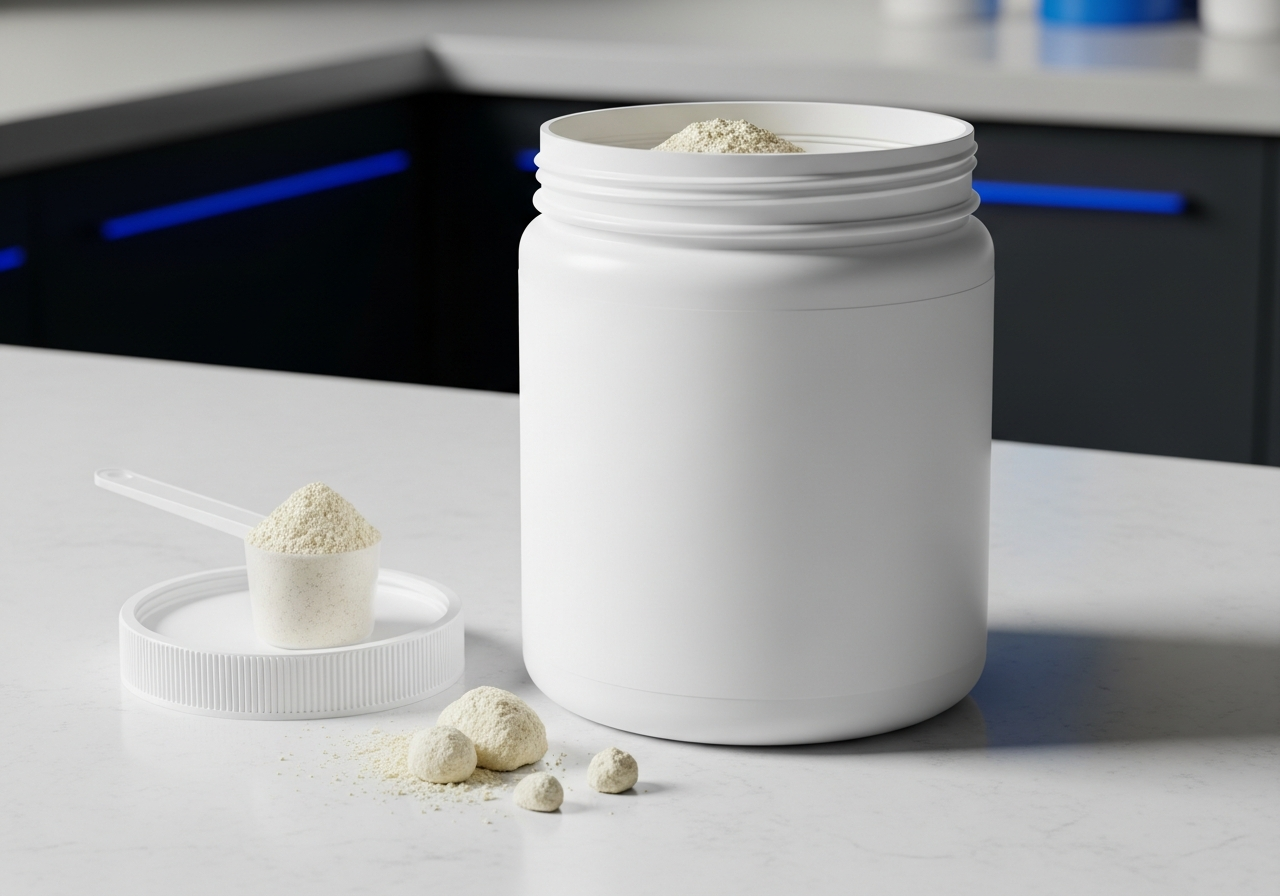
You can often tell whether creatine is still usable by checking the date, packaging, smell, appearance, texture, and storage history before you take it. If you are asking can I still take expired creatine or can I consume expired creatine powder, this is the most practical process to follow.
- Check the form. Plain monohydrate powder gets the most benefit of the doubt. Liquids and ready-to-drink products get the least.
- Check how far past date it is. Slightly past best-before is different from many years old, especially for opened products.
- Inspect the container. Avoid tubs with cracked seals, warped lids, leaks, or obvious water exposure.
- Look at the powder. Fine powder or minor clumping can be normal. Reject it if you see discolouration, fuzzy growth, webbing, insects, or unusual wet chunks.
- Smell it. Plain creatine should have little to no smell. Sour, musty, rancid, or otherwise unusual odours are a bad sign.
- Think about where it was stored. A cool pantry is fine. A hot car, garage, or humid bathroom is not.
Clumping deserves special mention because many people assume clumps mean the creatine is ruined. Clumping usually means the powder has absorbed some moisture from the air, which can shorten shelf life, but clumping alone does not prove contamination or make the product unsafe. Break the clumps apart and inspect them. If they are dry, white, and odourless, the product may still be usable. If they are damp, yellowed, or smell off, discard it.
The simplest rule is this: if expired creatine still looks normal, smells normal, and stayed dry, it is more likely to be merely less potent than harmful; if anything about it seems contaminated or spoiled, do not use it.
This matters even more for beginners who may not know what normal creatine looks like. If you are new, our creatine for beginners guide explains what to expect from a fresh tub and how to use it correctly. And if you are unsure whether a lumped product is a storage issue or a mixing issue, our mixing guide can help you tell the difference.
Is expired creatine safe to take? Usually not dangerous if dry and uncontaminated, but there are clear no-go cases
Expired creatine is often still safe enough in practice when it is plain dry powder that has been stored properly, but expired creatine is not automatically safe in every case. If you are asking can expired creatine make you sick or can I take creatine that is expired, the key issue is contamination and product condition, not the date alone.
Here is the balanced answer most people need:
- Likely low risk: plain creatine monohydrate powder, slightly past date, kept sealed, dry, cool, and visibly normal.
- Higher risk: products exposed to moisture, stored hot, mixed in liquid, or containing many added ingredients.
- Do not use: anything with mould, insects, dampness, odd smell, obvious spoilage, or packaging damage.
There is no strong evidence that slightly expired, properly stored creatine monohydrate turns into a dangerous compound that predictably makes healthy adults sick. More commonly, it simply becomes less reliable. That said, food-safety common sense still applies. Once moisture and contamination enter the picture, you are not judging creatine chemistry alone anymore; you are judging whether a supplement product has become unsanitary.
What happens if you take expired creatine powder? In the best-case scenario, nothing noticeable happens except it works a little less well. In the worst-case realistic scenario, if it was contaminated or spoiled, you could experience stomach upset, nausea, or simply consume a product that no longer meets quality expectations.
Can I still use expired creatine? You can choose to if the product passes inspection and the only issue is being past date, but the conservative recommendation is to replace it, especially if you compete, are medically cautious, or simply want guaranteed potency.
Mayo Clinic’s overview notes that creatine appears to be safe for many people when used appropriately, but that does not override common-sense product quality issues like contamination or spoilage. If you have kidney disease, are pregnant, or have another medical reason to be cautious with supplements generally, use our stricter rule: do not gamble on expired product. See is creatine safe and who should not take creatine for that context.
How to store creatine so it lasts: cool, dry, sealed, and away from steam
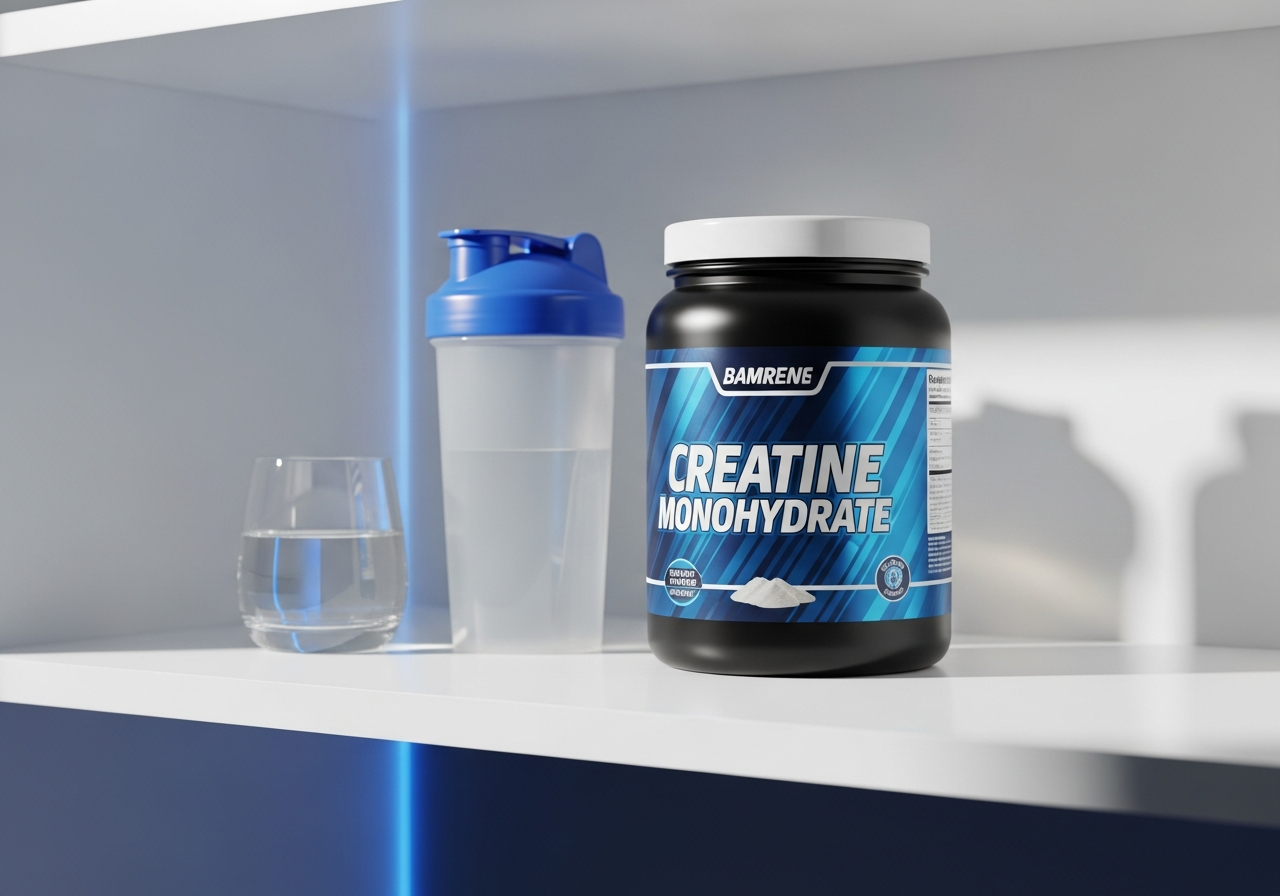
The best way to store creatine is in its original sealed container, in a cool, dry cupboard, with the lid tightly closed and the scoop kept dry. Good storage is the difference between creatine that lasts well and creatine that clumps, degrades, or becomes questionable long before the printed date.
If your question is can creatine go bad if left open, the answer is yes, because open containers let in humidity. Moisture is the biggest day-to-day enemy of powdered creatine. Steam from kettles, dishwashers, or showers can slowly affect the powder even if you do not spill water directly into it.
Follow these practical storage rules:
- Keep the original container. It is designed to protect the product and preserve the lot and date information.
- Close the lid immediately after scooping. Do not leave the tub open while you finish your shake.
- Use a dry scoop every time. A wet scoop introduces moisture directly into the powder.
- Store it in a pantry or cabinet, not the bathroom. Bathrooms are humid and temperature-variable.
- Avoid the fridge unless condensation is impossible. Fridges can create moisture exposure when containers warm up after removal.
- Do not store it in a hot car, garage, or windowsill. Heat and temperature swings are unnecessary stressors.
Can I store creatine in the fridge? You can, but it is usually not the best choice. Refrigeration is not needed for dry creatine powder, and repeated movement from cold to room temperature can increase condensation risk. A stable room-temperature cupboard is usually better.
If you buy in Canada, another practical tip is to check for a Natural Product Number, or NPN, on regulated supplement labels where applicable. An NPN is a Health Canada-issued licence number for natural health products sold in Canada, and it helps confirm the product has gone through the proper regulatory pathway. That does not guarantee indefinite shelf life, but it does improve confidence in labelling and manufacturing standards. For buying help, see Canadian supplement regulations, buying creatine online in Canada, and our creatine brand reviews.
What about creatine mixed in water, juice, coffee, or protein shakes?
Creatine is best consumed soon after mixing, because creatine dissolved in liquid is less stable than dry creatine powder in the tub. If you are wondering can I drink expired creatine or whether yesterday’s mixed shaker is still fine, the cautious answer is no: do not treat old mixed creatine drinks the same way you would treat dry powder.
Once creatine sits in water or another liquid, two separate issues matter:
- Chemical stability: dissolved creatine can slowly break down over time, especially in acidic or warm liquids.
- Food safety: if the drink contains protein, carbs, milk, or was left at room temperature, the spoilage risk is no longer just about creatine.
That is why there is a difference between these scenarios:
- Creatine mixed into plain water and forgotten for a short period: mostly a potency issue.
- Creatine mixed into juice, a pre-workout, or protein shake and left for many hours: now both potency and spoilage matter.
- Ready-to-drink liquid creatine products past date: less forgiving than dry powder and not worth guessing on.
For daily use, the simplest habit is to scoop, mix, drink, and rinse the shaker. If you need to prep ahead, keeping a dry scoop portion in a small container is smarter than letting creatine sit dissolved all day.
This also answers a common hidden version of the expiry question: people often assume heat ruins creatine instantly. In reality, warm liquids are more of a stability concern over time than an instant destroyer. If you mix creatine into coffee and drink it, that is generally different from mixing it into hot liquid and leaving it there for hours. For more on this, see can you mix creatine with coffee and creatine with protein powder.
If you want the least fuss and the lowest chance of waste, use plain monohydrate, keep it dry, and mix only what you plan to drink right away.
Who should be more cautious with expired creatine: beginners, athletes, older adults, and anyone medically cautious
Some people should be more conservative about expired creatine than others, even when the product probably is not dangerous. If you rely on creatine for consistent training results, competition preparation, or you have health reasons to avoid uncertainty, replacing old product is the better call.
Beginners should usually skip the guesswork and start with a fresh tub. New users already have enough to learn about dose, timing, and expectations. Using a stale or questionable product makes it harder to know whether creatine is working. If that is you, start with how to take creatine and how much creatine per day.
Competitive athletes should be especially strict. The International Olympic Committee consensus on supplements emphasizes quality assurance and contamination risk in sports supplements. Even if expiry mostly affects potency, athletes have good reason to prefer in-date products from reputable brands with strong manufacturing and, ideally, third-party testing. See the IOC consensus on dietary supplements for the broader quality-control context.
Women, older adults, and vegetarians do not need a different rule because of sex or diet alone, but they may be using creatine for a more intentional health or performance reason and may not want compromised potency. For example, older adults taking creatine alongside resistance training for muscle function are better served by fresh, reliable dosing than by uncertain leftovers.
People with kidney disease, complex medical conditions, or pregnancy concerns should avoid expired supplements altogether and review creatine use with a qualified clinician. The issue is not that expired creatine is known to be uniquely harmful in these groups; it is that uncertainty adds no upside.
In other words, if you are healthy, cost-conscious, and have a slightly expired tub of dry monohydrate that looks perfect, you may reasonably decide to use it. If you need certainty, traceability, and maximum consistency, replace it. That is the cleanest risk-benefit framework.
If you replace it, here is how to use fresh creatine properly so you actually notice the benefit
If you decide not to use expired creatine, the next step is simple: replace it with plain creatine monohydrate and use an evidence-based dose every day. Correct dosing matters more for results than fancy timing, and it also helps you tell whether your old product had lost potency.
The standard evidence-based approach is:
- Maintenance-only: 3 to 5 g per day.
- Optional loading phase: about 20 g per day split into 4 doses for 5 to 7 days, then 3 to 5 g per day.
These are the mainstream dosing ranges supported across sports nutrition guidance and reviews, including the ISSN position stand. You do not need to cycle creatine, and you do not need to time it perfectly around workouts for it to work.
| Body weight | Simple daily maintenance | Who this suits |
|---|---|---|
| Under 60 kg | 3 g/day | Smaller adults, cautious starters |
| 60-90 kg | 3-5 g/day | Most adults training for strength or muscle |
| Over 90 kg | 5 g/day | Larger athletes wanting a simple plan |
What to expect with fresh creatine:
- With loading: many people notice training benefits within about 1 week.
- Without loading: it often takes about 3 to 4 weeks of daily use to fully saturate muscle stores.
- Early body-weight change: some users gain about 1 to 2 kg of water weight over the first 1 to 2 weeks, especially with loading.
Those numbers are typical, not guaranteed, and individual response varies. If you want a personalised estimate, use our creatine dosage calculator. For deeper guidance, see creatine loading phase, maintenance dose, and how long creatine takes to work.
If your old creatine seemed to do nothing but a new in-date tub plus consistent dosing improves training performance, that is a practical sign the old product may have lost some effectiveness.
Common expiry myths and mistakes: clumps do not always mean bad, and the fridge is not a magic fix
Most creatine expiry mistakes come from treating all supplement forms the same or assuming any small change means the product is ruined. The reality is more nuanced, and a few myths keep confusing buyers.
Myth 1: Clumpy creatine is automatically bad. Not necessarily. Clumping usually means moisture exposure, which is not ideal, but dry clumps without odour or discolouration do not prove spoilage.
Myth 2: Expired creatine becomes toxic. There is no strong evidence that plain creatine monohydrate powder predictably turns toxic just because it passed the printed date. The more realistic concern is reduced potency or contamination from poor storage.
Myth 3: The fridge always helps. Usually false for dry powder. Refrigeration is unnecessary and can increase condensation risk when the container moves between cold and room temperature.
Myth 4: If it dissolves poorly, it must be expired. Not true. Creatine monohydrate is not highly soluble to begin with, especially in cooler water. Poor mixing can be normal and is not a stand-alone spoilage sign.
Myth 5: Flavoured products keep just as well as plain monohydrate. Not always. More ingredients can mean more ways for texture, flavour, and quality to drift over time.
The biggest real-world mistakes are simple:
- using a wet scoop
- storing the tub in a humid bathroom
- leaving the lid loose
- buying oversized containers you will not finish
- assuming ready-to-drink creatine has the same shelf resilience as powder
If this page is helping you separate fact from forum nonsense, you will probably also like creatine myths debunked and creatine myths vs facts. Expiry questions sit right at the intersection of chemistry, storage, and internet misinformation, so the simplest rule remains the best one: inspect the product, judge the format, and do not use anything that looks contaminated or spoiled.
How to buy creatine so it does not expire on you in the first place
The easiest way to avoid expired creatine is to buy the right form, the right tub size, and the right brand for how consistently you will use it. Most waste happens because people buy too much, choose gimmicky formats, or store supplements badly.
Use this simple buying checklist:
- Choose creatine monohydrate. It is the most studied, most stable, and usually the best value.
- Buy a realistic container size. A smaller tub you finish is better than a bargain mega-tub that sits for years.
- Check the date before purchase. This matters even more on discount or clearance stock.
- Prefer reputable brands. Look for clear lot numbers, sealed packaging, and transparent labelling.
- In Canada, check for an NPN where applicable. It is one useful quality signal on regulated products.
- Consider third-party testing for sport. Especially important for drug-tested athletes.
If you use 5 g per day, a product with about 300 g lasts roughly 60 days, and a 500 g tub lasts about 100 days. That is a practical way to right-size your purchase. If you only plan to use 3 g per day or you are just starting, avoid overbuying. A container that will last half a year in a humid kitchen is not always the best bargain.
This is also where format matters financially. Capsules can be convenient but often cost more per gram. Gummies and liquids may be less shelf-efficient. Plain powder gives you the longest runway with the fewest stability concerns.
If you are shopping now, compare current options in our best creatine rankings, browse the product catalog, and read brand reviews. If you want a Canadian-specific framework for buying safely and legally, see where to buy creatine in Canada and Canadian supplement regulations.
Buying smarter solves most expiry questions before they start.
Bottom line: when to keep expired creatine, when to toss it, and the safest default
Creatine does expire, but for dry creatine monohydrate powder, expiry usually means possible loss of potency before it means a serious safety issue. If you are healthy, the powder is plain monohydrate, the container stayed dry and sealed, and the product still looks and smells normal, it may still be usable. If it is wet, discoloured, smelly, contaminated, or a liquid product past date, throw it out.
Here is the decision rule in one quick checklist:
- Use with reasonable confidence: dry monohydrate, slightly past date, clean appearance, neutral smell, good storage history.
- Use caution or replace: heavily clumped, long past date, flavoured blend, unknown storage conditions, damaged seal.
- Discard immediately: mould, dampness, insects, foul odour, odd colour, old mixed liquid drink, or expired ready-to-drink creatine.
If you want the safest default answer to can I take expired creatine, it is this: replace it if you can afford to, inspect it carefully if you cannot, and never use a product that shows signs of contamination.
And if you are going to replace it, keep it simple: buy a reputable creatine monohydrate product, store it in a cool dry cupboard, take 3 to 5 g per day, and be consistent. For most people, that is the most evidence-based and least complicated path to better results.
For next steps, our most useful follow-ups are how to take creatine, is creatine safe, how much creatine per day, and best creatine monohydrate in Canada.
Creatine Expiry: The Numbers That Matter
- 3-5 g/day standard maintenance dose — The usual evidence-based daily amount for most adults using fresh creatine monohydrate.
- 20 g/day common loading amount — Typically split into 4 doses for 5-7 days before dropping to maintenance.
- 5-7 days typical loading timeline — Often enough to saturate muscle creatine stores more quickly.
- 3-4 weeks typical no-loading timeline — How long daily creatine often takes to fully saturate muscles without a loading phase.
Frequently Asked Questions
Does creatine expire after opening?
Yes, creatine can expire after opening, and opening the tub usually shortens the practical shelf life because the powder is exposed to air and humidity. Plain creatine monohydrate still tends to hold up well if you keep the lid tightly closed, use a dry scoop, and store it in a cool, dry place.
Can I take expired creatine powder?
Yes, you may be able to take expired creatine powder if it is plain monohydrate, has been stored properly, and shows no signs of contamination or spoilage. The main concern is usually reduced potency, not immediate danger, but you should discard it if it smells off, looks discoloured, or got damp.
Can expired creatine make you sick?
Expired creatine can make you sick if the product became contaminated, damp, mouldy, or otherwise spoiled, but the date alone is not usually the reason. Dry, clean creatine monohydrate that is simply past date is more likely to be weaker than harmful.
What happens if you take expired creatine powder?
What usually happens if you take expired creatine powder is either nothing noticeable or less benefit than expected. If the powder was contaminated or spoiled rather than merely old, you could experience stomach upset or consume a product that no longer meets normal quality standards.
Can creatine go bad if left open?
Yes, creatine can go bad faster if left open because humidity and air exposure increase the chance of clumping, degradation, and contamination. Leaving the lid open near kitchen steam or in a bathroom is especially unhelpful for shelf life.
Can I still use clumpy creatine?
Yes, you can sometimes still use clumpy creatine if the clumps are dry, the powder is still white and odourless, and there are no signs of mould or damp spoilage. Clumping often means moisture exposure, so inspect it carefully and replace it if anything seems off.
Can creatine pills expire?
Yes, creatine pills and capsules can expire just like powder can. In addition to the creatine itself, the capsule shell or tablet binders can also degrade over time, especially with heat and moisture exposure.
Can I store creatine in the fridge?
You can store creatine in the fridge, but it is usually not necessary and often not ideal for dry powder. A cool, dry cupboard is generally better because moving a cold container into warmer air can create condensation, which is exactly what you want to avoid.
Does creatine powder go bad in water?
Yes, creatine powder is less stable once mixed into water than it is in dry form in the tub. It is best to drink mixed creatine fairly soon after preparing it, especially if the liquid is warm, acidic, or contains other ingredients like protein or juice.
Is expired creatine ok to drink in a shake?
Expired creatine may be ok in a shake only if the powder itself is still clean, dry, and normal-looking before you mix it. If the creatine is already questionable, or if the shake has been sitting for hours, the safer option is to throw it out and make a fresh one.