Creatine and Depression: What the Research Shows
By The Creatine Canada Research Team — Evidence-based supplement analysts
Creatine and depression is an active research topic, but the evidence does not show that creatine is a proven stand-alone treatment for depression. Early adjunct studies, typically using 3-10 g/day alongside standard care, suggest creatine may help some people with mood symptoms through brain energy pathways, but findings are still limited, mixed, and not strong enough to replace professional care.
Evidence-based · Cites 4 sources · Editorial standards
Key Takeaways
- Creatine for depression is best understood as an early-stage adjunct research area, not an established treatment.
- Most depression-related trials used creatine monohydrate at roughly 3-10 g/day alongside medication or usual care.
- The main scientific rationale is brain bioenergetics: creatine helps recycle ATP, the cell’s immediate energy currency.
- Some small studies reported mood improvements, but results are not consistent enough to recommend creatine as a substitute for therapy or antidepressants.
- Never start, stop, or change antidepressant medication because of a supplement without speaking to a healthcare provider.
- If a clinician says creatine is appropriate, monohydrate is the most studied, most evidence-based, and usually the most cost-effective form.
- In Canada, look for a product with an NPN and preferably third-party testing when evaluating supplement quality.
Does creatine help depression? The direct answer, with the right caveats
Creatine and depression research is promising but still preliminary, so the best current answer is that creatine may help some people as an adjunct to standard care, but it is not a proven primary treatment for depression. That distinction matters because most of the human research has examined creatine alongside antidepressants or usual treatment, not instead of them.
Creatine is a naturally occurring compound stored in muscles and the brain, where it helps regenerate ATP, short for adenosine triphosphate, the body’s immediate energy molecule. Because depression has been linked in some research to altered brain energy metabolism, investigators have asked whether improving cellular energy buffering could support mood in certain patients. That is the core of the brain bioenergetics hypothesis behind creatine mood research.
The evidence base, however, is still small. Published creatine antidepressant studies include pilot trials, adjunct trials, and observational work on dietary creatine intake. Some report meaningful symptom improvements, while others are harder to interpret because of small sample sizes, specific populations, short follow-up, or lack of replication. In practical terms, that means creatine mental health research is interesting enough to follow closely, but not mature enough to justify broad treatment claims.
If you came here looking for a yes-or-no answer, here it is in one sentence: creatine for depression is not established medical treatment, but early studies suggest it could be a useful adjunct in some contexts under professional guidance.
That conservative framing is especially important because depression is a serious medical condition, and supplements can create false confidence when symptoms need prompt clinical attention. If you want the broader overview first, see our creatine-for-mood overview; this page is the deeper research companion. If you are new to creatine generally, also read what creatine is and what it does and our guide to creatine and the brain.
Medical disclaimer: This guide is an evidence review, not medical advice. Depression should be assessed and treated by a qualified healthcare professional. Do not use creatine as a substitute for therapy, antidepressant medication, crisis care, or other recommended treatment, and never change medication because of a supplement without speaking to your prescriber.
Why scientists think creatine could affect mood: brain energy first, neurotransmitters second
The main reason researchers study creatine and depression is that creatine supports brain energy metabolism, not because it is a classic serotonin supplement. Creatine helps maintain phosphocreatine, a stored high-energy phosphate compound that rapidly donates phosphate to regenerate ATP when energy demand rises. In simple terms, it acts like a short-burst energy buffer for cells, including brain cells.
This matters because the brain is metabolically expensive tissue. Neurons constantly spend ATP to maintain ion gradients, fire signals, recycle neurotransmitters, and support plasticity. If energy handling is impaired, those processes may become less efficient. The bioenergetics hypothesis proposes that, in at least some people with mood disorders, low or dysregulated brain energy availability may contribute to symptoms such as low drive, cognitive slowing, and reduced stress resilience.
Where does creatine serotonin fit in? Serotonin is one of several neurotransmitter systems implicated in depression, but creatine is not best understood as a direct serotonin booster. Instead, the theory is more indirect: better cellular energy availability may support normal neurotransmission, signalling efficiency, and brain network function. Some researchers also discuss possible interactions with glutamate systems, mitochondrial function, oxidative stress, and neuroprotection, but those mechanisms remain less certain in humans.
A useful way to think about the evidence is this: creatine’s clearest, best-established role is energy buffering, and its possible mood effects likely flow from that role rather than from a simple hormone- or neurotransmitter-like action.
This also explains why creatine mental health research overlaps with work on sleep deprivation, cognitive demand, vegetarian diets, and ageing brain function. If baseline brain creatine or energy reserve is lower, the potential effect of supplementation could be larger. That is one reason investigators remain interested even though the depression evidence is not yet definitive.
For the broader safety and efficacy context, the 2017 ISSN position stand and the 2021 JISSN review on common questions and misconceptions both reinforce that creatine monohydrate is the most studied form overall. Those papers are not depression treatment guidelines, but they are important for understanding why monohydrate remains the default form in both sports and emerging brain-health research.
What the human studies actually show on creatine for depression
The human evidence on creatine for depression is real but still early, and it is strongest as a small body of adjunct research rather than as proof of a stand-alone antidepressant effect. Most published trials have been modest in size, focused on specific groups, and used creatine in addition to medication or standard treatment.
Across the literature, typical study doses fall in the roughly 3-10 g/day range. Some early adjunct trials reported larger symptom reductions when creatine was added to an antidepressant compared with control conditions, particularly in narrowly defined populations. Other work, including observational diet studies, has explored whether higher habitual dietary creatine intake is associated with lower depression risk or fewer depressive symptoms. Those studies are interesting, but association does not prove causation: people who consume more creatine-rich foods may differ in many other ways, including protein intake, training habits, socioeconomic factors, or overall diet quality.
The practical takeaway is that the evidence is suggestive, not settled. The strongest signals so far appear in select clinical contexts, but the total number of participants studied remains limited, replication is incomplete, and not every study points in the same direction. That is why reputable summaries stop short of saying creatine treats depression.
One of the most important nuances is who was studied. Some trials focused on women, some on people already taking selective serotonin reuptake inhibitors, and some on adolescents or other subgroups. Results from one subgroup cannot automatically be generalized to all adults with depression. Dose, duration, baseline diet, medication status, and symptom severity may all influence outcomes.
So, what can we honestly say in one line? Published creatine antidepressant studies support further research, but they do not yet justify routine clinical use for depression without individualized medical oversight.
If you want the basics of how long creatine usually takes to influence tissue saturation, see how long creatine takes to work. For deeper dose context beyond mood research, see how much creatine per day.
Who has been studied in creatine mood research, and why generalizing is risky
Creatine mood research has not studied every population equally, so you should be cautious about broad claims like “creatine cures depression” or “creatine works for everyone.” The populations examined in published work are narrower than social media summaries usually imply.
Several studies have focused on people receiving standard depression treatment, especially antidepressants, which means the research question was often whether creatine could add something on top of established care. That is fundamentally different from testing creatine as a replacement therapy. Some studies have also concentrated on women, and there are scientific reasons researchers may care about sex-specific responses, including potential differences in baseline creatine status, dietary intake patterns, and brain energy handling, but the evidence is not complete enough to make strong sex-based recommendations.
Vegetarians and vegans are another relevant group in broader creatine brain research because they usually consume less preformed dietary creatine than omnivores. Lower baseline stores can sometimes mean a larger response to supplementation, although that pattern is better established for certain performance and cognitive contexts than for depression specifically. If that applies to you, our guide to creatine for vegetarians gives useful background.
Older adults are also of interest because ageing can involve changes in muscle mass, diet quality, energy metabolism, and cognitive resilience. Still, evidence in depression specifically remains too limited to claim that older adults should use creatine for mood. Athletes, meanwhile, are often more familiar with creatine than the general public, but sports experience does not substitute for mental-health evidence. A supplement that reliably helps repeated sprint performance does not automatically help depressive symptoms.
Here is the safe interpretation: the people most likely to discuss creatine in a mood context are those already under medical care, those with lower dietary creatine intake, and those interested in brain energy research, but none of those factors guarantee benefit.
This is also why beginners should not self-diagnose or self-treat based on a few promising papers. If mood symptoms are persistent, worsening, or severe, the first step is clinical assessment, not supplement experimentation.
If you want to discuss creatine with your clinician, here is the safest step-by-step approach
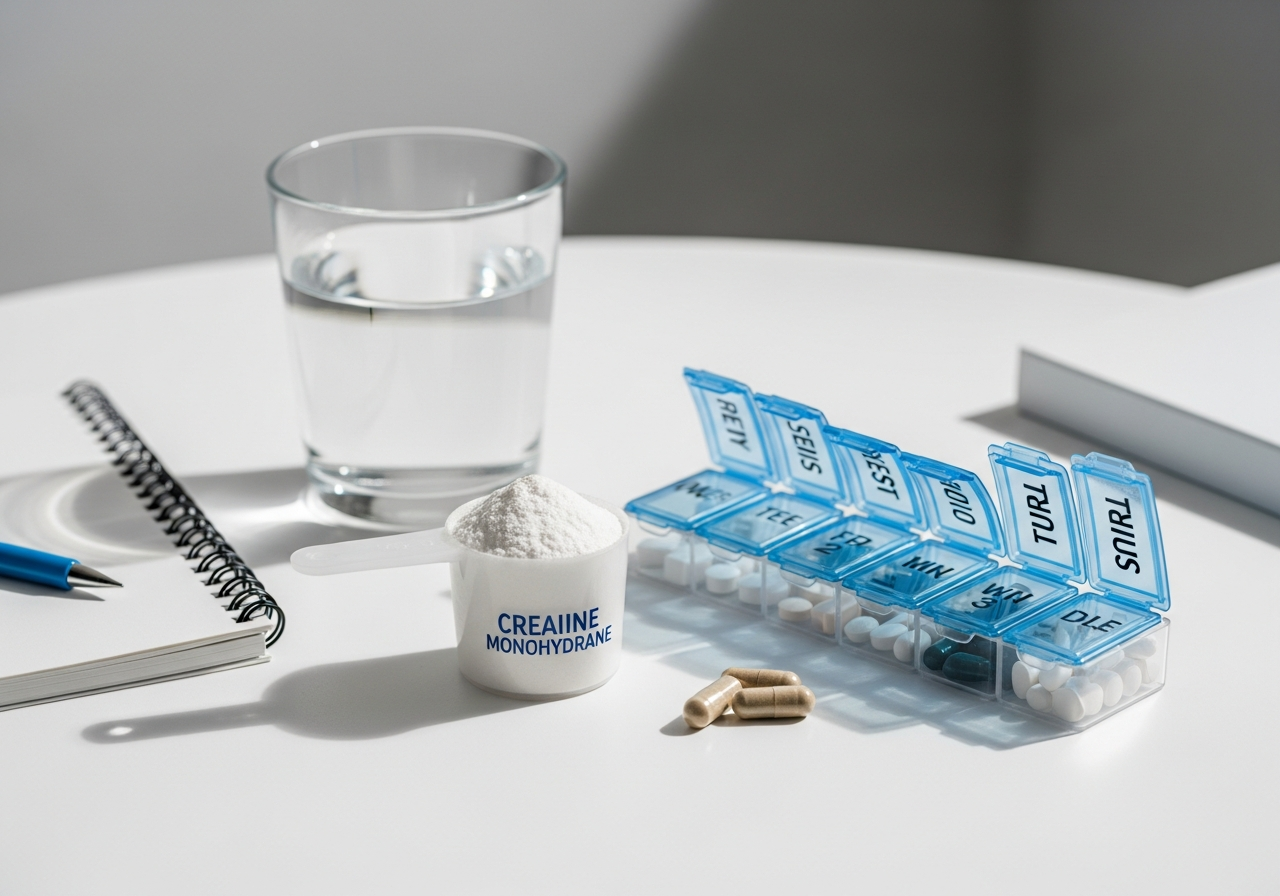
If you are considering creatine and depression in a real-world setting, the safest approach is to treat it as a discussion point with your healthcare provider, not as a do-it-yourself treatment plan. That is especially true if you take antidepressants, have kidney disease, are pregnant or breastfeeding, or have any complex medical history.
- Start with diagnosis and treatment status. Confirm whether you have diagnosed depression, mood symptoms under evaluation, or another issue such as burnout, overtraining, poor sleep, low iron, thyroid dysfunction, or medication side effects. Supplements should not delay proper assessment.
- Review all medications and supplements. Bring a complete list to your clinician or pharmacist. Creatine is generally well studied, but your provider still needs the full picture.
- Ask whether adjunct creatine is reasonable in your case. Use precise language: “I’ve read that some small studies used creatine monohydrate alongside standard treatment for depression. Is that appropriate or inappropriate for me?”
- If approved, choose plain creatine monohydrate. Monohydrate is the reference form used in most research and is usually the simplest choice. Our best type of creatine guide and best creatine rankings explain why monohydrate still wins.
- Use a consistent daily dose, not random high intakes. In depression-related studies, doses have typically fallen in the 3-10 g/day range, but the right personal plan must come from your clinician.
- Track symptoms, sleep, digestion, body weight, and adherence. Mood effects, if any, would not be expected overnight. Keeping notes helps you and your clinician evaluate whether anything meaningful is happening.
- Do not stop medication because you feel a bit better or because online content says creatine is “natural”. Natural does not mean equivalent to evidence-based treatment.
If your clinician does approve creatine, consistency matters more than timing tricks. You can take it with water or a meal; for basics, see how to take creatine, when to take creatine, and our creatine dosage calculator.
Dosing, timing, and realistic expectations: what the research range looks like
The dose range most often discussed in creatine and depression research is roughly 3-10 g/day, but that is a study range, not a universal recommendation for self-treatment. In mainstream creatine science, a common maintenance intake is 3-5 g/day, and a loading phase of about 20 g/day split into 4 doses for 5-7 days can saturate muscle stores faster, though loading is not necessary for most people and is not a standard requirement in mood-focused discussion.
For mental-health conversations, the more important point is consistency rather than aggressive front-loading. Brain and body creatine levels change over time with regular use, so daily adherence matters more than taking it pre-workout or at a particular hour. If a healthcare provider has said creatine is appropriate for you, many people find it easiest to take it once daily with breakfast or another regular meal to build a habit.
| Context | Typical range or practice | What it means here |
|---|---|---|
| Adjunct depression studies | About 3-10 g/day | Research range only; not a self-prescribed treatment plan |
| General maintenance use | 3-5 g/day | Common evidence-based daily intake for creatine monohydrate |
| Loading phase | About 20 g/day for 5-7 days, split into 4 doses | Can speed saturation, but is not necessary and may increase GI upset |
| Timing | Any consistent time of day | Consistency matters more than exact timing |
What should you expect week by week? For mood, the honest answer is uncertainty. Unlike a gym goal, there is no reliable consumer-facing timeline for “feeling” creatine work in depression. Some people notice nothing. Some may notice small changes in energy, training quality, or mental clarity before any change in mood. If mood symptoms are severe, active, or worsening, waiting weeks for a supplement experiment is not appropriate.
A practical note on body weight: standard sports-nutrition dosing sometimes scales with size, but depression research is not established enough to offer body-weight formulas as a mental-health protocol. If you want broader non-medical dose context, see creatine maintenance dose and creatine loading phase.
Safety, side effects, and the red flags that mean supplements should take a back seat
Creatine monohydrate is widely considered safe for healthy adults at standard doses, but safety in general sports use is not the same as proof that it is appropriate for every person with depression. The larger creatine literature, summarized by the ISSN position stand, supports a strong overall safety profile, yet mental-health decisions require context beyond supplement safety alone.
The most common side effects are practical rather than dramatic: stomach upset, loose stools, mild bloating, and temporary body-weight increase from water retained inside muscle cells. Those effects are more likely with large single doses, poor mixing, or unnecessary loading. If GI symptoms happen, taking a smaller daily amount, splitting the dose, or using micronized monohydrate can help. We cover this in more depth in creatine digestive side effects and does creatine cause bloating.
Kidney concerns are commonly raised. For most healthy people, creatine itself has not been shown to damage kidneys at recommended intakes, but it can raise creatinine on bloodwork because creatinine is a breakdown product related to creatine metabolism. That can confuse lab interpretation. Anyone with kidney disease, reduced kidney function, or nephrology follow-up should get medical clearance first. For context, see our guide to kidneys and creatinine confusion.
The bigger red flags are psychiatric, not digestive. If you have suicidal thoughts, rapidly worsening mood, psychosis, severe agitation, inability to function, or a possible bipolar-spectrum history, supplements should not be your focus; urgent medical assessment should. There is no credible basis for delaying treatment in a crisis because you want to “try creatine first”.
Pregnancy, breastfeeding, and youth also deserve special caution because evidence is limited and individualized judgement matters. If any of those apply, ask a physician or pharmacist rather than relying on general online guidance.
Common myths about creatine mental health research, debunked carefully
Creatine mental health content online often swings between exaggerated optimism and exaggerated fear, and both are misleading. The fairest reading of the evidence is more nuanced.
- Myth: “Creatine is basically a natural antidepressant.”
Reality: Creatine is not established as an antidepressant medication. The published studies are mostly small adjunct trials and observational analyses, not the kind of evidence needed to treat it as equivalent to standard care. - Myth: “Creatine works by boosting serotonin.”
Reality: The better-supported rationale is brain bioenergetics. Creatine serotonin discussions are usually indirect and mechanistic, not proof of a primary serotonin-raising effect. - Myth: “If creatine helps gym energy, it must help mood.”
Reality: Muscle performance evidence is much stronger than depression evidence. A supplement can be excellent for short-burst exercise and still have uncertain psychiatric effects. - Myth: “More is better.”
Reality: Taking more than needed mainly increases the chance of stomach upset and wasted product. More is not automatically more effective, especially in a research area that is still unsettled. - Myth: “Creatine is unsafe for the brain because it changes water balance.”
Reality: Creatine changes cellular water handling, but that is part of normal osmotic physiology and not evidence of brain harm in healthy users. - Myth: “If symptoms improve, you can taper your medication yourself.”
Reality: This is one of the riskiest misconceptions. Any medication change should be supervised by the prescribing clinician.
One sentence summary: the strongest myths in this space come from confusing “biologically plausible” with “clinically proven.”
If you want a wider myth roundup beyond mental health, visit creatine myths debunked or creatine myths vs. facts.
Choosing a creatine product in Canada: what matters, what does not, and how to read the label
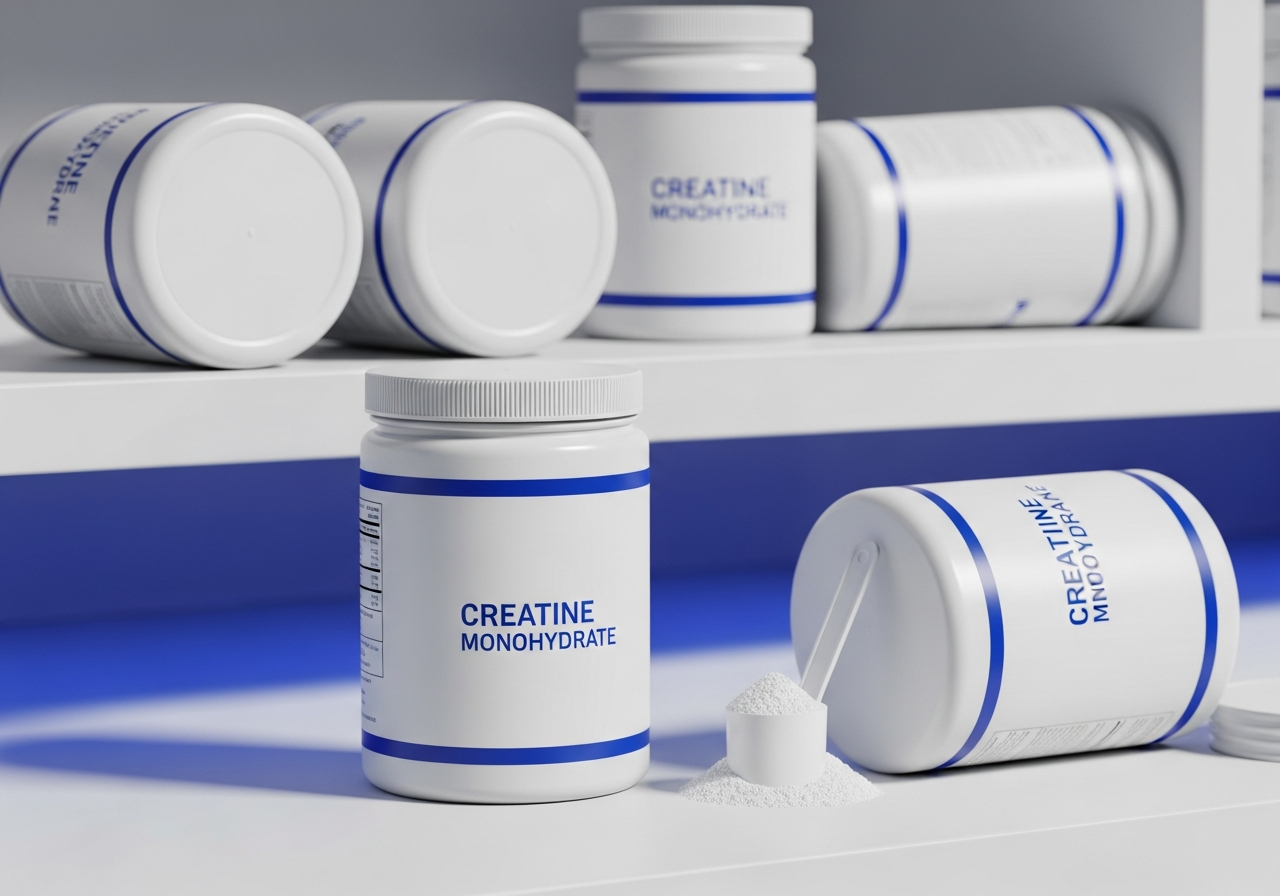
If a healthcare professional says creatine is appropriate for you, the best buying strategy in Canada is simple: choose plain creatine monohydrate from a reputable company, ideally with third-party testing and a valid Natural Product Number, or NPN, when required for that product category. In Canada, the NPN is a Health Canada-issued product identifier used on licensed natural health products, and its presence helps confirm that the product has gone through the relevant regulatory pathway.
For this topic in particular, simplicity is a strength. You do not need a “mood blend”, a proprietary nootropic stack, or a flashy delivery system to match the evidence base. Most of the research interest around creatine and depression relates to standard creatine monohydrate, not exotic forms.
| Buying factor | Best choice | Why it matters |
|---|---|---|
| Form | Creatine monohydrate | Most studied form overall and the reference standard |
| Ingredient list | Single-ingredient if possible | Easier to assess dose, tolerance, and product quality |
| Testing | Third-party tested when available | Adds confidence in identity and purity |
| Canadian label | NPN and full directions | Useful quality and compliance signal in Canada |
| Format | Powder for value, capsules for convenience | Both can work if the dose is accurate |
| Marketing claims | Conservative claims | Be wary of products implying they treat depression |
Market-research estimates and consumer trend reporting suggest creatine demand is expanding beyond bodybuilding into recovery, healthy ageing, and brain-health conversations. That trend helps explain why you now see more “focus”, “wellness”, or “daily brain support” branding in the market. Treat those as marketing signals, not clinical proof.
To compare options, see our creatine product catalog, creatine brand reviews, and best creatine monohydrate in Canada. For regulation background, our Canadian readers may also want Canadian supplement regulations and NPNs.
Why this topic is trending now: creatine has moved from gym supplement to brain-health conversation
Creatine and depression is being searched more often because creatine itself has moved well beyond its old “muscle-only” image, but rising consumer interest should not be mistaken for settled medical evidence. Market-research estimates and supplement industry trend reports show growing attention to creatine for women, older adults, cognition, and general wellness, with brain-health positioning becoming much more common in 2026.
That shift makes sense scientifically up to a point. Creatine has always had roles outside muscle because the brain also relies on rapid ATP buffering. As a result, once consumers learn that creatine is involved in cellular energy rather than just bodybuilding, they naturally ask whether it could matter for fatigue, cognition, stress resilience, and mood. Search demand around creatine mood research and creatine mental health is the predictable result.
Still, the market can outrun the science. A trend toward “brain creatine” content does not mean depression guidelines now recommend creatine, and it does not mean every influencer summary is accurate. The responsible framing remains: there is a plausible mechanism, there are published adjunct trials and dietary observational studies worth knowing about, but the evidence is early and mixed.
In practical buying terms, this trend has also led to more premium positioning, more wellness-oriented packaging, and more products implying broad mind-body benefits. For a sensitive medical topic, conservative interpretation matters. If a product page sounds like it is promising to treat depression, that is a red flag rather than a selling point.
For readers following the broader shift, related trend coverage includes creatine for brain health in 2026, the women’s creatine trend, and clean-label creatine and third-party testing.
One sentence worth remembering: consumer interest in creatine and mental health is growing faster than the clinical evidence base, so the burden of caution should stay high.
Bottom line: where creatine and depression research stands right now
Creatine and depression research is intriguing enough to take seriously, but not strong enough to turn into a self-treatment recommendation. The most defensible summary in 2026 is that creatine monohydrate has a plausible brain-energy mechanism, some small adjunct studies have reported symptom improvements, and observational diet data adds interest, but the overall evidence remains early, mixed, and population-specific.
If you are a general fitness reader, the practical takeaway is straightforward. Creatine is still best established for exercise performance, training quality, and muscle-related outcomes. Its possible role in mood sits in a different evidence category: promising but not proven. That means curiosity is reasonable, but caution is mandatory.
If you have depression or think you might, the next step is not to build a supplement stack. The next step is to speak with a qualified healthcare professional, especially if symptoms are persistent, impairing, or worsening. If a clinician decides creatine fits your situation as an adjunct, plain monohydrate is the form with the strongest overall evidence base and the clearest quality benchmarks.
For broader context, you may also find these guides useful: creatine for mood overview, is creatine safe, who should not take creatine, and creatine as a nootropic.
Final answer: creatine for depression is best viewed as an emerging adjunct research area centred on brain bioenergetics, not as a proven antidepressant therapy or a replacement for professional mental-health care.
Creatine and Depression: The Evidence at a Glance
- 3-10 g/day Typical dose range used in depression-related adjunct trials — Research range only; not a self-prescribed treatment recommendation.
- 3-5 g/day Standard mainstream maintenance dose for creatine monohydrate — The most common evidence-based daily intake in general creatine use.
- 20 g/day Classic loading protocol in general creatine science — Usually split into 4 doses for 5-7 days; not required for mood-related use.
- 2026 Current evidence position — Research interest is growing, but creatine remains an early, mixed adjunct topic in depression.
Frequently Asked Questions
Can creatine help with depression?
Creatine may help some people with depression as an adjunct to standard care, but it is not a proven stand-alone treatment. The current evidence comes from small and still-limited studies, often using creatine alongside antidepressants, so it should be discussed with a healthcare provider rather than used as a substitute for treatment.
Is creatine an antidepressant?
No, creatine is not an established antidepressant. Creatine is a compound involved in cellular energy metabolism, and while some research suggests it may support mood in certain contexts, it does not have the evidence base or clinical role of approved antidepressant medication.
How does creatine affect mood?
Creatine may affect mood by supporting brain energy availability rather than by acting like a classic mood drug. Its main known role is helping regenerate ATP through the phosphocreatine system, and researchers think that improved brain bioenergetics could support normal signalling and resilience in some people.
Does creatine increase serotonin?
Creatine is not best described as a direct serotonin booster. The stronger scientific explanation is that creatine supports cellular energy systems, and any serotonin-related effects discussed in the literature are indirect, theoretical, or secondary rather than clearly established primary actions.
What dose of creatine has been studied for depression?
Depression-related studies have typically used creatine in the roughly 3-10 g/day range. That range reflects research protocols, not a universal public recommendation, so anyone considering creatine in a mental-health context should review dose and suitability with a clinician.
How long does creatine take to work for mood?
There is no reliable, universally established timeline for creatine to improve mood. In general creatine science, tissue saturation builds over days to weeks depending on dose and loading, but mood effects are less predictable and should never be used as a reason to delay proper treatment.
Can I take creatine with antidepressants?
Possibly, but you should only do so after checking with your prescriber or pharmacist. Some creatine mood research has studied creatine alongside antidepressants, yet that does not make all combinations automatically appropriate, especially if you have other conditions or take multiple medications.
Is creatine safe if I have depression?
Creatine is generally considered safe for many healthy adults at standard doses, but having depression changes the context because the issue is not just supplement safety but overall treatment appropriateness. If mood symptoms are significant, the priority is professional care, and any supplement should be reviewed within that care plan.
Should I use creatine instead of therapy or medication?
No, creatine should not be used instead of therapy, medication, or other recommended mental-health treatment. The evidence for creatine in depression is still early and mixed, and replacing established care with a supplement can be risky, especially if symptoms are moderate to severe.
What type of creatine is best if a clinician says I can take it?
Creatine monohydrate is usually the best choice because it is the most studied and most evidence-based form. It is also typically the most cost-effective, and simpler single-ingredient products make it easier to match the supplement to the research literature.