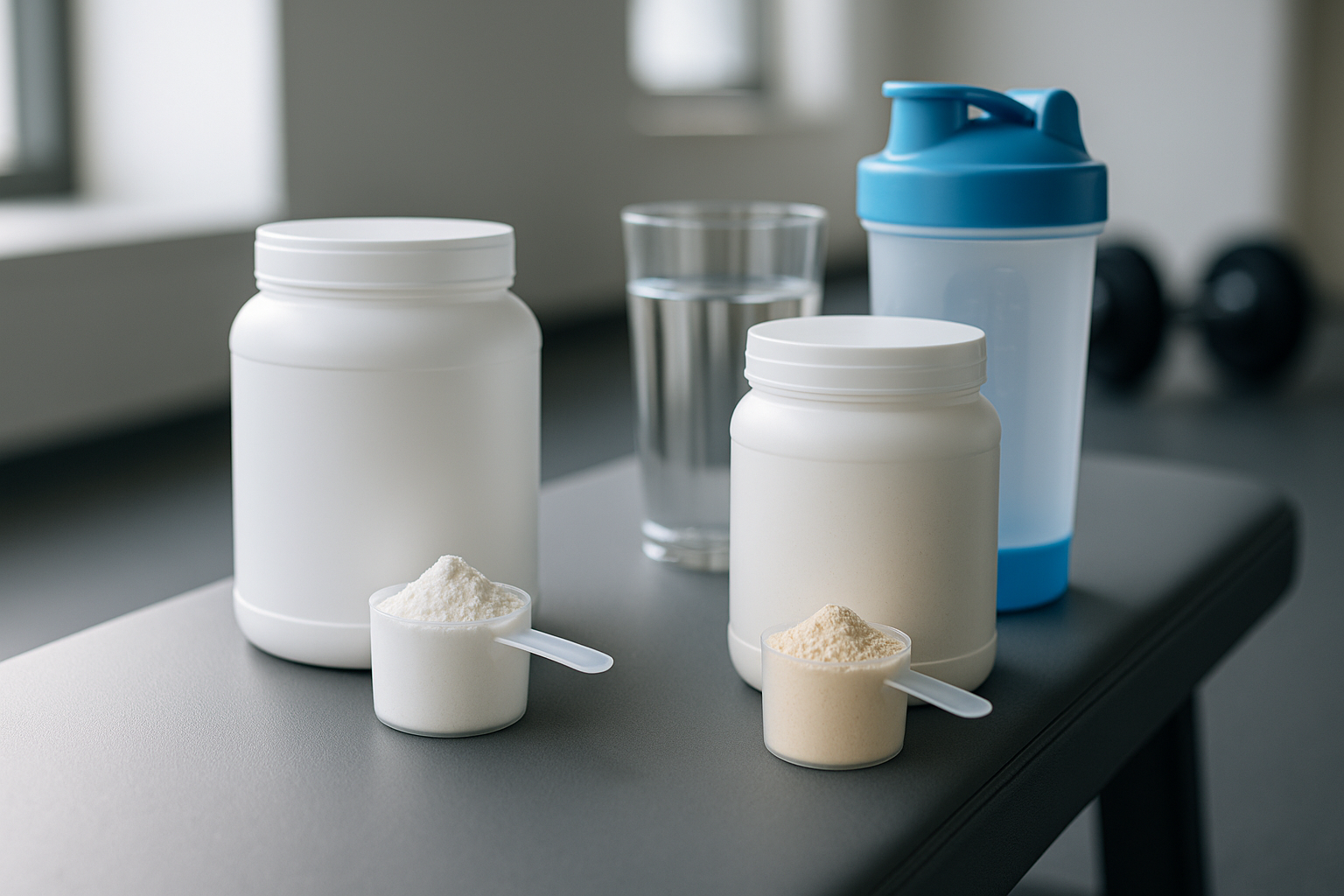
Creatine vs. Citrulline: Strength and Power vs. Pump and Endurance
By The Creatine Canada Research Team — Evidence-based supplement analysts
Creatine vs citrulline is not really a one-wins question: creatine is the better choice for strength, power, muscle gain, and repeated high-intensity performance, while citrulline is better for workout pumps and may help high-rep endurance and fatigue resistance. If your goal includes both lifting performance and better training feel, creatine and citrulline together usually make more sense than creatine or citrulline alone.
Evidence-based · Cites 4 sources · Editorial standards
Key Takeaways
- Choose creatine for strength, power, muscle gain, and repeated sprint or lifting performance.
- Choose citrulline for pumps, blood flow, and possibly better high-rep training endurance.
- Creatine works by saturating muscle phosphocreatine stores; citrulline works by raising arginine and nitric oxide availability.
- A standard creatine dose is 3-5 g daily; a common citrulline dose is 6-8 g about 30-60 minutes pre-workout.
- You can stack creatine and citrulline safely because they work through different mechanisms.
- Creatine has stronger, more consistent evidence than citrulline for muscle and performance outcomes.
- If budget forces one pick, most gym-goers should buy creatine monohydrate first.
Creatine vs. citrulline: which should you actually take?
Creatine is the better supplement for strength, power, muscle gain, and repeated explosive performance, while citrulline is the better supplement for pump, blood flow, and possibly better training endurance during longer sets. That direct answer covers most searches for creatine vs citrulline, citrulline vs creatine, and creatine or citrulline.
The key reason is that these supplements do different jobs. Creatine increases your muscle stores of phosphocreatine, the stored form that helps rapidly remake ATP, your cells' immediate energy currency, during short hard efforts. Citrulline, usually sold as L-citrulline or citrulline malate, helps raise arginine levels in the blood, which can support nitric oxide production and improve blood flow. In plain English, creatine is more about producing force repeatedly; citrulline is more about feeling a stronger pump and sometimes delaying fatigue in demanding workouts.
If you only want one supplement and your goal is getting stronger, building muscle, sprinting harder, or improving repeated high-intensity efforts, pick creatine monohydrate first. The evidence base for creatine is larger and more consistent. The 2017 ISSN position stand concluded that creatine monohydrate is the most effective ergogenic nutritional supplement currently available for increasing high-intensity exercise capacity and lean body mass during training.
If your goal is a better pre-workout feel, fuller muscles in the gym, and possibly improved output in circuits, bodybuilding sessions, or high-volume training, citrulline can be useful. But most people asking about l-citrulline vs creatine are comparing two tools with different best uses, not true substitutes.
- Pick creatine if you care most about 1RM strength, sets of 3-10 reps, sprint power, muscle gain, and long-term training progression.
- Pick citrulline if you care most about pumps, workout feel, and possibly better output in longer or denser sessions.
- Pick both if you want a well-rounded stack: creatine for baseline performance support and citrulline for pre-workout effects.
If you are new to creatine itself, start with our complete beginner's guide to what creatine is and then use the creatine dosage calculator to set your daily dose properly.
How creatine and citrulline work: energy system vs. blood-flow system
Creatine and citrulline do not compete in the body because they act through different primary mechanisms. Creatine mainly supports the phosphagen energy system, while citrulline mainly supports nitric oxide-related blood flow.
Creatine's core mechanism is simple and powerful. Your muscles store creatine partly as phosphocreatine. During very hard, short efforts such as a heavy set of squats, a sprint, a jump, or a hard hockey shift, phosphocreatine donates a phosphate group to help regenerate ATP quickly. More intramuscular creatine means more reserve for those repeated high-output efforts. That is why creatine shines in strength training, sprinting, repeated intervals, and sports with stop-start bursts.
Citrulline works differently. L-citrulline is an amino acid that the body can convert into arginine, and arginine is a precursor to nitric oxide. Nitric oxide helps widen blood vessels, a process called vasodilation, which can improve blood flow to working muscle. Better blood flow may improve the delivery of oxygen and nutrients and help with the clearance of metabolic byproducts during training. This is why users often notice a subjective benefit first: better pump, better muscle fullness, and sometimes better tolerance for high-rep work.
That difference matters for expectations:
- Creatine is a saturation supplement. It works best when taken daily until muscle stores are elevated.
- Citrulline is an acute pre-workout supplement. It is usually taken before training for same-day effects.
Another important distinction is evidence quality. Creatine has decades of robust sport-nutrition research behind it, including safety data and practical consensus support. The 2021 JISSN review on common creatine questions and misconceptions reinforced that creatine is well-studied, effective, and widely misunderstood. Citrulline has a plausible mechanism and some supportive sports-performance research, but the results are less consistent across outcomes and protocols.
So when people ask whether creatine vs citrulline malate is better, the accurate answer is this: creatine better supports the rapid recycling of muscular energy, while citrulline malate better targets workout blood flow and potentially fatigue management. They are different levers, not duplicate ingredients.
Best by goal: muscle and strength, endurance, pump, fat loss, and sport performance
Your goal should decide whether you choose creatine, citrulline, or a creatine and citrulline stack. The right supplement is the one that best matches the demand of your training.
For hypertrophy and strength, creatine is the better default. Creatine helps you perform slightly more quality work over time, such as getting an extra rep, holding bar speed better across sets, or recovering better between short high-intensity efforts. Those small improvements compound into better training volume and, over weeks to months, often better muscle and strength gains. If you are pursuing body recomposition or size, creatine belongs near the top of your list. See our deeper guides on whether creatine builds muscle and creatine for strength.
For pumps and high-volume bodybuilding sessions, citrulline often has the clearer immediate payoff. Lifters commonly use it before push days, arm sessions, leg sessions with shorter rest periods, or conditioning-heavy hypertrophy blocks where maintaining output deep into a workout matters. That does not mean citrulline builds more muscle than creatine; it means it may improve the quality or feel of the session.
For endurance, the answer depends on what kind of endurance you mean. Creatine is usually more useful for repeated sprint endurance, interval work, and team sports with bursts. Citrulline may be more relevant for muscular endurance in the gym, especially higher-rep sets and dense circuits. For pure long-duration steady-state endurance, neither supplement is as central as fundamentals like carbohydrate intake, pacing, and hydration.
For fat loss, neither directly burns fat. Creatine is often more valuable because it helps preserve training quality and lean mass during a calorie deficit. Citrulline can still be helpful if it makes workouts feel better, but it is not a fat-loss supplement.
- Powerlifting, Olympic lifting, sprinting, football, hockey: creatine first.
- Bodybuilding, pump-focused training, high-volume sessions: creatine plus citrulline often works well.
- CrossFit and mixed-modal training: creatine is usually foundational; citrulline can be an optional pre-workout add-on.
- Beginners on a budget: buy creatine first.
If you want the simplest evidence-based answer to creatine or citrulline, it is this: choose creatine for adaptation and performance outcomes you can track over time; choose citrulline mainly for pre-workout support and session quality.
Exactly how to dose creatine vs. citrulline, with timing that actually matters
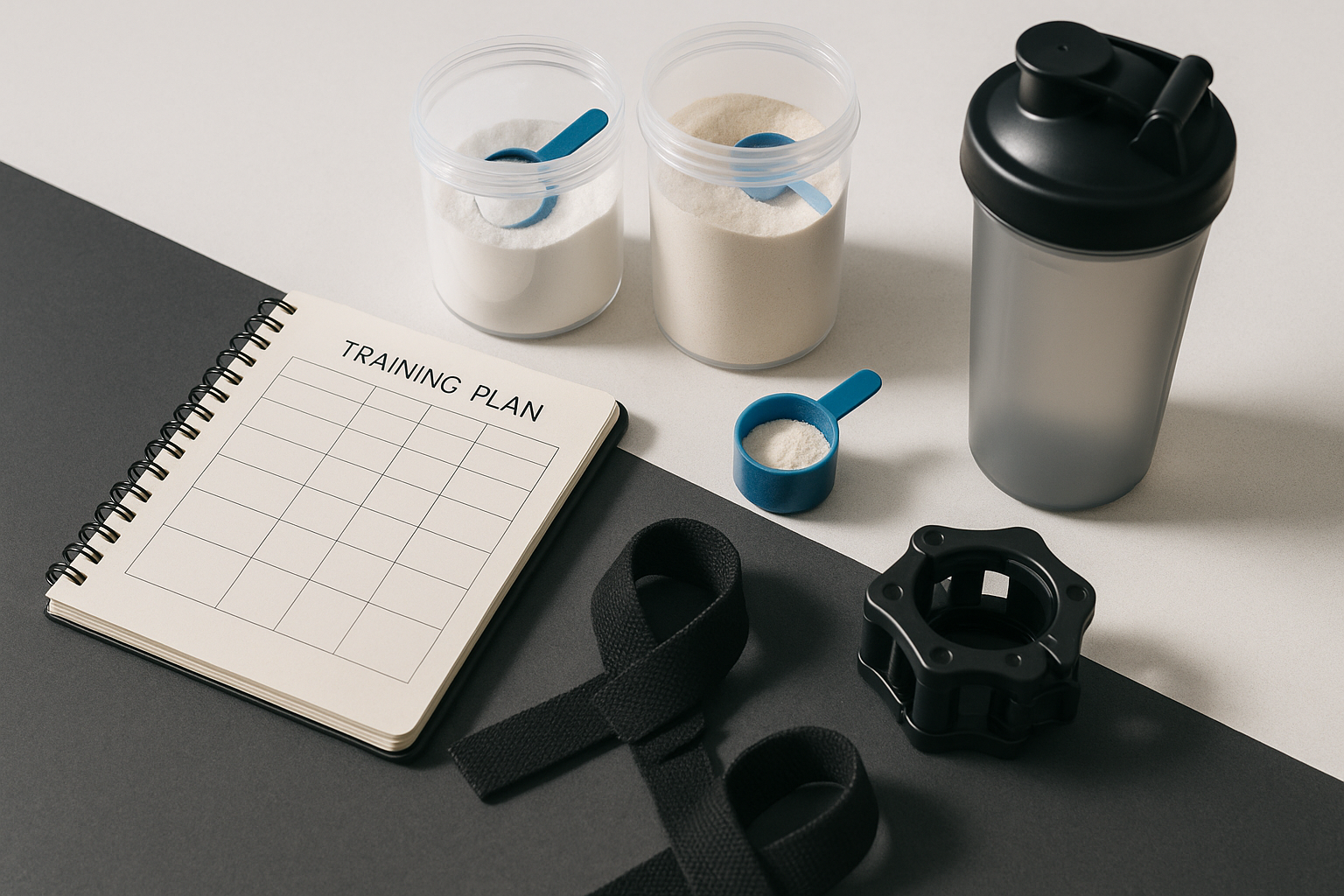
Creatine is usually dosed daily at 3-5 g regardless of workout timing, while citrulline is usually taken at 6-8 g about 30-60 minutes before training. That single sentence answers most dosing questions clearly.
Creatine dosing is based on muscle saturation, not a pre-workout buzz. The standard maintenance approach is 3-5 g per day, every day. Larger athletes often sit comfortably at the higher end. If you want faster saturation, a common loading protocol is 20 g per day split into 4 doses for 5-7 days, followed by 3-5 g daily. Loading is optional, not required. If you prefer the slow route, daily use alone usually gets you there within a few weeks. For more detail, see how much creatine per day, our loading-phase guide, and when to take creatine.
Citrulline is different because it is generally used acutely. A common evidence-based range is 6-8 g of L-citrulline before training. If using citrulline malate, labels often list a larger gram amount because the product is a combination of citrulline and malate, not pure citrulline. In practice, check the actual L-citrulline amount if the label provides it. This is one reason creatine vs citrulline malate can be a confusing comparison: the label weight is not directly comparable to pure creatine monohydrate.
| Supplement | Main job | Typical dose | Best timing | How fast it works |
|---|---|---|---|---|
| Creatine monohydrate | Strength, power, lean mass, repeated high-intensity effort | 3-5 g daily; optional loading at 20 g/day split into 4 doses for 5-7 days | Any time of day; consistency matters most | Days with loading, or a few weeks without loading |
| L-citrulline | Pump, blood flow, possible high-rep endurance support | 6-8 g pre-workout | 30-60 minutes before training | Same workout |
| Citrulline malate | Similar to L-citrulline, depending on actual citrulline content | Label-dependent | 30-60 minutes before training | Same workout |
For body-weight examples:
- 60 kg lifter: creatine 3 g daily is often fine; citrulline 6 g pre-workout is a reasonable starting point.
- 80 kg lifter: creatine 3-5 g daily; citrulline 6-8 g pre-workout.
- 100 kg athlete: creatine 5 g daily is common; citrulline 8 g pre-workout is a practical top-end standard.
The biggest timing rule is simple: creatine rewards consistency; citrulline rewards pre-workout timing.
Can you take citrulline and creatine together? Yes, and the stack makes sense
Yes, you can take creatine and citrulline together, and the stack makes sense because one supports long-term muscular energy capacity while the other supports acute workout blood flow. For many lifters, citrulline and creatine together is the most practical answer.
There is no inherent conflict between the two ingredients. Creatine is not a stimulant, and citrulline is not a creatine replacement. One is usually taken daily to build and maintain tissue saturation; the other is usually taken before training for a same-session effect. That means stacking is straightforward:
- Take creatine monohydrate 3-5 g every day, including rest days.
- Take L-citrulline 6-8 g 30-60 minutes before workouts.
- On rest days, just take creatine and skip citrulline unless you have another specific reason to use it.
This stack is especially sensible for:
- Bodybuilders and physique-focused lifters who want both measurable progression and better pumps.
- Team-sport athletes who need repeated bursts plus strong training sessions.
- CrossFit and HIIT athletes who want a foundation supplement plus a session-performance add-on.
- Beginners who already have creatine covered and want to experiment with a pre-workout ingredient that is not caffeine.
A practical stacking example looks like this:
- Morning or any convenient time: 5 g creatine in water, a shake, or a meal.
- Pre-workout 45 minutes before lifting: 6-8 g L-citrulline in water or in a pre-workout formula that actually discloses the full dose.
What should you expect? Creatine may take time unless you load, but citrulline can change the feel of your very first session. That difference sometimes fools people into thinking citrulline is “stronger.” In reality, it is just more immediately noticeable.
If you prefer keeping your routine simple, plain creatine monohydrate remains the first purchase. Then, if you want to build a stack intelligently, read our creatine stacking guide and step-by-step guide on how to take creatine.
What results to expect from each one, week by week
Citrulline can be noticeable in your first workout, while creatine usually becomes noticeable over days to weeks depending on whether you load. That timeline difference is one of the biggest reasons people misjudge l-citrulline vs creatine.
With citrulline, the earliest signs are usually subjective. You may feel a stronger pump, slightly better muscle fullness, or less drop-off in later sets during a high-volume session. Not everyone feels a dramatic difference, but if citrulline works for you, you often know quickly. What it usually does not do is create obvious long-term body-composition changes on its own.
With creatine, the timeline is slower but the outcomes are more trackable. During the first week of a loading phase, some people notice a small increase in body weight from intracellular water, meaning water drawn into muscle tissue, not body fat. Without loading, that may take longer. In the next few weeks, many users notice better repeat performance: one more rep here, less fade-off there, a little more total quality work across the session. Over months, that can support better gains in lean mass and strength.
A realistic creatine timeline looks like this:
- Days 1-7 with loading: faster saturation, possible small increase in scale weight, some people notice better workout output quickly.
- Weeks 2-4 without loading: saturation builds steadily; training performance improvements may start becoming noticeable.
- Weeks 4-12: better training quality can translate into measurable strength and muscle progress.
A realistic citrulline timeline looks like this:
- First workout: possible better pump and improved session feel.
- Repeated use: useful if it reliably helps you train harder, but not something you “saturate” like creatine.
How do you tell each one is working?
- Creatine markers: extra reps at the same load, better repeated sprint output, slightly improved body weight and muscle fullness, better progression over several weeks.
- Citrulline markers: better pump, less performance drop-off in later sets, more comfortable high-volume work.
If creatine feels like it is not working, the most common reasons are underdosing, inconsistency, unrealistic expectations, or a training plan that does not emphasize the kinds of efforts creatine helps most. Our guides on how long creatine takes to work and why creatine may not seem to work go deeper.
Who should choose creatine, who should choose citrulline, and who benefits most from both
Most people who lift weights should start with creatine, while citrulline is usually a useful second supplement rather than a first supplement. That holds true for beginners, women, older adults, and most recreational athletes.
Beginners: Creatine wins. New lifters benefit from a supplement with strong evidence, low cost per effective dose, and simple daily use. Citrulline can wait until you know you want a pre-workout performance add-on. If you are just starting, our creatine for beginners guide is the best next read.
Women: Creatine is absolutely relevant and not a “bulking” supplement in the steroid sense. It supports performance, lean mass retention, and training quality just as it does in men. Citrulline can be a nice option for women who dislike stimulant-heavy pre-workouts but want better sessions. See our guide to creatine for women.
Older adults: Creatine is often more valuable than younger athletes realise because it can support resistance training quality and lean mass retention with aging. Citrulline may still help workout comfort and training density, but creatine is usually the foundational choice. Our older adults guide covers this in detail.
Strength and power athletes: Creatine first, almost always. Powerlifters, sprinters, football players, throwers, and hockey athletes benefit most from the phosphocreatine system support creatine provides.
Bodybuilders and physique athletes: Both can be useful. Creatine supports long-term progression and fuller muscle water content; citrulline can enhance the training experience and pump.
Endurance athletes: The answer is mixed. Creatine can help repeated surges, sprint finishes, and interval work, but some endurance athletes dislike any water-weight increase. Citrulline may help some with training feel, but neither supplement should displace the basics.
Vegetarians and vegans: Creatine is especially compelling because baseline dietary creatine intake is lower when you do not eat meat. Citrulline does not have that same specific advantage.
If your question is “who benefits most from creatine and citrulline together?” the answer is lifters and sport athletes who want both long-term adaptation support and better-feeling training sessions without relying only on stimulants.
Safety, side effects, and when to be cautious
Creatine is one of the best-studied sports supplements for safety, while citrulline is generally well tolerated but has a smaller long-term evidence base. That does not make citrulline unsafe; it means creatine's safety data are simply much deeper.
The ISSN position stand and the 2021 JISSN review both support creatine monohydrate as safe for healthy individuals when used appropriately. The common issues with creatine are usually practical, not dangerous: stomach upset from taking too much at once, temporary water-weight gain, or occasional bloating if the dose or loading protocol is poorly tolerated. Splitting doses and taking creatine with more fluid usually solves most of this. If digestive issues are your concern, see our guide on creatine digestive side effects.
Citrulline is also generally well tolerated, but some people may experience stomach discomfort, especially if they take a large dose all at once or use a heavily flavoured pre-workout blend with many other ingredients. Because citrulline can influence nitric oxide pathways and vascular tone, people taking medication that affects blood pressure or blood flow should speak with a healthcare professional before using it regularly.
For both supplements, sensible cautions apply:
- Kidney disease, major medical conditions, or medication use: get personalised medical advice first.
- Pregnancy and breastfeeding: do not assume sports-supplement guidance applies; consult a qualified clinician.
- Competitive athletes: choose products with strong quality control to reduce contamination risk.
In Canada, product quality matters. Look for a Natural Product Number, or NPN, which is Health Canada's product licence identifier for many natural health products. An NPN is not the same as elite-sport banned-substance certification, so tested athletes may still prefer third-party programmes such as NSF Certified for Sport or Informed Sport when available. If you are shopping locally, compare products using our best creatine rankings, creatine brand reviews, and product catalog.
The simplest safety summary is this: creatine monohydrate has stronger evidence, better-defined dosing, and more predictable benefits; citrulline is usually safe for healthy adults but should be treated as a useful add-on, not a magic powder.
Common mistakes and myths: where people get creatine vs. citrulline wrong
The biggest mistake is treating creatine and citrulline as direct substitutes when they solve different performance problems. Most confusion around citrulline vs creatine comes from that one error.
Myth 1: You have to choose one. False. If your budget allows it, creatine and citrulline together can be a smart combination because they target different mechanisms.
Myth 2: Citrulline is better because you feel it immediately. False. Immediate sensation does not equal greater long-term benefit. Citrulline's pump can be noticeable in one session; creatine's value appears through saturation and compounded training gains.
Myth 3: Creatine is just water weight. Misleading. Creatine can increase intracellular water in muscle, especially early on, but that is not the full story. Its real value is helping performance and training adaptation over time. If scale changes worry you, read does creatine make you gain weight and does creatine cause bloating.
Myth 4: Creatine is only for men or bodybuilders. False. Women, older adults, vegetarians, team-sport athletes, and general fitness users can all benefit.
Myth 5: Citrulline malate is automatically better than L-citrulline. Not necessarily. The useful question is how much actual citrulline you are getting and whether the product formula is transparent.
Myth 6: More is always better. False. More creatine can mean more stomach upset without more benefit once daily needs are covered. More citrulline can also mean digestive discomfort without clearly better results.
Common real-world mistakes include:
- Buying an expensive “advanced” creatine instead of basic monohydrate.
- Using creatine only on training days.
- Taking too little citrulline in underdosed pre-workouts.
- Judging creatine after only a few days without loading.
- Confusing product scoop size with active ingredient dose.
If you want the evidence-based myth cleanup, see our creatine myths debunked hub. The short version is straightforward: creatine is the foundational performer, citrulline is the optional enhancer, and neither should distract from training quality, sleep, protein intake, and overall diet.
How to buy the right product in Canada without overpaying for hype
If you are buying in Canada, the safest bet is plain creatine monohydrate from a reputable brand, and for citrulline the key is a transparent label with a fully disclosed dose. Fancy marketing is rarely the best value.
For creatine, the hierarchy is simple. Choose creatine monohydrate first because it is the most studied, most cost-effective, and easiest to dose correctly. Micronized versions can mix a little better, but they are still fundamentally creatine monohydrate. You do not need trendy forms to get results. The International Olympic Committee's supplement consensus recognises creatine among the small group of supplements with meaningful evidence for certain performance uses in athletes.
For citrulline, the first question is whether the product lists L-citrulline clearly or hides behind a proprietary blend. You want a label that lets you confirm a meaningful dose. Many pre-workouts underdose citrulline while putting the ingredient name in large print on the front label.
Use this buying checklist:
- Creatine: look for monohydrate, simple ingredient list, grams per serving clearly stated, and reputable manufacturing or third-party testing.
- Citrulline: look for a clearly disclosed dose, especially if choosing a pre-workout blend instead of a standalone powder.
- Canada-specific: look for an NPN where applicable, and for tested athletes consider third-party sport certifications beyond standard retail compliance.
| Buying priority | Creatine | Citrulline |
|---|---|---|
| Best form for most people | Creatine monohydrate | L-citrulline or a transparent citrulline product |
| What to avoid | Overpriced niche forms with weak evidence | Proprietary blends that hide the true dose |
| Main quality signal | Reputable brand, simple formula, testing | Full dose disclosure and clean formula |
| Best use case | Daily foundation supplement | Pre-workout add-on |
If you want help choosing a creatine product specifically, compare options in our best creatine rankings, browse the creatine product catalog, or use our brand reviews to sanity-check quality before you buy.
Bottom line: creatine vs. citrulline in one practical recommendation
If you must choose between creatine vs citrulline, choose creatine first for the bigger, more reliable payoff in strength, power, muscle gain, and repeated high-intensity performance. That is the most defensible recommendation for most gym-goers.
Citrulline is not useless, and it is not “worse” in every sense. It simply has a different job. If you want a stronger pump, better workout feel, and possible support for high-rep or high-volume training, citrulline can be a very worthwhile addition. But if your budget, simplicity, or evidence standards force you to prioritise, creatine monohydrate should usually come first.
Here is the practical framework:
- Buy creatine monohydrate first. Take 3-5 g daily, every day.
- Add citrulline later if you want better pre-workout support. Take 6-8 g 30-60 minutes before training.
- Use both if your goal is complete support. Creatine covers the long game; citrulline helps the session itself.
For most readers, the best answer to creatine or citrulline is not mysterious: creatine is the foundational supplement, citrulline is the optional specialist. For most readers asking about a creatine and citrulline stack, the answer is yes, that combination is logical and often better than forcing a false choice.
If you want to act on this today, start with plain creatine monohydrate, make sure your daily dose is correct with the creatine dosage calculator, and add citrulline only if your training style and goals justify a pre-workout pump/endurance ingredient. That simple sequence gets you the highest-return decision first.
Creatine vs. Citrulline at a Glance
- 3-5 g/day Standard creatine maintenance dose — Taken daily to maintain elevated muscle creatine stores.
- 20 g/day Typical creatine loading dose — Usually split into 4 doses for 5-7 days if faster saturation is desired.
- 6-8 g Common L-citrulline pre-workout dose — Usually taken about 30-60 minutes before training.
- 30-60 min Best citrulline timing window — Creatine timing matters less than daily consistency.
Frequently Asked Questions
Is creatine better than citrulline?
Creatine is better than citrulline for most people if the goal is strength, power, muscle gain, or repeated high-intensity performance. Citrulline can still be useful for pumps and workout endurance, but creatine has the stronger and more consistent evidence base for measurable training outcomes over time.
Can you take creatine and citrulline together?
Yes, you can take creatine and citrulline together, and the combination is often more useful than choosing only one. Creatine supports muscle phosphocreatine stores over time, while citrulline is usually used before workouts to support blood flow and training feel.
Should I take creatine or citrulline first?
You should usually take creatine first because it offers the better evidence-backed return on investment for most lifters and athletes. Once you are taking creatine consistently, citrulline can be added as a pre-workout ingredient if you want better pumps or improved tolerance for high-volume sessions.
What is the difference between L-citrulline and creatine?
The difference is that creatine helps regenerate ATP for short, intense efforts, while L-citrulline helps raise arginine and support nitric oxide production for blood flow. In practice, creatine is a daily saturation supplement and L-citrulline is usually an acute pre-workout supplement.
Is citrulline malate better than creatine?
Citrulline malate is not better than creatine overall; it is just better suited to different goals. Creatine is usually superior for strength, power, lean mass, and repeated high-intensity work, while citrulline malate may be more useful for pump and some forms of high-volume training.
When should I take creatine and citrulline together?
Take creatine once daily at any convenient time, and take citrulline about 30-60 minutes before training. The key is that creatine works through consistency and saturation, whereas citrulline is usually timed pre-workout for same-session effects.
Does citrulline build muscle like creatine?
Citrulline does not have the same level of evidence as creatine for building muscle over time. It may help you train better in some sessions, which can be useful indirectly, but creatine has much stronger support as a supplement that improves training capacity and lean mass gains during resistance training.
Which is better for pump: creatine or citrulline?
Citrulline is better for pump because it is more directly linked to nitric oxide production and blood-flow effects. Creatine can make muscles look fuller over time through intracellular water and improved training adaptations, but it is not primarily a pump supplement.
Which is better for endurance: creatine or citrulline?
It depends on the type of endurance, but citrulline is usually the better pick for muscular endurance in high-rep training, while creatine is often better for repeated sprint or repeated high-intensity efforts. For long steady-state endurance, neither supplement is as central as training, fuelling, and hydration.
Do I need to cycle creatine or citrulline?
You do not need to cycle creatine, and most people also do not need to cycle citrulline. Creatine is commonly taken daily for long periods, while citrulline is often used only on workout days because its main value is acute pre-workout support.