Creatine and Osteoporosis: Can It Help Protect Bone Density?
By The Creatine Canada Research Team — Evidence-based supplement analysts
Creatine and osteoporosis is a promising but not proven match: creatine is unlikely to prevent osteoporosis on its own, but it may support bone health indirectly by improving muscle, strength, and training capacity, especially when paired with resistance exercise. The best current reading of the evidence is that creatine can be a useful adjunct for older adults and postmenopausal women, but it is not a replacement for osteoporosis treatment, protein, vitamin D, calcium, or weight-bearing exercise.
Evidence-based · Cites 4 sources · Editorial standards
Key Takeaways
- Creatine does not reliably increase bone mineral density by itself in human studies.
- Creatine may help protect against bone loss indirectly by improving muscle mass, strength, balance, and exercise quality.
- The strongest practical use case is older adults and postmenopausal women doing regular resistance training.
- A standard evidence-based dose is 3-5 g of creatine monohydrate daily; loading is optional, not necessary for bone-related goals.
- If you have osteoporosis, creatine should be viewed as a support tool, not a stand-alone treatment.
- Safety data on creatine monohydrate are strong in generally healthy people, but anyone with kidney disease or complex medical issues should speak with their clinician first.
The direct answer: creatine can support bone health, but it does not cure or clearly prevent osteoporosis
Creatine and osteoporosis is not a simple yes-or-no story: creatine may help support bone health, but current evidence does not show that creatine alone reliably prevents osteoporosis or reverses low bone mineral density.
That distinction matters. Osteoporosis is a disease marked by reduced bone strength and higher fracture risk, usually assessed partly through bone mineral density (BMD), which is the amount of mineral packed into bone. Creatine is best known for increasing muscle phosphocreatine, a stored high-energy compound that helps regenerate ATP, the cell’s immediate energy currency during short, intense effort. Because stronger muscles let people train harder, lift heavier, and maintain more lean mass, creatine has a plausible pathway to help bones indirectly. Bones respond to load. If creatine helps you generate more load through better resistance training, that can be beneficial for bone over time.
What the evidence does not show is that taking creatine by itself acts like a bone drug. It is not comparable to established osteoporosis treatments, and it should not replace medical care, DXA monitoring, adequate dietary protein, calcium intake, vitamin D status, or structured exercise.
For searchers asking about creatine bone density, creatine and bone loss, or creatine osteoporosis prevention, the most accurate summary is this: creatine is a reasonable adjunct for some people, particularly older adults and postmenopausal women who are strength training, but direct bone-density benefits in trials have been mixed.
The broader creatine safety and efficacy literature is strong. The 2017 ISSN position stand concluded that creatine monohydrate is the most effective ergogenic nutritional supplement available for increasing high-intensity exercise capacity and lean mass, and the 2021 JISSN review on common questions and misconceptions reinforced that creatine is well supported and frequently misunderstood. But bone-specific outcomes remain more nuanced than muscle-specific ones.
If you are new to the supplement, start with the foundations first. Our guides on what creatine is and creatine for older adults explain where creatine fits into a healthy-aging plan.
How creatine could affect bone: the mechanism is mostly indirect, through muscle, loading, and fall risk
Creatine could help bone mainly by improving the inputs that keep bones stronger, not by directly mineralizing bone tissue in the way many people assume.
There are three main mechanisms worth understanding.
- More effective resistance training. Creatine raises intramuscular phosphocreatine stores, which helps regenerate ATP during repeated hard efforts such as squats, step-ups, carries, and machine sets. In practice, that often means a few more reps, a bit more volume, or better maintenance of power across sets. Bone responds to mechanical loading. More productive training can create a better osteogenic stimulus, meaning a better bone-building signal.
- Preservation of lean mass and strength. Osteoporosis and sarcopenia, age-related muscle loss, often travel together. When people lose muscle, they tend to move less, load bone less, and become less stable. Creatine consistently helps with lean mass and strength when paired with resistance training, which can help maintain the musculoskeletal system as a whole.
- Potential reduction in falls and frailty risk. Fracture risk is not just about BMD. It is also about whether someone falls, and how well their muscles can react, stabilize, and absorb force. Stronger muscles, better training tolerance, and better functional capacity may lower fall-related risk even if BMD changes are small.
There is also discussion of direct bone effects in cell and animal models, including possible influences on bone-forming cells and energy availability within bone tissue. Those mechanisms are interesting, but they are not yet enough to conclude that creatine directly improves human bone density in a clinically meaningful way. For now, the strongest human rationale is still the muscle-bone connection.
This is why creatine and menopause bone questions usually point back to training. After menopause, lower oestrogen accelerates bone loss and often coincides with declines in muscle and strength. Creatine may help women train better and preserve lean tissue during this stage, which is valuable even if the direct BMD effect is modest.
If you want the bigger picture of how creatine works in the body, see creatine and ATP and creatine saturation. Those concepts explain why daily consistency matters more than fancy timing.
What the human research actually shows on bone mineral density, bone loss, and fracture risk
The human research on creatine and bone mineral density is mixed, and the most honest conclusion is that creatine has not consistently improved BMD across trials.
Some studies in older adults, especially when creatine was combined with resistance training, have reported favourable changes in bone markers or site-specific bone outcomes. Other studies have found no meaningful difference in BMD compared with training alone or placebo. This inconsistency is exactly why you should be cautious with bold claims about creatine as an osteoporosis supplement.
Why are the results mixed? Several reasons matter:
- Bone changes slowly. Muscle performance can improve within days to weeks after muscle creatine saturation. Bone remodelling takes much longer, so short studies may miss relevant changes.
- DXA changes are small. Detecting clinically meaningful BMD shifts often requires long trials and enough participants, especially in people who are actually at risk of bone loss.
- Training quality varies. If the exercise programme is not intense enough, progressive enough, or consistent enough, creatine has less opportunity to create a meaningful bone-loading advantage.
- Fracture risk is hard to study. Fractures are relatively infrequent events in many research samples, so proving that a supplement lowers fracture risk is far harder than measuring strength or lean mass.
For people searching creatine and fracture risk, the answer is especially important: there is no solid evidence that creatine supplementation alone lowers fracture risk in the general population. Any fracture benefit is still theoretical and would likely be mediated through better muscle function, physical capacity, and fall prevention rather than a large direct effect on bone density.
That does not make creatine irrelevant. It just puts it in the right box. Creatine has a stronger evidence base for muscle and performance than for bone density itself. And because muscle loss, weakness, and inactivity can worsen bone outcomes, that indirect benefit can still matter clinically and practically.
Independent evidence summaries such as Examine’s creatine review and mainstream clinical references such as Mayo Clinic’s creatine page also reflect that creatine is well researched overall, while disease-specific applications require more nuance than gym-focused headlines suggest.
Who is most likely to benefit: older adults, postmenopausal women, and anyone losing muscle with age
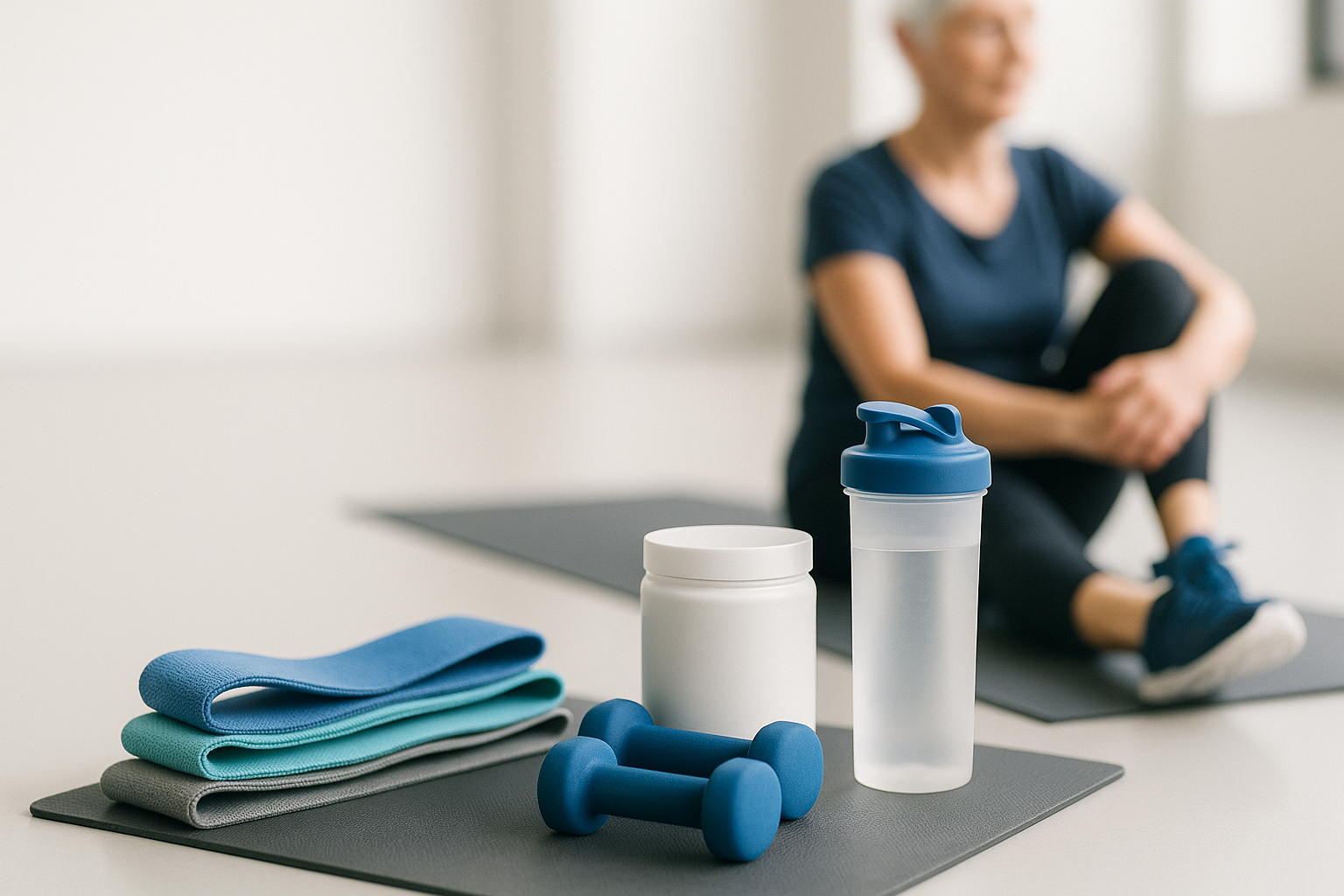
The people most likely to benefit from creatine for bone-related goals are those who need more muscle, more strength, and better training capacity, especially older adults and postmenopausal women.
That is because bone health and muscle health are tightly linked. When someone enters midlife or older age, they often face a double problem: bone loss and declining muscle mass. In postmenopausal women, lower oestrogen accelerates bone turnover and can reduce bone density. At the same time, muscle mass and power often decline, making resistance training harder to sustain. Creatine may be helpful here because it supports the part of the equation that is trainable every week: muscle performance.
For searchers looking for creatine for bone health women or creatine and menopause bone, the most evidence-based position is this: creatine may be worthwhile for women who are doing resistance training, want to preserve strength and lean mass, and need every practical edge to keep lifting consistently. It is especially relevant if fatigue, lower training output, or reduced recovery is holding back exercise quality.
Creatine may also be useful for:
- Older adults with osteopenia, meaning low bone density that is not yet osteoporosis.
- People in rehab or after inactivity, if muscle loss has reduced confidence and function.
- Vegetarians or vegans, who often have lower baseline creatine stores and may respond well to supplementation.
- Masters athletes, who want to maintain strength, power, and training volume as they age.
It may be less relevant as a bone-specific strategy for young healthy adults with normal bone density who are already eating well and training consistently, although it can still be useful for performance. Likewise, if someone cannot or will not do meaningful weight-bearing or resistance exercise, creatine’s bone-related upside is much smaller.
For more on female-specific use cases, read creatine for women and creatine and menopause. Those guides go deeper on why creatine is often more compelling as women move through perimenopause and menopause.
How to use creatine for bone health: a practical step-by-step plan that actually makes sense
If your goal is to use creatine for bone health or osteoporosis support, the smartest plan is to pair daily creatine with progressive resistance training and enough protein, then stay consistent for months, not days.
- Choose creatine monohydrate. Creatine monohydrate is the most studied, most cost-effective, and best-supported form. Fancy alternatives have not shown superior real-world outcomes.
- Take 3-5 g every day. A once-daily maintenance dose is enough for most people. Loading is optional. For bone-related goals, speed matters less than consistency.
- Lift at least 2-3 times per week. Focus on movements that load the hips, spine, legs, and upper body: squats or sit-to-stands, step-ups, hinges, rows, presses, carries, and machine work if needed.
- Use progressive overload. Aim to gradually increase weight, repetitions, or total training volume over time. Creatine is most useful when it helps you do slightly more quality work.
- Hit your protein target. Bone protection is not just about minerals. Protein supports muscle retention and training adaptation, both of which matter for bone loading.
- Keep the other bone basics in place. Adequate calcium intake, vitamin D sufficiency, sleep, and weight-bearing activity still matter.
- Reassess after 8-12 weeks. Ask: am I stronger, more stable, and training better? Those are realistic early signs creatine is helping.
What should you expect week by week?
- Week 1: If loading, faster saturation; if not, little noticeable change yet.
- Weeks 2-4: Some people notice slightly better workout performance, recovery between sets, or a modest increase in body weight from intracellular water.
- Weeks 4-8: Strength and training volume improvements become easier to spot if your programme is well designed.
- Weeks 8-12+: Functional benefits such as easier stair climbing, better confidence under load, or improved gym numbers are more realistic than visible bone changes.
If you need help dialling in the basics, use our creatine dosage calculator, then see how to take creatine and how long creatine takes to work.
Dosing specifics by body weight and goal, plus whether a loading phase is worth it
For bone-related goals, most people do well with 3-5 g of creatine monohydrate daily, and loading is optional rather than necessary.
The classic loading protocol is about 20 g per day split into 4 doses for 5-7 days, followed by 3-5 g per day for maintenance. This saturates muscle faster. But if your goal is long-term support for strength, training quality, and healthy aging rather than rapid performance changes this week, simply taking 3-5 g daily is usually easier and just as effective over time.
| Body weight | Simple daily dose | Who this suits | Loading option |
|---|---|---|---|
| Under 60 kg | 3 g/day | Smaller adults, cautious starters | Optional: 20 g/day split for 5-7 days, then 3 g/day |
| 60-90 kg | 3-5 g/day | Most adults | Optional: 20 g/day split for 5-7 days, then 3-5 g/day |
| Over 90 kg | 5 g/day | Larger adults, higher lean mass | Optional: 20 g/day split for 5-7 days, then 5 g/day |
A few practical points:
- Take it every day, including rest days. Muscle creatine saturation depends on consistency, not only workout timing.
- Split doses if your stomach is sensitive. Two smaller servings can be easier than one bigger serving, especially during loading.
- Do not chase mega-doses. More is not better once your muscles are saturated.
For osteoporosis, the goal is not a dramatic acute effect. The goal is to support better training, better function, and better retention of muscle over the long term. That is why the most sustainable dosing plan usually wins.
If you want a more tailored breakdown, see how much creatine per day, creatine loading phase, and creatine maintenance dose.
Timing, meals, and rest days: the best schedule is the one you will actually follow
For bone health, the best time to take creatine is simply the time you can take it every day without missing doses.
Creatine is not like caffeine, where timing strongly changes the same-day effect. Its main benefit comes from gradually saturating muscle stores. That means daily adherence matters more than precise timing. You can take creatine in the morning, after training, with lunch, or at night. Most people do well taking it with a meal or shake because it becomes part of a repeatable routine.
Some people prefer post-workout because it is easy to remember. Others who train early find breakfast easier. If creatine causes mild stomach upset on an empty stomach, take it with food and more water.
Key timing rules:
- Take it daily, even on non-training days.
- Pair it with an existing habit, such as breakfast, a protein shake, or brushing your teeth after dinner.
- Hydrate normally. Creatine does not require extreme water intake, but staying well hydrated is sensible.
- Do not stress over exact workout windows. Missing the “perfect” time matters far less than missing the dose.
This is especially important for older adults. The best creatine protocol is the one that survives real life, including travel, appointments, inconsistent workout times, and busy mornings.
If you miss a day, do not double up in panic. Resume your normal dose the next day. Muscle creatine levels do not disappear overnight.
For more practical guidance, read when to take creatine, creatine on rest days, and whether to take creatine with or without food.
Safety, side effects, and the important medical cautions if you have osteoporosis or other health issues
Creatine monohydrate is generally considered safe for healthy adults at standard doses, but having osteoporosis often means also having medications, kidney concerns, or other medical factors that deserve attention.
The broad safety profile of creatine is one of its strengths. The ISSN position stand and the 2021 JISSN review both reinforce that creatine is well studied and safe for generally healthy people when used appropriately. Common side effects are usually mild and practical:
- Temporary weight gain, usually from increased intracellular water, not fat.
- Stomach upset if large doses are taken at once.
- Occasional bloating complaints, often improved by using smaller doses or skipping loading.
Important cautions:
- Kidney disease: People with known kidney disease should not self-prescribe creatine without medical guidance.
- Complex medication use: If you take osteoporosis medications, diuretics, or multiple prescriptions, ask your pharmacist or physician whether anything about your case changes the plan.
- Abnormal lab interpretation: Creatine can increase serum creatinine, which is a breakdown product used in kidney-function testing. That does not automatically mean kidney damage, but it can confuse lab interpretation.
If you have osteoporosis and are older, the smartest move is to tell your clinician you are taking creatine before your next blood test so your lab results are interpreted properly.
Also remember that “safe” does not mean “appropriate for every medical scenario.” If you have severe frailty, swallowing issues, major gastrointestinal problems, or advanced renal disease, professional guidance matters more than internet reassurance.
If safety is your main concern, our deeper guides on is creatine safe, creatine and kidneys, and creatine and medication interactions are the best next reads.
Common myths and mistakes: what creatine does not do for osteoporosis
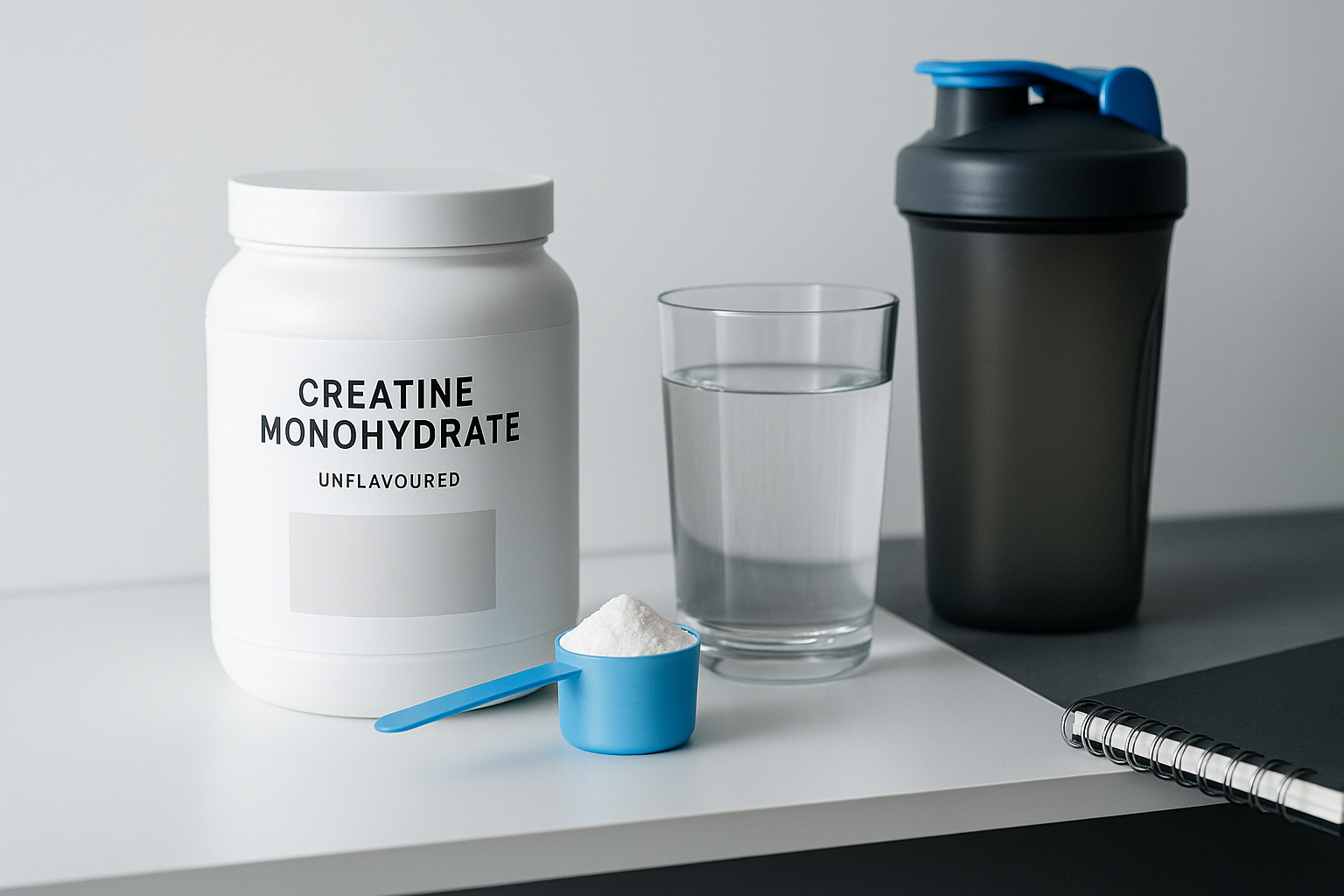
The biggest mistake people make with creatine and osteoporosis is expecting a direct medication-like effect on bone density, when creatine’s likely value is mostly supportive and indirect.
Let’s clear up the common myths.
- Myth: Creatine rebuilds bone on its own.
Reality: Human trials do not consistently show that creatine alone meaningfully increases BMD. Any benefit likely depends on better muscle and better training. - Myth: If creatine helps muscle, it must automatically prevent fractures.
Reality: Fracture risk depends on many factors, including bone quality, age, medications, balance, falls, vision, and home environment. - Myth: More creatine means more bone benefit.
Reality: Once muscle stores are saturated, extra creatine does not produce extra magic. Standard daily dosing is enough. - Myth: Women should avoid creatine because it causes “bulk.”
Reality: Creatine supports performance and lean mass; it does not act like an anabolic steroid. It is often especially useful for women trying to preserve strength during aging. - Myth: If the scale goes up, creatine is making osteoporosis worse.
Reality: Early weight gain is usually water inside muscle cells, not fat or harm to bone.
Common practical mistakes include:
- Taking creatine but doing no resistance training.
- Using under-dosed gummies or blends without checking grams per serving.
- Stopping after two weeks because bone results are not “visible.”
- Buying trendy forms instead of plain monohydrate.
- Ignoring the bigger picture of protein, calcium, vitamin D, and progressive loading.
Put bluntly, creatine is not a shortcut around the hard part. The hard part is still lifting regularly, eating well, and staying consistent long enough for the musculoskeletal system to adapt.
For more myth-busting, see creatine myths debunked and creatine myths vs. facts.
How to choose a creatine product in Canada: monohydrate first, label clarity second, hype last
If you are buying creatine in Canada for bone, aging, or menopause-related goals, choose a plain creatine monohydrate product with clear dosing, good manufacturing practices, and trustworthy labelling.
In Canada, many supplements are sold as Natural Health Products and may carry an NPN, or Natural Product Number, which is a Health Canada product licence number shown on the label. An NPN is not a guarantee of superiority, but it does show the product has been reviewed under Canada’s system. For higher-confidence buying, many people also look for third-party testing or sport certifications where relevant.
| What to check | What you want | Why it matters |
|---|---|---|
| Form | Creatine monohydrate | Most studied and most cost-effective |
| Dose per serving | 3-5 g clearly listed | Makes daily use simple and accurate |
| Ingredient list | Minimal, ideally just creatine monohydrate | Less filler, easier troubleshooting |
| Testing | Third-party tested if possible | Useful for purity and contamination confidence |
| Canadian label quality | Clear directions, lot info, NPN where applicable | Signals stronger compliance and transparency |
| Price | Good cost per gram | Creatine is a long-term supplement, so value matters |
You do not need an osteoporosis-specific creatine formula. In most cases, that is just marketing layered onto a standard ingredient. If you want to combine bone support tools, it is usually better to buy plain creatine and manage calcium, vitamin D, and protein separately so each dose is transparent.
Start with reputable options in our best creatine rankings, browse the creatine brand reviews, or compare options in the creatine product catalog. If you are unsure whether micronized is worth it, it can be convenient for mixing, but it is still just monohydrate.
Bottom line: where creatine fits in an osteoporosis-prevention or bone-support plan
Creatine can have a place in a bone-support plan, but its role is as a helper, not a hero.
If your question is “can creatine help protect bone density?”, the best evidence-based answer is: possibly, mostly indirectly, and especially when combined with resistance training. Creatine is not proven to prevent osteoporosis on its own, and it should not be presented as a stand-alone treatment for bone loss. But it can still be a smart, low-cost addition for older adults, postmenopausal women, and anyone trying to preserve muscle, strength, and physical function as part of healthy aging.
The practical formula looks like this:
- Take 3-5 g/day of creatine monohydrate.
- Do progressive resistance training 2-3+ times per week.
- Keep protein, calcium, vitamin D, and overall nutrition in order.
- Use creatine for months, not days, before judging it.
- View success as better strength, better function, and better training quality first.
If you already have osteoporosis, keep your clinician in the loop and treat creatine as one tool among many. If you are trying to prevent age-related bone loss, creatine becomes more compelling when your real goal is broader: staying strong enough to keep loading your skeleton year after year.
For the most relevant next reads, go to creatine and bone health, creatine and aging, and the complete creatine guide.
Creatine and Osteoporosis: The numbers that matter most
- 3-5 g/day Standard daily creatine monohydrate dose — Suitable for most adults using creatine for long-term support
- 20 g/day Typical loading dose — Usually split into 4 doses for 5-7 days, then reduced to maintenance
- 5-7 days Classic loading timeline — Speeds muscle saturation but is optional for bone-related goals
- 2-3 sessions/week Minimum resistance-training target — Creatine is most useful for bone health when paired with regular progressive loading
Frequently Asked Questions
Does creatine help osteoporosis?
Creatine may help osteoporosis support, but it is not a proven osteoporosis treatment. Its most plausible benefit is indirect: creatine can improve strength, lean mass, and exercise capacity, which may help you do the resistance training that supports bone health over time.
Can creatine increase bone mineral density?
Creatine has not consistently been shown to increase bone mineral density in human trials. Some studies suggest possible benefits when combined with resistance training, but overall the evidence is mixed and not strong enough to say creatine reliably raises BMD on its own.
Is creatine good for postmenopausal women with bone loss?
Creatine can be a sensible add-on for postmenopausal women with bone loss, especially if they are resistance training. The likely advantage is better support for muscle and strength during menopause, which may help maintain the loading stimulus bones need, rather than a direct bone-drug effect.
Can creatine prevent fractures?
There is no solid evidence that creatine alone prevents fractures. Any potential benefit would probably come from improved strength, balance, and physical function that may lower fall risk, not from a clearly established direct reduction in fracture incidence.
What is the best creatine dose for bone health?
The best practical dose for bone-support goals is usually 3-5 g of creatine monohydrate daily. Loading with about 20 g per day split into 4 doses for 5-7 days is optional, but it is not necessary if your goal is long-term consistency rather than rapid saturation.
Should women take creatine for bone health?
Women can absolutely take creatine for bone-support goals, especially during perimenopause and menopause. The strongest case is for women who are also doing resistance training and want help preserving muscle, strength, and training quality as age-related bone loss becomes more relevant.
Does creatine stop bone loss?
Creatine does not clearly stop bone loss by itself based on current research. It may still be useful as part of a broader plan that includes lifting, adequate protein, calcium, vitamin D, and medical treatment when needed.
Is creatine safe for older adults with osteoporosis?
Creatine is generally considered safe for healthy older adults at standard doses, but people with osteoporosis often have other medical issues that deserve individual review. If you have kidney disease, take multiple medications, or monitor bloodwork regularly, speak with your clinician before starting.
Do you need to work out for creatine to help bone health?
Yes, working out matters a lot if your goal is bone health. Creatine’s likely bone benefit comes mainly from helping you train harder or preserve muscle better, so without regular resistance or weight-bearing exercise, its bone-related value is much smaller.
Which form of creatine is best for osteoporosis support?
Creatine monohydrate is the best form for osteoporosis support because it is the most studied, most reliable, and most cost-effective option. Other forms may be marketed as advanced, but they do not have better evidence for bone outcomes.