Organika Creatine Review: Canadian Brand Quality, Purity & Value
By The Creatine Canada Research Team — Evidence-based supplement analysts
Organika creatine is likely a solid, practical choice for most Canadian buyers if the product is plain creatine monohydrate with a clear dose, valid Natural Product Number, and clean sourcing details. The bigger question is not whether Organika “works” differently, but whether its label transparency, purity signals, price per gram, and testing stack up well against other monohydrate options in Canada.
Evidence-based · Cites 4 sources · Editorial standards
Key Takeaways
- If Organika creatine is straight creatine monohydrate, it should work as well as any other properly made monohydrate at the same dose.
- The best way to judge Organika creatine quality is by ingredient simplicity, NPN status, lot transparency, and third-party testing signals.
- A standard effective dose is 3 to 5 g daily; loading is optional, not required.
- Price matters: compare cost per 100 g or per 5 g serving, not just tub price.
- For most Canadians, unflavoured monohydrate is the smartest buy unless a flavoured version is nearly the same cost per gram.
- Organika is a reasonable buy if it is competitively priced and clearly labelled, but it does not have a special performance advantage over other monohydrate brands.
Our direct verdict: is Organika creatine good for Canadians?
Yes, Organika creatine is probably a good option if the product is simple creatine monohydrate, properly dosed, and sold with normal Canadian compliance markers such as a valid Natural Product Number, or NPN, which is Health Canada’s product licensing identifier for natural health products. In practical terms, an Organika creatine review should focus less on brand mystique and more on whether the tub gives you plain monohydrate, accurate dosing, clear labelling, and fair value.
That matters because creatine is not a supplement where a premium brand usually creates premium results. Creatine monohydrate works by raising intramuscular phosphocreatine stores, which helps your body regenerate ATP, or adenosine triphosphate, faster during short, intense efforts. If two products both deliver real creatine monohydrate at the stated dose, they should perform similarly in the gym. The 2017 International Society of Sports Nutrition position stand concluded that creatine monohydrate is the most effective ergogenic nutritional supplement currently available for increasing high-intensity exercise capacity and lean mass gains during training, and it did not reserve that benefit for one brand over another.
So, is Organika creatine good? Usually, the answer is yes if you want a mainstream Canadian brand and you verify a few basics:
- Ingredient list: ideally just creatine monohydrate, or creatine monohydrate plus flavouring agents if flavoured.
- Dose per serving: a real-world serving should provide about 3 to 5 g.
- Canadian labelling: look for an NPN and compliant directions.
- Testing signals: batch info, third-party testing, or credible quality claims.
- Price per gram: compare value against other products in our best creatine rankings and broader creatine brand reviews.
If you are new to creatine, the most important point is simple: Organika creatine monohydrate should work because monohydrate works, not because Organika has invented a superior form. If you are an experienced buyer, the decision comes down to label quality, sourcing confidence, texture, mixability, and cost.
That is the fairest summary of Organika creatine Canada shoppers need: it is a potentially good, low-drama buy, but only if the fundamentals check out.
What Organika creatine monohydrate actually is, and what it is not
Organika creatine monohydrate is, at its core, a delivery format for the same evidence-based creatine compound used across the supplement industry. In plain English, if the label says creatine monohydrate, you are buying the most studied form of creatine, not a unique muscle-building molecule.
This is important because supplement marketing often tries to turn commodity ingredients into proprietary breakthroughs. Creatine monohydrate is a white, stable powder that increases total creatine stored in muscle. Once muscle stores rise, you can perform slightly more total work in training, especially in repeated bursts of high effort such as hard sets, sprints, jumps, and explosive intervals. Over time, that extra training capacity is one of the main reasons creatine supports better strength and lean mass gains.
What Organika creatine is not:
- It is not an anabolic steroid.
- It is not a stimulant and should not feel like caffeine.
- It is not a fat burner.
- It is not meaningfully better than other honest monohydrate powders just because of the brand name.
- It is not supposed to produce instant day-one strength jumps unless you are loading and responding quickly.
The 2021 JISSN paper on common questions and misconceptions about creatine noted that many fears and marketing claims around creatine are overstated or false, including misconceptions about safety, dehydration, cramps, and kidney harm in healthy users. That broader context matters in any Organika supplement review because buyers often confuse a brand review with a verdict on creatine itself. Those are two different questions.
If you are assessing Organika creatine quality, think in layers:
- Ingredient quality: Is it plain monohydrate?
- Manufacturing quality: Is the label clear and compliant?
- User experience quality: Does it mix reasonably well and sit well digestively?
- Value quality: Is the cost per gram competitive?
If you want a broader primer before choosing a brand, read creatine product catalog for formats and options, or start with a fundamentals piece like what creatine is if you are still learning the basics.
The key takeaway is straightforward: Organika creatine should be judged as a monohydrate product first and a brand second.
Why any good monohydrate works: the science behind Organika creatine
Organika creatine works for the same reason all legitimate creatine monohydrate works: it increases phosphocreatine stores in muscle, which helps regenerate ATP faster during short, intense exercise. That mechanism is well established, and it is why creatine is especially useful for strength training, sprinting, repeated intervals, and sports with explosive efforts.
ATP is the immediate energy currency your muscles use for contraction, but stored ATP runs low quickly during high-output work. Phosphocreatine acts like a rapid backup system by donating a phosphate group to help remake ATP. When your muscles store more creatine, they can replenish ATP a bit faster between and during repeated hard efforts. That does not turn you into a different athlete overnight, but it can improve total training volume, repeated-power performance, and eventually muscle and strength gains.
According to the 2017 ISSN position stand, creatine monohydrate remains the most effective and best-researched form of creatine for increasing high-intensity exercise performance and lean body mass. Examine’s evidence summary also consistently places creatine among the highest-confidence sports supplements for strength and power outcomes.
In practice, here is what that means for an Organika creatine review:
- Best-supported use: resistance training, sprint work, repeated high-intensity efforts.
- Typical experience: more reps at a given load, slightly better power maintenance, and fuller muscles from increased intracellular water.
- Longer-term payoff: better adaptations over weeks and months because you can train harder or recover better between bouts.
What the evidence does not say is just as important. Creatine is not magic for endurance-only athletes, though it can still help in sports with surges or finishing power. It also does not guarantee visible muscle gain unless your training and protein intake are in order.
If you want to understand how the timing of benefits unfolds, see how long creatine takes to work. If you want a deeper mechanism explainer, our broader science pages on ATP and creatine saturation are useful next reads.
Bottom line: if Organika supplies real monohydrate in the right dose, the science says it should work just as expected.
How to judge Organika creatine quality in Canada: purity, labelling, and trust signals
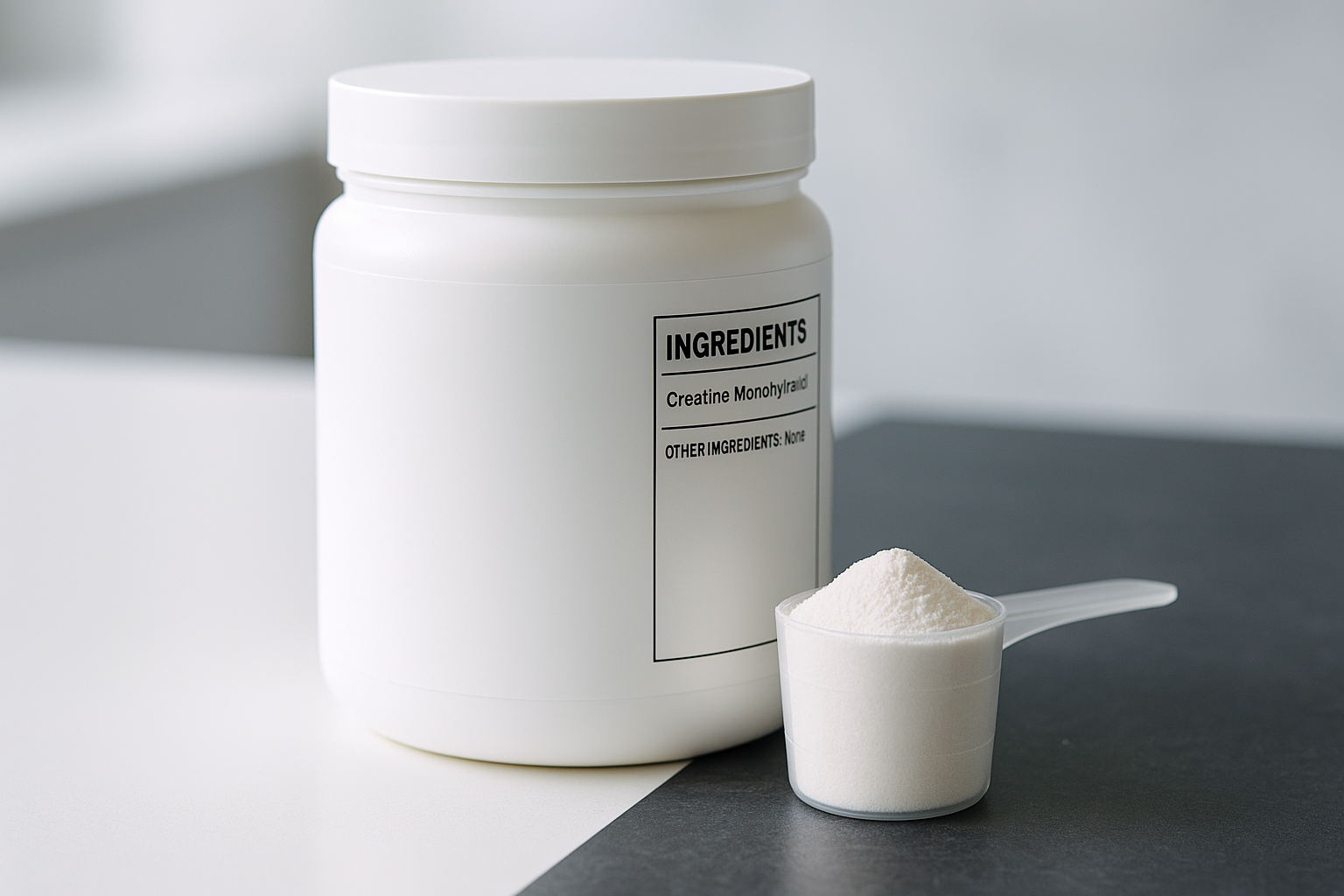
The best way to judge Organika creatine quality is to inspect the label like a sceptical buyer, not like a fan. In Canada, quality starts with legal and manufacturing transparency, then moves to purity and contamination risk.
First, check for an NPN. An NPN means the product has been licensed by Health Canada as a natural health product, and the label should follow Canadian rules on ingredient naming, dose, claims, and directions. An NPN is not a guarantee of elite athletic testing, but it is a meaningful baseline signal that the product is not operating outside normal compliance channels.
Second, read the ingredient panel. The cleanest option is one ingredient: creatine monohydrate. Flavoured products are not automatically bad, but every extra ingredient creates more room for sweeteners, acids, anti-caking agents, or lower dose density. If you care about pure value, unflavoured tubs usually win.
Third, look for testing language. The strongest signals are specific, not vague:
- Third-party tested for purity or contaminants
- Lot or batch number on the package
- Tamper seal
- Clear serving weight in grams rather than only “one scoop”
For competitive athletes, certification matters even more. The 2018 IOC consensus on dietary supplements emphasised that supplement contamination is a real risk and that athletes should favour products with strong quality assurance and batch controls. If Organika creatine is intended for tested sport, a general health brand profile may be acceptable, but a sport-specific certified product can be safer from a banned-substance risk perspective.
Here is a practical Canadian buyer checklist for Organika creatine Canada purchases:
- Verify the product name says creatine monohydrate.
- Look for the NPN.
- Confirm the serving provides about 3 to 5 g.
- Check whether the scoop weight matches the stated grams.
- Compare price per gram against options in our best creatine rankings.
- If you are drug tested, prioritise stronger sport-certification signals.
If a tub hides the grams, uses proprietary blends, or leans heavily on buzzwords while saying little about testing, that is not a premium product; it is just premium positioning. An honest Organika supplement review should reward transparency, not marketing language.
Organika creatine price and value: what you should compare before buying
Organika creatine price only matters in context, because tub price by itself is a poor value metric. The right way to compare creatine is cost per gram and cost per effective serving, since nearly all plain monohydrate products deliver the same active ingredient.
Many buyers make the same mistake: they see a lower sticker price and assume it is the better deal. But a smaller tub, a lighter scoop, or a flavoured product with fillers can quietly raise the real cost of each 3 to 5 g dose. That is why serious supplement buyers compare standardised value, not packaging.
Use this framework when reviewing Organika creatine monohydrate against other Canadian options:
| Buying factor | What to look for | Why it matters |
|---|---|---|
| Price per tub | Total shelf price | Useful starting point, but not enough on its own |
| Net weight | Total grams in the container | Lets you calculate real cost per gram |
| Serving size | About 3 to 5 g creatine monohydrate | Shows whether a “serving” is actually effective |
| Format | Unflavoured powder usually cheapest | Flavouring often raises cost without improving results |
| Testing/compliance | NPN, batch info, third-party signals | Helps justify paying more if quality assurance is better |
A quick example: if one tub is cheaper but contains many fewer grams, it may cost more for the same month of use. Since a standard maintenance intake is 3 to 5 g daily, the practical question is, “What will 30 to 60 days of effective dosing cost me?” not “Which tub has the smaller number on the price tag?”
For most people, Organika is worth buying when it lands in the middle of the market: not ultra-budget, but not priced like a luxury product without luxury-level testing or sourcing detail. If it costs noticeably more than comparable monohydrate powders, it needs to justify that premium with better certification, verified purity, or a superior user experience.
If value is your main concern, pair this review with our creatine dosage calculator and our broader guides on cost-per-gram value and cheap creatine in Canada. Those will tell you quickly whether Organika creatine price is fair for your body weight and usage pattern.
Simple rule: pay more only when you can name the exact quality benefit you are buying.
Exactly how to take Organika creatine for best results
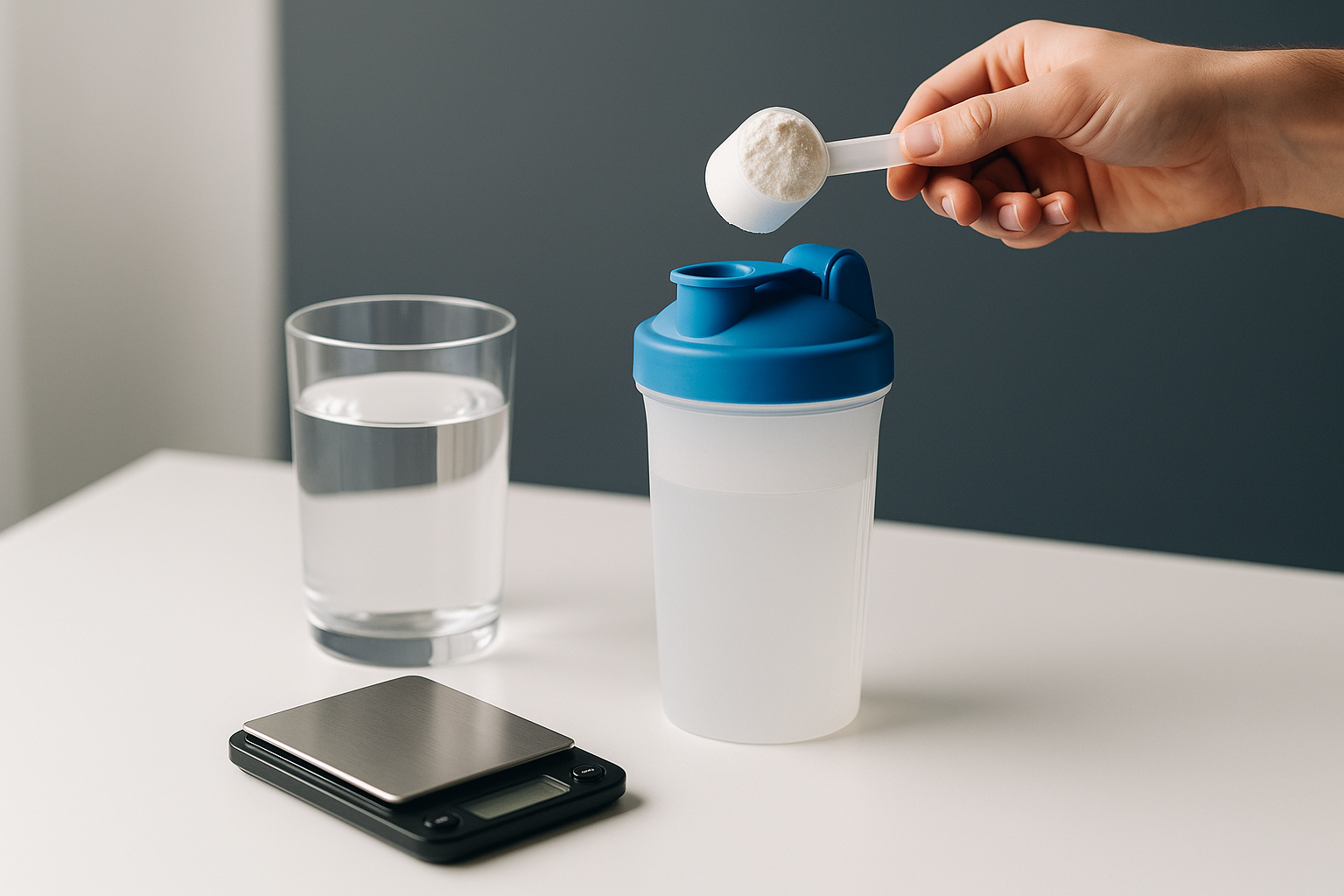
The best way to take Organika creatine is 3 to 5 g once daily, every day, with loading optional. Consistency matters more than timing, because creatine works by saturating muscle stores over time rather than by delivering an acute pre-workout boost.
Here is the simplest step-by-step protocol for beginners:
- Measure your dose. Use the scoop only if the label states the scoop weight clearly in grams. If not, use a kitchen scale at first.
- Take 3 to 5 g daily. Most adults can use this range as a maintenance dose.
- Mix with water or a shake. It can go into plain water, a protein shake, juice, or your usual post-workout drink.
- Take it at a time you will remember. Breakfast, post-workout, or with dinner all work.
- Keep taking it on rest days. Skipping non-training days slows saturation and reduces consistency.
If you want faster saturation, you can use a loading phase of about 20 g per day split into 4 doses for 5 to 7 days, then drop to 3 to 5 g daily. Loading is effective, but it is optional; without loading, full saturation generally takes longer, often around 3 to 4 weeks. If you are prone to stomach upset, skip loading and use the steady-dose approach instead. Our guides on creatine loading phase and how to take creatine go deeper.
For mixing, lukewarm or room-temperature liquid can improve solubility a bit compared with cold water. Grittiness is a texture issue, not a sign the creatine failed. Micronized powders often feel smoother, but standard monohydrate still works.
What should you expect week by week?
- Week 1 with loading: some people notice fuller muscles and small scale weight changes from increased intracellular water.
- Weeks 2 to 4 without loading: training performance may start to feel more repeatable, especially on extra reps and late sets.
- Weeks 4 to 8: better training volume can begin translating into visible strength and muscle progress if your programme and diet are solid.
If you want a body-weight-based dose, use our creatine dosage calculator and compare with how much creatine per day. For most Organika users, the main mistake is not underdosing once, but forgetting doses repeatedly.
Best Organika creatine dose by body weight, training goal, and experience level
The right Organika creatine dose for most adults is still the standard evidence-based dose of 3 to 5 g daily, but body size and training goal can help you choose where to sit in that range. Larger athletes, heavier lifters, and people doing a loading phase often benefit from the higher end.
Creatine dosing is not complicated, but it is often overcomplicated by supplement labels. You do not need “advanced cycles,” escalating protocols, or giant single doses. You need enough daily intake to keep muscle creatine stores saturated.
| Body weight / goal | Practical daily dose | Best use case |
|---|---|---|
| Smaller adult or casual trainee | 3 g/day | General fitness, beginners, lighter body weights |
| Most gym-goers | 5 g/day | Strength, hypertrophy, regular resistance training |
| Loading phase | 20 g/day split into 4 doses for 5 to 7 days | Faster saturation before training block or competition cycle |
| Post-loading maintenance | 3 to 5 g/day | Long-term use after loading |
Goal-specific guidance:
- Muscle and strength: 5 g/day is the simplest default.
- General wellness or active lifestyle: 3 g/day is often enough.
- Vegetarians and vegans: standard doses still apply, but response can be especially noticeable because baseline creatine stores may be lower.
- Older adults: 3 to 5 g/day paired with resistance training is a practical evidence-based starting point.
- Athletes in repeated-sprint sports: 5 g/day is a common maintenance target.
Women do not need a “pink” or specially feminized creatine formula. Women respond to creatine monohydrate too, and the practical dose range is the same. Older adults also do not need a different form; they need consistency, training, and realistic expectations. If these use cases matter to you, see our guides on creatine for women, creatine for older adults, and creatine for athletes.
If you are unsure where to start, choose 5 g/day unless the label’s scoop is awkwardly sized, then scale down to 3 g/day if digestive comfort is better and you are smaller-bodied or less performance-focused. The effective difference between 3 and 5 g is usually smaller than the difference between consistent and inconsistent use.
When to take Organika creatine, how long it takes to work, and how to tell it is helping
You can take Organika creatine any time of day that helps you remember it, because daily consistency matters more than precise timing. Creatine is a saturation supplement, not a stimulant, so it does not need to be “felt” pre-workout to be effective.
There is ongoing interest in whether post-workout timing is slightly better than pre-workout timing, but the bigger evidence-based takeaway is that the difference is likely small compared with taking the right dose every day. For most people, the best timing is the most repeatable timing. If you want more detail, see when to take creatine and creatine on rest days.
How long does it take to work?
- With loading: benefits can begin within about a week because muscle stores rise quickly.
- Without loading: noticeable performance effects often emerge after roughly 2 to 4 weeks of daily use.
- Visible training payoff: strength and muscle changes usually show up over several weeks as your programme compounds the extra training capacity.
How can you tell Organika creatine is working? Look for these boring but meaningful signs:
- One extra rep on late sets
- Better repeat sprint or interval quality
- Slightly fuller muscle look
- Modest early body weight increase from water drawn into muscle, not fat
- Improved ability to maintain output across a full session
What if you feel nothing? That does not mean the product is bad. Creatine is often subtle in the short term, especially if you are not tracking training closely. It works best when you are doing repeated high-intensity work and measuring performance. If you just start taking it while changing nothing else, the effect can be easy to miss.
Three smart ways to monitor response:
- Track rep performance on two or three core lifts.
- Weigh yourself under consistent conditions once or twice weekly.
- Note workout quality, especially in later sets or repeated efforts.
If you still think creatine is “not working,” the issue is usually one of five things: inconsistent dosing, underdosing, unrealistic expectations, low-intensity training, or buying a product with weak label clarity. That is not specific to Organika; it is true across the category.
Who Organika creatine is for: beginners, women, older adults, and athletes
Organika creatine can be a sensible fit for beginners, women, older adults, and many athletes, provided the product is plain monohydrate and dosed properly. The science behind creatine is broad enough that the main question is usually not “Can this group use creatine?” but “What is the goal, and is the product quality appropriate for that goal?”
Beginners: Creatine is beginner-friendly because it is simple, inexpensive, and highly evidence-based. A novice lifter does not need advanced supplements, but if they want one supplement beyond protein, creatine monohydrate is among the strongest candidates. Our creatine for beginners guide covers the exact startup plan.
Women: Women benefit from creatine for strength, training capacity, and lean mass support, and the old “bulking” fear is largely a misunderstanding of water shifts inside muscle. Creatine does not masculinize women, and it is not a hormone supplement. If anything, many women underuse one of the most evidence-based performance supplements available.
Older adults: Creatine can be especially valuable when paired with resistance training, since healthy aging is heavily tied to maintaining muscle, strength, and function. The strongest outcomes still come from training plus creatine, not creatine alone.
Athletes: Team-sport, strength, power, and repeated-sprint athletes are classic creatine users. Endurance athletes may still use creatine strategically, especially if their sport includes surges, finishing kicks, or strength work, though the trade-off of mild body-mass increase deserves consideration.
Vegetarians and vegans: People eating little or no meat often have lower baseline dietary creatine intake, so supplementation can be especially useful. Most commercial creatine monohydrate is synthetically produced rather than extracted from animal tissue, though people with strict preferences should still verify manufacturing and capsule ingredients if buying capsules.
Who may want to be more cautious?
- People with pre-existing kidney disease unless cleared by their clinician
- People taking medications where a clinician has advised caution with supplements
- Pregnant or breastfeeding individuals, because evidence is still not robust enough for routine recommendation
That does not make Organika different from other brands; it reflects standard creatine safety practice. If your goal is mainstream, general-fitness creatine from a Canadian brand, Organika is likely a reasonable fit. If your goal is drug-tested sport, elite certification may matter more than brand familiarity.
Safety, side effects, and the biggest myths in any Organika supplement review
Creatine monohydrate is generally considered safe for healthy people when used at standard doses, and that applies to Organika creatine as well. The main side effects are usually mild and practical, not dramatic: temporary water-weight gain, occasional stomach upset, and sometimes gritty texture or minor bloating if you take too much at once.
The 2021 JISSN review on creatine misconceptions concluded that many common fears are unsupported by the weight of evidence, including claims that creatine causes dehydration, muscle cramping, or kidney damage in healthy individuals. Mayo Clinic similarly describes creatine as likely safe when used appropriately. One nuance matters: creatine can raise creatinine on a blood test because creatinine is a breakdown product of creatine metabolism, and that can confuse people into thinking kidney function worsened when the lab change may simply reflect supplementation.
Most common real-world issues and fixes:
- Stomach upset: split the dose, take it with food, or skip loading.
- Bloating complaints: often improved by avoiding giant single doses and using 3 to 5 g/day steadily.
- Weight gain concern: early gain is usually water inside muscle, not body fat. See does creatine make you gain weight.
- Kidney fear: healthy kidneys and standard doses are generally not a problem, but people with kidney disease should speak to a clinician first. See is creatine bad for your kidneys.
Common myths worth debunking directly:
- “Creatine is a steroid.” False. Creatine is a naturally occurring compound involved in cellular energy metabolism.
- “You must cycle creatine.” False. Routine cycling is not necessary for most users.
- “Better brands give much better gains.” Mostly false for plain monohydrate; quality matters, but the molecule does not become more anabolic because the tub looks premium.
- “Creatine ruins your hair.” Evidence is far too limited and inconsistent to make that claim confidently.
If you want a fuller myth breakdown, visit creatine myths debunked. For most buyers, the honest safety summary is simple: Organika creatine is likely as safe as other well-made monohydrate products when used correctly by healthy adults.
The mistakes that make people think Organika creatine is not working
The most common reason people leave a lukewarm Organika creatine review is not that monohydrate failed; it is that they used it poorly or judged it by the wrong standard. Creatine tends to reward boring consistency and punish impatience.
Here are the biggest mistakes:
- Taking it only on workout days. Creatine works by keeping muscle stores elevated, so rest-day use matters.
- Underdosing. Tiny half-scoops or inconsistent “whenever I remember” use slows saturation.
- Expecting a stimulant effect. If you want a buzz, you are looking for caffeine, not creatine.
- Doing low-intensity training. Creatine shines in high-intensity, repeated-effort contexts.
- Blaming normal water retention. A modest early scale increase is common and usually not fat gain.
- Ignoring diet and protein. Creatine helps training adaptation; it does not replace adequate total calories or protein.
There are also buying red flags that can make any brand, including Organika, a weaker choice:
- No clear gram amount per serving
- Heavy marketing with little manufacturing detail
- Needlessly complicated blends instead of plain monohydrate
- Unclear Canadian compliance information
- A premium price without premium-quality evidence
If you suspect the product is the issue, compare it with other options in our creatine brand reviews and our creatine product catalog. If you suspect your protocol is the issue, read creatine not working and common creatine mistakes.
A useful mental model is this: creatine is more like brushing your teeth than like taking a pre-workout. You do not evaluate it based on a dramatic feeling. You evaluate it based on whether the routine is happening consistently and whether the long-term outcome improves.
For most users, Organika creatine will seem “good” when they dose it properly and “average” when they expect it to behave like a stimulant. That is not a flaw in the product; it is a misunderstanding of the supplement category.
Bottom line: should you buy Organika creatine in Canada?
Yes, you should consider buying Organika creatine in Canada if it is plain creatine monohydrate, clearly labelled, reasonably priced per gram, and backed by normal Canadian quality signals like an NPN and transparent serving information. No, you should not pay a big premium for it unless the brand gives you a clear purity, certification, or sourcing advantage.
That is the most honest possible answer to the question behind most searches for “organika creatine review.” Creatine monohydrate is the gold-standard form. If Organika delivers that form cleanly and competitively, it is a good buy. If another Canadian option gives the same thing for less, or with stronger athlete-focused certification, the other option may be the better buy.
Who should buy it:
- Canadian shoppers who want a familiar mainstream brand
- Beginners who want a simple monohydrate product
- Lifters, team-sport athletes, and active adults who value convenience and straightforward dosing
Who may want to compare more carefully:
- Budget-focused buyers comparing cost per gram
- Drug-tested athletes who want stronger third-party sport certification
- Shoppers who prefer maximum sourcing detail or a specific raw-material pedigree
If you do buy it, use a simple protocol: 3 to 5 g daily, every day, for at least several weeks, and judge results by training performance and consistency rather than hype. If you want help choosing between brands, start with our best creatine rankings. If you already have a tub and just want to use it properly, go to creatine dosage calculator or how to take creatine.
Final verdict: Organika creatine is likely a solid, no-nonsense Canadian monohydrate option, but like every creatine, it earns its place on purity, transparency, dosing, and value, not on branding alone.
Organika Creatine Review: the numbers that matter most
- 3-5 g/day Standard effective daily dose — Typical maintenance range for creatine monohydrate in healthy adults
- 20 g/day Optional loading dose — Usually split into 4 doses for 5-7 days to saturate faster
- 2-4 weeks Typical time to notice benefits without loading — Consistency matters more than timing
- 1 ingredient Ideal label for pure value — Plain creatine monohydrate is usually the simplest and most cost-effective choice
Frequently Asked Questions
Is Organika creatine good?
Yes, Organika creatine is likely good if it is plain creatine monohydrate with a clear dose, valid Canadian labelling, and reasonable value per gram. The real test is not the brand name but whether the product is simple, accurately dosed, and transparent about quality.
Is Organika creatine monohydrate as effective as other brands?
Yes, Organika creatine monohydrate should be as effective as other legitimate monohydrate brands when taken at the same dose. Creatine performance benefits come from the monohydrate itself, not from one brand having a meaningfully different muscle-building mechanism.
How much Organika creatine should I take per day?
Most people should take 3 to 5 g of Organika creatine per day. A 5 g daily dose is a simple default for lifters and athletes, while 3 g daily is often enough for smaller adults or more general fitness use.
Do I need to load Organika creatine?
No, you do not need to load Organika creatine for it to work. Loading at 20 g per day split into 4 doses for 5 to 7 days can saturate muscle faster, but a steady 3 to 5 g daily still works well over the following few weeks.
When should I take Organika creatine?
You can take Organika creatine whenever you are most likely to remember it daily. Pre-workout, post-workout, or with a meal are all fine, because creatine works through muscle saturation over time rather than immediate stimulation.
Is Organika creatine safe?
Organika creatine is generally considered safe for healthy adults when used at standard doses, just like other creatine monohydrate products. People with kidney disease, relevant medical conditions, or medication concerns should speak with a clinician before using it.
Does Organika creatine cause bloating or weight gain?
Organika creatine can cause a modest early increase in body weight, but that is usually water drawn into muscle rather than fat gain. Some users also describe mild bloating, which is often reduced by avoiding very large single doses and sticking to 3 to 5 g daily.
Is Organika creatine worth the price in Canada?
Organika creatine is worth the price only if its cost per gram is competitive for a monohydrate product and the label provides good transparency. Compare the net grams, serving size, and quality signals rather than judging value by the sticker price alone.
Does Organika creatine need an NPN in Canada?
Yes, in Canada you should generally expect a creatine supplement sold as a natural health product to have an NPN. An NPN does not prove elite athletic certification, but it is an important sign that the product follows Canadian regulatory labelling standards.
Can beginners use Organika creatine?
Yes, beginners can absolutely use Organika creatine, and creatine monohydrate is one of the most evidence-based supplements a novice can choose. The simplest beginner protocol is 3 to 5 g daily, every day, while following a proper training plan.