Creatine and Mood: Can It Help With Low Energy, Brain Fog, and Mental Wellbeing?
By The Creatine Canada Research Team — Evidence-based supplement analysts
Creatine may improve mood for some people, but the evidence is strongest for mental energy, fatigue resistance, and possible support in low-mood states rather than as a proven stand-alone mood booster. In practice, creatine monohydrate is most likely to help if your low mood overlaps with brain fog, poor sleep, heavy training, stress, ageing, or lower baseline creatine intake such as in vegetarians and vegans.
Evidence-based · Cites 4 sources · Editorial standards
Key Takeaways
- Yes, creatine can improve mood in some people, but the evidence is mixed and not strong enough to call it a treatment for depression on its own.
- Creatine is more consistently linked to better cellular energy, less mental fatigue, and clearer thinking than to dramatic changes in happiness or emotional state.
- The standard evidence-based dose is 3-5 g of creatine monohydrate daily, with an optional 20 g/day loading phase split into 4 doses for 5-7 days.
- People most likely to notice mood-related benefits include vegetarians, vegans, older adults, hard-training athletes, and people dealing with sleep loss or brain fog.
- If creatine helps your mood, the change is usually subtle and indirect: better training, less fatigue, better recovery, and improved cognitive resilience.
- Creatine monohydrate is still the best choice for mood and mental wellbeing because it is the most studied, safest, and most cost-effective form.
- If you have depression, bipolar disorder, kidney disease, or take medications, use creatine only with guidance from a qualified healthcare professional.
Does creatine improve mood? The direct answer most people need first
Yes, creatine may improve mood in some people, but it is better supported as a tool for mental energy and fatigue resistance than as a guaranteed mood enhancer. That is the most accurate answer to the question does creatine improve mood.
Creatine is a compound your body makes from amino acids and stores mostly in muscle, but also in the brain. Its key job is to help recycle ATP, which is adenosine triphosphate, the cell’s immediate energy currency. When brain cells are under high demand from stress, sleep loss, intense training, ageing, or low dietary creatine intake, improving this energy buffer may help you feel less mentally drained. For some people, that translates into better focus, less brain fog, steadier motivation, and a more positive overall state.
The important nuance is that creatine is not a replacement for mental-health care. The strongest evidence base for creatine remains exercise performance, muscle mass, and high-intensity training support, as summarized by the 2017 ISSN position stand. Research on creatine and mood is promising, but it is smaller, less consistent, and more dependent on the person and context.
If you are asking about creatine for mood, here is the practical summary:
- If your issue is low energy, brain fog, training fatigue, or mental sluggishness, creatine is more likely to help.
- If your issue is a diagnosed mood disorder, creatine should be viewed only as a possible adjunct, not a primary treatment.
- If you already respond well to training and good sleep, mood benefits may be modest rather than dramatic.
For beginners, the simplest and most evidence-based approach is 3 to 5 g of creatine monohydrate once daily. You do not need a fancy formula. You also do not need to cycle it. If you want the complete basics first, see our creatine dosage calculator and beginner guide to creatine product catalog options.
Bottom line: creatine can support mood indirectly and sometimes directly, but the realistic expectation is improved mental energy and resilience, not a pharmaceutical-style mood lift.
How creatine could help mental wellbeing: the brain-energy mechanism in plain English
Creatine may support mental wellbeing because it helps the brain regenerate energy faster during periods of high demand. That mechanism is why the conversation around creatine and mental wellbeing is scientifically plausible.
Inside cells, creatine is stored partly as phosphocreatine, which is creatine bound to a phosphate group. Phosphocreatine acts like a rapid backup battery: it donates phosphate to help rebuild ATP when energy is being used quickly. In muscle, that matters during sprinting or lifting. In the brain, it may matter during demanding cognition, emotional stress, sleep restriction, or anything that increases energy pressure on neurons.
Why does that matter for mood? Because low mental energy and low mood often overlap. People rarely describe poor wellbeing in purely emotional terms. They describe feeling flat, foggy, slow, unmotivated, mentally tired, and unable to cope. If creatine improves energy availability in the brain, it may improve some of those symptoms even when it does not directly change mood chemistry in the same way an antidepressant might.
There are several plausible pathways:
- ATP buffering: more efficient energy recycling may help neurons keep functioning under stress.
- Sleep-loss resilience: creatine appears especially interesting when mental performance is impaired by inadequate sleep.
- Training recovery: better workouts and better recovery can improve mood indirectly through less fatigue and better self-perceived performance.
- Lower baseline stores: people who eat little or no meat may start with lower creatine stores, which can make supplementation more noticeable.
This is also why people asking about creatine and brain fog are often really asking an energy question, not just a motivation question. If your fog is partly driven by mental fatigue, heavy training, or poor recovery, creatine has a rational case. If your brain fog is caused by thyroid disease, iron deficiency, medication side effects, depression, or sleep apnea, creatine is less likely to be the main fix.
For a broader look at how creatine affects cognition, see creatine and the brain: memory, focus, and mental energy. For the full supplement background, our what is creatine guide covers the basics.
Bottom line: the best theory for creatine mood benefits is improved brain energy availability, with mental wellbeing gains most likely when fatigue and low energy are part of the problem.
What the evidence actually shows on creatine and mood benefits
The current evidence suggests creatine can help mood-related outcomes in some settings, but the research is not yet strong enough to say it reliably improves mood for everyone. That is the honest answer if you want the science without the sales pitch.
The best-established creatine evidence is still physical performance and training adaptation. The ISSN position stand and the 2021 JISSN review on common creatine questions and misconceptions both reinforce that creatine monohydrate is effective, safe for healthy people, and extensively studied.
When it comes to creatine for emotional health or creatine and positive mood, the evidence is more mixed. Some human studies and reviews suggest potential benefits in:
- people with low mood or depressive symptoms, especially as an add-on rather than a stand-alone intervention
- people under sleep deprivation or high cognitive stress
- vegetarians and vegans, who may have lower baseline creatine stores
- older adults, where energy metabolism and fatigue can become more limiting
What the evidence does not currently prove is that creatine consistently lifts mood in healthy, well-rested people with no fatigue issues. It also does not prove that creatine works as a replacement for therapy, medication, exercise, or sleep improvement.
A useful way to think about the data is this:
- Strong evidence: creatine improves phosphocreatine stores, helps high-intensity exercise, and supports training adaptations.
- Moderate evidence: creatine can support some aspects of cognition and mental energy, especially under stress or sleep loss.
- Emerging evidence: creatine may help some mood outcomes, but effects are context-dependent and not universal.
Examine’s evidence summary is a good overview of where the human data stand today: Examine.com — Creatine evidence summary. If your interest is more specifically low mood, our related guide on creatine and depression goes deeper into that narrower question.
Bottom line: creatine mood benefits are credible but not guaranteed, and they look strongest when fatigue, poor recovery, low dietary creatine, or metabolic stress are part of the picture.
Who is most likely to feel a mood or brain-fog benefit from creatine
The people most likely to notice creatine-related mood benefits are those with lower baseline creatine stores or higher brain-energy demands. In other words, creatine is usually most noticeable when you need the support most.
Here are the groups worth paying closest attention to:
- Vegetarians and vegans: because dietary creatine comes mainly from meat and fish, plant-based eaters often start lower and may respond more clearly. See creatine for vegetarians.
- Women: not because women need a different ingredient, but because fatigue, training stress, under-fuelling, and life-stage changes can make brain-energy support more relevant. Our creatine for women guide goes deeper.
- Older adults: creatine may support both physical function and mental energy as recovery and resilience decline with age.
- Athletes and heavy trainers: mood often improves indirectly when recovery, training quality, and perceived energy improve.
- Sleep-deprived people: creatine seems especially promising when cognitive performance is being challenged by inadequate sleep.
- People with recurring brain fog: if your fog is linked to stress, overreaching, intense work, or low energy availability, creatine may be worth trying.
Beginners often ask whether they need to train hard for creatine to help. The answer is no. While exercise makes the overall payoff bigger, creatine’s brain-energy role is not limited to lifters or bodybuilders. Even if you are simply trying to think more clearly and feel less mentally flattened, creatine is still a rational option.
At the same time, there are people who should be more cautious. If you have bipolar disorder, kidney disease, are pregnant or breastfeeding, or take medications that affect kidney function or mental health, discuss creatine with a healthcare professional before starting. That is not because creatine is inherently dangerous for everyone, but because mood symptoms deserve proper context and monitoring.
Bottom line: creatine is most likely to help mood-related symptoms when low energy, sleep disruption, plant-based eating, ageing, or heavy physical or cognitive demand are part of your reality.
How to take creatine for mood, low energy, and brain fog: a simple step-by-step plan
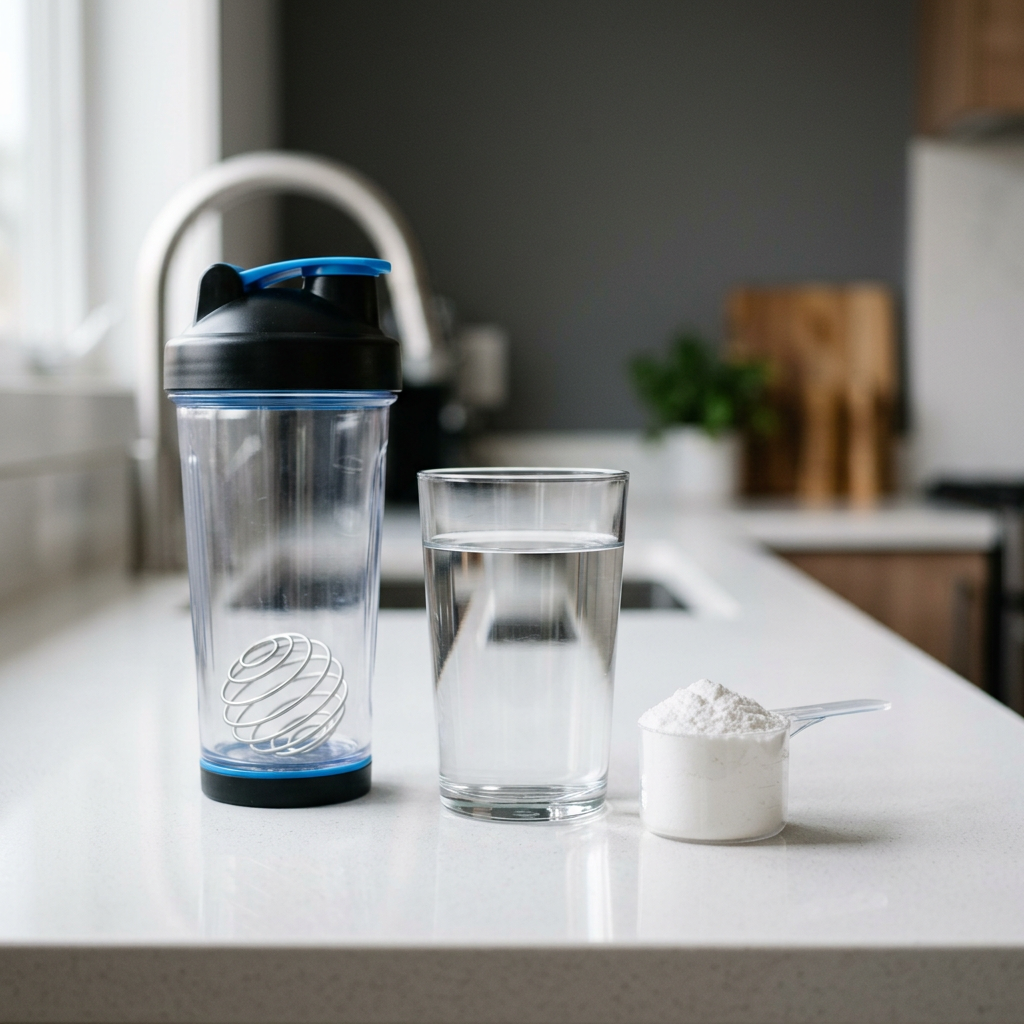
If you want to try creatine for mood or brain fog, use plain creatine monohydrate at 3 to 5 g daily for at least 4 weeks before judging it. That is the simplest protocol with the best evidence behind it.
- Choose the right form. Buy creatine monohydrate, ideally unflavoured or simply flavoured, from a reputable brand. Monohydrate is the gold standard. Start with our best creatine rankings or creatine brand reviews.
- Pick a daily dose. Most adults do well with 3 to 5 g per day. Bigger bodies and very active people often prefer the upper end.
- Decide whether to load. If you want faster saturation, take 20 g per day split into 4 doses for 5 to 7 days, then drop to 3 to 5 g daily. If you prefer simplicity and fewer digestive issues, skip loading and just take 3 to 5 g daily.
- Take it consistently. Time of day matters much less than daily adherence. Breakfast or post-workout are easy anchors. See when to take creatine.
- Mix it well. Stir into water, a protein shake, or another cold or room-temperature drink. If it feels gritty, use more liquid or warm water first. Our how to take creatine guide covers mixing details.
- Track the right outcomes. Do not expect a stimulant effect. Watch for changes in mental fatigue, training drive, cognitive stamina, recovery, sleep-loss resilience, and general sense of effort.
- Reassess at 4 to 8 weeks. If nothing changes after consistent use, creatine may still be helping your training, but it may not be a noticeable mood lever for you.
A realistic first-month timeline looks like this:
- Week 1: possibly nothing noticeable, especially without loading.
- Week 2: some people report slightly better training energy or less afternoon mental drag.
- Weeks 3-4: clearer sense of whether recovery, brain fog, or day-to-day mental steadiness are improving.
- Weeks 5-8: best period to judge subtle quality-of-life effects.
Bottom line: treat creatine like a daily saturation supplement, not a quick mood hit, and give it enough time to work before deciding whether it helps.
Best creatine dose for mood support, by body weight and goal
The best creatine dose for mood-related goals is usually the same dose used for general saturation: 3 to 5 g per day of creatine monohydrate. There is no special “mood dose” with stronger evidence than standard daily dosing.
That said, body size and goal can help you choose where to land in the range. Smaller adults often do fine at 3 g daily, while larger or very active adults often choose 5 g daily for simplicity and coverage.
| Body weight / goal | Daily dose | Best for | Notes |
|---|---|---|---|
| Under 60 kg | 3 g/day | General wellbeing, beginners | Good starting point if you want the lowest effective daily dose. |
| 60-90 kg | 3-5 g/day | Most adults | 4 to 5 g is common if you also train regularly. |
| Over 90 kg | 5 g/day | Larger bodies, athletes | Practical maintenance dose for full saturation support. |
| Faster results | 20 g/day for 5-7 days, then 3-5 g/day | People who want quicker saturation | Split into 4 doses to reduce stomach upset. |
| Brain fog / low energy focus | 3-5 g/day | Mental energy support | Consistency matters more than timing. |
If you want precise guidance, use our creatine dosage calculator or read how much creatine per day. If you are wondering whether higher doses are better for mood, the answer is usually no for self-directed use. Higher doses can increase the chance of digestive side effects without guaranteeing better mental wellbeing.
Two common mistakes are worth avoiding:
- Under-dosing: taking 1 or 2 g occasionally is often not enough to fully saturate stores.
- Expecting instant effects: creatine is not caffeine. It works by gradually increasing tissue stores.
Some people also ask whether women or older adults need a different dose. In most cases, the same 3 to 5 g daily rule still applies, adjusted mainly for body size, tolerance, and adherence.
Bottom line: if your goal is mood support, low energy relief, or less brain fog, use the standard creatine monohydrate dosing playbook rather than chasing a special protocol.
When to take creatine for mental wellbeing, and how to tell if it is working
The best time to take creatine for mental wellbeing is the time you will remember to take it every day. For mood and brain-fog goals, consistency matters far more than exact timing.
Unlike stimulants, creatine does not create an immediate sensation. You will not usually “feel it kick in.” Instead, it works by gradually increasing creatine and phosphocreatine stores in tissues. That is why the question is less “when should I take it?” and more “am I taking it every day?”
Practical timing options:
- With breakfast: easy habit, helpful if you want a stable morning routine.
- Post-workout: convenient for people who already use a shake.
- With lunch: useful if morning supplements upset your stomach.
- On rest days at the same time: keeps the habit locked in.
What does “working” look like for creatine and mood? Usually not euphoria. More often, it looks like:
- less afternoon mental fade
- slightly better stress tolerance
- reduced sense of brain fog
- better training drive or consistency
- fewer days where you feel mentally flat after hard workouts
- better function after poor sleep than you would usually expect
A good self-test is to rate these areas from 1 to 10 before starting and again after 4 weeks: mental clarity, motivation to train, afternoon energy, perceived recovery, and overall wellbeing. Creatine’s effects are often easier to see on paper than in the moment.
If you are mainly using creatine for exercise but are hoping for bonus cognitive benefits, our guides on how long creatine takes to work and creatine and sleep are useful complements.
Bottom line: take creatine daily at any consistent time, then judge it by changes in mental stamina, recovery, and brain fog over several weeks, not by whether you feel an acute buzz.
Safety, side effects, and when mood symptoms mean you need medical advice
Creatine monohydrate is generally considered safe for healthy people at recommended doses, but mood symptoms still deserve medical context. Safety and efficacy are both emphasized in the ISSN position stand and major clinical summaries such as Mayo Clinic — Creatine.
Common side effects are usually mild and dose-related rather than dangerous. They include:
- stomach upset
- loose stools, especially with large single doses
- temporary water-weight gain from increased intracellular water
- grittiness or bloating if mixed poorly or taken too fast
These problems are often preventable by using 3 to 5 g daily, mixing well, and avoiding huge one-time doses. If digestion is an issue, read creatine digestive side effects.
Now the more important point: if you are using creatine because you feel persistently low, emotionally numb, anxious, hopeless, or cognitively impaired, do not assume a supplement is the whole answer. Mood changes can be caused by depression, anxiety disorders, medication effects, thyroid issues, iron deficiency, sleep disorders, overtraining, perimenopause, chronic stress, or many other medical factors.
You should get medical advice promptly if you have:
- depression symptoms lasting more than 2 weeks
- panic, severe anxiety, or agitation
- suicidal thoughts or self-harm thoughts
- major changes in sleep, appetite, or daily function
- history of bipolar disorder or mania
- kidney disease or medications affecting kidney function
Creatine does not appear to be inherently harmful to kidneys in healthy users at normal doses, but context matters. If kidney questions worry you, see is creatine bad for your kidneys and our broader is creatine safe guide.
Bottom line: creatine is a reasonable low-risk supplement for many healthy adults, but persistent or serious mood symptoms should always be assessed by a qualified healthcare professional.
Common myths about creatine and mood, debunked
Most confusion about creatine and mood comes from expecting it to work like a stimulant, antidepressant, or hormone booster. It is none of those.
Let’s clear up the biggest myths.
- Myth: Creatine gives you an instant mood high.
Fact: Creatine is a saturation supplement. It works gradually by improving cellular energy handling, not by stimulating the nervous system. - Myth: If creatine helps training, it must directly make you happier.
Fact: Better workouts can improve mood indirectly, but that does not mean creatine has a guaranteed direct antidepressant effect. - Myth: More creatine equals more mood benefit.
Fact: Once stores are saturated, extra creatine does not necessarily improve results and may simply raise the chance of digestive discomfort. - Myth: Creatine causes emotional instability because it causes water retention.
Fact: The water weight from creatine is mainly intracellular, meaning inside muscle cells, and is not known to cause mood problems in healthy users. - Myth: Only bodybuilders benefit from creatine.
Fact: Creatine supports energy metabolism in all humans, including older adults, plant-based eaters, and non-athletes. - Myth: If you do not notice a mood change, creatine is not working.
Fact: You may still be getting training, recovery, or cognitive resilience benefits without feeling a dramatic emotional shift.
The most common real-world mistakes are also simple:
- using inconsistent dosing
- switching products too often
- buying fancy forms instead of monohydrate
- judging it after only a few days
- ignoring bigger causes of low mood like poor sleep or under-eating
If you want a broader myth breakdown, visit creatine myths debunked and creatine myths vs. facts.
Bottom line: creatine can support mood-related outcomes, but expecting it to behave like caffeine or an antidepressant is the fastest way to misunderstand what it can actually do.
Best creatine for mood support: what to buy in Canada and what to avoid
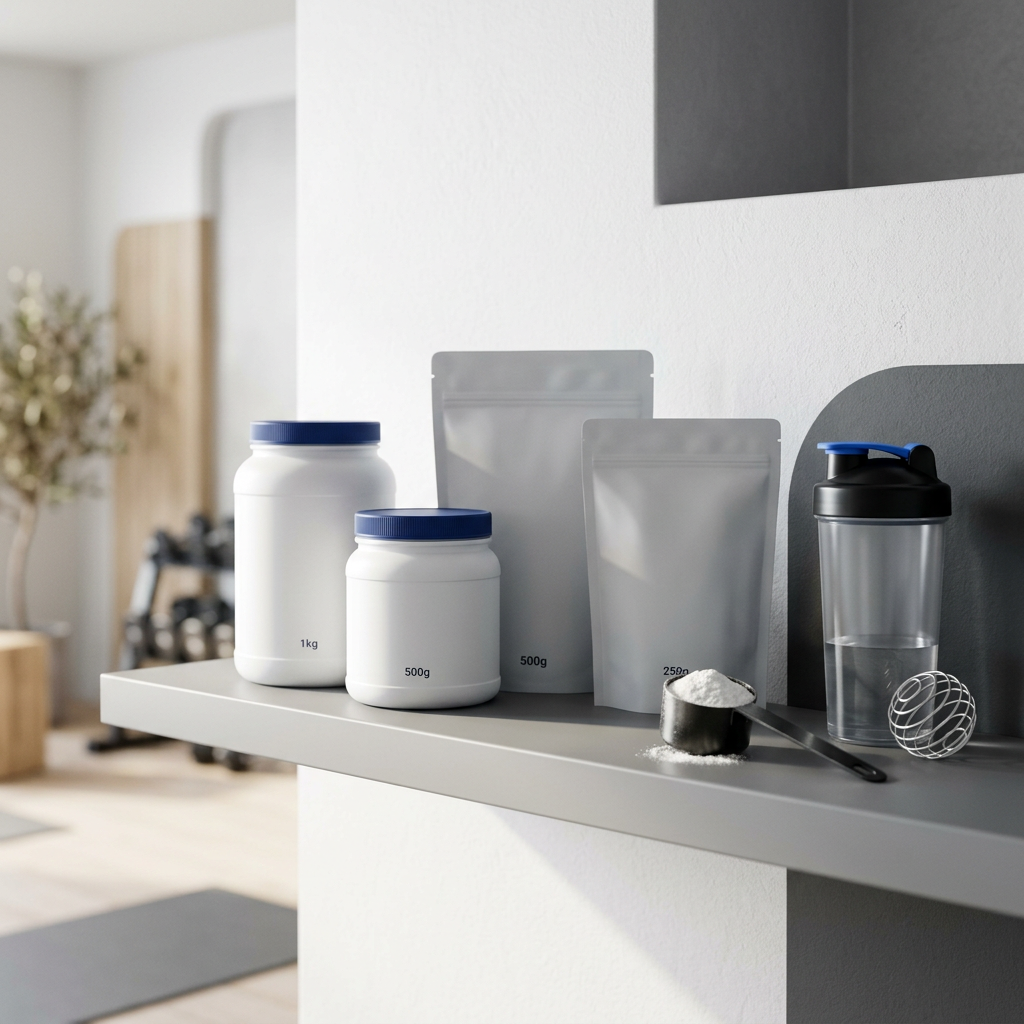
The best creatine for mood support is plain creatine monohydrate from a reputable brand with clear labelling and sensible dosing. In Canada, simplicity usually wins.
You do not need a special “brain creatine” or “mood creatine.” The evidence still points to monohydrate as the best-studied and most cost-effective form. The 2021 JISSN misconceptions paper reinforces that newer forms have not consistently outperformed monohydrate in meaningful ways.
When buying in Canada, look for:
- Creatine monohydrate as the active ingredient
- clear serving size in grams, ideally making it easy to reach 3 to 5 g daily
- NPN on the label, which is the Natural Product Number used on licensed natural health products in Canada
- third-party testing or sport certification if you are a tested athlete
- minimal extras if you want the best value and least chance of GI irritation
| Option | Best choice? | Why | Watch-outs |
|---|---|---|---|
| Creatine monohydrate powder | Yes | Most studied, flexible dosing, usually lowest cost per gram | Can be slightly gritty if mixed poorly |
| Micronized monohydrate | Usually yes | Same ingredient, often mixes better | May cost more for convenience only |
| Capsules | Sometimes | Convenient for travel | Often more expensive and requires many capsules |
| Gummies or blends | Usually no | Convenience or taste | Higher cost, lower dose per serving, added sugars or fillers |
| HCL or trendy forms | Usually no | Marketing appeal | Less evidence for superior mood or performance results |
If you want product help, start with best creatine monohydrate in Canada, how to choose creatine, and third-party tested creatine in Canada.
Bottom line: for creatine and positive mood goals, buy the same thing you would buy for performance: a reputable creatine monohydrate product with clear dosing, Canadian-compliant labelling, and no unnecessary hype.
The bottom line on creatine and mood
Creatine can improve mood for some people, but its most reliable mental benefit is better energy availability, less fatigue, and improved resilience rather than a dramatic emotional lift. If your low mood is tied to poor recovery, sleep loss, heavy training, low dietary creatine intake, ageing, or brain fog, creatine is a sensible supplement to trial.
The most evidence-based way to use it is straightforward:
- choose creatine monohydrate
- take 3 to 5 g daily
- consider loading only if you want faster saturation
- stay consistent for at least 4 to 8 weeks
- track brain fog, mental fatigue, recovery, and day-to-day wellbeing
It is equally important to keep expectations realistic. Creatine is not a cure for depression, not a stimulant, and not a substitute for sleep, food, movement, therapy, or medical care. What it can be is a well-supported, low-cost tool that improves the energy side of human function, and that sometimes includes emotional and cognitive benefits.
If you are ready to start, keep it simple. Use our creatine dosage calculator, compare options in the creatine product catalog, and review quality picks in our best creatine rankings.
Final answer: yes, creatine may improve mood, especially when mental fatigue and low energy are involved, but the evidence is strongest for indirect support through better brain energy, exercise recovery, and cognitive resilience rather than as a proven stand-alone mood treatment.
Creatine and Mood: The Numbers That Matter
- 3-5 g/day standard daily creatine dose — Best-supported maintenance range for creatine monohydrate.
- 20 g/day optional loading dose — Usually split into 4 doses for 5-7 days to speed saturation.
- 4-8 weeks reasonable trial window for mood-related effects — Allows enough time to judge mental energy, recovery, and brain-fog changes.
- 1 form monohydrate remains the gold standard — Most studied, most reliable, and most cost-effective creatine form.
Frequently Asked Questions
Does creatine improve mood right away?
No, creatine does not usually improve mood right away. Creatine works by gradually increasing tissue creatine and phosphocreatine stores, so any mood-related benefits are more likely to appear over several weeks as mental fatigue, recovery, or brain fog improve.
Can creatine help with brain fog?
Yes, creatine may help with brain fog in some people, especially when the fog is linked to mental fatigue, poor sleep, heavy training, or low dietary creatine intake. It is more likely to improve mental energy and cognitive resilience than to act like a stimulant.
Is creatine good for mental wellbeing?
Creatine can support mental wellbeing for some people, but it is not a guaranteed mood enhancer. The evidence is strongest for better cellular energy availability, which may indirectly support clearer thinking, less fatigue, and a steadier overall sense of wellbeing.
What is the best creatine dose for mood support?
The best creatine dose for mood support is usually 3 to 5 g of creatine monohydrate per day. There is no clearly proven special mood dose, so the same standard daily saturation approach used for performance is the most evidence-based choice.
Can creatine help with low energy and mental fatigue?
Yes, creatine may help with low energy and mental fatigue, particularly when those symptoms reflect high energy demand, poor recovery, sleep loss, or low baseline creatine stores. Its main role is supporting ATP regeneration, which can make mental effort feel less draining.
Does creatine make anxiety worse?
Creatine is not known to reliably make anxiety worse in healthy users, but individual responses can vary. If you have significant anxiety, panic symptoms, bipolar disorder, or a complex mental-health history, it is smart to speak with a healthcare professional before using it.
Who benefits most from creatine for mood?
People most likely to benefit are vegetarians, vegans, older adults, sleep-deprived people, hard-training athletes, and anyone whose low mood overlaps with brain fog or low mental energy. These groups may either start with lower creatine stores or place higher demands on brain energy metabolism.
Is creatine a treatment for depression?
No, creatine is not a proven stand-alone treatment for depression. Some emerging research suggests it may be useful as an adjunct in certain contexts, but it should not replace professional assessment, therapy, medication, or other evidence-based care.
What type of creatine is best for mood benefits?
Creatine monohydrate is the best type of creatine for mood benefits because it is the most studied form overall. There is no strong evidence that HCL, buffered creatine, or other premium forms improve mood better than monohydrate.
How do I know if creatine is helping my mood?
You know creatine may be helping your mood if, after several weeks, you notice less brain fog, better mental stamina, improved recovery, steadier training motivation, or less of an energy crash during stressful days. The benefits are often subtle and easier to notice when you track them.