Creatine and Joint Health: Can It Help With Arthritis and Joint Pain?
By The Creatine Canada Research Team — Evidence-based supplement analysts
Creatine can support joint health indirectly, but it is not a proven treatment for arthritis or joint pain. The best evidence shows creatine helps muscles perform and recover better, which can improve joint support and training tolerance, while direct benefits for cartilage, joint inflammation, or arthritis symptoms remain limited and condition-specific.
Evidence-based · Cites 4 sources · Editorial standards
Key Takeaways
- Creatine is better viewed as a muscle-and-function supplement that may help joints indirectly, not a stand-alone joint supplement.
- If you have arthritis or joint pain, 3 to 5 g of creatine monohydrate daily is the evidence-based starting dose for most adults.
- Loading with 20 g/day split into 4 doses for 5 to 7 days can saturate muscles faster, but it is optional.
- Creatine does not reliably rebuild cartilage or cure knee pain, and the current evidence for direct joint tissue effects is limited.
- People often notice the main benefits through better strength, easier rehab exercise, and less fatigue over 2 to 4 weeks.
- Creatine monohydrate is the most studied, most cost-effective form, and usually the best choice in Canada.
- If you have kidney disease, are pregnant, or take medications that affect kidney function, speak with your clinician before starting.
Creatine and joint health: the direct answer most people actually need
Creatine can help joint health indirectly by improving muscle strength, power, work capacity, and training consistency, but it is not established as a direct treatment for arthritis, cartilage loss, or chronic joint inflammation. If you are searching for “creatine and joint health”, the most accurate answer is that creatine supports the tissues around the joint better than it has been shown to repair the joint itself.
That distinction matters. Joints do not exist in isolation: knees depend on quadriceps and hamstrings, shoulders depend on the rotator cuff and upper back, and arthritic hands still benefit from stronger surrounding muscles and better overall function. When creatine increases the muscle’s phosphocreatine stores, it improves the rapid recycling of ATP, the cell’s immediate energy currency. That lets you train harder, repeat efforts better, and often tolerate rehab work more effectively. In practice, stronger muscles can reduce joint loading per repetition, improve movement quality, and make everyday tasks feel easier.
The strongest creatine evidence is for exercise performance and lean mass, not for osteoarthritis, rheumatoid arthritis, or cartilage regeneration. The 2017 ISSN position stand concluded that creatine monohydrate is the most effective nutritional supplement available for increasing high-intensity exercise capacity and lean body mass during training. That matters for joint health because exercise remains one of the best-supported tools for long-term joint function.
So should you take creatine for joint pain? It can be reasonable if your pain is limiting training, rehab, or strength maintenance, especially if your goal is to preserve muscle around painful joints. It is less compelling if you expect it to act like glucosamine, collagen, or an anti-inflammatory drug, because that is not what the evidence most strongly supports.
If you are new to the topic, start with the basics in our beginner’s guide to what creatine is, then use the creatine dosage calculator to set a practical daily dose. For most people with knee pain, age-related joint stiffness, or exercise-related discomfort, the realistic goal is not “joint healing from creatine” but “better strength and better movement with creatine supporting the process.”
How creatine may help joints, cartilage, and connective tissue in the real world
Creatine may help joints through several plausible mechanisms, but the best-supported pathway is still improved muscle function rather than direct cartilage repair. When people ask about “creatine and cartilage” or “creatine and connective tissue”, the honest answer is that the biology is interesting, but the practical payoff appears to come mostly from better training capacity and tissue support around the joint.
First, creatine raises intramuscular phosphocreatine, which helps regenerate ATP during short, intense muscular contractions. Better ATP availability means you can often perform more quality reps, maintain force output longer, and recover more quickly between sets. Around a vulnerable knee, hip, or shoulder, that can translate into better strengthening of the muscles that stabilize the joint.
Second, creatine appears to increase cell hydration, meaning more water is drawn into muscle cells. Cell swelling is not just a cosmetic effect; it may act as an anabolic signal and can support training adaptations over time. Better muscle size and function can reduce mechanical stress on some joints by improving shock absorption and control during movement.
Third, there is emerging interest in whether creatine influences inflammation, oxidative stress, or connective tissue metabolism. Some preclinical and small human data suggest possible anti-inflammatory or cytoprotective effects in certain contexts, but these findings are not strong enough to say creatine directly lowers joint inflammation in arthritis. If that is your main question, the evidence is still preliminary, not definitive. Our related guide on creatine and inflammation covers that nuance in more depth.
Fourth, creatine may be helpful during rehab or periods of reduced activity because it can help preserve muscle alongside resistance exercise. For someone with arthritic knee pain, post-injury deconditioning, or recurring flare-ups, losing muscle is often part of the problem. Preserving quadriceps strength, glute strength, and general lean mass can make the joint feel more stable and functional even if the cartilage itself does not change.
In plain language: creatine does not magically cushion your joints, but it can help you build and keep the muscle that protects them. That is why creatine often makes more sense as part of a bigger plan that includes strength training, body-weight management when appropriate, smart exercise selection, adequate protein, and sleep.
What the research actually says about creatine and arthritis or joint pain
The current research does not support creatine as a proven treatment for arthritis, but it does support creatine as a useful adjunct when arthritis affects strength, function, or exercise tolerance. That is the most evidence-based way to interpret “creatine and arthritis” and “creatine for joint pain”.
Most creatine trials have been designed around muscle performance, lean mass, and high-intensity exercise rather than joint disease endpoints such as cartilage thickness, synovial inflammation, or pain scores in osteoarthritis. As a result, the evidence base for direct joint outcomes is much thinner than the evidence base for strength and body composition.
In rheumatoid arthritis and other inflammatory conditions, some studies have explored whether creatine can improve muscle function or body composition in people who are prone to weakness and fatigue. Results have been mixed, with some signs of improved muscle performance but not consistent, large reductions in disease activity or joint pain. In osteoarthritis, the strongest intervention remains exercise therapy, particularly progressive resistance training, and creatine may be helpful mainly because it can support that training response.
The larger evidence reviews consistently keep creatine in its proper lane. The 2021 JISSN review on common questions and misconceptions about creatine reinforced that creatine is one of the most researched sports supplements and that many common safety fears are overstated, but it did not elevate creatine to a first-line therapy for joint disease. Likewise, the Mayo Clinic overview frames creatine around athletic performance rather than arthritis treatment.
So what can you reasonably expect? If your joint pain is partly worsened by weakness, fatigue, poor training tolerance, or inactivity, creatine may help you train more effectively and preserve function. If your pain is driven by active inflammatory disease, advanced structural damage, or a medical condition requiring medication, creatine is unlikely to replace proper care.
A good rule is this: use creatine to help you do the things that improve joints, not as a substitute for those things. That usually means pairing it with a progressive rehab plan, supervised strength work, and the advice of a clinician if you have diagnosed arthritis.
Who creatine for joint support makes the most sense for
Creatine for joint support makes the most sense for people whose joints would benefit from stronger, more fatigue-resistant muscles and better exercise adherence. In other words, the people most likely to benefit are not just bodybuilders; they are often beginners, older adults, women, and anyone trying to rebuild function around a painful joint.
Beginners with knee or shoulder discomfort: If pain has made you avoid training, creatine can make the return to strength work more productive. You are not taking it for the joint directly; you are taking it to improve the quality of the rehab and strengthening that protects the joint.
Older adults: Age-related muscle loss, lower training tolerance, and reduced reserve can make joint problems feel worse. Older adults with osteoarthritis often need more, not less, support for maintaining lean mass and functional strength. Creatine is especially compelling here when combined with resistance training. If this is you, see our guide on creatine for older adults.
Women: Women benefit from creatine for the same core reasons men do: better high-intensity performance, lean mass support, and potentially better training consistency. That can matter during perimenopause and menopause, when muscle retention becomes more important for long-term joint function. We cover the details in creatine for women.
Athletes with overuse issues: Tendon irritation, patellofemoral pain, and recurrent training-related aches often respond best to load management and strength. Creatine can support the strength side of that equation, especially during higher-volume phases.
Vegetarians and vegans: People who eat little or no dietary creatine from meat or fish may respond especially well to supplementation because baseline muscle creatine stores can be lower. If that helps them build or preserve muscle more effectively, there can be knock-on benefits for joint support.
Who should be more cautious? Anyone with known kidney disease, complex medication use, or a condition that changes fluid balance should clear supplementation with their clinician first. Also, if you have hot, swollen, acutely inflamed joints or rapidly worsening pain, that is a medical issue first and a supplement question second.
Creatine is best for the person thinking, “I need stronger muscles to support my joints,” not the person hoping for a miracle anti-arthritis powder.
How to take creatine for joint pain or knee health: a simple step-by-step plan
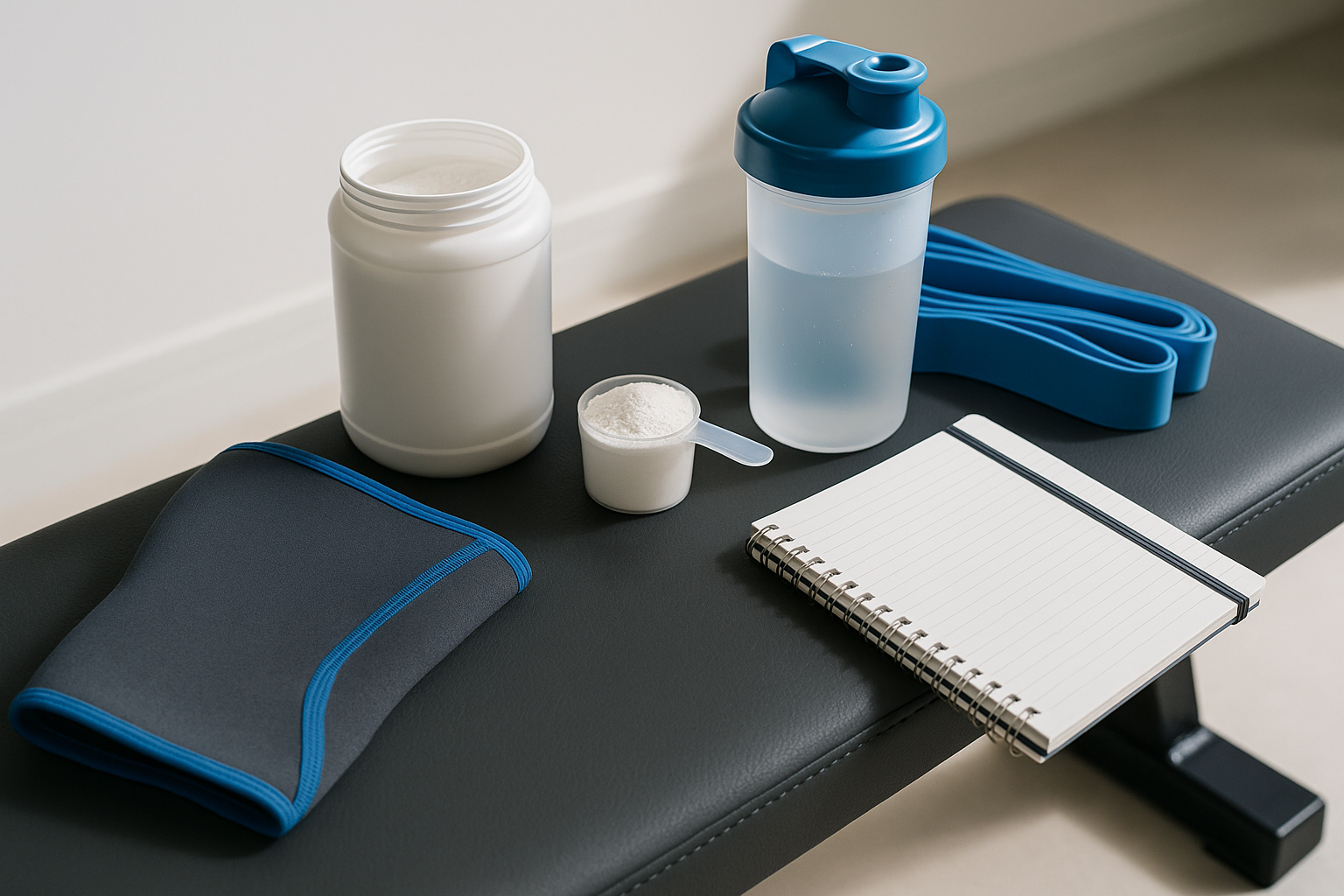
If you want to use creatine for joint pain or knee health, the best approach is to pair a basic creatine protocol with a consistent strengthening plan for the affected joint. The supplement part is simple; the real results come from using it to support better movement and training.
- Choose creatine monohydrate. Creatine monohydrate is the most studied form and the best first choice for nearly everyone. You do not need a fancy joint formula to start. Compare vetted options in our best creatine rankings or browse the creatine product catalog.
- Take 3 to 5 g daily. Most adults can start with 3 to 5 grams once per day. If you are smaller-bodied, 3 grams is often enough. If you are larger, train hard, or want the standard maintenance protocol, 5 grams is reasonable.
- Optional: load for faster results. If you want to saturate muscle stores faster, take 20 grams per day split into 4 doses of 5 grams for 5 to 7 days, then drop to 3 to 5 grams daily. If you tend to get stomach upset, skip loading.
- Take it at a time you will remember. Timing matters far less than consistency. Take it with breakfast, after training, or with any daily meal. For a deeper look, read when to take creatine.
- Start joint-friendly strength work 2 to 4 times per week. For knee health, that might mean squats to a pain-tolerable depth, split squats, leg press, step-ups, hamstring curls, and calf raises. For shoulder health, rows, external rotation work, landmine press variations, and controlled pressing often fit better than random high-volume overhead work.
- Track function, not just pain. Ask: Are stairs easier? Do warm-ups feel smoother? Can you do more quality reps? Is your knee less irritated the day after training? These are more realistic early markers than expecting pain to vanish in a week.
- Give it 2 to 4 weeks minimum. Without loading, creatine generally takes a few weeks to fully saturate muscles. Use our guides on how long creatine takes to work and how to take creatine if you want a full walk-through.
Week by week, many people notice subtle improvements first: slightly better workout stamina in week 1 to 2 if loading, or week 2 to 4 without loading; then better strength progression and easier training tolerance after that. The supplement should make the rehab process more productive, not replace it.
Best creatine dose by body weight and goal for joint support, arthritis, or rehab
The best creatine dose for joint support is usually the same dose used for general performance and muscle saturation: 3 to 5 g per day of creatine monohydrate, with optional loading if you want faster uptake. There is no special high-dose “joint dose” that has been clearly proven superior.
For most people, think in two phases: saturation and maintenance. Saturation means filling muscle creatine stores; maintenance means keeping them there. Loading reaches saturation faster, while daily low-dose use reaches it more gradually.
| Goal / body size | Daily dose | Loading option | Best use case |
|---|---|---|---|
| Smaller adults under about 60 kg | 3 g/day | 15 to 20 g/day split for 5 to 7 days if desired | Beginner, general support, low side-effect risk |
| Most adults 60 to 90 kg | 3 to 5 g/day | 20 g/day split into 4 x 5 g for 5 to 7 days | Standard evidence-based protocol |
| Larger adults over about 90 kg | 5 g/day | 20 g/day split for 5 to 7 days | Higher body mass, harder training, faster saturation desired |
| Rehab or older adult focus | 3 to 5 g/day | Optional, often skipped for comfort | Muscle retention and training tolerance |
| Acute urgency to improve training output | 5 g/day after loading | 20 g/day split for 5 to 7 days | People who want quicker effects |
If you prefer a more formula-based method, a common loading protocol is about 0.3 g/kg/day for 5 to 7 days, followed by roughly 0.03 g/kg/day as maintenance. In real life, though, 3 to 5 g per day is easier and works well for most people.
Examples: a 55 kg woman doing lower-body rehab can start at 3 g/day; a 75 kg man with knee osteoarthritis beginning strength work can use 5 g/day; a 95 kg hockey player managing chronic patellar tendon irritation can use 5 g/day, optionally after loading.
If you are unsure, use the creatine dosage calculator or read how much creatine per day. The key point is consistency. Missing a day here or there is not catastrophic, but taking random doses only on workout days is less effective than daily use.
Timing, hydration, and smart stacking: how to make creatine work better for achy joints
Creatine timing is much less important than total daily intake, but hydration, exercise pairing, and sensible stacking can make the whole plan more comfortable and effective. If you are using creatine for knee health, connective tissue support, or arthritic function, the best habit is the one you can repeat every day.
Timing: Take creatine whenever adherence is easiest. Post-workout, with breakfast, or with another daily supplement all work. There is no strong evidence that taking creatine at a precise hour dramatically changes joint outcomes.
Hydration: Creatine increases water retention inside muscle, which is normal and not the same as harmful dehydration. Most people simply do well by drinking to thirst plus ensuring regular fluid intake across the day. If you are very active, sweat heavily, or notice headaches or GI upset, review how much water to drink with creatine.
Food: Creatine can be taken with or without food. Taking it with a meal may improve comfort for people with sensitive stomachs.
What to stack it with for joint goals:
- Protein: Helpful because muscle support is the main route by which creatine can help joints.
- Collagen or gelatin plus vitamin C: This stack is sometimes used specifically for connective tissue support, though that is a different mechanism from creatine. If you are deciding between the two, see creatine vs collagen.
- Fish oil: Often considered for inflammation support, though that is independent of creatine’s main action.
- Vitamin D: Particularly relevant in Canada for people with low sun exposure and broader musculoskeletal health needs.
What not to overthink: Juice versus water, before versus after training, and “anabolic windows” matter far less than taking the supplement daily for long enough to saturate muscle stores.
If your main issue is knee pain during training, the strongest combination is usually simple: creatine monohydrate daily, a progressive lower-body strength plan, enough protein, and exercise selection that lets you load the joint without repeatedly flaring it up.
Safety, side effects, and when people with arthritis should talk to a clinician first
Creatine monohydrate is generally considered safe for healthy adults at standard doses, including long-term use, but people with arthritis still need to think about the whole medical picture. Arthritis often comes with medications, comorbidities, and lab monitoring, and that context matters more than internet myths.
The ISSN position stand and the IOC consensus on dietary supplements both treat creatine as one of the better-supported and generally safe sports supplements when used appropriately. Common side effects are usually mild and practical rather than dangerous.
Most common side effects:
- Temporary water-weight gain, often from increased intracellular water in muscle
- Stomach upset, especially if you take too much at once
- Occasional bloating or loose stools during loading phases
Important cautions:
- Kidney disease: People with known kidney disease should not self-prescribe creatine without medical guidance.
- Medications: If you use drugs that can affect kidney function, including some anti-inflammatory medications or other prescription therapies, ask your pharmacist or clinician first.
- Blood work confusion: Creatine supplementation can raise creatinine, a blood marker often used to estimate kidney function, without necessarily meaning kidney damage. This is a known issue and a reason to tell your healthcare provider you are taking creatine.
- Pregnancy and breastfeeding: Do not assume sports-supplement safety data automatically apply; speak with a qualified clinician.
If you have inflammatory arthritis, frequent flares, or complex health conditions, bring creatine into the conversation the same way you would any supplement. A reasonable script is: “I’m considering 3 to 5 grams of creatine monohydrate daily to support strength and rehab. Are there any concerns with my medications, kidney function, or lab interpretation?”
For a deeper safety review, see is creatine safe and the creatinine and kidney question. In healthy adults, creatine’s risk profile is usually far more boring than its reputation suggests.
The biggest myths about creatine, joint inflammation, and cartilage repair
The biggest myth is that creatine directly fixes bad joints. It does not. Creatine can support the muscles and training adaptations that help joints function better, but it is not a cartilage regenerator, not a replacement for arthritis treatment, and not a guaranteed anti-inflammatory.
Myth 1: Creatine cures arthritis.
False. There is not strong evidence that creatine cures osteoarthritis, rheumatoid arthritis, or other joint diseases. It may help preserve strength and function, which is useful, but that is different from treating the disease itself.
Myth 2: Creatine rebuilds cartilage.
Not established. There is mechanistic interest in “creatine and cartilage”, but human evidence showing reliable cartilage regeneration from ordinary creatine supplementation is lacking.
Myth 3: Creatine reduces all joint inflammation.
Overstated. Research into creatine and inflammation is promising in some contexts, but you should not assume noticeable reductions in swollen, inflamed joints from creatine alone.
Myth 4: Water retention means bad knees or puffier joints.
Usually false. The typical water gain from creatine is mainly inside muscle cells, not fluid flooding your knee joint. Some people feel heavier on the scale, but that is not the same as worsening joint pathology.
Myth 5: If your joints hurt, avoid creatine because it dehydrates you.
False. Creatine is not a proven dehydrating supplement in healthy users, and modern evidence does not support the old blanket warning that it causes dehydration or cramps.
Myth 6: Expensive forms are better for joints.
Usually false. Monohydrate remains the benchmark. HCL, buffered creatine, and branded blends may market comfort or solubility advantages, but they have not convincingly beaten monohydrate for real-world outcomes.
The practical mistake behind most of these myths is expectation mismatch. People use creatine for “joint support” but never start a proper strengthening plan, never take it long enough, or expect it to feel like an anti-inflammatory drug within days. It is better to think of creatine as a foundation supplement for better rehab performance. Our creatine myths debunked page and common beginner mistakes guide can help you avoid the usual pitfalls.
How to choose the best creatine in Canada if your goal is joint support and rehab
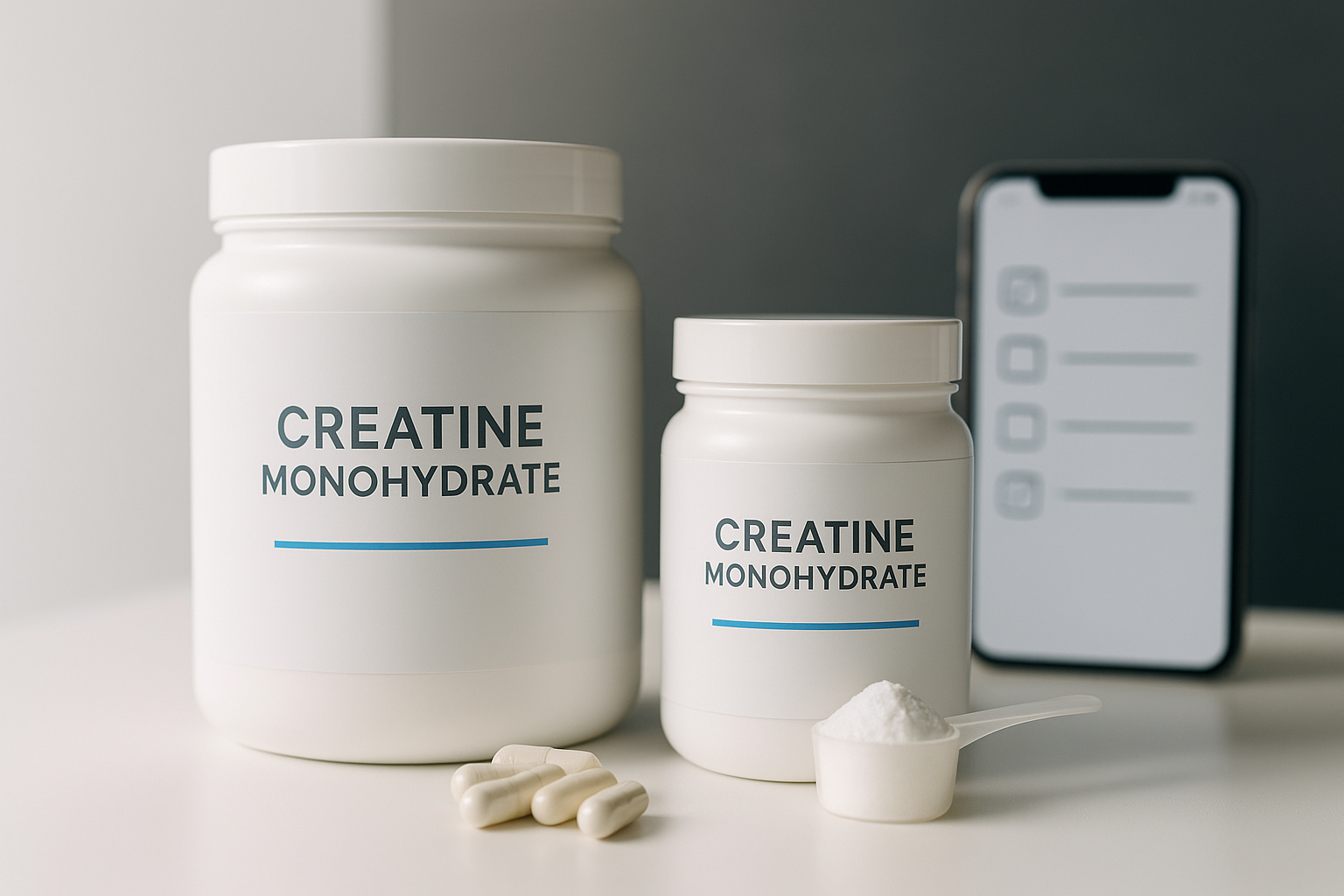
If your goal is joint support, the best creatine in Canada is usually a plain creatine monohydrate product with clear dosing, minimal extra ingredients, and trustworthy quality control. You do not need a “joint matrix” to get creatine’s main benefits, and marketing-heavy blends often cost more without adding much.
In Canada, look for products sold as natural health products where applicable and pay attention to the NPN, or Natural Product Number, which is a Health Canada licensing identifier used on many supplement labels. An NPN does not prove a product is the absolute best, but it does show the product has gone through the appropriate regulatory pathway for sale in Canada.
What to look for:
- Creatine monohydrate as the only active ingredient or the clearly dominant one
- Transparent serving size, ideally making it obvious how many grams you get per scoop
- Third-party testing or reputable manufacturing standards, especially for competitive athletes
- Minimal fluff ingredients if your stomach is sensitive
- Good cost per gram, because creatine is a daily supplement
| Option | Pros | Cons | Best for |
|---|---|---|---|
| Plain monohydrate powder | Best evidence, best value, flexible dosing | Needs mixing, slight grit in some products | Most Canadians |
| Micronized monohydrate | Often mixes a bit easier, same core ingredient | Sometimes priced higher | People who dislike gritty texture |
| Capsules | Convenient, portable | Usually more expensive per gram, many capsules needed | Travel or no-mix users |
| Flavoured blends | Taste and convenience | May add sweeteners, cost, and unnecessary extras | People who struggle with adherence |
If you are comparing products, start with our creatine brand reviews and best creatine rankings. If you want to understand Canadian rules, our guide on creatine approval in Canada explains NPNs and what they do and do not mean.
Bottom line: buy a simple, reputable monohydrate you will actually take every day. For joint support, consistency beats novelty.
Bottom line: should you use creatine for arthritis, knee health, or joint support?
Yes, creatine can be worth using for joint support if your real goal is to improve strength, preserve muscle, and make rehab or training easier to sustain. No, creatine should not be sold as a proven cure for arthritis, a direct cartilage builder, or a stand-alone solution for joint pain.
The strongest case for creatine and joint health is simple: better muscles often mean better joints. If creatine helps you do more quality strength work, recover a little better, and maintain lean mass during periods of pain or ageing, that can have meaningful spillover effects on knee health, function, and overall movement confidence.
The weakest claims are the flashy ones. Direct effects on cartilage, connective tissue regeneration, or joint inflammation remain much less certain than creatine’s effects on exercise performance and muscle. That does not make creatine useless for joint concerns; it just means you should use it with the right expectations.
If you want the simplest evidence-based protocol, here it is:
- Buy plain creatine monohydrate.
- Take 3 to 5 g every day.
- Optional: load with 20 g/day split into 4 doses for 5 to 7 days if you want faster saturation.
- Pair it with progressive resistance training for the affected joint.
- Judge success by better function and better training tolerance over 2 to 4 weeks, not by expecting overnight pain relief.
If you are managing diagnosed arthritis, severe joint swelling, or persistent unexplained pain, use creatine as an adjunct, not as self-treatment in place of proper care. And if you want to build your full routine from scratch, our related guides on creatine for beginners, how to take creatine, and creatine safety are the best next reads.
The most accurate one-sentence summary is this: creatine is a smart support tool for the muscles that protect your joints, but the evidence does not yet justify calling it a direct arthritis or cartilage supplement.
Creatine and Joint Health: The Numbers That Matter
- 3–5 g/day Standard daily maintenance dose — The evidence-based starting range for most adults using creatine monohydrate.
- 20 g/day Typical loading dose — Usually split into 4 doses for 5 to 7 days to saturate muscles faster.
- 2–4 weeks Common timeframe to notice benefits without loading — Mainly through training performance, work capacity, and strength support.
- 1 form Monohydrate is the best-supported option — It remains the most studied and most cost-effective creatine form.
Frequently Asked Questions
Does creatine help with joint pain?
Creatine may help with joint pain indirectly by improving muscle strength, exercise tolerance, and support around the joint. It is not a proven painkiller or anti-inflammatory treatment, so the main benefit usually comes from helping you train and rehabilitate more effectively.
Is creatine good for arthritis?
Creatine can be useful for some people with arthritis, but mainly as a support for strength and function rather than as a treatment for the arthritis itself. If arthritis has reduced your muscle mass or made exercise harder, creatine may help you get more from a resistance-training plan.
Can creatine reduce knee pain?
Creatine is not proven to directly reduce knee pain, but it may help if stronger leg muscles improve how your knee handles load. For many people, the practical value is better tolerance to squats, step-ups, and rehab work rather than immediate pain relief.
Does creatine help cartilage?
There is not strong human evidence that creatine rebuilds cartilage or reverses cartilage loss. The idea is biologically interesting, but at this point creatine is better supported for muscle performance than for direct cartilage repair.
Can creatine reduce joint inflammation?
Creatine is not established as a reliable supplement for reducing joint inflammation. Some emerging research suggests possible effects on inflammation or oxidative stress in certain settings, but that evidence is not strong enough to treat creatine like an anti-inflammatory therapy.
What is the best creatine dose for joint support?
The best creatine dose for joint support is usually 3 to 5 grams of creatine monohydrate per day. That is the same evidence-based dose used for muscle saturation and performance, which is important because the main joint-related benefits appear to come through stronger muscles.
How long does creatine take to help with joint-related training?
Creatine usually takes about 2 to 4 weeks to fully show its effects without loading, and faster if you use a loading phase. What you notice first is typically better workout capacity, easier strength progression, or less fatigue during rehab exercises rather than direct changes in the joint itself.
Is creatine safe for older adults with osteoarthritis?
Creatine is generally considered safe for healthy older adults at standard doses, especially when paired with resistance training, but anyone with kidney disease or complex medication use should check with a clinician first. For osteoarthritis, creatine’s main value is helping preserve muscle and functional capacity.
Should I take creatine or collagen for joints?
Creatine and collagen do different jobs, so the better choice depends on your goal. Creatine is stronger for muscle performance and rehab support, while collagen is more often discussed for connective tissue support, although neither should replace exercise or medical treatment for joint disease.
What type of creatine is best for joint health?
Creatine monohydrate is the best type of creatine for joint health because it is the most studied, most reliable, and most cost-effective form. There is no good evidence that pricier forms like HCL or buffered creatine work better for arthritis, cartilage, or joint pain.