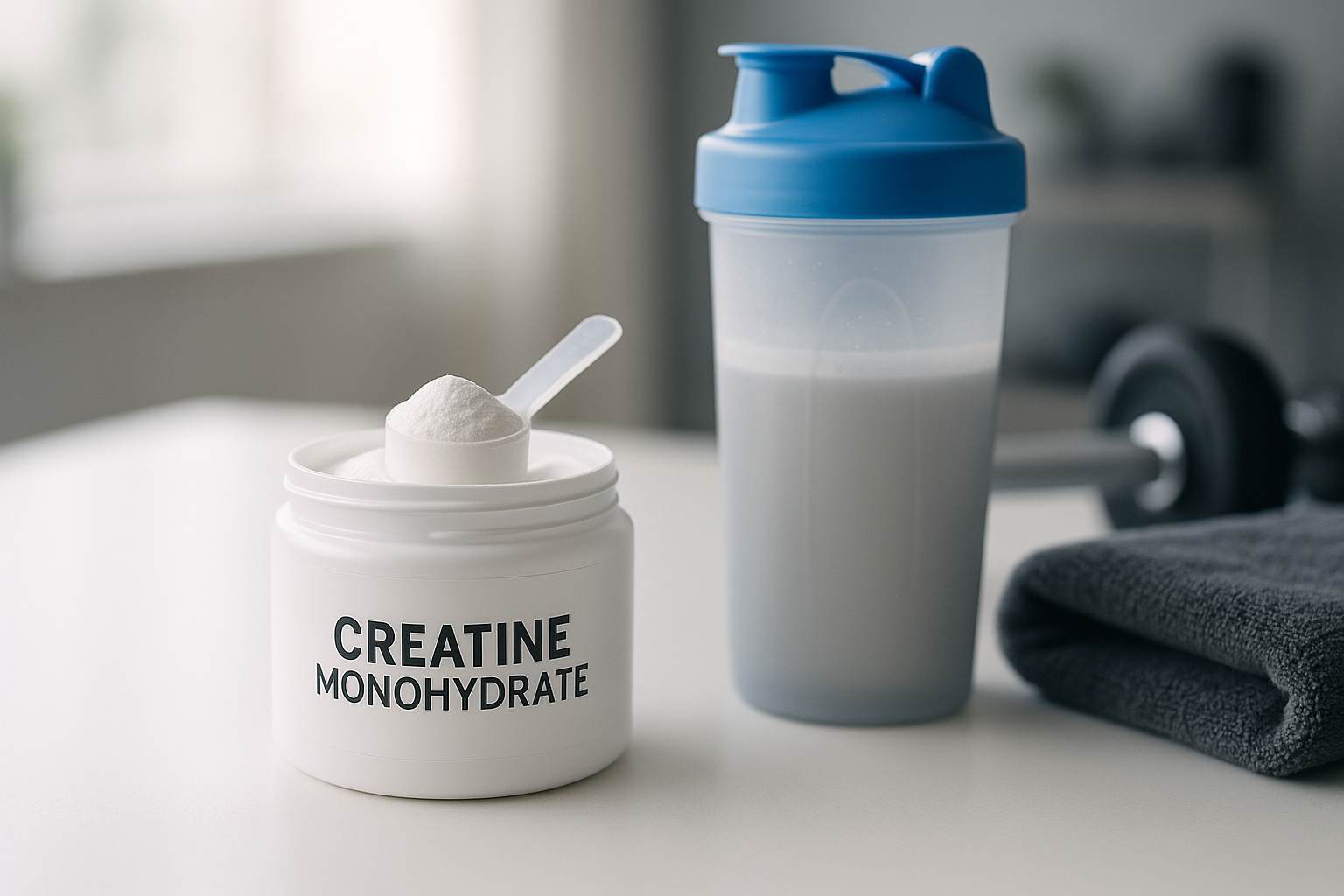
Creatine and Inflammation: Anti-Inflammatory Benefits and What the Research Shows
By The Creatine Canada Research Team — Evidence-based supplement analysts
Creatine is not a proven anti-inflammatory supplement in the way fish oil or prescription drugs are, but the research does suggest it can reduce some inflammation-related damage and blunt certain inflammatory markers in specific contexts, especially hard training, muscle damage, and recovery. In plain English: creatine may help with inflammation indirectly and sometimes directly, but the evidence is mixed and context-dependent.
Evidence-based · Cites 4 sources · Editorial standards
Key Takeaways
- Creatine monohydrate is best viewed as a performance and recovery supplement with possible anti-inflammatory effects, not a primary inflammation treatment.
- The strongest evidence is around exercise recovery, muscle damage, and repeated high-intensity training rather than chronic inflammatory disease treatment.
- Creatine may influence CRP, cytokines, and muscle inflammation in some studies, but results are inconsistent across populations and protocols.
- A standard dose of 3-5 g/day is usually enough; loading at 20 g/day split into 4 doses for 5-7 days only speeds saturation.
- If you want to test creatine for recovery and inflammation-related soreness, use it daily for at least 4-8 weeks while tracking training performance and recovery.
- Creatine monohydrate remains the most studied, most effective, and most cost-effective form for Canadians to buy.
- People with kidney disease, complex medical conditions, or medication concerns should speak with a healthcare professional before starting.
Does creatine reduce inflammation? The short answer most people need first
Creatine can help with inflammation in some situations, but it is not established as a broad anti-inflammatory treatment for everyone. That is the clearest answer to the question behind searches like creatine and inflammation, does creatine reduce inflammation, and creatine anti inflammatory.
What creatine reliably does is increase intramuscular phosphocreatine, which is stored creatine bound to phosphate and used to rapidly regenerate ATP, the cell's immediate energy currency. Better cellular energy availability can reduce secondary stress from intense exercise, support membrane stability, and help muscles recover faster after damaging training. Because hard training itself triggers inflammation, anything that reduces exercise-induced damage can sometimes reduce downstream inflammatory signals too.
That distinction matters. If you are asking whether creatine works like an NSAID or a disease-targeted anti-inflammatory therapy, the answer is no. If you are asking whether creatine can lower some inflammatory markers or reduce muscle inflammation after strenuous exercise, the answer is that it sometimes does, and the evidence is promising but mixed.
The 2017 ISSN position stand concluded that creatine monohydrate is the most effective ergogenic nutritional supplement currently available for increasing high-intensity exercise capacity and lean body mass during training. That performance context is important because most of the plausible anti-inflammatory benefit comes from improved resilience to training stress, not from creatine acting as a classic stand-alone anti-inflammatory drug.
In practical terms, creatine is most worth considering if your inflammation concern is tied to:
- hard resistance training
- repeated sprint or team-sport sessions
- muscle damage and soreness
- maintaining training quality during high workloads
- healthy aging, where muscle preservation matters
If you are brand new to the supplement, start with our creatine dosage calculator and foundational guide on what creatine is and what it does. If you already know the basics, the rest of this guide will show what the research says about creatine and CRP, cytokines, inflammatory markers, muscle inflammation, dosing, timing, and how to tell whether it is helping you.
What the research actually shows on CRP, cytokines, and other inflammatory markers
The research on creatine and inflammatory markers is mixed, with the best signal appearing in exercise-induced inflammation rather than chronic disease inflammation. That is the honest summary for anyone searching creatine and CRP, creatine and cytokines, or creatine and inflammatory markers.
CRP stands for C-reactive protein, a liver-produced blood marker that tends to rise when systemic inflammation increases. Cytokines are chemical messengers, such as interleukins and tumour necrosis factor, that help coordinate immune and inflammatory responses. When training is especially damaging, markers like CRP, IL-6, TNF-alpha, and creatine kinase may rise. Creatine has sometimes reduced the size or duration of those increases, but not in every study.
Why the inconsistency? Because the outcome depends heavily on:
- the training stress used in the study
- whether participants were trained or untrained
- whether they loaded creatine or used a maintenance dose
- which marker was measured and when
- whether the study looked at acute exercise or chronic health conditions
In practical terms, creatine is more likely to show a favourable effect when inflammation is tied to muscle damage from endurance events, repeated sprints, or hard resistance training. It is less clearly helpful when researchers look for a big drop in baseline inflammation in otherwise healthy people who are not under heavy training stress.
The 2021 JISSN review on common questions and misconceptions about creatine noted that creatine has been studied across far more outcomes than just muscle, but it also reinforced a key point: creatine monohydrate's strongest evidence remains performance, lean mass, and some clinical applications, not a universal anti-inflammatory effect. See Antonio et al. (2021) for that broader context.
So does creatine lower CRP? Sometimes, but not reliably enough to promise it. Does creatine affect cytokines? Potentially, yes, especially around strenuous exercise, but the magnitude and consistency vary. The practical takeaway is that creatine's anti-inflammatory properties are best considered a possible bonus effect layered on top of its well-established effects on training capacity and recovery.
If your main goal is recovery from training, also see our guide on creatine for muscle recovery. If your goal is treating a diagnosed inflammatory condition, use this article as background, not as a substitute for medical advice.
How creatine may help inflammation: the mechanisms that make sense biologically
Creatine may help reduce inflammation by improving cellular energy status, limiting exercise-induced tissue disruption, and reducing some downstream oxidative and inflammatory signalling. That mechanistic explanation is why the anti-inflammatory idea is plausible even though the human evidence is not perfectly consistent.
First, creatine increases phosphocreatine stores. Phosphocreatine acts like a rapid energy buffer, helping cells regenerate ATP during short bursts of intense demand. When cells can maintain ATP more effectively, they are less likely to experience energy failure during stress. In muscle, that may mean less structural disruption from repeated contractions and a smaller inflammatory cascade after hard training.
Second, creatine appears to support cell hydration. When creatine draws more water into muscle cells, it can improve cell volume and the intracellular environment. Better cell hydration is not the same as reducing inflammation directly, but it may support recovery processes and membrane integrity after exercise stress.
Third, creatine may reduce oxidative stress in certain settings. Oxidative stress is the accumulation of reactive molecules that can damage proteins, fats, and cell structures. Oxidative stress and inflammation feed into each other, so dampening one can sometimes reduce the other. This is one reason creatine is often discussed alongside muscle soreness, recovery, and post-exercise damage.
Fourth, creatine may indirectly reduce inflammatory burden by improving training quality and recovery between sessions. If your muscles recover better, you may maintain output with less spillover fatigue, less breakdown, and potentially lower chronic stress from repeated under-recovery.
None of this means creatine is a magic shield. If your sleep is poor, your diet is low in protein, your training load is chaotic, or you are deeply under-recovered, creatine will not erase the problem. It is one useful tool inside a bigger recovery system.
For a deeper energy-systems background, read creatine and ATP and the creatine phosphate energy system. Those guides explain why a supplement best known for strength and power can also have knock-on effects on muscle inflammation and recovery.
Creatine and muscle inflammation: where the recovery case is strongest
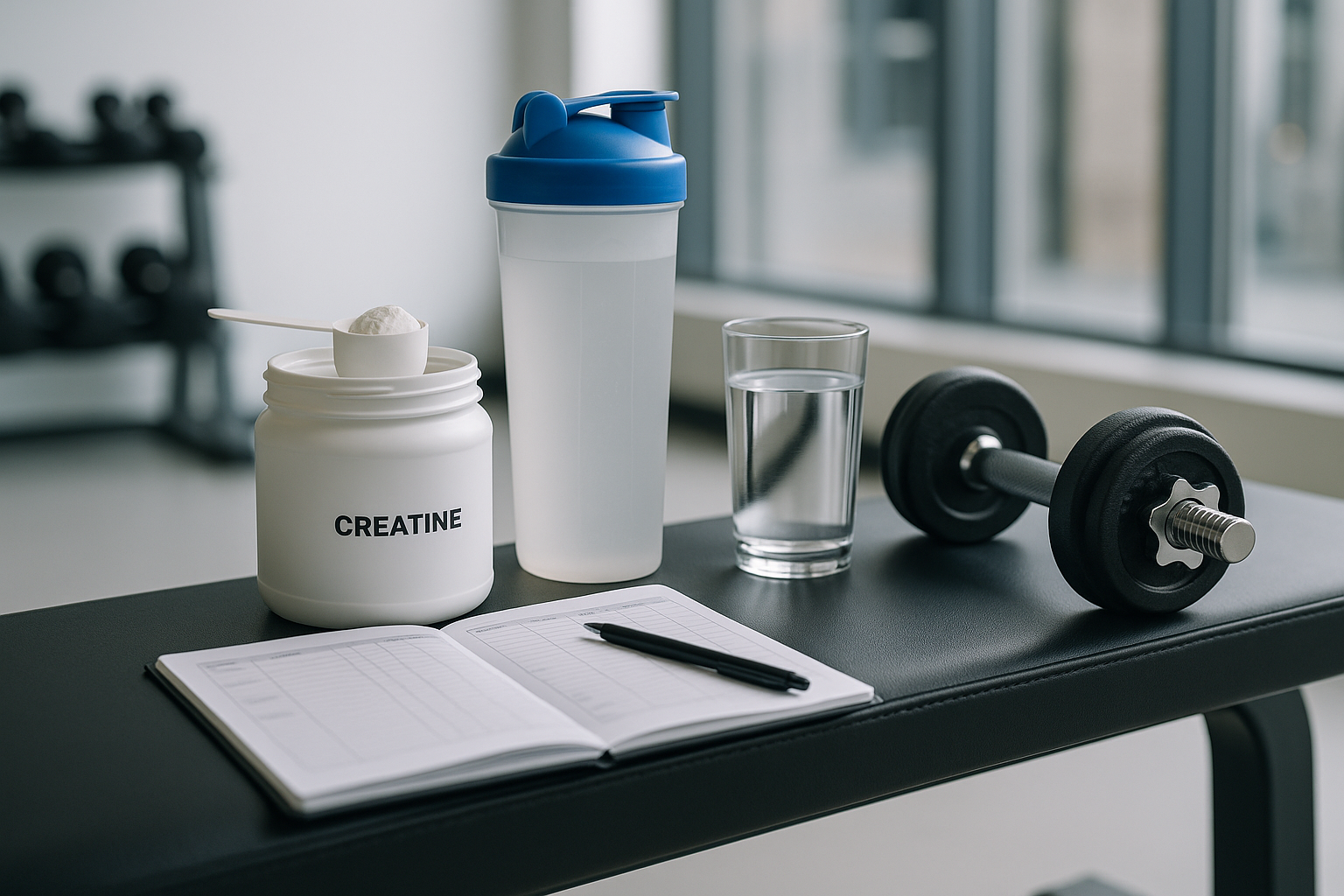
Creatine's best inflammation-related use case is muscle inflammation after hard training, competition, or unusually high training volume. If you searched creatine and muscle inflammation, this is where the evidence is most practical.
After demanding exercise, your body goes through a normal repair response. Muscle fibres experience micro-damage, immune cells move into the tissue, fluid shifts occur, and soreness can build over the next 24 to 72 hours. That response is not inherently bad; it is part of adaptation. The issue is when damage is high enough to impair the next session, extend soreness, or reduce performance quality.
Creatine may help here in two overlapping ways:
- It reduces the energy strain of repeated intense contractions. Better ATP regeneration means less metabolic stress during the work itself.
- It may blunt some secondary damage markers after exercise. In some studies, creatine users have shown smaller rises in muscle damage or inflammatory markers after strenuous events.
What this often looks like in real life is not “I feel no soreness at all.” A more realistic result is:
- you keep more strength in later sets
- you recover faster between hard sessions
- your soreness is less disruptive
- you return to normal output sooner
This matters for lifters, CrossFit athletes, hockey players, sprinters, and anyone doing repeated high-intensity efforts. It may also matter for endurance athletes during heavy blocks or race recovery, though the tradeoff of small water-weight gain has to be considered sport by sport.
The International Olympic Committee consensus on supplements recognises creatine as one of the few supplements with strong evidence for performance in high-intensity exercise contexts. You can review that broader sport-performance consensus here: IOC consensus on dietary supplements.
If your actual goal is less soreness and better bounce-back, pair creatine with adequate protein, total calories, sleep, and sensible programming. Creatine helps the system work better; it does not replace the system. For more on practical expectations, see does creatine reduce DOMS and how long creatine takes to work.
How to use creatine if your goal is better recovery and less inflammatory fallout
If you want to use creatine for recovery and possible inflammation benefits, the simplest effective protocol is 3 to 5 g of creatine monohydrate every day for at least 4 to 8 weeks. That daily consistency matters more than fancy timing.
Here is a practical step-by-step approach:
- Choose plain creatine monohydrate. It is the most studied form and usually the best value. If you are comparing options, start with our best creatine rankings or creatine brand reviews.
- Decide whether you want to load. Loading means 20 g/day split into 4 doses of 5 g for 5 to 7 days, then 3 to 5 g/day. It works faster but can cause more stomach upset in some people. Skipping loading still works; it just takes longer to saturate muscle stores.
- Take it daily, including rest days. Creatine works by saturation, not by one-time stimulation before a session.
- Mix it with water or a meal you already consume consistently. The best time is the time you will remember.
- Track outcomes that matter. Look at training volume, repeat sprint quality, soreness duration, recovery between sessions, and whether you feel more resilient in heavy weeks.
- Give it enough time. Without loading, many people notice effects over roughly 2 to 4 weeks as muscle stores rise.
If your specific interest is inflammation, do not judge creatine only by whether soreness vanishes. Instead ask:
- Are my hard sessions less punishing?
- Am I recovering better by the next workout?
- Is my performance more stable during demanding blocks?
- Do I feel less beat up week to week?
Beginners often overcomplicate this. You do not need proprietary blends, cycling, or an exact anabolic window. The Mayo Clinic overview also reflects the broad mainstream position that creatine is generally safe for healthy adults when used appropriately, while noting the need for sensible caution in certain medical situations: Mayo Clinic — Creatine.
For more setup help, see how to take creatine and the ideal daily creatine protocol.
Creatine dose by body weight and goal: simple numbers that actually work
The right creatine dose for possible anti-inflammatory and recovery benefits is usually the same dose used for performance: 3 to 5 g/day for most adults, or roughly 0.03 g/kg/day for a body-weight-based maintenance approach. There is no separate special anti-inflammatory creatine dose supported by strong evidence.
Use this table as a practical starting point:
| Goal | Body weight | Daily dose | Best use case |
|---|---|---|---|
| General wellness and beginner use | Most adults | 3 g/day | Simple, low-hassle maintenance |
| Strength, muscle, recovery | Most adults | 5 g/day | Most common evidence-based default |
| Body-weight-based maintenance | Any | 0.03 g/kg/day | More precise individual dosing |
| Rapid saturation | Any | 20 g/day split into 4 x 5 g for 5-7 days, then 3-5 g/day | When you want faster results |
Examples:
- 60 kg person: about 1.8 g/day by the strict 0.03 g/kg formula, but 3 g/day is a practical minimum most people use.
- 75 kg person: about 2.25 g/day by formula, though 3 to 5 g/day remains standard.
- 90 kg person: about 2.7 g/day by formula, but 5 g/day is still a simple evidence-based choice.
- 110 kg person: about 3.3 g/day by formula; 5 g/day is commonly used in practice.
Why do standard fixed doses often work despite body-size differences? Because creatine's effect depends on gradually saturating muscle stores, and 3 to 5 g/day is enough to do that for most people over time. Bigger athletes or those with high lean mass may lean toward 5 g/day.
If you are vegetarian or vegan, you may respond especially well because baseline muscle creatine stores are often lower. Older adults may also benefit from taking creatine consistently alongside resistance training. Women generally use the same dose ranges as men; there is no evidence-based need for a pink, gender-specific formula.
If you want a more tailored estimate, use the creatine dosage calculator and our deep guide on how much creatine per day.
Timing, training context, and who benefits most from creatine's recovery effects
Creatine timing matters far less than daily adherence, and the people most likely to notice inflammation-related benefits are those exposed to meaningful training stress. If you were hoping for a perfect anti-inflammatory timing hack, there really is not one.
The main rule is simple: take creatine every day. Morning, post-workout, with lunch, or before bed are all acceptable if they help you stay consistent. Some people prefer taking it with a meal because that makes the habit easier and may reduce stomach discomfort. If you want the full timing breakdown, see when to take creatine.
Who may benefit most?
- Beginners: yes, especially if they are starting resistance training and want a straightforward supplement with strong evidence for performance and recovery.
- Women: yes, with the same standard dose ranges; creatine is not just for men or bodybuilders. Our creatine for women guide covers common concerns.
- Older adults: yes, particularly when combined with strength training to support muscle function and training tolerance.
- Athletes in repeated high-intensity sports: often yes, because their recovery demands are high.
- Vegetarians and vegans: often yes, because lower baseline stores can mean a larger response.
Who may notice less? Someone who is sedentary, lightly active, and mainly looking for lower CRP on a blood panel without any training-driven reason to use creatine may not see much. Creatine can still be worthwhile for other reasons, but the anti-inflammatory case is less compelling there.
What should you expect week by week?
- Days 1-7 with loading: saturation rises quickly; some people notice fuller muscles and slight scale-weight increase.
- Weeks 2-4 without loading, or after loading: better training repeatability and improved work capacity often become noticeable.
- Weeks 4-8: recovery benefits become easier to judge based on total training quality and how beat up you feel.
For a realistic expectation framework, see realistic creatine results and creatine muscle saturation.
Safety, side effects, and when inflammation concerns need a doctor, not a supplement
Creatine monohydrate is generally considered safe for healthy adults at standard doses, but that does not mean every person should self-prescribe it for inflammation. Safety and suitability depend on your health status, medications, and why you are concerned about inflammation in the first place.
The ISSN position stand and later reviews support creatine's strong safety profile in healthy populations when used appropriately. Common side effects are usually mild and practical rather than dangerous:
- temporary water-weight gain from increased intracellular water
- stomach upset if taking too much at once
- grittiness or poor mixing with some powders
What creatine does not reliably do in healthy users is damage kidneys when taken at recommended doses. A common confusion is that creatine can raise creatinine, which is a breakdown product measured on blood tests. That does not automatically mean kidney injury. If you want the full explanation, read creatine vs creatinine and is creatine bad for your kidneys.
You should be more cautious if you:
- have known kidney disease
- have a complex medical condition affecting fluid balance or renal function
- take medications where your clinician wants to monitor kidney-related labs closely
- have unexplained chronic inflammation, joint swelling, fever, or systemic symptoms that need diagnosis
This last point is important. If you have persistent high CRP, autoimmune disease, inflammatory bowel symptoms, unexplained fatigue, or chronic pain, creatine is not the first question. The first question is why the inflammation is there. Use supplements to support a plan, not to avoid getting assessed.
Can creatine be used long term? Yes, for most healthy adults daily use is standard, and there is no established need to cycle on and off. If you are unsure whether it fits your situation, our guides on is creatine safe and who should not take creatine go deeper.
Common myths, avoidable mistakes, and how to buy the right creatine in Canada
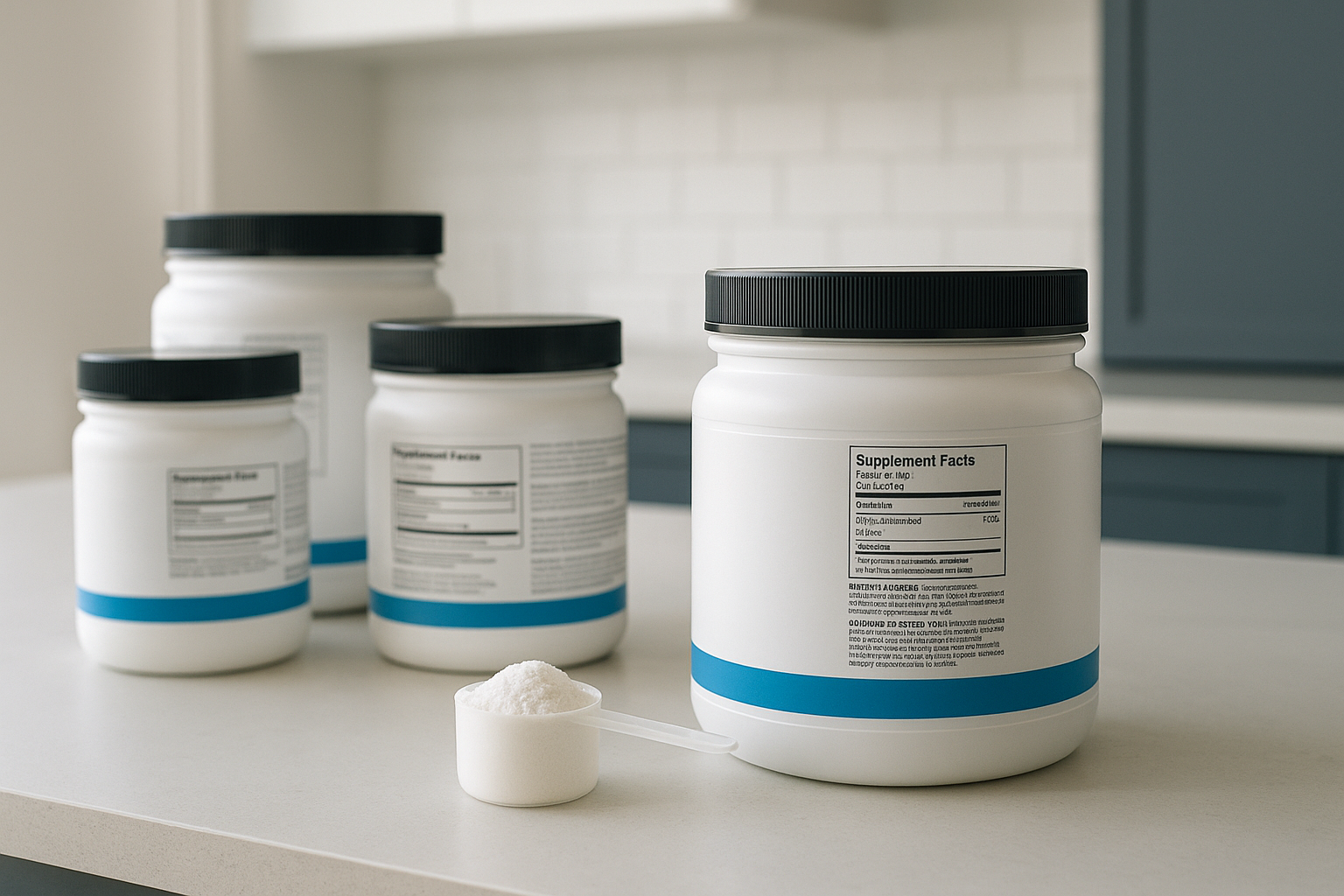
The biggest mistake people make with creatine and inflammation is expecting it to act like a direct anti-inflammatory medication rather than a training-support supplement with possible secondary anti-inflammatory benefits. Close behind that mistake are underdosing, inconsistency, and buying over-marketed forms that do not outperform monohydrate.
Let's clear up the main myths.
- Myth: Creatine is inherently inflammatory because it increases water weight.
False. The early weight gain from creatine is largely intracellular water in muscle, not evidence of harmful inflammation. - Myth: You need a special anti-inflammatory form of creatine.
False. Creatine monohydrate remains the gold standard for evidence, cost, and effectiveness. - Myth: If CRP does not drop, creatine is not working.
False. Creatine can still improve training output, recovery, and muscle resilience without causing a dramatic change in a single blood marker. - Myth: More is better.
False. Once muscle stores are saturated, taking much more than needed generally adds cost and may increase digestive side effects.
Here is a practical buying comparison for Canadians:
| Option | Evidence level | Value | Best for |
|---|---|---|---|
| Creatine monohydrate powder | Strongest | Best | Almost everyone |
| Micronized monohydrate | Strong | Good | People who want easier mixing |
| Capsules | Same ingredient, less convenient at full dose | Usually worse | Travel or no-mix convenience |
| HCl or specialty forms | Weaker comparative evidence | Usually worse | Only if monohydrate truly does not suit you |
In Canada, look for a Natural Product Number, or NPN, on regulated products and favour brands that disclose third-party testing or sport certification where relevant. Athletes subject to drug testing should be especially careful about contamination risk and should favour reputable products in our creatine product catalog.
If you want a fuller myth-busting walkthrough, visit creatine myths debunked and best type of creatine.
Bottom line: how to think about creatine's anti-inflammatory properties in 2026
Creatine does appear to have anti-inflammatory properties in some contexts, but the best evidence still supports it first as a creatine monohydrate supplement for performance, lean mass, and recovery rather than as a primary inflammation treatment. That is the most accurate 2026 bottom line.
If your question is, does creatine reduce inflammation? the best answer is this: creatine can reduce some inflammation-related responses, particularly those linked to strenuous exercise and muscle damage, but the evidence is mixed for chronic systemic inflammation and not strong enough to position creatine as a dedicated anti-inflammatory therapy.
That does not make the effect unimportant. For many lifters, athletes, and active adults, reducing the inflammatory fallout from hard training is exactly what matters most. If creatine helps you train harder, recover faster, and feel less wrecked between sessions, that is a meaningful real-world benefit even if your blood markers are not dramatically transformed.
So what should most people do?
- Choose creatine monohydrate.
- Take 3 to 5 g daily.
- Stay consistent for at least 4 to 8 weeks.
- Judge success by recovery, performance, and training resilience, not just by soreness or one lab value.
- Use medical guidance if inflammation is chronic, unexplained, or tied to a diagnosed condition.
If you want a practical next step, use our creatine dosage calculator, compare options in the best creatine rankings, and build a simple daily routine with how to take creatine. For most Canadians, the smartest move is still the least glamorous one: buy a plain, reputable creatine monohydrate and take it consistently.
Creatine and Inflammation: The Numbers That Matter
- 3-5 g/day Standard maintenance dose — Enough for most adults to maintain saturated muscle creatine stores over time.
- 20 g/day Typical loading dose — Usually split into 4 doses of 5 g for 5-7 days to saturate faster.
- 2-4 weeks Common timeline without loading — A realistic window for muscle saturation and noticeable training effects.
- 0.03 g/kg/day Body-weight-based maintenance formula — Useful for athletes who prefer a more tailored maintenance dose.
Frequently Asked Questions
Is creatine anti-inflammatory?
Creatine is not a primary anti-inflammatory supplement, but it may have anti-inflammatory effects in certain contexts. The best evidence suggests creatine can sometimes reduce exercise-related inflammatory stress, muscle damage, or some inflammatory markers, especially around hard training and recovery, but it is not established as a broad treatment for chronic inflammation.
Does creatine reduce CRP?
Creatine may reduce CRP in some situations, but the effect is not consistent enough to guarantee. CRP often responds to overall inflammatory stress, and creatine seems more likely to help when that stress comes from strenuous exercise rather than when someone is simply trying to lower baseline CRP without a training-related reason.
Does creatine lower cytokines?
Creatine may lower some cytokines after strenuous exercise, but study results vary. Cytokines such as IL-6 and TNF-alpha can rise after muscle-damaging activity, and creatine sometimes appears to blunt that response, though not every trial finds the same effect.
Can creatine help with muscle inflammation after workouts?
Yes, creatine may help with muscle inflammation after hard workouts by reducing some of the damage and recovery stress that trigger inflammatory responses. In practice, that often shows up as better recovery between sessions, less disruptive soreness, and more stable performance during heavy training blocks.
What is the best creatine dose for inflammation and recovery?
The best creatine dose for recovery and possible inflammation benefits is usually the standard dose of 3 to 5 g per day. There is no special anti-inflammatory dose with strong evidence, and most people do not need more once their muscle stores are saturated.
How long does creatine take to help with recovery?
Creatine often starts helping with recovery over about 2 to 4 weeks without loading, or within the first week if you use a proper loading phase. The exact timeline depends on your starting muscle creatine stores, body size, training stress, and whether you take it every day.
Should you take creatine if you have chronic inflammation?
You can consider creatine if you have chronic inflammation, but you should not treat it as your main therapy without medical input. Creatine may support muscle, training tolerance, and recovery, but persistent or unexplained inflammation needs proper diagnosis and condition-specific treatment.
Is creatine safe if I am worried about inflammation and kidney health?
Creatine is generally safe for healthy adults at recommended doses, but anyone with kidney disease or complex medical issues should speak with a healthcare professional first. One common misunderstanding is that creatine can raise creatinine on blood tests without necessarily causing kidney damage.
Is creatine monohydrate the best form for anti-inflammatory effects?
Yes, creatine monohydrate is the best form to use if you want the most evidence-backed option. It is the form used in the vast majority of research on performance, recovery, and related inflammation outcomes, and it remains the most cost-effective choice.
Can creatine make inflammation worse?
Creatine does not appear to make inflammation worse in healthy users when taken at standard doses. Early scale-weight gain from creatine is usually water stored inside muscle cells, not a sign of harmful inflammation, although individual digestive side effects can occur if the dose is too large at one time.