Is Creatine Natural? Where It Comes From and How It's Made
Is creatine a natural substance, or is it synthetic? Learn exactly where creatine comes from—in your body, in food, and in supplements. We also dispel common myths and explain how today's creatine is produced for the Canadian market.
Key Takeaways
- Creatine is a natural compound found in the human body and many foods.
- Your body produces about 1–2 grams of creatine daily, mainly in the liver and kidneys.
- Red meat and fish are rich dietary sources of natural creatine.
- Supplemental creatine is typically made synthetically but is chemically identical to natural creatine.
- Creatine is not a steroid and has a strong safety record according to Canadian and international health bodies.
- The gold standard for supplementation is creatine monohydrate, supported by the International Society of Sports Nutrition.
- Canadian athletes can confidently use creatine supplements within Health Canada guidelines.
What Is Creatine? A Basic Overview
Creatine is a molecule naturally present in the human body, playing a fundamental role in the rapid production and recycling of cellular energy, especially during short, intense bouts of exercise. In its basic form, creatine is made from three amino acids: arginine, glycine, and methionine. It's stored largely in skeletal muscle, where it helps fuel muscular contractions.
Some confusion exists due to creatine’s popularity in the sports world, but at its core, creatine is not a drug or steroid—it's a vital nutrient. Every human produces and uses creatine daily, regardless of athletic activity.
- About 95% of the body’s creatine is stored in muscle tissue.
- Your body makes 1–2 grams of creatine per day naturally.
- This process mainly occurs in the liver and kidneys.
To learn more about how creatine functions within muscle cells, see our comprehensive creatine guides.
Creatine in Food: Natural Dietary Sources
Before supplements even existed, most people received dietary creatine through their food choices. Natural sources of creatine are found predominantly in animal-based foods. The amount found in various foods is significant for those on diets with little or no animal products, like vegetarians or vegans.
- Red meat: Beef and pork are especially high, offering around 2 g/kg (raw weight).
- Fish: Tuna, salmon, and herring are excellent sources—some fish have even more creatine than beef (up to 4.5 g/kg in herring).
- Dairy and eggs contain negligible levels of creatine.
Canadian diets often include these foods, but the average daily intake from food usually ranges from 1–2 grams—less than what many athletes supplement with daily. To calculate how much creatine you might be getting, check our creatine intake calculator.
How the Body Produces Creatine
Your body does not rely solely on external sources of creatine. The liver, kidneys, and (to a lesser extent) pancreas constantly synthesize creatine through enzymatic reactions using amino acids consumed from protein-rich foods. These organs produce enough creatine for typical daily bodily function—roughly 1–2 grams daily.
Once synthesized, creatine is transported via the bloodstream, mostly to skeletal muscle, where it is stored as phosphocreatine. This compound is instantly available to regenerate ATP (the body's cellular energy currency) when muscles need a quick energy boost, such as during sprinting or weightlifting.
- About one-third of muscle creatine exists as free creatine; two-thirds as phosphocreatine.
- The body's capacity to store creatine is limited, so excess is excreted in urine as creatinine.
This balance is why supplementation is helpful for athletes or anyone pushing muscle stores to their limits—see our timing guide for more details.
Is Creatine a Steroid or Drug? Addressing Common Myths
One enduring myth is that creatine is an anabolic steroid or a pharmaceutical-like drug. This could not be further from the truth. Steroids are synthetic hormones modeled after testosterone and are regulated controlled substances in Canada (and globally). In contrast, creatine is a non-hormonal substance that occurs naturally in the human body and food.
- Creatine is not a hormone and does not affect testosterone or estrogen.
- It is sold legally as a natural health product in Canada, with oversight by Health Canada.
- It is not included on the World Anti-Doping Agency (WADA) List of Prohibited Substances.
For more on creatine’s safe, legal use, see our article on trusted Canadian creatine brands.
How Creatine Supplements Are Manufactured
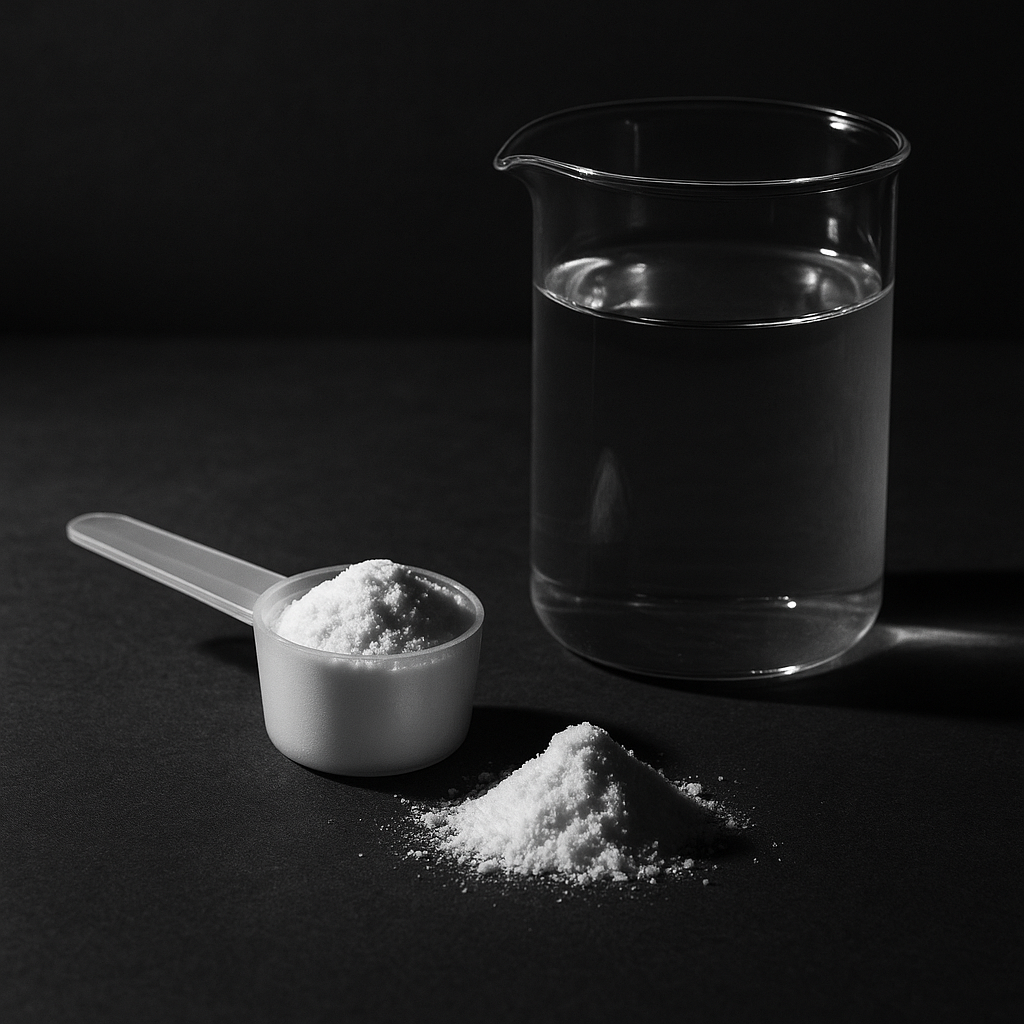
Modern creatine supplements are typically manufactured via chemical synthesis—most commonly by combining sarcosine (a substance related to amino acids) and cyanamide under controlled conditions. This process yields highly pure creatine monohydrate crystals, which are filtered, dried, and milled into a fine powder.
- Synthetic creatine is chemically identical to what is found in food and your body.
- No animal products are used—most commercial creatine is vegan-friendly.
- Quality control standards, especially for brands sold in Canada, ensure purity and the absence of contaminants.
For an in-depth review of trusted products available here, see our comprehensive creatine supplements review.
Natural vs. Synthetic Creatine: Are There Real Differences?
A common concern among Canadian consumers is whether synthetic creatine (the kind sold in supplements) is as effective and safe as natural creatine. The answer, backed by scientific consensus, is yes—the body treats both forms identically. There are no structural or functional differences at the molecular level. Once ingested, creatine is absorbed, transported, and stored in muscle tissue the same way, regardless of its source.
- Clinical trials consistently show similar benefits and safety profiles for synthetic creatine monohydrate and natural creatine from food.
- Health Canada and organizations such as the International Society of Sports Nutrition (ISSN) endorse the use of creatine monohydrate for athletic and general health purposes.
The most significant factor is product purity and manufacturer standards—choose brands with proper testing and certification. For help picking the right option, browse our best creatine in Canada list and detailed reviews.
Safe and Legal for Canadian Athletes
Creatine’s proven safety and efficacy are reflected in its regulatory status. In Canada, creatine monohydrate is classified as a "natural health product" by Health Canada and is widely available. Athletes from recreational to elite levels can confidently supplement within recommended doses: typically 3–5 g per day for maintenance (supported by the ISSN).
- It is not banned by Canadian or international anti-doping agencies when used as directed.
- No evidence links creatine use with long-term adverse effects in healthy individuals.
- Canadian supplement regulations require rigorous quality and safety testing.
If you're new to supplementation, our primer on the loading phase has practical details for Canadian users.
Creatine: Sources and Facts
- 1–2 g/day Amount of creatine the body makes naturally
- 2–4.5 g/kg Creatine content in red meat and herring
- 3–5 g Standard daily supplement dose (Health Canada & ISSN)
- 0 Number of banned lists creatine appears on (WADA, Canada)
Frequently Asked Questions
Is creatine considered natural or synthetic?
Creatine is a natural compound found in the body and in certain foods. However, most supplement creatine is made synthetically but is chemically identical to natural creatine, and your body cannot distinguish between the two.
Is creatine safe for regular use?
Creatine monohydrate has been shown to be safe for healthy adults when used within recommended doses (3–5 g daily). It is not associated with serious side effects when proper hydration and dosing are observed.
Can vegetarians or vegans take creatine?
Yes, supplemental creatine is suitable for vegetarians and vegans. Since they may have lower natural stores (no animal foods), supplementation can be especially beneficial, and almost all commercial creatine is vegan-friendly.
Is creatine a steroid or controlled substance in Canada?
Creatine is not a steroid, hormone, or controlled substance. In Canada, it is classified as a natural health product and is legal, safe, and trusted by athletes at all levels.
Does synthetic creatine have the same benefits as natural sources?
Yes, scientific studies confirm that the benefits and safety of synthetic creatine monohydrate are identical to those of creatine found in food. Both are absorbed and utilized by your body in the same way.
How much creatine should I take?
For most adults, 3–5 g per day of creatine monohydrate is recommended for maintenance, according to Health Canada and the International Society of Sports Nutrition. A loading phase is optional and may speed up saturation.