How Creatine Works in the Body: A Plain-English Explanation
Wondering what creatine actually does when you take it? We break down—step by step—how creatine helps your muscles make energy, lift more, and recover faster. Get the science, not the hype, in easy-to-understand Canadian language.
Key Takeaways
- Creatine helps rapidly recycle ATP, the energy currency of muscle cells.
- The phosphocreatine (PCr) system is your body’s 'backup generator' during intense, short bursts of activity.
- By increasing muscle creatine stores, you support improved power output and endurance.
- Creatine draws water into muscle cells, aiding in muscle growth and recovery.
- Monohydrate form is the most researched and effective, as recognized by Canadian and international sports authorities.
- Maintenance dosing (3–5 g/day) is supported by the International Society of Sports Nutrition and Health Canada.
- Creatine has wide-ranging benefits beyond bodybuilding, including for team sport athletes and anyone seeking functional strength.
Creatine and the Energy Cycle: The Basics
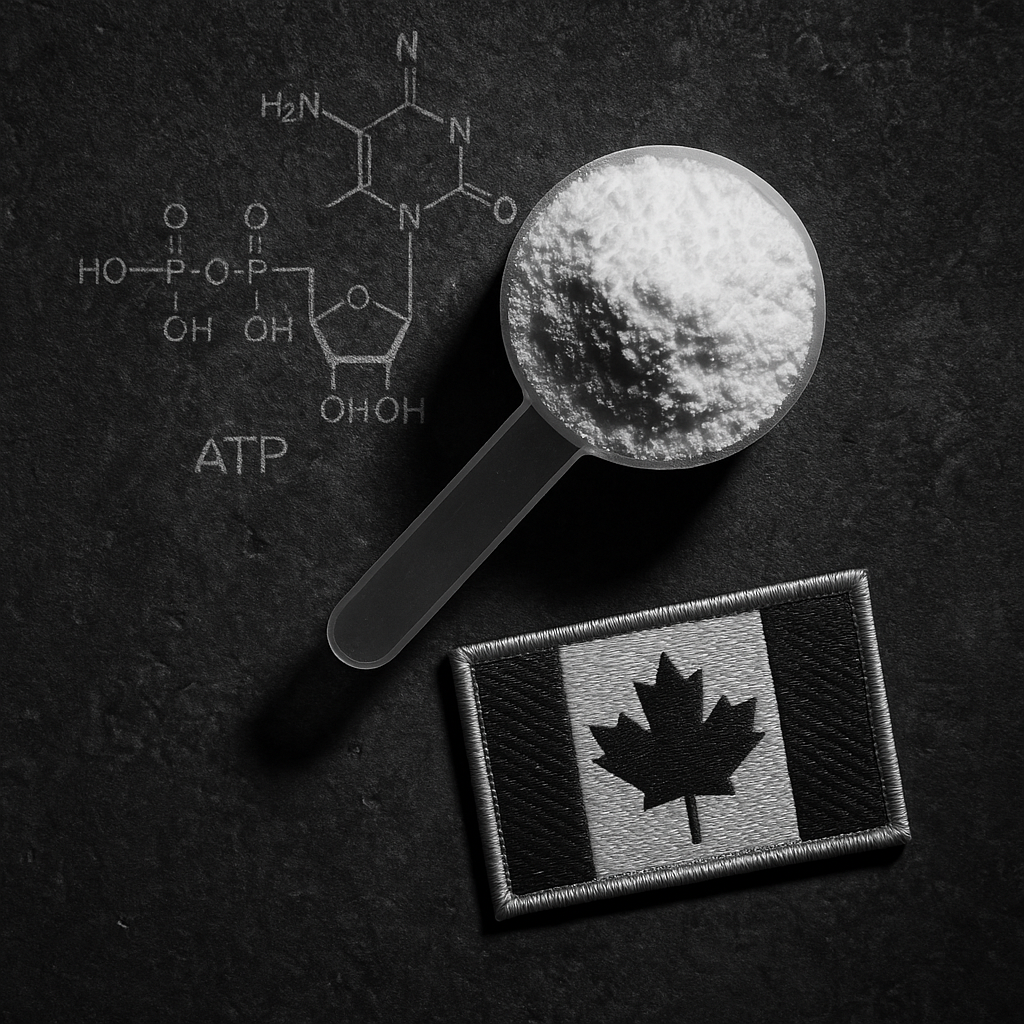
To understand what creatine does, it helps to picture your muscles as high-performance engines. The fuel that keeps these engines running is a molecule called adenosine triphosphate (ATP). Whenever you jump, sprint, or hit the gym, your muscles burn through ATP rapidly—but your natural reserves last only a few seconds during all-out effort.
This is where creatine steps in. Inside your muscles, creatine bonds with phosphate to form phosphocreatine (PCr). Think of phosphocreatine as your body’s emergency energy reserve—the backup generator that kicks in when the main power grid (your stored ATP) is depleted.
Canadian athletes and fitness enthusiasts benefit from adding extra creatine, because it raises the size of this backup generator, helping you sustain intense exercise for longer.
Want specifics on daily dose? See our guide to calculating creatine intake.
The Phosphocreatine System: Your Energy Reserve
The phosphocreatine system is the fastest way your body recycles and replenishes ATP during short, explosive efforts—like a 50m sprint or a max squat. When ATP is used, it loses a phosphate and becomes ADP. Phosphocreatine donates its phosphate to ADP, rapidly regenerating ATP right within your muscle fibers.
- High-intensity efforts rely on PCr for the first 5–10 seconds, buying valuable time until other energy systems kick in.
- Supplementing with creatine increases muscle phosphocreatine levels by 10–40%, per peer-reviewed science.
- This translates to measurable improvements in strength, power, and speed—crucial for both athletes and recreational gym-goers.
If you want to know how to optimize your intake for peak PCr stores, explore our guide to creatine loading.
ATP Recycling: Creatine’s Real-World Magic
A helpful analogy: if ATP is your body’s 'cash', creatine is your instant cash-back rewards program. Without additional creatine, your muscles run out of ATP pocket change fast. When you supplement, your muscle cells can 'cash in' PCr much faster, keeping you going strong through those vital extra reps or pushing for a faster finish in a hockey shift.
It’s this rapid ATP recycling that makes creatine famous for boosting performance—not just in weightlifting, but in any activity requiring quick, repeated bursts of energy. Research recognized by the International Society of Sports Nutrition has concluded that creatine is safe and highly effective when taken as recommended – typically 3–5 grams of monohydrate per day.
How Creatine Helps Muscles Grow: Cell Volumization
Ever notice a muscle 'fullness' or size bump after starting creatine? This isn’t just your imagination. Creatine acts like a sponge, drawing water into your muscle cells—a process called cell volumization.
- Hydrated muscle cells are linked with increased protein synthesis and support muscle growth.
- The extra water also provides a favourable environment for muscle recovery after tough workouts.
- These changes in cell hydration can even act as signals to muscle-building pathways.
This effect can mean a quick 1–2 kg increase on the scale in the first week due to water, not fat. For more, see our timing guide for optimal uptake.
Beyond the Gym: Who Benefits Most from Creatine?
Creatine isn’t just for bodybuilders—its energy-boosting effects matter to many Canadians. Whether you play hockey, take HIIT classes, or are a Masters athlete looking to slow age-related muscle loss, creatine can help.
- Team sport athletes (think soccer, football, rugby) benefit from repeated sprint and power output.
- Endurance athletes can recover more quickly between intense intervals.
- Emerging evidence suggests possible roles for creatine in brain health, injury prevention, and even healthy aging.
Curious about which Canadian creatine product is best for your needs? Start with our curated guide to top creatine supplements.
Safe and Effective Use: Canadian Context
Health Canada recognizes creatine monohydrate as a safe and effective supplement for adults, provided doses remain within the typical 3–5 grams per day. Look for brands with an NPN (Natural Product Number) to ensure quality and regulatory compliance.
The research consensus from groups like the International Society of Sports Nutrition, and Health Canada’s own policies, is clear: creatine monohydrate is the gold standard. Other forms often cost more without consistent added benefits.
- For dosing tips, check our in-depth supplement review and our Canadian creatine calculator.
- Always consult a healthcare professional before starting any supplement regimen, especially if you have pre-existing health conditions.
Summary: Unlocking Your Energy Potential
To sum it all up, creatine enhances your body’s ability to make and use energy—empowering both your short-term power and long-term progress. By topping up your muscle creatine stores, you boost your ATP recycling, increase muscle hydration, and potentially improve your performance and recovery beyond what training alone can achieve.
Creatine is not a magic bullet; it’s a proven, simple way to optimize the energy engine inside your body. Whether you’re pushing for a personal best or just want to feel stronger at whatever age, understanding how creatine works can help you make smart decisions about supplementation. For a science-backed plan tailored to you, visit our step-by-step creatine guides.
How Creatine Powers Your Muscles
- 5–10 sec Time your phosphocreatine system fuels maximal exercise
- 10–40%↑ Increase in muscle creatine stores with supplementation
- 3–5 g/day Scientifically supported daily maintenance dose
- 1–2 kg Typical gain in lean body mass (mostly water) in first weeks
Frequently Asked Questions
Is creatine safe for long-term use?
Yes. Approved creatine monohydrate products are considered safe for healthy adults when taken at recommended doses (3–5 g/day). Studies conducted over periods of several years show no evidence of harmful effects in healthy individuals. However, anyone with kidney disease or other health conditions should consult a doctor before use.
Can creatine cause dehydration or muscle cramps?
Despite popular myths, research does not support the idea that creatine causes dehydration or increases the risk of muscle cramps when taken as recommended. In fact, the extra water retention in muscles may support hydration status during strenuous training.
Do you need to load creatine for it to work?
Loading (20 g/day for 5–7 days) is not necessary, but it can help saturate your muscles faster. If you prefer, you can simply start with the maintenance dose (3–5 g/day), though it may take about 3–4 weeks to reach full muscle saturation.
Is creatine only for weightlifters?
Creatine benefits anyone who performs high-intensity, intermittent exercise—including team sport athletes, runners, and recreational gym-goers. It’s not exclusive to bodybuilders; it can also support aging adults and those looking to preserve muscle mass.
How can I be sure my creatine supplement meets Canadian standards?
Choose creatine monohydrate products that carry a Natural Product Number (NPN) and are sold by reputable Canadian retailers. This signals compliance with strict Health Canada regulations on quality and safety.