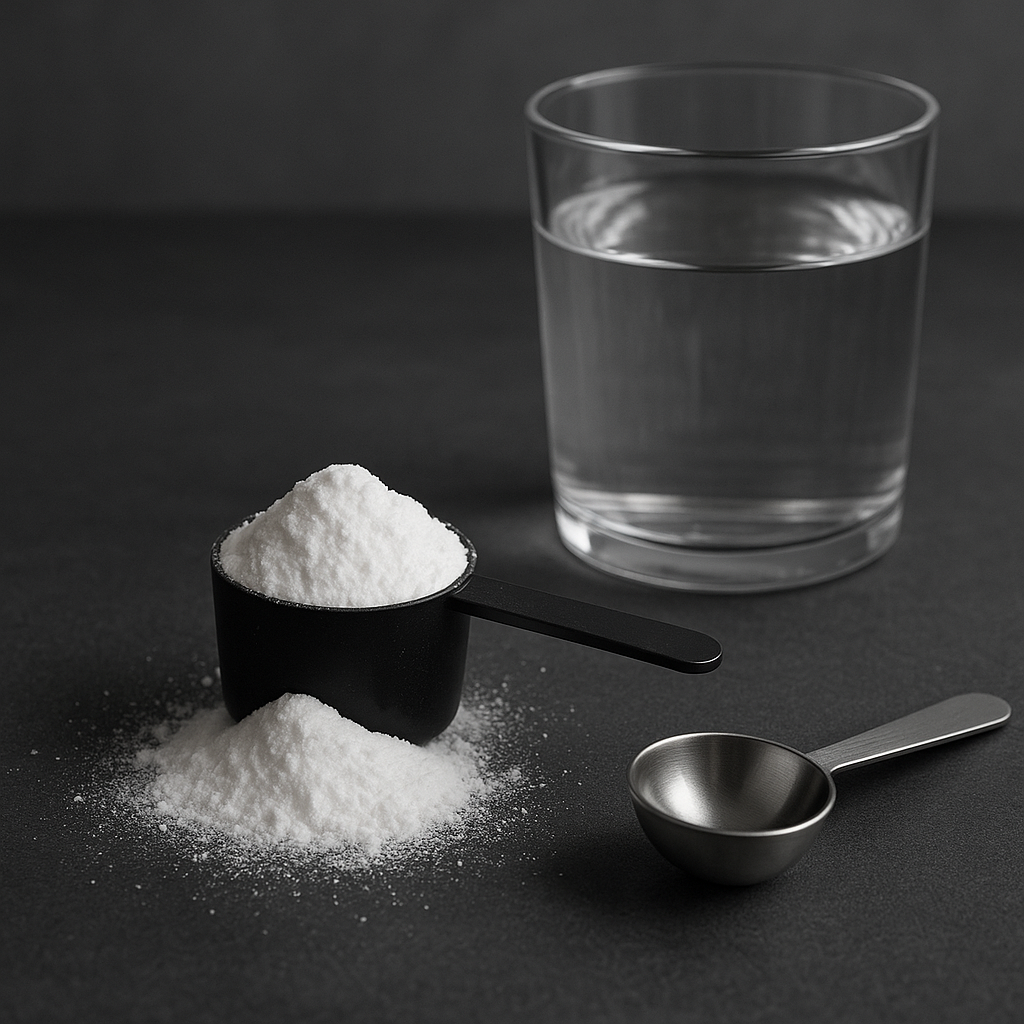
Every Creatine Side Effect — What's Real, What's a Myth
From stomach upset to hair loss rumors, creatine attracts plenty of side‑effect questions. This Canadian guide grades the evidence on every common claim and shows you how to use creatine safely while minimizing discomfort.
Key Takeaways
- Creatine monohydrate at 3–5 g/day is the gold standard and is widely supported for safety in healthy adults.
- GI upset is the most common side effect; reduce by splitting doses, taking with food, and avoiding very large single servings.
- No clinical trials show creatine causes hair loss; one small study found higher DHT but not actual shedding.
- In healthy people, evidence does not show kidney harm; those with kidney disease should consult a clinician first.
- Creatine does not appear to increase dehydration or cramps; maintain normal hydration, especially during heat or long practices.
- Early weight gain (often 0.5–1.5 kg) is water inside muscle, not fat; acne links remain unproven.
- Choose Canadian products with an NPN, and use our dose tools and guides to tailor your routine.
How creatine works and the safety baseline
Creatine helps your muscles recycle ATP, the energy currency for short, intense efforts. In practice, that means better training quality and gradual gains in strength and power. The most studied form is creatine monohydrate, and a day‑to‑day maintenance intake of 3–5 g is the norm supported by the International Society of Sports Nutrition (ISSN). You can load (e.g., ~20 g/day for 5–7 days) to fill muscle stores faster, but it isn’t required for results.
From a safety perspective, monohydrate at standard intakes is considered safe for healthy adults. In Canada, creatine is regulated as a Natural Health Product; look for a product with a Natural Product Number (NPN) on the label and choose reputable Canadian brands. If you want help sizing your dose by body mass and routine, try our Creatine Calculator, and see our practical how‑to pieces under Guides and When to Take Creatine.
Evidence grade for overall safety in healthy adults: Strong. Gold standard form: Monohydrate. If you have a medical condition or take prescription medications, check with your clinician before starting any supplement.
GI side effects: what to expect and how to avoid them
The most common side effects with creatine are gastrointestinal: a sense of fullness, mild nausea, loose stools, or cramping—especially when taking large single servings or starting a high‑dose loading phase. These effects are typically short‑lived and dose‑dependent.
- Split the dose: Instead of 5 g at once, try 2–3 g twice daily. During any loading, use 3–5 g taken 3–4 times per day.
- Take with food and plenty of water: A meal or carb‑protein snack plus a full glass of water can improve comfort.
- Stay with monohydrate: It’s the best‑researched; micronized powders may mix more easily and sit better for some.
- Avoid mega‑scoops: Very large single doses pull water into the gut and can loosen stools.
If you’re curious about whether you need to load at all, read our Creatine Loading Phase explainer and timing tips in When to Take Creatine. Most Canadians do well with a steady 3–5 g/day, keeping GI issues minimal.
Evidence grade: Strong (common but mild; manageable by dose splitting and co‑ingestion).
Hair loss and hormones: separating signal from noise
The idea that creatine causes hair loss stems largely from a small, short trial that observed an increase in dihydrotestosterone (DHT)—a hormone linked to male‑pattern baldness. Importantly, that study did not measure hair loss, only hormones, and its findings have not been consistently replicated. To date, no clinical trials have shown creatine causes hair shedding in men or women.
What does that mean for you? If you’re genetically predisposed to androgenic alopecia (family history, existing thinning), it’s reasonable to be cautious, monitor your hair, and discuss concerns with a clinician. But for most healthy users taking 3–5 g/day monohydrate, the available human data do not support a direct, clinically meaningful effect on hair.
- Choose monohydrate and standard dosing.
- Track changes (photos every 4–6 weeks) if you’re concerned.
- Discuss options with a professional if you already treat hair loss.
Evidence grade: Weak (insufficient evidence for a causal link to hair loss; one small DHT signal without hair outcomes).
Kidneys, liver, and labs: what healthy and at‑risk people should know
In healthy adults using recommended doses of creatine monohydrate, research and position statements report no evidence of kidney or liver damage. A common point of confusion is lab work: creatine can raise serum creatinine slightly because some creatine converts to creatinine. That can look like reduced estimated GFR, even when actual kidney function is unchanged. Context matters—your clinician can interpret results appropriately.
- If you have kidney disease, a single kidney, recurrent kidney stones, or significant liver disease: consult your physician and avoid self‑supplementing.
- Hydrate normally during training and heat; this supports kidney health and performance.
- Stick to 3–5 g/day and avoid unverified “concentrates” or multi‑ingredient blends.
Canadians can reduce risk further by choosing products with an NPN and clear dosing. If you’re at higher risk or simply cautious, discuss baseline labs and follow‑up with your provider. For help vetting options, see Best Creatine in Canada and our in‑depth Creatine Supplements Review.
Evidence grade: Strong (safe in healthy users at standard doses; medical oversight advised for at‑risk groups).
Dehydration, cramps, and heat
Creatine is often blamed for dehydration and muscle cramps. The best available evidence does not support these claims in healthy, hydrated athletes. In fact, some field studies report fewer cramps and heat‑related issues among creatine users, possibly because more water is held inside muscle cells, which may support fluid balance during hard efforts.
- Hydrate to thirst plus a plan: bring a bottle to practices and aim to keep urine pale straw‑coloured, especially during Canadian summer heat waves or long rink sessions.
- Don’t mega‑dose: excess powder won’t improve performance and may worsen GI comfort.
- Monitor electrolytes if you’re a heavy sweater or on two‑a‑days—creatine is not a substitute for sodium and potassium.
Bottom line: with normal hydration practices, creatine monohydrate does not appear to increase cramp or heat risk. If you’ve had prior heat illness, work with your coach and clinician to individualize your hydration plan.
Evidence grade: Moderate to strong (no increased risk demonstrated; some data suggest protective effects).
Skin, acne, bloating, and weight
Acne: There’s no strong clinical evidence that creatine causes acne. Breakouts around training changes are often tied to sweat, friction from headgear, or unrelated hormonal shifts. Keep your routine consistent and skin care simple; if acne worsens, consult a dermatologist.
“Bloating” and scale weight: Early weight gain is common—often ~0.5–1.5 kg in the first couple of weeks—as muscles store more water alongside creatine. This water is inside muscle cells, not under the skin. Some people describe a fuller feeling when they jump straight into high doses; using steady 3–5 g/day and a micronized monohydrate mixed thoroughly can help.
- Take with meals and adequate fluids to reduce fullness.
- Be patient: any transient GI or fullness sensations usually settle within days.
- Train as normal: the water inside muscle does not impair performance; it often accompanies strength improvements.
Evidence grade: Moderate (intracellular water gain is expected; acne link remains uncertain).
Heart, blood pressure, and medications
For healthy adults, creatine monohydrate at recommended intakes has not been shown to raise blood pressure or harm the heart. In clinical research settings, creatine has even been explored as an adjunct in certain cardiac and neuromuscular conditions—underscoring its general safety profile—though it is not a treatment for heart disease.
- Blood pressure: No consistent increases have been observed in healthy users; keep usual lifestyle strategies in place (sleep, sodium awareness, activity).
- Form matters: Some creatine salts include added sodium; most Canadians are best served by plain creatine monohydrate.
- Medications: If you take drugs that affect kidneys, blood pressure, or fluid balance (e.g., certain diuretics, nephrotoxic agents), consult your prescriber before starting creatine.
If you have cardiovascular disease, arrhythmias, or uncontrolled hypertension, get personalized medical guidance first. For product selection and dosing help, see our best picks and practical guides.
Evidence grade: Moderate (no harm signal in healthy adults at standard doses; medical oversight if you have cardiac conditions or take relevant medications).
Creatine Side Effects — Fast Facts
- 3–5 g/day Typical maintenance dose for adults
- Monohydrate Gold standard form for safety and efficacy
- ~0.5–1.5 kg Common early water-weight increase inside muscle
- No trials show hair loss Human studies haven’t linked creatine to shedding
- Hydrate normally Creatine doesn’t raise cramp or heat risk when hydrated
Frequently Asked Questions
Do I need to load creatine, and does loading cause more side effects?
You don’t need to load. Loading (~20 g/day for 5–7 days) saturates muscles faster but increases the chance of GI upset if doses are large. A simple 3–5 g/day approach reaches the same saturation over a few weeks with fewer complaints. If you do load, split into 3–5 g servings with meals and fluids.
Can creatine and caffeine be taken together?
For most healthy people, taking creatine and caffeine together is not a safety issue. Research on performance interactions is mixed, but there’s no strong evidence of harmful effects when both are used in typical amounts. If you’re sensitive to caffeine, keep intake moderate and separate timing if GI comfort is a concern.
Is creatine safe for teens?
Safety data in healthy adolescents are more limited than in adults. Major sport nutrition bodies suggest creatine may be appropriate for motivated teen athletes under qualified supervision, with parental consent, sound nutrition, and attention to dosing. In Canada, speak with a pediatrician or sports dietitian before starting.
Does creatine cause kidney stones?
Current evidence does not show an increased risk of kidney stones in healthy users at standard doses. If you have a history of stones, consult your clinician first and maintain normal hydration. Avoid unnecessary high doses or multi-ingredient products that complicate risk assessment.
Is creatine safe during pregnancy or breastfeeding?
There isn’t enough high‑quality research to recommend routine creatine use during pregnancy or breastfeeding. Out of caution, avoid supplementation unless advised and monitored by your healthcare provider.