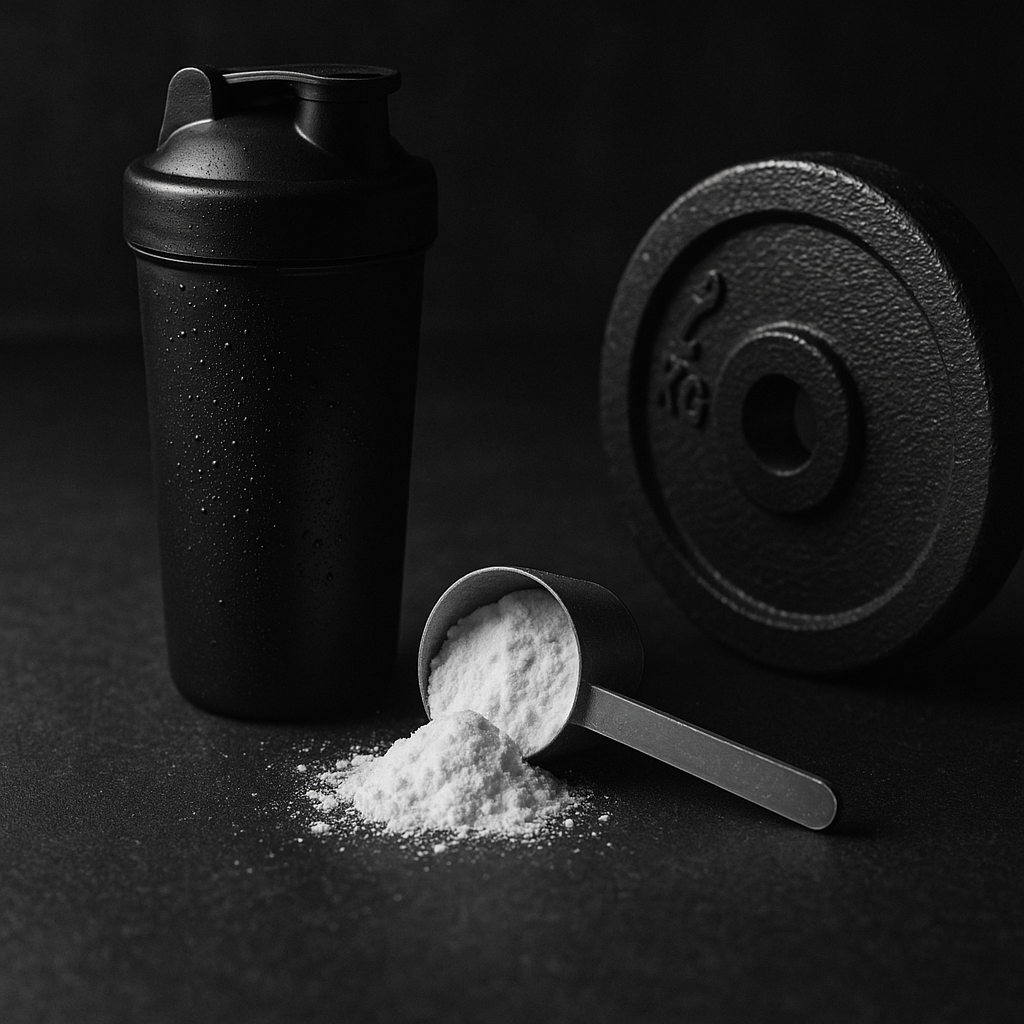
Post-Workout Creatine: Why Timing After Training May Matter Most
If you already take creatine, dialing in the timing could give you a small but meaningful edge. Here’s what research suggests about taking creatine after training, why insulin sensitivity and muscle blood flow matter, and how to build a simple, Canadian-friendly post‑workout stack.
Key Takeaways
- Daily consistency (3–5 g creatine monohydrate) beats timing, but post‑workout may offer a slight edge.
- Resistance training increases muscle blood flow and insulin sensitivity—both support creatine uptake.
- One small 2013 JISSN trial found marginally better gains with creatine post‑workout versus pre‑workout.
- Co-ingesting creatine with carbs and/or protein can enhance retention via insulin-mediated transport.
- Creatine monohydrate remains the gold standard: effective, affordable, and supported by the ISSN.
- If you prefer no loading, take 3–5 g/day; a loading phase (about 20 g/day for 5–7 days) saturates faster.
- In Canada, choose NPN‑licensed products and check cost per 5 g serving to keep it budget‑friendly.
Why post-workout is on the table
Creatine works when muscle stores are consistently topped up, which is why the most important variable is taking it every day. That said, there’s a plausible physiological case for favouring the post‑workout window. After resistance training, your muscles are warm, perfused with more blood, and more insulin sensitive than at rest. Together, these factors may nudge more creatine into muscle via the sodium- and insulin-sensitive creatine transporter (SLC6A8). Even a small improvement could compound over months of training.
In practical terms, the debate isn’t about magic “anabolic windows” but about stacking small advantages: timing creatine when blood flow is high; pairing it with nutrients that raise insulin; and making the habit automatic by linking it to a routine you already do (like your shake). For Canadians weighing cost and convenience, none of this changes the basics: use creatine monohydrate, aim for 3–5 g/day, and stick with it. For context on dosing and loading, see our guides on when to take creatine and the creatine loading phase.
What the research actually says
The evidence on timing is limited but interesting. A small randomized trial published in 2013 in the Journal of the International Society of Sports Nutrition (Antonio et al.) compared creatine pre‑ versus post‑workout in resistance‑trained men following the same program and dose. The post‑workout group showed slightly greater improvements in strength and body composition. The differences were modest and the study was short and small—so think “possible nudge,” not dramatic effect.
Zooming out, the International Society of Sports Nutrition’s position stand on creatine underscores that creatine monohydrate is safe and effective, regardless of timing, when taken daily at evidence-based doses. In other words, if post‑workout is easy for you, it’s a reasonable choice with a small upside. If it isn’t, take it at any time you can adhere to.
- Bottom line: The daily habit drives 95% of the results; timing may account for the remaining 5%.
- New to creatine? Start with our beginner-friendly guides and brand picks at Best Creatine in Canada.
Insulin, blood flow, and creatine uptake
Two mechanisms make the post‑workout window attractive. First, increased blood flow delivers more creatine to working muscles. Second, insulin supports creatine transport into the cell. Co‑ingesting creatine with carbohydrates (and/or protein) can raise insulin sufficiently to improve creatine retention—an effect described in sports nutrition literature and reflected in the ISSN position stand.
What does this mean for your shaker cup? You don’t need a giant sugar hit. A typical recovery meal—say, 20–40 g protein with some carbohydrate—creates an insulin response likely adequate to assist creatine uptake. If you prefer very low‑carb, know that creatine still works without carbs; it may just load a touch more slowly. Hydration and electrolytes also help, as creatine uses a sodium-dependent transporter.
- Good pairings: whey isolate + banana; Greek yogurt + granola; or a balanced post‑training meal.
- Hydration note: add a pinch of salt to water if you finish very sweaty sessions.
- More timing context: When to take creatine
How to build a post-workout stack
Keep it simple, evidence-based, and affordable. Here’s a practical post‑lift routine you can tailor to your sport, schedule, and stomach.
- Creatine monohydrate: 3–5 g mixed in water or your shake. If you’re impatient to saturate, a short loading phase (about 20 g/day split in 4 doses for 5–7 days) works—then drop to 3–5 g/day. See our walkthrough: Creatine loading phase.
- Protein: 20–40 g (e.g., whey or a high‑quality plant blend). This supports muscle protein synthesis and provides an insulin bump.
- Carbohydrate: 30–60 g to begin refuelling—adjust based on training volume and goals. Whole‑food options or a banana + oats work well.
- Fluids + sodium: 500–750 mL water; add electrolytes if training is long or sweaty.
- Caffeine? If you train late or are caffeine‑sensitive, skip it here. Evidence does not show a consistent, meaningful interference with creatine, but it can affect sleep—critical for adaptation.
Shopping in Canada? Look for NPN‑licensed creatine monohydrate, plain and unflavoured for best value. Compare options and cost per 5 g in our Creatine Supplements Review and Best Creatine pages.
Implementation for Canadian athletes
Success comes from removing friction. Here’s how Canadian lifters, field athletes, and endurance hybrids can make post‑workout creatine automatic and compliant with Health Canada guidelines.
- Make it visible: Keep a small tub or portioned baggies in your gym bag. Add it to the same bottle you use for your protein.
- Verify the label: Choose products with a Natural Product Number (NPN) and a clear monohydrate dose. You can search the Licensed Natural Health Products Database.
- Dose to your phase: No‑load (3–5 g/day) is easiest. Loading is optional and short. Our Creatine Calculator can help tailor dosing.
- Travel & tournaments: Pre‑measure 3–5 g packets. Mix with a carb‑protein snack you can find anywhere (milk + fruit, yogurt cups, or a ready‑to‑drink shake).
- Budget check: Monohydrate is cost‑effective. Fancy forms rarely outperform it according to the ISSN.
Remember: if a late training slot makes post‑workout nutrition awkward, take creatine with your next meal. Consistency first; timing second.
Troubleshooting and special cases
Cutting or lower‑carb? Creatine still helps strength and lean mass retention. Consider pairing it post‑workout with protein and modest carbs (or just a normal mixed meal) to capture some of the insulin‑mediated benefit.
Endurance or team sport? A post‑session dose is convenient, and topping up daily supports repeated sprint ability and training quality. Hydration matters—creatine draws water into muscle, which is a feature, not a bug, but you do need to drink.
Vegetarian or vegan? You often start with lower baseline muscle creatine, so supplementation can be especially impactful. Plant‑based protein + fruit is an easy post‑workout pairing.
Health considerations: Creatine is well‑studied and generally safe in healthy adults at 3–5 g/day. If you have kidney disease, are pregnant, or use medications affecting renal function, speak with a healthcare professional before starting.
- For deeper timing nuance, see When to Take Creatine.
- For broader how‑tos, browse our Creatine Guides.
Post-Workout Creatine At-a-Glance
- 3–5 g/day Evidence-based maintenance dose
- 20 g/day × 5–7 d Optional loading to saturate faster
- 0–2 hours Practical post‑workout window to take your dose
- ≈95% in muscle Where your body stores creatine
- NPN on label Health Canada marker for licensed products
Frequently Asked Questions
Is post-workout really better than pre-workout for creatine?
It might be slightly better, but the difference is small. A 2013 JISSN study reported modestly greater gains when creatine was taken after training versus before. The key driver of results is daily consistency—use the timing you can stick to.
Do I need carbs with creatine after training?
No, creatine still works without carbs. However, pairing it with some carbohydrate and/or protein can raise insulin and may enhance creatine retention. Most post‑workout meals or shakes naturally provide enough.
What form of creatine should I use post-workout?
Creatine monohydrate is the gold standard: widely studied, effective, and affordable. Other forms haven’t consistently outperformed it in head‑to‑head research, as reflected in the ISSN position stand.
Will creatine keep me up if I take it at night?
Creatine isn’t a stimulant. If late sessions push your dose into the evening, sleep disruption is unlikely. If you notice any stomach fullness close to bedtime, take it with your post‑training meal instead of a big shake.
Should I load creatine if I’m starting now?
Loading (about 20 g/day for 5–7 days) saturates muscle faster, but it’s optional. A steady 3–5 g/day reaches the same saturation over a few weeks with less chance of GI discomfort.
How do I choose a creatine in Canada?
Look for an NPN and plain creatine monohydrate with a clear 3–5 g serving. Compare price per 5 g and check our Canadian picks and testing notes at /best-creatine and /creatine-supplements-review.