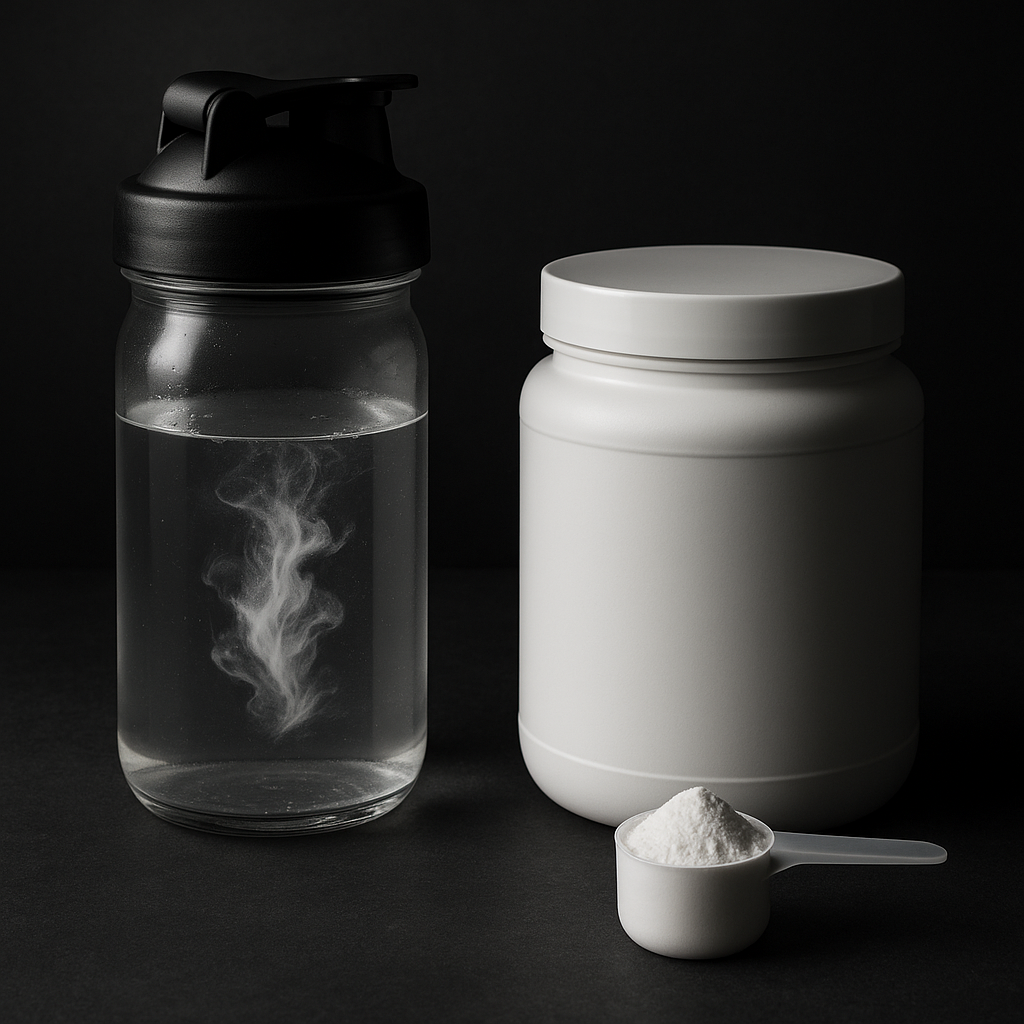
How to Mix Creatine Without Clumping or Grit
Fed up with sandy creatine at the bottom of your shaker? Here’s a science-backed, step-by-step method to dissolve creatine smoothly—plus Canadian storage tips, tools, and mix-ins that actually work.
Key Takeaways
- Use room‑temp to warm water first, then add cold or ice after dissolving.
- Sprinkle 3–5 g creatine in gradually, let it "bloom" 30–60 seconds, then shake 15–30 seconds.
- A whisk‑ball shaker or blender (low speed) cuts grit dramatically.
- Micronized creatine monohydrate disperses easier but is the same proven molecule.
- Avoid humidity: keep the scoop dry, close the lid tight, and use the desiccant.
- Drink soon after mixing; don’t let creatine sit dissolved for long periods.
- Daily dose is 3–5 g; split doses or mix with a meal if you get stomach upset.
Why creatine clumps and feels gritty
If your creatine sinks, sticks to the cup, or feels sandy on the last sip, you’re dealing with two basics of powder science: solubility and humidity. Creatine monohydrate is only moderately soluble in cold water, so crystals can linger as fine grit until they’re fully dispersed. Warmer water improves solubility, as does time and agitation. Meanwhile, creatine is slightly hygroscopic—it pulls in moisture from the air—which can cause small clumps in the tub. Those clumps are harmless, but they’re harder to break up in a cold drink.
The good news: you don’t need a different molecule to fix this. Creatine monohydrate remains the gold standard for safety and efficacy per the International Society of Sports Nutrition (ISSN). Micronized versions are the exact same ingredient with smaller particle size, which helps dispersibility but doesn’t change the benefits.
Below you’ll find a simple mixing sequence that eliminates clumps and grit without resorting to gimmicks, plus storage tips that keep your powder free-flowing in Canada’s changing seasons. If you’re choosing a product, see our Best Creatine in Canada and in-depth supplement reviews to compare micronized options and third‑party tested brands.
The smooth mix method, step by step
Use this quick sequence for a smooth, grit‑free drink in under a minute:
- 1) Start with room‑temp to warm water: Add 200–300 mL to your glass or shaker. Warmer water dissolves creatine faster than ice‑cold. You can chill it after.
- 2) Measure your dose: Most Canadians do 3–5 g per day for maintenance. Use a scale or the product’s scoop (they vary). New to dosing? Try our creatine dose calculator.
- 3) Sprinkle and bloom: Don’t dump. Sprinkle the powder across the surface, let it sit 30–60 seconds to hydrate ("bloom"), then gently swirl.
- 4) Shake or stir hard: Cap and shake 15–30 seconds (a whisk‑ball helps), or stir vigorously. If you prefer, blitz in a blender on low for 5–10 seconds.
- 5) Finish cold: Top up with cold water or a few ice cubes, then sip. If any residue remains, a quick re‑swirl clears it.
Bonus tips: If you hate volume, mix a small "creatine shot" (60–120 mL warm water), then chase with your drink. For timing questions, see When to Take Creatine. If you’re considering a faster start, read our guide to the optional loading phase.
Tools and storage hacks
Simple gear and good storage habits prevent clumps before they start:
- Shaker with a whisk ball: The wire ball breaks up micro-clumps and speeds up dissolving. Rinse it promptly so powder doesn’t cake.
- Blender, low speed: 5–10 seconds on low disperses creatine without foaming. High speed works too; just avoid blasting carbonated drinks.
- Keep it dry: Moisture is the enemy. Don’t store tubs in steamy kitchens or bathrooms. Keep the desiccant packet inside, and always use a dry scoop.
- Seal tight: Close the lid firmly after every use. In humid provinces or during summer, consider transferring to an airtight container.
- Break up clumps before mixing: Tap the scoop on the side or shake the tub gently to loosen. For stubborn caking, a quick pass through a fine mesh sieve restores flow.
Quality can help, too. Micronized creatine monohydrate disperses more easily, and reputable brands test for purity. Explore our Canadian picks in Best Creatine and deeper comparisons in Reviews. If you buy domestically, you can also look up the product’s NPN (Natural Product Number) in Health Canada’s database for assurance it’s licensed for sale.
What to mix creatine with
Water is easiest, but you have options:
- Water (room‑temp → cold): Start with room‑temp to warm water to dissolve, then add cold water or ice for taste. This is the most consistent no‑grit approach.
- Juice or electrolyte drinks: Citrus and sports drinks work well and can mask taste. If using carbonation, open carefully and avoid vigorous shaking.
- Coffee or tea: You can combine creatine with hot or iced coffee/tea. Warm liquids help it dissolve; drink shortly after mixing. Evidence on caffeine "blocking" creatine is mixed and context‑specific—most lifters can take both without issue. If you’re sensitive, separate them or reduce caffeine.
- Milk or smoothies: Dairy or plant milks and smoothies provide texture and flavour. Blend briefly on low to avoid foam. If you’re prone to GI upset, keep fat and fibre moderate.
You don’t need a sugar spike for creatine to work on a daily 3–5 g plan, though pairing with a meal is convenient and can be gentler on the stomach. For timing considerations around training, see When to Take Creatine, and for front‑loading strategies see Creatine Loading.
Dosing and timing for comfort
The most evidence‑supported approach is simple: 3–5 g of creatine monohydrate daily. You can take it any time of day—consistency matters most. If you prefer a faster saturation, an optional loading protocol of ~20 g/day (e.g., 4 × 5 g) for 5–7 days followed by 3–5 g/day maintenance is also well supported.
For smoother mixing and better tolerance:
- Split doses: Try 2–3 g morning and 2–3 g later if 5 g at once feels heavy.
- Take with food: A regular meal often reduces GI discomfort.
- Hydration: Mix with enough fluid (200–300 mL) and keep daily water intake adequate, especially around training.
- Be patient: If you’re new to creatine, minor GI changes typically settle within a few days.
Need help sizing your dose by body weight? Use our Creatine Calculator. For questions about timing around workouts, visit When to Take Creatine, and if you’re curious about loading details and whether it suits your sport, see our loading guide.
Troubleshooting and when to switch forms
If you still get grit after following the steps above, work through this checklist:
- Increase water temperature slightly and give it 30–60 seconds to bloom before shaking.
- Use a whisk‑ball shaker or quick blender pulse to disperse particles evenly.
- Try micronized creatine monohydrate: same proven ingredient, smaller particle size → easier mixing.
- Verify product quality: Look for transparent labels and third‑party testing (e.g., NSF Certified for Sport, Informed Choice). Consider reputable Canadian retailers and check the product’s NPN in Health Canada’s database.
- Address GI symptoms: Reduce dose, split doses, mix with a meal, and ensure adequate fluid.
What about other forms like creatine HCl? They may dissolve more readily in small volumes, but creatine monohydrate is still the most studied and recommended form for performance and safety per the ISSN. Unless you have persistent GI issues despite the steps above, you’re usually best served by a quality monohydrate. For guidance on choosing brands, see Best Creatine and our full Reviews. For broader starting tips, browse our Guides.
No‑Clump Creatine Checklist
- 3–5 g Daily creatine monohydrate dose
- 200–300 mL Water volume to dissolve smoothly
- 30–60 s Bloom time before shaking
- 15–30 s Vigorous shake or quick blend
- Room‑temp → Cold Dissolve warm, finish chilled
Frequently Asked Questions
Does creatine dissolve better in hot water?
Yes—warmer water improves solubility and reduces grit. Use room‑temp to warm water to dissolve, then add cold water or ice for taste. Avoid boiling or prolonged heating; mix and drink shortly after preparation.
Is micronized creatine worth it just for mixing?
Micronized creatine monohydrate is the same proven molecule with smaller particles, which helps it disperse faster and feel smoother. It doesn’t change effectiveness, but many people find it mixes more easily in less water.
Can I premix creatine the night before?
It’s better to mix close to when you’ll drink it. Creatine can slowly convert to creatinine in solution over time, especially with heat and very low pH. If you must premix, keep it chilled and consume the same day.
Is dry scooping creatine a good idea?
No. Dry scooping increases the chance of coughing or inhaling powder and guarantees a sandy texture. It’s safer and smoother to dissolve creatine in water or a beverage, then drink.
Can I take creatine with coffee or pre‑workout caffeine?
Generally yes. Evidence on caffeine reducing creatine’s benefits is mixed and context‑dependent, and most athletes tolerate both. If you notice stomach upset or sleep issues, separate them by a few hours or adjust caffeine.
My creatine clumped in the tub—has it gone bad?
Clumping is usually from humidity, not spoilage. Break up the clumps, keep the desiccant in the tub, use a dry scoop, and seal tightly. If smell, colour, or taste change markedly, consider replacing the product.