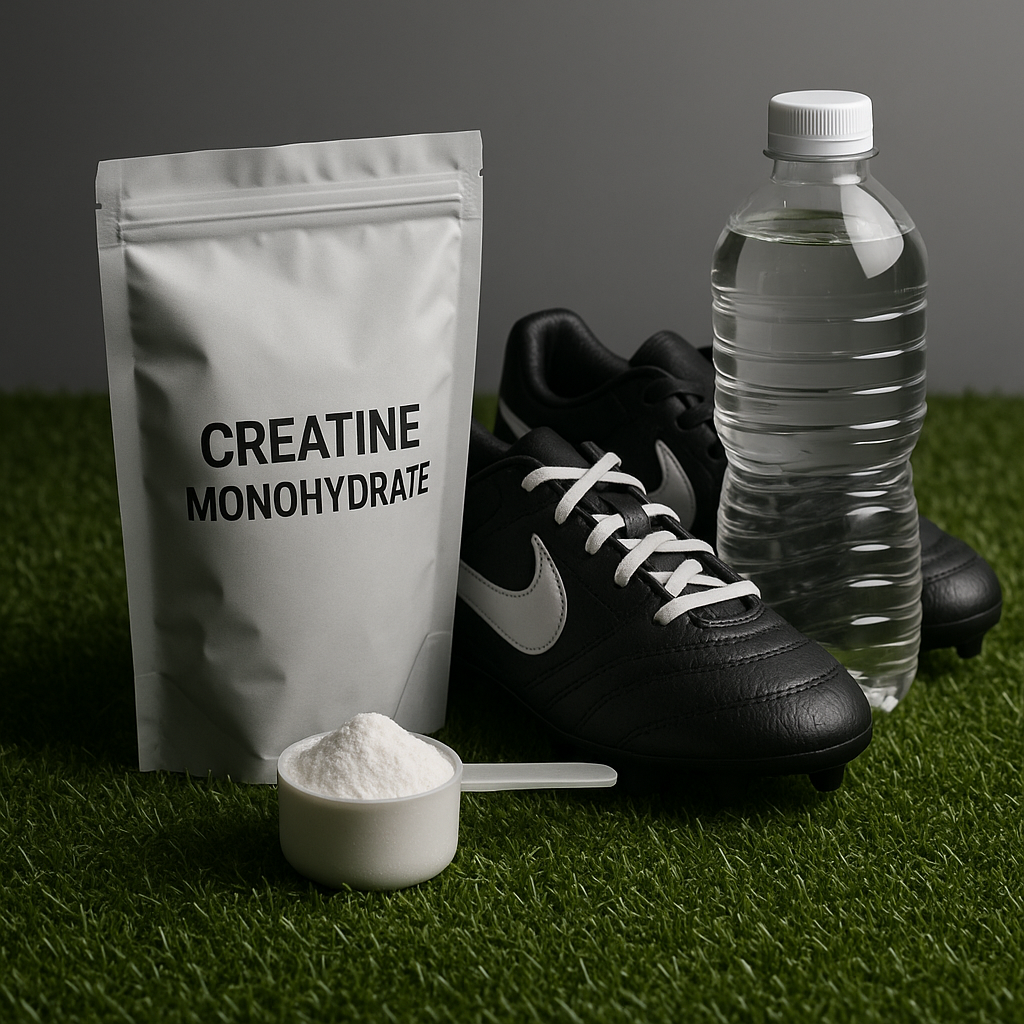
Creatine for Soccer Players: Sprint Power and Endurance
Creatine isn't just for gym goers—it's a game-changer for soccer players aiming to sharpen their explosive sprints and all-game stamina. Discover science-backed ways Canadian athletes can tap creatine’s benefits for powerful bursts and less fatigue, all in line with national guidelines.
Key Takeaways
- Creatine helps soccer players maintain sprint power in repeated bursts during matches.
- Proper supplementation (3–5 grams per day) is safe and supported by Health Canada and the ISSN.
- Creatine monohydrate is the gold standard—affordable, effective, and widely available from Canadian brands.
- Improved muscle phosphocreatine stores can delay late-game fatigue and support high-intensity play.
- No evidence of weight gain or cramping at standard doses for most soccer athletes.
- Best results come from consistent, daily use rather than ‘cycling off’.
- Fuels both attackers’ breakaways and midfielders’ recovery between sprints—ideal for any position.
Why Creatine Matters in Soccer
Soccer is a unique physical test: matches demand repeated sprints, high-intensity intervals, and mentally draining 90-minute performances. While natural talent and tactical training are vital, supplemental creatine is among the few legal, scientifically proven tools to help players at every level—from Canada Soccer League hopefuls to neighbourhood club teams—maintain peak explosiveness and delay fatigue late in the match.
- High-intensity actions: Most decisive soccer movements—breakaways, challenges, rapid changes of direction—rely on the body’s phosphocreatine system.
- Repeated sprint ability: The more quickly you regenerate ATP (energy fuel), the harder you can go, again and again.
- End-game stamina: Creatine’s boost to muscle energy reserves supports not just speed, but the appearance of “late legs” as matches grind on.
Unlike questionable pre-game concoctions or banned substances, creatine has decades of research and a history of safe, effective use underlying its role in modern soccer nutrition.
The Science: How Creatine Boosts Soccer Performance
Creatine increases muscle stores of phosphocreatine, which acts as a rapid energy buffer for the ATP system. This means players can perform more high-intensity actions before the tank runs dry, then recover more quickly between efforts.
- Repeated sprints: Studies highlight that soccer players using creatine demonstrate improved ability to repeat sprints with full effort—crucial for attackers, defenders, and midfield engines.
- Reduced fatigue: Research shows less drop-off in power late in games, attributed directly to higher phosphocreatine availability.
- Skill execution under fatigue: When sharpness matters most—penalty shootouts, last-minute defending—creatine helps preserve explosiveness and coordination.
The International Society of Sports Nutrition (ISSN) and Health Canada both list creatine monohydrate as safe and effective at daily doses of 3–5 grams for athletic enhancement, with no need for cycling for most athletes.
Creatine and Match Endurance: Staying Strong for 90 Minutes
Endurance in soccer isn’t just about running far—it’s about recovering explosiveness between sprints for the full 90 minutes. Late-match fatigue leads to mistimed tackles, blown chances, and injuries. Creatine’s edge for endurance lies in its role within each intense effort and the recovery windows between them.
- Buffering fatigue: Creatine helps maintain short-term power, so athletes can repeat efforts with less falloff deep into the second half.
- Scientific consensus: Multiple studies on elite soccer players show modest but consistent improvements in sprint maintenance and overall late-game performance on creatine versus placebo.
- No negative impact on aerobic fitness: Unlike some feared, creatine at standard doses does not blunt cardiovascular endurance or VO2 max.
For Canadian soccer athletes facing variable climates and congested schedule of play, the improved recovery profile from daily creatine supplementation can make the difference—especially during tournament weekends or late in the league season.
How to Take Creatine for Soccer Players
Ease and consistency are key. The gold-standard dose is 3–5 grams of creatine monohydrate daily. There’s no need for fancy blends: plain monohydrate enjoys the strongest safety and effectiveness record worldwide—recognized by Health Canada and listed as permissible for athletes.
Basic protocol:
- Mix 3–5 g into water, juice, or a post-training shake.
- Take at any time of day—as long as it’s consistent, results follow.
- No need to ‘cycle off’. Some athletes use a loading phase (20 g/day for 5–7 days), but this is unnecessary for most amateur or youth players.
- Stay hydrated: While creatine doesn’t cause dehydration, extra water helps absorption—especially on summer match days.
- For Canada: Buy from reputable sources—Canadian supplement brands or stores with Health Canada NPNs (Natural Product Numbers) for safety and quality.
Check with your sports dietitian or coach if you play at a high performance or U SPORTS level, as some teams may have roster-wide supplement regulations. For most, daily creatine is a straightforward, low-cost boost to consistent match energy.
Addressing the Concerns: Weight, Bloating, and Side Effects
Despite creatine’s excellent safety record, myths persist—especially among athletes concerned about ‘bulking up’ or feeling sluggish. Fortunately, current science dispels many worries for soccer players at all levels:
- Weight gain: Most increases are minor (<1 kg) and mainly due to water stored in muscle—not fat or unwanted bulk.
- Bloating and cramps: Large, ‘loading’ doses may cause minor GI upset in sensitive users, but standard Canadian protocols (3–5 grams daily) show minimal risk.
- Dehydration: No published evidence of increased risk for dehydration or heat illness in athletes who consume normal levels of water.
If you’re still unsure, start at the lower end of the dosing range and track how you feel on training and match days. For more on effects and expectations, visit our creatine supplement reviews page, where we break down Canadian formulas and user experiences.
Practical Tips for Canadian Soccer Players
Canada’s varied climate and growing competitive scene bring unique considerations for soccer players using creatine:
- Travel tournaments: Pack single-serve creatine sachets for road trips—monohydrate is heat-stable and easy to mix with bottled water.
- Summer matches: Hydration matters. Drink steadily throughout hot games (creatine doesn’t cause dehydration, but muscle hydration is key for performance).
- Trusted sourcing: Choose Canadian brands with a Natural Product Number (NPN) on the label, ensuring Health Canada compliance.
- Position-specific usage: Whether you’re a winger, central mid, or goalkeeper, creatine’s benefit to short-burst repeatability applies to all.
For precise dosing advice based on your weight, try our creatine dosage calculator. Mistakes are rare, but consistency is essential for seeing maximum performance gains come kickoff time.
Should You Use Creatine? The Bottom Line for Soccer Athletes
After decades of research and widespread safe use, creatine stands as one of the few supplements with a direct, positive impact on soccer performance. Canadian players—both youth and adult—can trust creatine monohydrate to support sprint ability, faster recovery, and better late-game energy, with minimal risk and modest cost.
For those seeking every legal edge: Consistent, daily creatine can help you recover between high-intensity plays and keep you sharp from the opening whistle to extra time. As always, combine with strong fundamentals: sound nutrition, hydration, recovery, and good coaching. For unbiased reviews of top Canadian options, visit our best creatine brands guide and step onto the pitch with confidence.
Creatine and Soccer: Key Match-Day Impacts
- 3–5 g/day Recommended creatine monohydrate dose (Health Canada, ISSN)
- 2–5% Typical sprint improvement in repeated-sprint ability
- 90+ min Maintain high-intensity efforts through full match and overtime
- <1 kg Typical non-fat weight gain (mostly water in muscle)
Frequently Asked Questions
Is creatine allowed in Canadian soccer leagues?
Yes. Creatine monohydrate is permitted under Health Canada regulations and is not banned by FIFA, Canada Soccer, or local Canadian leagues. However, always check with your team or school athletic policy for specific supplement guidelines.
Will creatine slow me down or make me feel heavy on the pitch?
At standard doses, creatine very rarely leads to any noticeable bloating or sluggishness. While some users see a small increase in muscle water content, it does not negatively impact sprint speed or agility for the vast majority of soccer players.
Do I need to load creatine or take it at a special time?
A loading phase (20 g/day for 5–7 days) is not necessary for most athletes—it simply saturates muscles faster. Consistent daily dosing (3–5 grams) is effective. Time of day doesn’t matter, but many find it easy to combine with a meal or post-training shake.
Can youth or teen soccer players use creatine safely?
Evidence shows creatine is likely safe for healthy adolescents when used appropriately, but young athletes should consult a physician, dietitian, or trainer familiar with supplement safety before starting any regimen.
Does creatine have any effect on soccer skill or coordination?
While creatine directly boosts power and recovery, it doesn’t substitute for technical skill training. However, improved energy between efforts can help players maintain sharper focus and technique late in matches when fatigue sets in.