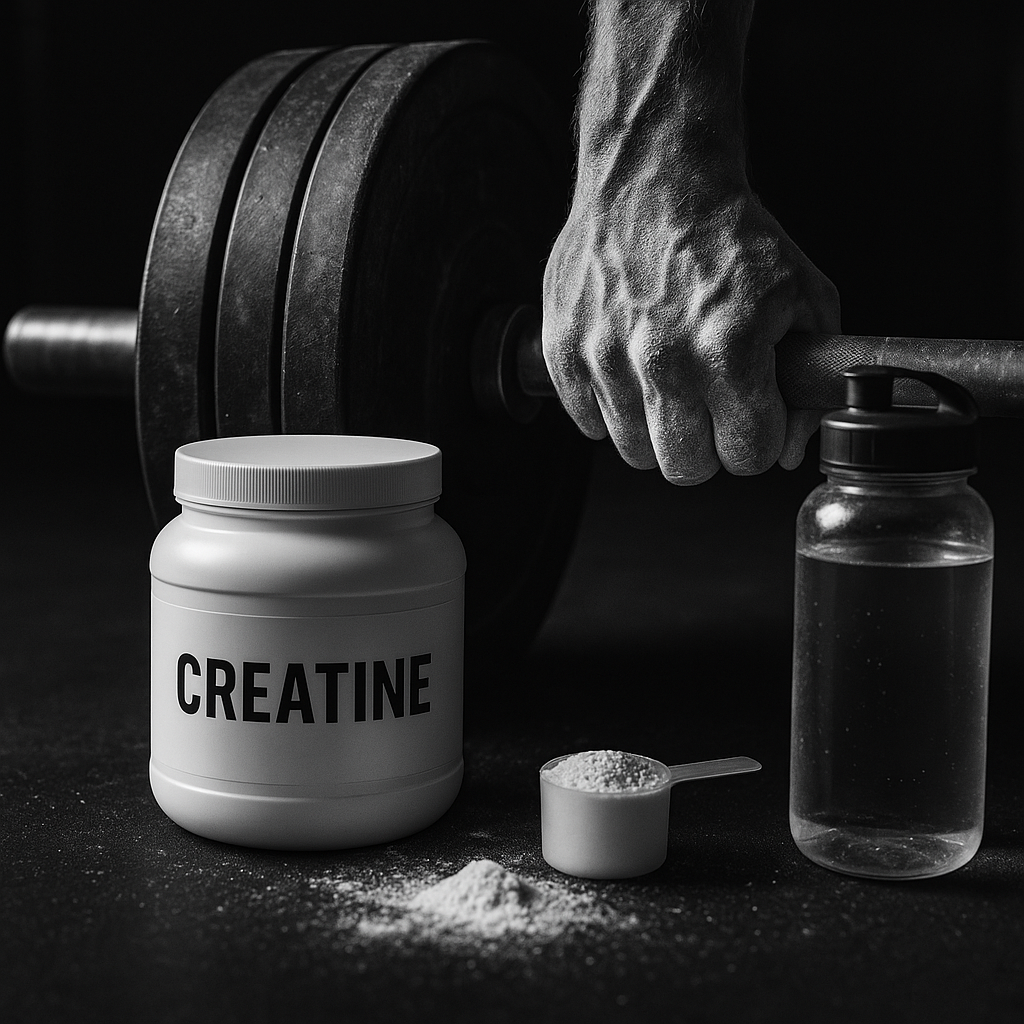
Creatine for Powerlifters: Maximizing the Big Three Lifts
Powerlifters rely on every edge for the squat, bench, and deadlift. Learn how creatine helps you move more weight, how loading or timing affects meet day, and what Canadian lifters need to know.
Key Takeaways
- Creatine monohydrate supports increased strength in all three powerlifts.
- A loading phase is optional, but may benefit short-notice meet prep.
- Maintain 3–5 g per day for peak performance leading up to competition.
- Continue creatine intake through your peaking and taper weeks.
- Staying hydrated and using reputable Canadian brands is vital.
- No banned substance risk: creatine is permitted by Canadian sport bodies.
- Plan creatine timing to avoid stomach upset on competition days.
Why Powerlifters Use Creatine
If you compete in powerlifting, every percent counts. The squat, bench press, and deadlift all demand rapid, repeated maximal effort—precisely the environment where creatine excels. Supplementing with creatine monohydrate increases phosphocreatine stores in muscle, fueling faster ATP regeneration and sharper force production. In other words, you can push through tough reps, recover rapidly between sets, and grind out more weight for singles and heavy triples.
Creatine is backed by decades of research as the most studied and effective legal sports supplement for increasing muscle mass, max strength, and training volume. For Canadian lifters, creatine monohydrate is fully legal—recognized by Health Canada and permitted by the Canadian Powerlifting Union (CPU) and most tested federations.
- Safe, natural, and non-hormonal
- Stackable with protein, beta-alanine, or pre-workout
- No cycling or off-periods needed
The Science Behind Creatine and Strength
How does creatine boost strength? Scientific consensus—including from the International Society of Sports Nutrition—shows that creatine enhances high-intensity, short-duration performance. Trials consistently demonstrate significant improvements in one-rep max (1RM) and explosiveness, which translate into bigger numbers for your squat, bench, and deadlift.
- Creatine increases total muscle phosphocreatine, supporting repeat-effort power output during heavy sets.
- Meta-analyses report lifters gain 5–15% more strength compared to placebo groups over several weeks.
- Canadian studies mirror these results, with no major side effects noted with standard dosing (3–5 g/day).
Learn which creatine products are trusted by Canadian athletes for consistency and quality.
Loading vs Maintenance for Meet Prep
Should you load creatine if you have a meet approaching? Loading (20 g/day for 5–7 days) saturates muscles more rapidly, but is not required for everyone. If you already use creatine, a steady daily dose (3–5 g/day) is sufficient to maintain saturation.
For most powerlifters:
- Ongoing daily usage: Stick to 3–5 g per day, split into multiple servings if preferred.
- New or returning lifters: Start with a loading phase if competition is 2–3 weeks away and you want maximum benefit quickly.
- Peaking: Continue your creatine routine right through the taper and deload week.
Some lifters are concerned about weight gain from loading. Typically, any increase is from water held in muscle—not fat—and tends to be 1–2 kg at most. Monitor your bodyweight if you’re cutting for a weight class and consider load timing accordingly.
Timing Creatine Around Competition
How should you time creatine for meet day or intense prep phases? Creatine’s effects are cumulative; blood/muscle levels stay elevated with daily intake, so precise timing before a lift is less important.
- Take your daily dose with food and plenty of water to optimize absorption.
- If your stomach is sensitive, avoid a large single dose right before weigh-in or the competition itself—split smaller servings throughout the day, or take it after lifting.
- For best results during the peaking phase, maintain your dose right up to and including meet day.
- There’s no need to stop taking creatine prior to drug-tested meets since it is not a prohibited substance.
Hydration, Weight Classes, and Side Effects
Hydration matters: Creatine helps draw water into muscle cells, which supports performance but also increases your hydration needs. Always pair creatine use with adequate water intake, especially for heavy lifters and those training in hot gyms. For most, 2.5–4 L per day is safe and typical.
Weight class lifters may notice a small initial weight gain (1–2 kg), mostly due to increased water in muscle, not fat. This is temporary and can be planned for during cut or maintenance phases.
- Stomach upset, bloating, or cramping can occur (especially if loading). If you’re sensitive, switch to a lower single dose or trial another reputable monohydrate powder.
- Choose a Health Canada-licensed creatine brand to ensure purity and avoid banned substances or contaminants.
Key tip: Creatine does not cause dehydration or kidney issues in healthy individuals at recommended doses.
Canadian Guidelines, Brands, and Testing
Choosing the right creatine is crucial for powerlifters, especially those in tested federations. Look for:
- Monohydrate form: The gold standard, with the most robust data behind strength gains and safety.
- Health Canada NPN: Only supplements with a Natural Product Number on the label have been evaluated for safety and efficacy.
- Informed Choice or Safe for Sport: Third-party seals confirm no cross-contamination with banned substances.
Top Canadian creatine brands often include certified monohydrate products from companies like ALLMAX, Kaizen, and PVL. For in-depth comparisons, don’t miss our creatine product reviews.
Creatine is allowed under CPU and most international federation anti-doping codes. Always double-check federation and WADA lists for updates, but creatine has never been banned.
Creatine as a Powerlifting Edge
For powerlifters grinding for every kilo on the bar, creatine delivers measurable improvements in explosiveness, strength endurance, and max effort output. Alongside smart programming, nutrition, and recovery, a consistent creatine routine is a proven way to stack the odds in your favour come meet day.
- Safe for long-term use at recommended doses
- No cycling required
- Permitted by Health Canada and sport federations
- Affordable and widely available across Canada
If you’re new to creatine, start with our dosage calculator or dive into our comprehensive creatine guides to set yourself up for your next PR.
Creatine & Powerlifting: Key Stats
- 3–5 g/day Optimal maintenance dosage for ongoing strength gains
- 5–15% Typical 1RM strength increase with creatine use
- 1–2 kg Expected short-term bodyweight gain (water), not fat
- ~80% Canadian lifters polled who say they use creatine monohydrate
Frequently Asked Questions
Should I stop creatine before a powerlifting meet?
No, there is no need to stop creatine use before a powerlifting competition. Creatine is allowed by all Canadian tested federations and is not banned by any major anti-doping agency. Keep your intake consistent leading up to and including meet day for best results.
Will creatine make me gain weight and miss my weight class?
Creatine may cause a minor increase (1–2 kg) in water held inside muscle cells, not body fat. This can be managed with careful planning during your cut or by skipping the loading phase if weigh-in timing is tight.
Do I need to load creatine, or is daily use enough?
Loading creatine (taking 20 g per day for 5–7 days) can saturate your muscles quickly. However, a daily dose of 3–5 g will reach full effectiveness within 3–4 weeks. Ongoing maintenance is sufficient for most lifters, especially if you’re not in a rush.
Is creatine safe for long-term use for powerlifters?
Creatine monohydrate has an excellent safety profile when used as directed (up to 5 g daily). Major studies and Health Canada recognize it as safe for healthy individuals and effective for supporting repeated high-intensity exercise.
What’s the best time to take creatine for powerlifting?
Creatine’s effects are not dependent on immediate timing, but taking it with food and water, either before or after your session, can help with absorption. Consistency matters more than exact timing for maximizing strength gains.