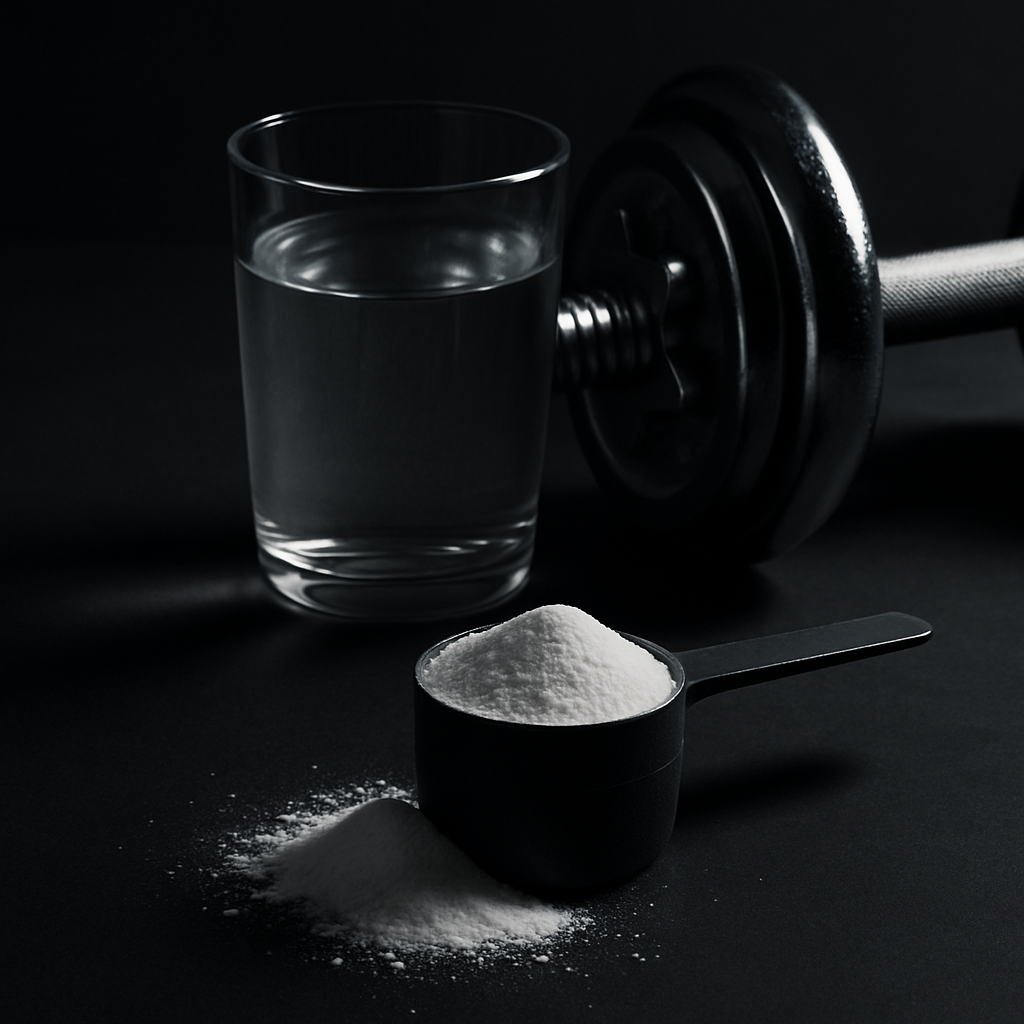
Creatine for Men Over 50: Building Strength Against the Clock
After 50, strength and muscle decline can creep up fast thanks to lower testosterone, sarcopenia, and andropause-related changes. Creatine—paired with sensible resistance training—can help older Canadian men protect muscle, power, and independence.
Key Takeaways
- Creatine monohydrate is the gold standard; take 3–5 g per day with a meal.
- Pair creatine with progressive resistance training 2–3 days per week for best results.
- Loading (20 g/day for 5–7 days) is optional; steady daily dosing also works.
- Older adults with kidney disease or on diuretics should speak with a clinician first.
- Look for Canadian products with an NPN and third‑party testing (NSF/Informed Choice).
- Expect small increases in body mass from water in muscles—this is normal and helpful.
- Use our creatine tools for timing, dosing, and product picks: /calculator and /best-creatine.
Why creatine matters after 50
Men over 50 face a perfect storm for strength loss: gradual testosterone decline, andropause symptoms (energy, mood, recovery), and age-related muscle loss known as sarcopenia. The outcome can be a slow erosion of power, mobility, and confidence. The good news is that muscle remains adaptable at any age. When you combine resistance training with creatine monohydrate, you give your muscles a well-studied assist to train harder and recover better.
Creatine helps replenish cellular energy (phosphocreatine) for short, intense efforts—exactly what you need to push through those last few reps or climb a hill. Over time, that means better training quality and more stimulus for maintaining or building lean mass. For older Canadian men, protecting muscle isn’t vanity—it’s health: stronger legs reduce fall risk, and more muscle helps you keep doing the things you love.
In Canada, creatine is sold as a Natural Health Product (NHP). It’s widely available as a simple powder with no fillers. If you’re new to supplementation, see our practical overviews in Guides and our picks in Best Creatine. The rest of this article shows how to use creatine—safely and effectively—alongside an age-appropriate training plan.
What the research says in older men
The International Society of Sports Nutrition (ISSN) recognizes creatine monohydrate as one of the most effective and well-researched supplements for enhancing high‑intensity exercise and increasing lean mass. Importantly for older adults, research shows that creatine plus resistance training outperforms training alone for improvements in strength and muscle mass.
Meta-analyses in older adults report greater gains in lean body mass and muscular strength when creatine is added to progressive resistance training programs. Some trials also note better performance on functional tasks (e.g., sit‑to‑stand), which matters for independence. Evidence for bone density and cognition is mixed but promising in select contexts; the clearest benefits remain in strength and muscle.
Safety-wise, long-term studies in healthy individuals have not shown harm to kidney or liver function when using recommended doses. For men with chronic kidney disease or other medical conditions, a clinician’s input is still essential. Bottom line: for men 50+, creatine isn’t a shortcut—it’s an evidence-based way to get more out of your training. See our deeper dive on timing in When to Take Creatine.
How to take creatine after 50
Form: Choose creatine monohydrate. It’s the gold standard: cost‑effective, stable, and well‑studied. Other forms haven’t shown consistent advantages.
- Maintenance dose: 3–5 g per day. Take it any time; pairing with a meal can aid consistency and may reduce stomach upset.
- Loading (optional): 20 g/day split into 4 doses for 5–7 days, then 3–5 g/day. Loading saturates muscles faster; skipping it simply takes a few more weeks to reach the same stores.
- Body-weight method (optional): ~0.1 g/kg/day (e.g., 8 g for an 80 kg man). Not necessary, but sometimes used.
Hydration: Creatine draws water into muscle. Drink water regularly, especially if you’re active or taking diuretics.
Medications and labs: If you have kidney disease, diabetes with kidney involvement, or take nephrotoxic drugs or diuretics, speak with your family doctor or pharmacist first. Routine kidney function tests (e.g., eGFR) can provide peace of mind.
Use our Creatine Calculator to set your dose, and see Creatine Loading Phase for step‑by‑step options.
Pair creatine with smart resistance training
Creatine works best when you use it—that means regular, progressive lifting. For men over 50, aim for full‑body strength sessions 2–3 days per week, with 48–72 hours between similar muscle groups. Keep technique crisp and progress gradually.
- Sample A/B plan: A: Squat or leg press, row, chest press or push‑ups, hip hinge (RDL), and planks. B: Split squat, lat pulldown or assisted pull‑ups, shoulder press, hip thrust or bridges, and carries.
- Sets and reps: 2–4 sets of 6–12 reps per exercise. When you can exceed the rep range with good form, increase weight slightly.
- Power moves (optional): Light, controlled medicine ball throws or quick sit‑to‑stands can help maintain power—important for preventing falls.
- Recovery: Sleep, protein-rich meals, and light activity on off days (walks, mobility work) support gains.
For broader activity targets and age‑friendly guidance, see the Canadian recommendations summarized by CSEP, and explore our practical templates in Guides.
Safety, myths, and realities for older men
Kidneys: In healthy people, recommended creatine doses have not been shown to impair kidney function. If you have reduced kidney function, hypertension with kidney involvement, or take diuretics/NSAIDs frequently, consult your clinician. Periodic eGFR monitoring is prudent for higher‑risk individuals.
Water weight and cramps: A small, early increase in body mass is common due to water in muscle. This is typically beneficial for performance and joint comfort. Cramping is not consistently linked to creatine; staying hydrated helps.
Hair loss and hormones: Creatine does not reliably increase testosterone in men and evidence linking it to hair loss is limited and inconclusive. If you’re concerned, monitor and discuss with your physician.
Prostate health: No strong evidence shows creatine elevates PSA or worsens prostate conditions. If you have active urologic issues, coordinate with your care team.
Timing with caffeine and protein: You can take creatine alongside coffee and protein. Some prefer creatine with a carbohydrate‑containing meal for convenience and tolerance; see When to Take Creatine for options.
Buying creatine in Canada: what to look for
Keep it simple and transparent. Most of the value comes from a plain, high‑purity creatine monohydrate powder.
- Monohydrate only: Avoid blends and exotic forms claiming superior absorption.
- Licensed in Canada: Look for an NPN (Natural Product Number) on the label. You can verify products in Health Canada’s database.
- Third‑party tested: NSF Certified for Sport or Informed Choice adds assurance of purity and label accuracy.
- Price per 5 g: Compare cost by the serving. Bulk powders are the best value; capsules are convenient but pricier.
- Minimal ingredients: You want creatine only—no proprietary blends or unnecessary sweeteners if you don’t need them.
We regularly test and compare Canadian options in Best Creatine and our full Creatine Supplements Review. If you’re just starting, aim for an unflavoured 300–500 g tub, take 3–5 g daily, and evaluate how you feel in 8–12 weeks.
Creatine + Training After 50: Quick Facts
- 3–5 g/day ISSN-supported maintenance dose of creatine monohydrate
- 2+ days/week CSEP guidance to do muscle-strengthening activities
- 5–7 days Typical creatine loading period (optional)
- ~95% Approximate share of body creatine stored in skeletal muscle
Frequently Asked Questions
Will creatine boost my testosterone after 50?
Not meaningfully. Creatine’s main benefits are improved high‑intensity performance and lean mass when combined with resistance training. Large, consistent increases in testosterone have not been shown.
Do I need to load creatine at my age?
No. Loading (about 20 g/day for 5–7 days) saturates muscles faster, but taking 3–5 g daily will reach similar levels over a few weeks. Choose the approach you’ll stick to comfortably.
Is creatine safe if I have high blood pressure?
Creatine itself doesn’t raise blood pressure, but if you’re on diuretics or have kidney concerns, speak with your doctor or pharmacist first. Stay well hydrated and continue monitoring as advised.
Can creatine help with joint or bone health?
Creatine’s clearest benefits are muscle and strength. Some studies suggest functional improvements and potential support when combined with training, but direct effects on bone density are mixed.
What time of day should I take creatine?
Consistency beats timing. Take 3–5 g daily at a time you won’t forget—often with a meal. You can take it with coffee or protein. See our guide: /when-to-take-creatine.
Can I take creatine with protein powder or medications?
Creatine mixes fine with protein powder. For prescription meds—especially diuretics or drugs affecting the kidneys—check with your healthcare provider before starting.