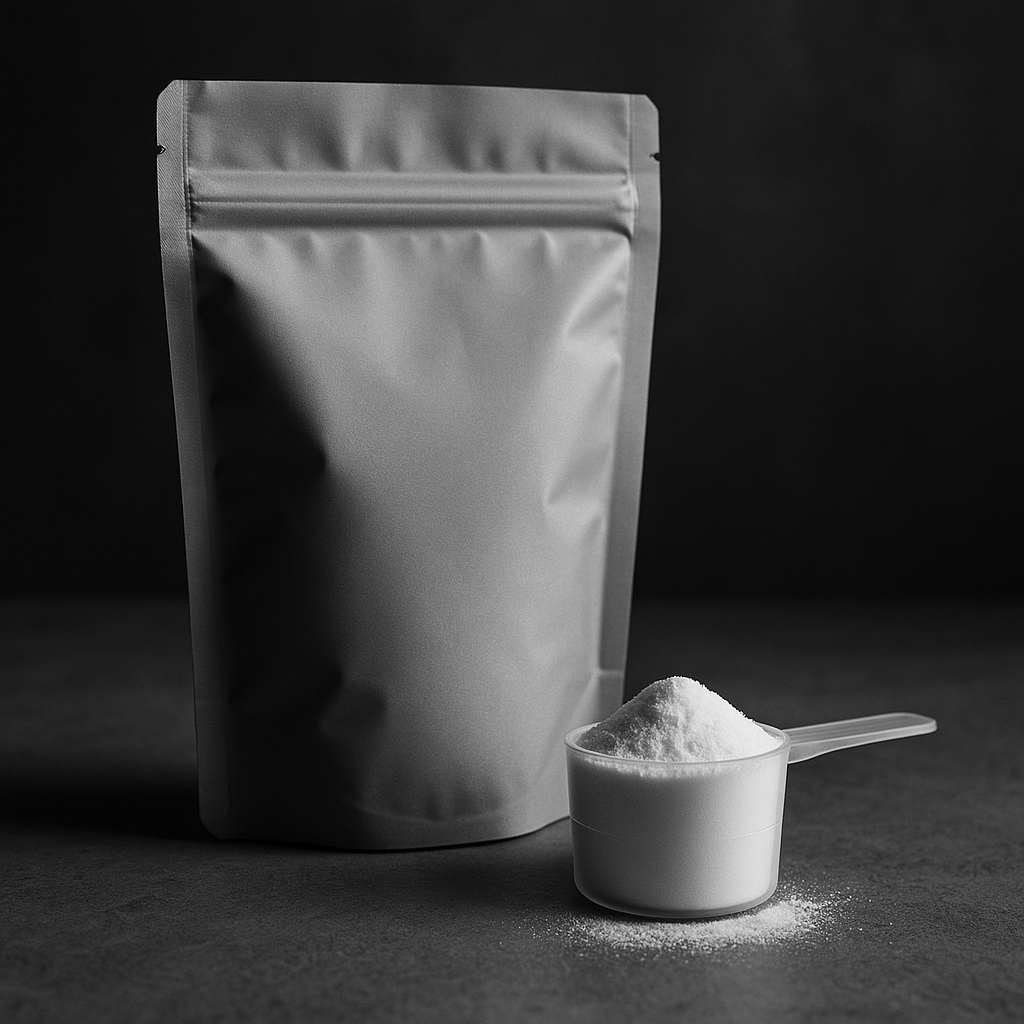
Best Budget Creatine in Canada: Quality Without Overpaying
Creatine monohydrate is proven, safe, and—if you shop smart—very affordable in Canada. Use this guide to compare cost per month, decide when bulk pays off, and spot real value without risking quality.
Key Takeaways
- Choose plain creatine monohydrate; it’s the gold standard and typically the lowest cost per month.
- Calculate cost per month: price ÷ grams = $/g; then multiply by 90–150 g (3–5 g/day) to estimate monthly spend.
- Bulk (1–1.5 kg) often wins if you’ll use it within 6–12 months and can store it dry and sealed.
- Compare Costco’s in-warehouse deals with online pricing and return policies; watch for seasonal promos.
- Look for a Canadian NPN on the label and consider third‑party certifications (NSF/Informed Choice).
- Skip fancy flavours and blends—unflavoured powders are cheaper and more versatile.
- You don’t need a loading phase; 3–5 g daily reaches the same results over time, saving product.
Why creatine monohydrate wins on price and proof
If you want the best value without sacrificing results, stick with creatine monohydrate. It’s the form most studied in sports nutrition, consistently supporting strength, power, and lean mass when taken at a maintenance dose of 3–5 g per day. The International Society of Sports Nutrition (ISSN) considers creatine monohydrate safe and effective for healthy individuals when used as directed.
Other forms—HCl, buffered, nitrate—are typically more expensive per serving but have no clear performance advantage over monohydrate for most people. Paying extra for flavouring, exotic forms, or flashy packaging rarely improves outcomes and usually increases cost per month.
In Canada, many creatine products carry an NPN (Natural Product Number) indicating they’re licensed by Health Canada. It’s a quick way to verify a product’s category, ingredients, and directions for use. Looking for third‑party certifications (e.g., NSF Certified for Sport or Informed Choice) can add peace of mind on purity—useful for tested athletes—but isn’t strictly necessary for most shoppers.
Want help picking? See our independent guides: Best Creatine in Canada and our in-depth creatine supplements review.
Do the math: cost per month (Canadian dollars)
To compare prices fairly, convert every tub or bag into a monthly cost. All you need is the price, the net weight, and your daily dose (3–5 g for maintenance).
- Step 1: Price ÷ grams = $/g. Example: $25 for 500 g → $25 ÷ 500 = $0.05/g.
- Step 2: $/g × 5 g = cost per day. Using the example: $0.05 × 5 = $0.25/day.
- Step 3: Monthly cost (5 g/day) = cost/day × 30. Example: $0.25 × 30 = $7.50/month.
More comparisons (illustrative):
- $35 for 1,000 g → $0.035/g → $0.175 per 5 g → ~$5.25/month.
- $60 for 1,500 g → $0.040/g → $0.20 per 5 g → ~$6.00/month.
Tip: If you prefer 3 g/day, multiply $/g by 90 g/month instead of 150 g. For personalized dosing and supply estimates, try our creatine calculator. Keeping your analysis to plain monohydrate helps ensure you’re comparing like with like.
When buying in bulk pays—and when it doesn’t
Bulk bags (1–1.5 kg) often have the lowest $/g—but only if you’ll actually use the product. At 5 g/day, 1 kg lasts about 200 days (~6–7 months). At 3 g/day, it’s roughly 11 months. If you take breaks, share with a training partner, or cycle sports seasons, plan accordingly so powder doesn’t sit open for ages.
Storage matters: creatine monohydrate is stable when kept cool, dry, and sealed. Avoid humid kitchens or open containers. If a big bag starts clumping, that’s usually moisture—not a safety issue—but it’s less pleasant to use. Decanting into smaller airtight jars can help.
When bulk doesn’t pay: you have limited storage, travel frequently, or you spot a sharp promo on a smaller size with free shipping. Factor in delivery fees or membership costs, and check expiry dates before buying multiples.
Bottom line: bulk buys shine for consistent daily users who can store product properly. If you’re just getting started, a 300–500 g tub is a low-commitment way to confirm routine fit before stepping up to 1 kg.
Costco vs online vs local: where Canadians save most
Creatine pricing in Canada shifts with promos, freight, and inventory. Here’s how to think about the main channels:
- Costco (warehouse or Costco.ca): Known for occasional sharp deals on larger tubs or pouches and an excellent return policy. Selection can be limited and seasonal, and membership adds an annual cost—so factor that into your math. In-warehouse prices may differ from online listings.
- Online retailers (e.g., speciality stores, brand sites, Amazon.ca): Wide selection, frequent codes and price-matching. Watch shipping thresholds and subscribe-&-save offers. On marketplaces, buy from the brand or an authorized seller to avoid counterfeits; check seller ratings and packaging photos.
- Local supplement shops: Immediate pickup, staff guidance, and the option to inspect lot numbers and expiry dates. Prices may be slightly higher on shelf, but many stores will price match major online listings.
Whichever route you choose, prioritize plain monohydrate, check the NPN and lot/expiry, and compare $/g across sizes. Our roundups can help you time purchases: best creatine picks and broader buying guides.
What cheap creatine risks—and what it doesn’t
“Cheap” doesn’t have to mean “risky” if you buy smart. The main concerns with low-cost powders are mislabeling and poor quality control, not that creatine itself is unsafe. Reduce risk by choosing products with an NPN, clear ingredient panels (ideally just creatine monohydrate), and a visible lot number and expiry.
For added assurance—especially for drug-tested athletes—look for third‑party certifications like NSF Certified for Sport or Informed Choice, which include screens for certain contaminants. While certifications can add cost, they offer traceability some buyers value.
Remember: terms like “micronized” describe particle size, not potency; and proprietary blends or heavily flavoured mixes often hide small creatine doses behind more expensive extras. Historically discussed contaminants (e.g., dicyandiamide) are primarily a manufacturing control issue—buying from reputable, licensed products addresses this.
What low price doesn’t change: well-supported dosing remains 3–5 g/day. More is not better for most people, and you don’t need special forms to get results. See our reviews for how we assess label accuracy and value.
Use creatine effectively—without wasting scoops
For most, the simplest plan is 3–5 g creatine monohydrate daily. A loading phase is optional: it fills muscle stores faster, but taking 3–5 g/day reaches the same endpoint over a few weeks, using less product overall. Learn more in our guides on loading and when to take creatine.
Mixing tips: creatine dissolves better in warm water or tea than in ice-cold drinks. Stir, let it settle for a minute, and drink. Unflavoured powder disappears easily into a smoothie, yogurt, or your post-workout shake.
Consistency beats timing. Take it at a time you won’t forget—morning routine, with a meal, or alongside your training. Stay hydrated, and if you’re tracking inventory, note your start date and bag size to estimate when to reorder. Our calculator can estimate supply length and monthly usage.
For product selection strategies and price benchmarks, check our current best-value picks and comprehensive review framework.
Your quick value checklist
Before you add to cart, run through this simple list:
- Form: Plain, unflavoured creatine monohydrate (micronized is fine, not required).
- Label: Check for a Canadian NPN, lot number, and clear dose per scoop (~3–5 g).
- Ingredients: Single-ingredient powder; avoid unnecessary flavours, dyes, or blends if you want lowest $/g.
- Third‑party testing (optional): NSF Certified for Sport or Informed Choice for added assurance—useful for tested athletes.
- Size & storage: New to creatine? Start with 300–500 g. Consistent user with dry storage? Consider 1–1.5 kg bulk.
- Price target: Calculate $/g; strong value often appears when 1 kg lands near promotional pricing. Re-check cost per 5 g and per month at your dose.
- Retailer: Prefer authorized sellers; verify return policy and shipping fees. Compare Costco vs online vs local the same day—prices move.
Want more checklists and buyer tools? Explore our step-by-step guides.
Creatine on a Budget: Quick Math
- 3–5 g/day Evidence-based maintenance dose
- ~150 g/month Usage at 5 g daily
- $0.15–$0.30 Typical cost per 5 g when buying value monohydrate
- 1 kg = 6–11 mo Supply length at 5 g vs 3 g/day
Frequently Asked Questions
Is micronized creatine different from regular creatine monohydrate?
Micronized creatine is the same compound—creatine monohydrate—processed into smaller particles to help it suspend and mix a bit easier. It doesn’t make the creatine more potent. Choose whichever offers the better price per gram and fits your mixing preference.
Do I need a loading phase to get results faster?
No. A loading phase (e.g., ~20 g/day for 5–7 days) saturates muscles faster, but taking 3–5 g/day reaches the same saturation over several weeks. If you’re budget‑minded, skipping loading saves product and still delivers the same long‑term benefits.
Is paying extra for Creapure or other branded creatine worth it?
Branded creatines like Creapure emphasize manufacturing standards and traceability, which some buyers value. Performance outcomes are similar to non‑branded monohydrate when purity is equal. If you’re stretching your budget, a reputable, licensed non‑branded monohydrate often provides the best value.
Can Costco be the cheapest place to buy creatine in Canada?
Sometimes—especially when a bulk pouch is on promotion and you already have a membership. Compare the in‑warehouse price with online retailers the same day, and include taxes, shipping, and membership costs. Always convert to cost per gram or per 5 g serving.
How do I verify a creatine product is licensed in Canada?
Look for an NPN (Natural Product Number) on the label, then search it in Health Canada’s Licensed Natural Health Products Database. You’ll see the product’s licensed ingredients, dose form, and status. It’s a quick way to confirm you’re buying a legitimate product.