Creatine Bloating: Why It Happens and How to Fix It
Feeling puffy or gassy after starting creatine? Most “bloat” is either harmless water moving into muscles or a gut response to how you’re dosing and mixing your powder. Here’s how to fix creatine bloating fast—without losing the benefits.
Key Takeaways
- Keep single servings to 3–5 g and avoid large one-off doses.
- Take creatine with a meal or post‑workout to reduce GI symptoms.
- Use micronized creatine monohydrate and dissolve it fully in warm water.
- Split your daily amount (e.g., 2–3 g twice) if you’re sensitive.
- Skip aggressive loading; use a gentle start if needed.
- Hydrate well and avoid carbonated mixers that can amplify bloating.
- If issues persist, trial a highly soluble form (e.g., HCl) while monitoring tolerance.
Why creatine can make you feel bloated
“Creatine bloat” is usually one of two things: normal water shifts into muscle cells (good for performance) or a short‑lived gastrointestinal (GI) response to how the powder is taken. Creatine monohydrate draws water into muscle over days and weeks, slightly increasing body mass without filling the stomach. That’s not the same as gassy, distended belly bloat.
The uncomfortable kind typically comes from the gut. If a serving is too large or poorly dissolved, some creatine can remain in the intestine, where it’s osmotically active—pulling water into the GI tract and sometimes leading to fullness, cramping, or loose stools. Carbonated mixers and fast chugging can add air and pressure, amplifying the effect. These issues are more common during aggressive loading protocols (e.g., 20 g/day split into big servings) or when dry‑scooping.
The good news: evidence-based dosing for maintenance is modest—3–5 g/day—and is well supported by the International Society of Sports Nutrition (ISSN) and other authorities. Most Canadians can avoid GI discomfort by adjusting timing, serving size, and how they mix their powder. Below, we’ll outline practical fixes and when it may make sense to change the form you use.
Dose and timing fixes that work
The fastest way to curb GI bloating is to reduce the size of any single serving. Aim for 3–5 g once daily. If you’re sensitive, split it into 2–3 g twice daily for a week or two before consolidating to one dose.
- Skip aggressive loading or try a gentle loading approach (e.g., 3–5 g/day for 3–4 weeks). The performance outcome is similar without the GI rollercoaster.
- Take it with food or right after training. A mixed meal slows gastric emptying and can reduce stomach upset.
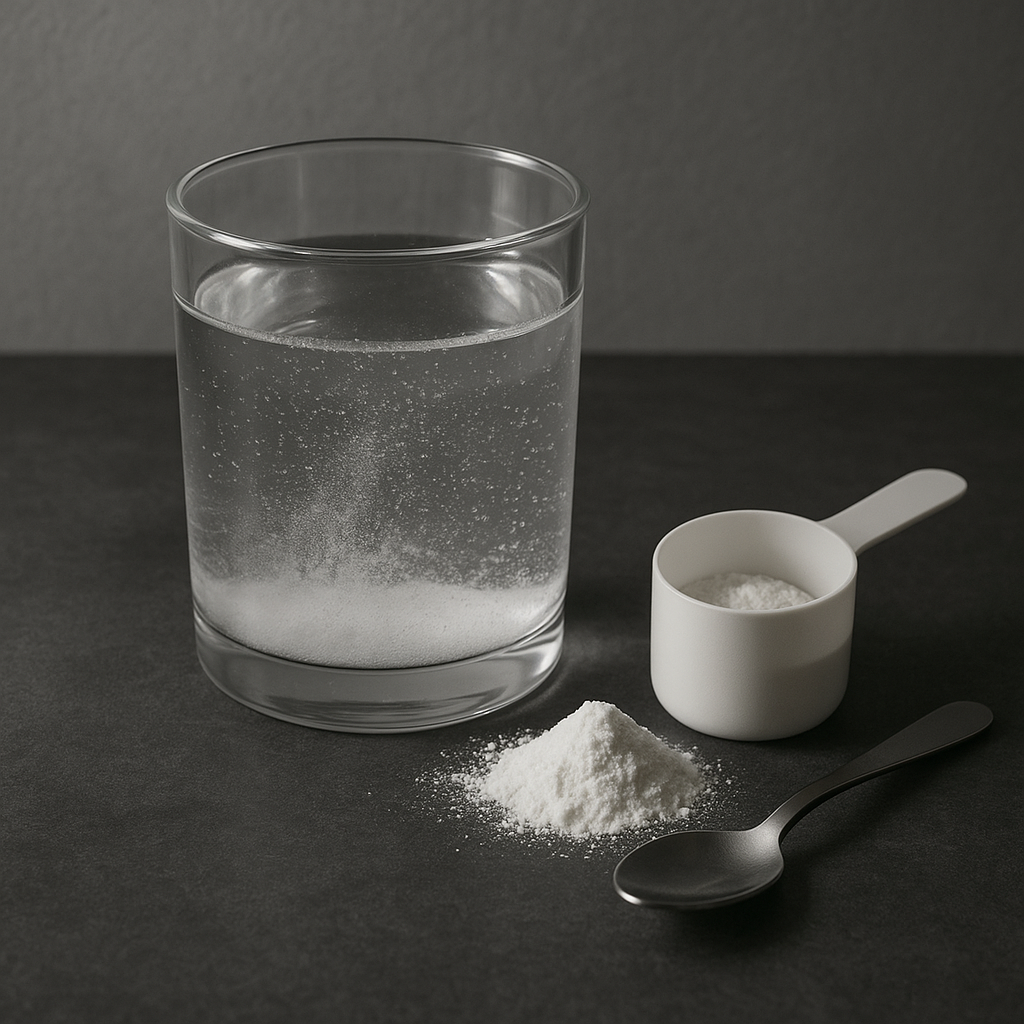
- Use warm water and give it 30–60 seconds to dissolve. Swirl or stir; avoid dry‑scooping.
- Avoid large pre‑HIIT servings. High-intensity intervals plus a big dose can magnify stomach bounce and sloshing. If training fasted, keep the dose small and well dissolved.
- Be patient. Mild GI changes usually settle within 3–7 days as you find your rhythm.
For more guidance on timing your routine, visit our When to Take Creatine guide. If you prefer structured steps and dose math, our Creatine Calculator can help you plan a progressive start.
Solubility matters: micronized vs standard powders
Not all creatine powders feel the same in your glass—or in your gut. Micronized creatine monohydrate has smaller particles than standard monohydrate, which generally means better dispersion and less gritty residue. That can translate to fewer undissolved crystals settling in your stomach, a common trigger for bloating in sensitive users.
- How to mix: Use 250–500 mL warm water per 3–5 g serving. Stir 30–60 seconds, wait briefly, and stir again. If residue remains, add a splash more water.
- Avoid carbonated mixers, which contribute gas and pressure.
- Don’t dry‑scoop. It’s harsh on the GI tract and offers no benefit.
- Stick with monohydrate as your baseline. It’s the gold standard for safety and efficacy, supported by the ISSN and decades of research.
Choosing a well-made powder helps too. Look for clear labeling, third-party testing, and reputable Canadian availability. Our picks and full notes are in Best Creatine in Canada and our independent Creatine Supplements Review.
Should you switch to HCl or other forms?
If you’ve optimized dose, timing, and mixing but still feel gassy or distended, you could experiment with a more soluble form like creatine hydrochloride (HCl). Many users report improved GI comfort with HCl, likely due to higher solubility and smaller recommended serving sizes. That said, head‑to‑head performance research still favours monohydrate as the best‑studied, most cost‑effective option.
- What to know: Manufacturers often suggest smaller HCl servings, but an exact equivalence to monohydrate isn’t established. Introduce conservatively and evaluate tolerance over 2–4 weeks.
- Avoid “creatine ethyl ester”: it hasn’t outperformed monohydrate and may be less effective.
- Buffered or nitrate forms: interesting but not clearly superior for GI comfort or results.
- Compare value per effective dose, not just scoop size. HCl often costs more per gram of active creatine.
Bottom line: stick with monohydrate if you tolerate it; consider HCl only as a comfort workaround. Our current recommendations and form-by-form pros and cons are summarized in Best Creatine in Canada.
Hydration, mixers, and electrolytes
Creatine increases intracellular water in muscle, which is one reason it helps training. It does not dehydrate you, but it works best when your overall fluid intake is on point. Health Canada’s Adequate Intake (AI) for total water is roughly 3.7 L/day for men and 2.7 L/day for women (from all beverages and foods). Athletes and hot-weather workers often need more.
- With your dose: Mix 3–5 g in 250–500 mL of water or a non‑fizzy beverage. More dilution usually equals better comfort.
- Avoid carbonation with your creatine; save the bubbles for later to limit gas.
- After sweaty sessions, pair fluids with electrolytes (especially sodium) and some carbs. This supports rehydration and glycogen without adding GI stress.
- Consistent sips beat chugging. Spread fluids through the day to avoid sloshing.
The ISSN notes no increased risk of cramps, dehydration, or heat illness from creatine when you hydrate appropriately. If you struggle to meet your daily fluids, set cues (e.g., 500 mL at breakfast, 500 mL post‑workout) and build from there. For structured routines, see our practical Creatine Guides.
Who is most susceptible—and when to pause
Some people are more likely to feel GI bloating from creatine, especially at the start:
- Those with sensitive guts (IBS tendencies, recent antibiotics, or frequent reflux) may react to larger single doses or gritty mixtures.
- New users—especially vegetarians or those with low baseline creatine—can notice early water shifts and transient fullness.
- Stacked stimulants (strong pre‑workouts, lots of caffeine, sugar alcohols) can compound GI symptoms when taken with creatine.
- Dairy sensitivity: If you mix with milk/yogurt and feel worse, try water or a lactose‑free base first.
Red flags: Severe or persistent cramps, ongoing diarrhea, or symptoms that don’t improve after reducing dose and improving solubility warrant a pause and a chat with a healthcare professional. People with known kidney disease or those who are pregnant or breastfeeding should seek medical advice before using creatine. For most healthy Canadians, a steady 3–5 g/day of monohydrate is well supported by long-term safety data.
If you need a clean slate, stop for a few days, reintroduce at 2–3 g/day with meals, and increase as tolerated. Our Creatine Calculator can help you step back up without overdoing it.
Quick fixes for creatine bloat
- 3–5 g/day Evidence-based maintenance dose (ISSN)
- 20 g/day × 5–7 Traditional loading; higher GI risk for some
- 250–500 mL Dilute each serving to improve tolerance
- With meals Timing that often reduces GI symptoms
- Micronized mono Higher solubility vs standard powder
Frequently Asked Questions
Is creatine bloating just water weight?
Often, yes—but it’s mostly water inside your muscles, not your stomach. That intracellular water helps performance and isn’t the same as gassy, distended belly bloat. If you feel puffy in the midsection, it’s more likely a GI response to dosing, solubility, or carbonation—issues you can fix with the strategies above.
Will creatine dehydrate me unless I drink extra water?
Creatine doesn’t dehydrate you and is not linked to more cramps or heat illness when you hydrate normally. Still, creatine works best when daily fluids are adequate. Aim to meet Health Canada’s total water guidance and mix each dose in 250–500 mL of non‑carbonated fluid.
Does switching to creatine HCl stop bloating?
Some people find HCl gentler on the stomach because it’s highly soluble and typically taken in smaller servings. There’s no strong evidence that HCl improves results over monohydrate, which remains the gold standard. Try it only after you’ve optimized dose, timing, and mixing with monohydrate.
Can I take creatine with coffee or fizzy drinks?
Coffee is generally fine for most people, but pairing a large creatine dose with a strong pre‑workout can irritate a sensitive gut. Carbonated beverages can increase gas and pressure, so they’re not ideal mixers. Use water or a non‑fizzy drink to minimize bloating.
How long does creatine bloating last when you start?
If it’s GI-related, it usually settles within 3–7 days once you reduce serving size, take it with food, and improve solubility. Water shifts into muscle can continue for a couple of weeks but are not the same as belly bloat. If symptoms persist, pause, reset at a lower dose, or consult a clinician.
Do women experience more bloating from creatine than men?
There’s no clear evidence of greater bloating in women. The bigger drivers are serving size, mixing, carbonation, and overall GI sensitivity. Using 3–5 g/day, taking it with meals, and avoiding fizzy mixers helps most users—regardless of sex.