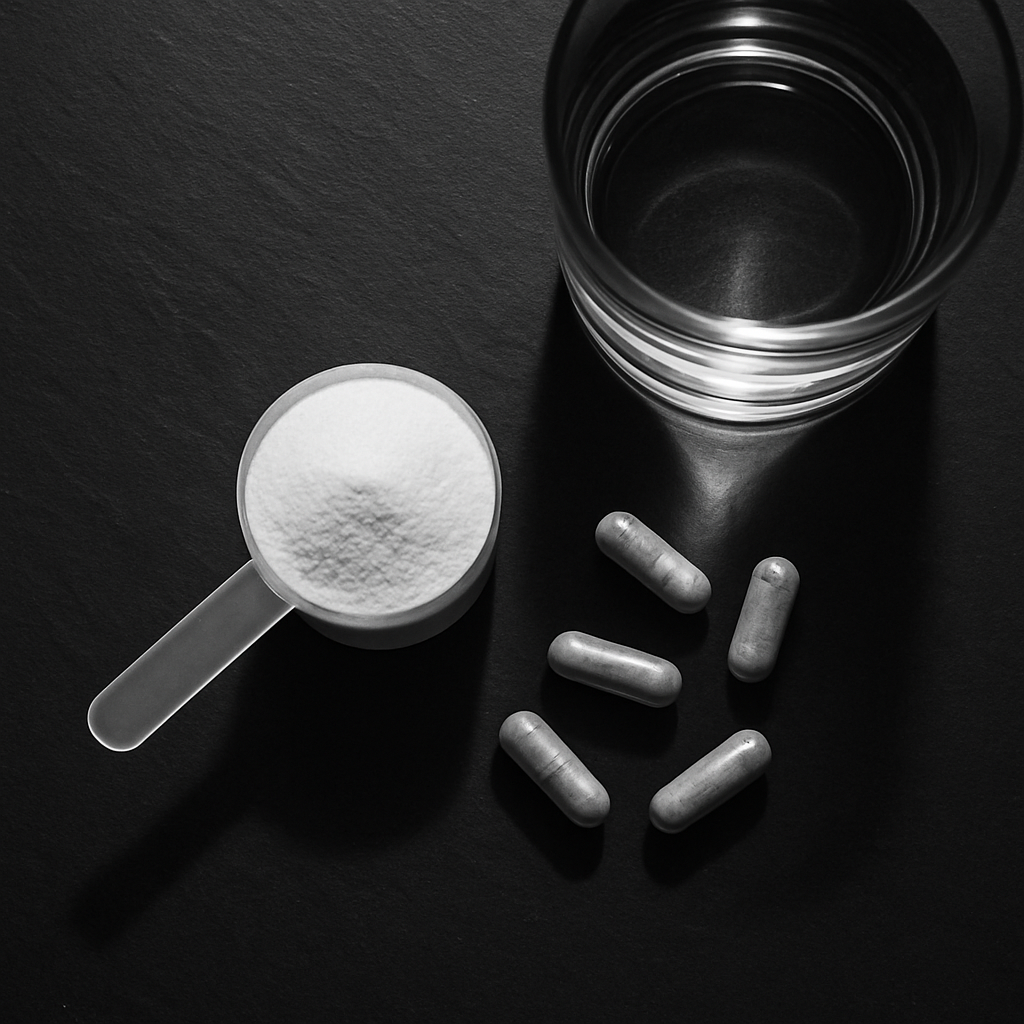
Creatine and Zinc: What You Need to Know Before Stacking
Wondering if creatine and zinc can be taken together? Short answer: yes, for most healthy adults. Here’s how to stack them safely—doses, timing, side effects, and what to look for on Canadian labels.
Key Takeaways
- Creatine monohydrate (3–5 g/day) is the gold standard; loading is optional.
- For adults, zinc RDA is 11 mg (men) and 8 mg (women); UL is 40 mg/day from all sources.
- There’s no established direct interaction between creatine and zinc in healthy adults.
- Avoid chronic high-dose zinc; excessive intake can deplete copper and upset the gut.
- Take creatine anytime daily; zinc works best away from high-iron/calcium supplements and some antibiotics.
- Choose Canadian products with an NPN and third‑party testing; pick plain creatine monohydrate.
- If you’re plant-based or a heavy sweater, you may benefit from checking zinc status with your clinician.
Creatine and zinc at a glance
Creatine and zinc often end up in the same stack for lifters, runners, and busy professionals. Creatine supports high‑intensity performance and lean mass by increasing phosphocreatine stores in muscle. Zinc is an essential mineral involved in immune function, protein synthesis, and hormone regulation. While they’re commonly paired, they act on different systems and do not appear to have a direct interaction in healthy adults.
From an evidence standpoint, creatine monohydrate is the gold standard. A daily maintenance dose of 3–5 g is well supported by the International Society of Sports Nutrition (ISSN). Zinc needs vary by age and sex; for adults, recommended intakes are 11 mg/day for men and 8 mg/day for women, with an upper limit (UL) of 40 mg/day from all sources.
If you’re stacking both, think of creatine as a daily foundation and zinc as a targeted micronutrient. The key is dose discipline, smart timing, and product quality. We’ll cover how to build a safe routine, Canadian label cues (like NPN numbers), and common pitfalls—so you can get the benefits without guesswork. For more on creatine basics, see our guides on when to take creatine and the optional loading phase.
Evidence-based dosing for creatine and zinc
Creatine: The most studied form is creatine monohydrate. A simple, effective plan is 3–5 g once daily, taken consistently. Some athletes choose an optional loading phase of 20 g/day (split into 4 doses) for 5–7 days, then 3–5 g/day thereafter—see details in our loading guide. Timing is flexible; daily adherence matters most. Our creatine calculator can help you tailor a plan.
Zinc: For Canadian adults, the recommended intakes are 11 mg/day (men) and 8 mg/day (women). The tolerable upper intake level is 40 mg/day from all sources (diet + supplements). If your multivitamin already contains 10–15 mg, a separate high‑dose zinc capsule may be unnecessary. Forms like zinc citrate, gluconate, picolinate, and bisglycinate are common and generally well absorbed.
Stacking tip: There’s no requirement to take creatine and zinc at the same moment. It’s often easier to put creatine with your workout or a daily habit (e.g., morning coffee or post‑training shake) and place zinc at a different meal to reduce potential interactions with other minerals or medications. If you suspect deficiency (vegetarian/vegan diet, heavy training with high sweat losses), speak with your clinician about testing before increasing zinc.
Safety, side effects, and interactions to know
Creatine is one of the most researched sports supplements and is considered safe for healthy adults when used at recommended doses. Expect a small, normal increase in body mass early on, primarily from increased muscle water content. Stay hydrated, especially in hot or high‑volume training blocks. If you have existing kidney disease or are taking nephrotoxic medications, consult your healthcare provider before starting.
Zinc is essential but not risk‑free. Short‑term GI upset (nausea, cramps) can occur, especially on an empty stomach. Chronic high intakes above the UL of 40 mg/day may lower copper status, leading to anemia or changes in white blood cells, and may unfavourably affect lipids. If supplementing beyond multivitamin levels for more than a few weeks, discuss copper status with your clinician.
Medication interactions: Zinc can reduce absorption of certain tetracycline and quinolone antibiotics—separate dosing by at least 2–4 hours. It may also interact with some thyroid and penicillamine medications. Creatine has fewer direct drug interactions, but always share your full supplement list with your pharmacist or physician. There is no established direct interaction between creatine and zinc in healthy adults.
Buying in Canada: quality checks and smart picks
Canadian supplements are regulated as Natural Health Products. Look for an NPN (Natural Product Number) on the label—this signals the product is authorized for sale by Health Canada. For added assurance, consider third‑party testing marks such as NSF Certified for Sport or Informed Choice, which screen for label accuracy and contaminants relevant to athletes.
- Creatine: Choose plain creatine monohydrate. It’s cost‑effective, well supported by evidence, and mixes easily. Micronized powder improves solubility. If you want brand specificity, look for reputable options in our best creatine roundup and deep dives in creatine reviews.
- Zinc: Common forms include gluconate, citrate, picolinate, and bisglycinate. Dose matters more than form for most people; aim to meet your needs without exceeding the UL. Be cautious with “ZMA”-type blends that stack zinc with high magnesium and vitamin B6—useful in some cases, but total daily intakes can creep up.
- Label literacy: Scan for serving size, elemental zinc amount (not just compound weight), and other minerals that may compete for absorption (iron, calcium). For creatine, you only need one ingredient: creatine monohydrate.
Timing your stack day to day
Creatine timing: Consistency beats clock‑watching. Take 3–5 g/day whenever you’re most likely to remember—morning, pre‑ or post‑workout, or with a meal. Some prefer after training alongside carbs and protein for convenience; the marginal timing differences matter far less than not missing days. Explore nuances in our timing guide.
Zinc timing: Zinc can cause nausea on an empty stomach, so consider a small snack. Absorption may decrease with high‑iron or high‑calcium supplements and foods rich in phytates (e.g., bran, legumes), so separate by a couple of hours when practical. If you take antibiotics such as tetracyclines or quinolones, separate zinc by at least 2–4 hours as advised by your pharmacist.
Putting it together:
- Morning: Creatine in water or coffee; multivitamin with breakfast.
- Evening: Zinc (if supplementing) with a light snack, away from iron/calcium pills.
- Training days: Keep creatine in your post‑workout shake for routine; zinc timing unchanged.
There’s no need to cycle either supplement in most cases. Take creatine daily, including rest days. Use zinc to meet—not greatly exceed—your needs.
Who benefits most—and when to test
Athletes and active Canadians often benefit from creatine regardless of diet pattern, with strong evidence for strength, power, and some cognitive scenarios. Vegetarians and vegans may see a larger response because dietary creatine from meat/fish is low; our guides explain how to start. Zinc is more situational: deficiency risk rises with plant‑forward diets high in phytates, high sweat losses, gastrointestinal conditions affecting absorption, and limited dietary variety.
Consider checking zinc status if you experience non‑specific signs like frequent colds, impaired wound healing, or changes in taste/smell—though these are not specific to zinc alone. A clinician can interpret labs and overall diet to decide if short‑term supplementation is warranted. If you’re already using a multivitamin with 10–15 mg zinc and eating a varied diet (seafood, beef, pumpkin seeds, dairy, legumes), you may not need an additional zinc capsule.
Bottom line: Pairing creatine monohydrate (3–5 g/day) with a moderate zinc dose that respects the 40 mg/day UL is reasonable for most healthy adults. Focus on quality, steady habits, and doses that fit your context—not what’s trending on social media.
Creatine + Zinc Quick Facts
- 3–5 g/day Creatine monohydrate maintenance dose
- 11 mg ♂ / 8 mg ♀ Adult zinc RDA (men / women)
- 40 mg/day Zinc upper limit from all sources
- Optional 20 g x 5–7 d Creatine loading (then 3–5 g/day)
Frequently Asked Questions
Can I take creatine and zinc at the same time?
Yes. There’s no established direct interaction between creatine and zinc in healthy adults, so timing them together is acceptable. Many people separate zinc from high‑iron or high‑calcium supplements and certain antibiotics to improve absorption and avoid interactions; creatine timing is flexible and can be taken whenever it’s easiest to remember.
What’s the best form of zinc to pair with creatine?
Creatine form should be monohydrate. For zinc, common forms like citrate, gluconate, picolinate, and bisglycinate are all reasonable. For most people, dose and total daily intake matter more than the specific form—aim to meet the RDA without exceeding the 40 mg/day upper limit from all sources.
Does zinc boost testosterone or sleep when stacked with creatine?
Zinc supports normal hormone function when you’re sufficient, but high‑quality evidence for boosting testosterone in zinc‑replete adults is limited. ZMA‑style blends are marketed for sleep, but results are mixed. If you’re not deficient, these effects are likely modest; focus on meeting needs rather than megadosing.
Do I need to load creatine if I’m also taking zinc?
No. Loading is optional and independent of zinc. You can take 20 g/day of creatine for 5–7 days to saturate faster, then continue at 3–5 g/day, or simply start with 3–5 g/day and reach saturation over a few weeks. Choose the approach you’re more likely to stick with consistently.
Are there any side effects I should watch for?
Creatine may cause a small, normal increase in body mass due to water in muscle; stay hydrated. Zinc can cause nausea or cramps, especially on an empty stomach, and long‑term high doses can lower copper levels. If you take antibiotics (e.g., tetracyclines, quinolones), separate zinc by a few hours.
What should Canadians look for on the label?
Look for an NPN (Natural Product Number) on Canadian supplements. For creatine, choose plain creatine monohydrate from a reputable brand. For zinc, check the elemental zinc amount per serving and ensure your total daily intake (diet + supplements) stays below 40 mg/day.