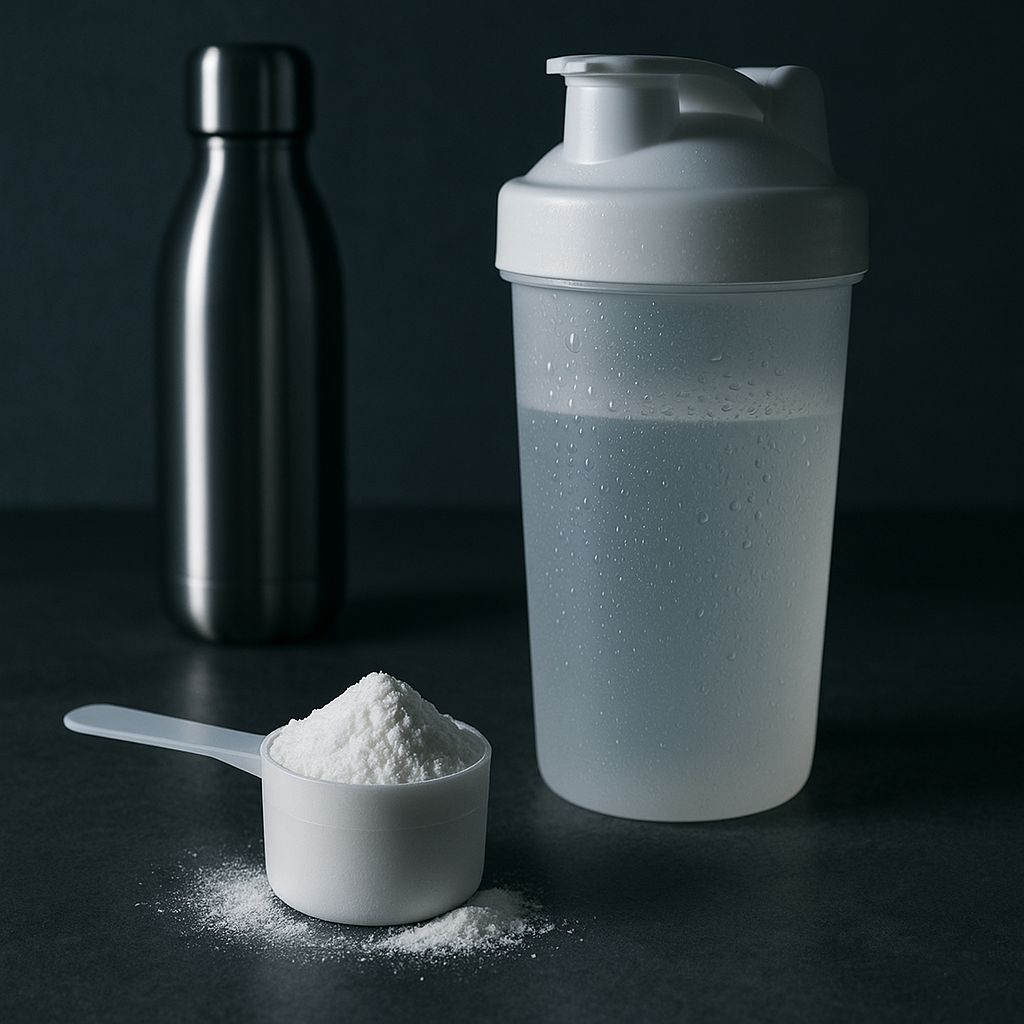
Creatine and Protein Timing: Building the Optimal Post-Workout Stack
Does taking creatine with your protein shake actually matter? We break down what to take first, how much protein helps creatine uptake, and practical post-workout formulas using Canadian ingredients you can find anywhere.
Key Takeaways
- Creatine monohydrate 3–5 g/day is the gold-standard maintenance dose; consistency beats perfect timing.
- Mixing creatine with a post-workout protein shake is convenient and supports uptake—no need for separate servings.
- Aim for 20–40 g protein post-workout; add 30–60 g carbs if you want to maximize insulin-driven creatine retention.
- Pre vs post workout creatine shows similar results; slight edge post-workout in some data, but the effect is small.
- Use monohydrate powder in water or milk; it dissolves well and remains stable for several hours.
- Canadian-friendly options: whey from Canadian dairy, or pea/soy blends with oats, fruit, or chocolate milk.
- Loading (20 g/day for 5–7 days) is optional; you’ll reach the same saturation with 3–5 g/day.
Why stack creatine and protein after training?
Creatine and protein do different jobs that complement each other. Creatine monohydrate helps regenerate ATP for repeated high-intensity efforts and supports training volume. Protein supplies amino acids—especially leucine—to trigger muscle protein synthesis and repair. Stacking them post-workout is practical, tastes fine, and lines up with when many Canadians already have a shake.
The core evidence is straightforward: the International Society of Sports Nutrition (ISSN) recognizes creatine monohydrate as the gold standard, with a maintenance dose of 3–5 g/day for most adults. Whether you train for hockey, CrossFit, powerlifting, or long Canadian trail runs with sprint work, consistency is what saturates your muscles—not a magic minute on the clock.
Protein timing is a bit more flexible than old-school dogma suggests, but 20–40 g high-quality protein in the few hours after training is a reliable way to support recovery. If you prefer an all-in-one shake, putting 3–5 g creatine monohydrate into your post-workout protein works well. Want to go deeper on timing? See our guide on when to take creatine and the optional loading phase.
Timing and order: which comes first?
Good news: order rarely matters. Creatine doesn’t need to be absorbed before protein to work, and vice versa. You can mix creatine into your protein shake and drink it together. If your routine splits them up, that’s fine too—take the creatine whenever you reliably remember it.
As for pre vs post workout, research comparing the two shows very similar outcomes over weeks of training. A small study found a slight edge to post-workout in some measures, but the difference was minor. The practical lesson: daily adherence beats micromanaging the clock. On rest days, take your creatine with any meal or shake.
- Simple default: 3–5 g creatine + 20–40 g protein after training.
- Training fasted? Take both immediately after.
- Late-night lifter? Take them post-workout; protein before bed is also reasonable if it suits your sleep.
If you like the science of timing, we summarize it in When to Take Creatine. For most athletes and gym-goers, focus on consistency, sleep, and total weekly volume rather than chasing a narrow post-workout minute hand.
How much protein helps creatine uptake?
Creatine transport into muscle is influenced by insulin. Early controlled trials showed that pairing creatine with a high-glycaemic carbohydrate drink increased muscle creatine accumulation, and later work found that protein plus carbohydrate can produce a similar insulin response and improve creatine retention. You don’t need extreme sugar loads; a normal post-workout meal or shake is usually enough.
Practical targets:
- Protein: 20–40 g post-workout (whey isolate/concentrate, casein, or a pea/soy blend).
- Carbohydrate: 30–60 g from milk, fruit, oats, or a sports drink if you trained hard/long.
- Creatine monohydrate: 3–5 g mixed right in.
Protein alone will raise insulin modestly. Adding carbs tends to boost the insulin signal further, which can support creatine retention—most useful if you want to optimize every percentage point. If you’re cutting calories, don’t force extra sugar just for creatine; you’ll still saturate muscles with the standard dose over time. See our creatine calculator for individualized dosing, and our guides for recovery nutrition basics.
Practical post-workout shake formulas
Here are easy, Canadian-grocery-friendly shakes you can blend or shake in a bottle. All include 3–5 g creatine monohydrate. Adjust servings to your calories and taste.
- Classic Whey + Banana: 1 scoop whey (25–30 g protein), 1 medium banana (27 g carbs), 250–350 mL 2% milk (8–12 g protein, 12–15 g carbs), ice. Balanced carbs and protein; quick to digest after hard lifts.
- Chocolate Milk Fast-Track: 500 mL 1–2% chocolate milk (16–18 g protein, ~50 g carbs) + creatine. No blender needed. Dairy from Canadian producers is widely available and tested for quality.
- Plant Blend Smoothie: 1 scoop pea/soy protein (25–30 g protein), 40 g quick oats (~26 g carbs), 1 cup berries (15–20 g carbs), water or fortified soy beverage. Add cinnamon and a pinch of salt if you’re a heavy sweater.
- Greek Yogurt Shake: 175 g 0–2% Greek yogurt (17–20 g protein), 1 tbsp honey (~17 g carbs), 1 cup mango (~25 g carbs), water. Spoonable or blendable; gut-friendly for many.
Want help picking a creatine powder? See our tested picks in Best Creatine in Canada and deep dives in Creatine Supplements Review.
Beyond shakes: simple whole-food stacks
Prefer a fork to a shaker? You can still pair protein, carbs, and creatine easily. Stir your 3–5 g creatine into water and sip it alongside one of these quick meals:
- Eggs on Toast + Fruit: 3 eggs (18–20 g protein), 2 slices whole-grain toast (~30 g carbs), 1 apple (~25 g carbs). Add a glass of milk for extra protein.
- Canned Salmon & Rice Bowl: 120 g canned sockeye (24–28 g protein + omega‑3s), 1 cup cooked rice (~45 g carbs), frozen peas, lemon, and canola mayo. Canadian salmon is easy to source and travels well.
- Lentil Chili + Tortillas: 1.5 cups lentil chili (25–30 g protein), 2 small tortillas (~30 g carbs). Plant-forward with fibre and potassium.
- Tuna Wrap + Chocolate Milk: 1 whole-wheat wrap (25–30 g protein from tuna + wrap), side of 250 mL chocolate milk (~25 g carbs). Minimal prep for busy days.
Remember: dietary creatine from meat and fish adds a little, but not enough to replace supplementation if you’re aiming for full saturation. Keep the supplement steady at 3–5 g/day, including rest days. For goal-based macro planning, our calculator can help you set protein and calorie targets.
Buying and prep tips in Canada
For creatine, choose a creatine monohydrate powder with simple ingredients and third-party testing when possible (e.g., Informed Choice/Informed Sport). Many Canadian products carry an NPN and list domestic importer details—check the label. Creatine is stable in water or milk for hours; mix close to your workout or bring a small dry container to the gym.
- Protein choices: Whey concentrate/isolate from Canadian dairy is widely available; plant options (pea from the Prairies, soy) work well, especially when blended for a complete amino acid profile.
- Budget picks: 1–2 L jugs of milk or milk alternatives and bulk oats fruit are cost-effective carb–protein bases; add creatine per serving.
- Travel and winter: Single-serve baggies of creatine travel easily; avoid leaving mixed dairy shakes in a cold car—shake with water and eat a warm meal when home.
- Doping safety: Competitive athletes should favour third-party certified supplements and keep batch numbers.
For brand guidance, see Best Creatine in Canada, our independent Creatine Supplements Review, and practical Guides. If you’re curious about loading, we outline pros and cons at Creatine Loading Phase.
Your Post-Workout Stack at a Glance
- 3–5 g Creatine monohydrate daily maintenance
- 20–40 g Protein target post-workout
- 30–60 g Optional carbs to support creatine uptake
- 0–2 h Flexible post-workout window—consistency wins
- Monohydrate Gold-standard creatine form (ISSN-supported)
Frequently Asked Questions
Can I mix creatine with my whey protein shake?
Yes. Creatine monohydrate mixes well with water or milk and is stable for several hours. Most people simply add 3–5 g creatine to their post-workout protein shake and drink it together. There’s no need to separate doses.
Do I need a lot of sugar with creatine for it to work?
No. While carbs (and protein plus carbs) can enhance insulin and support creatine retention, you do not need large sugar loads. A normal post-workout meal or shake with 20–40 g protein and some carbs is sufficient. Consistent 3–5 g/day creatine saturates muscles over time.
Is a creatine loading phase necessary if I’m already taking protein?
Loading is optional. Taking ~20 g/day split into 4 doses for 5–7 days saturates faster, but the same saturation occurs in a few weeks with 3–5 g/day. Protein intake doesn’t change this. See our overview at /creatine-loading-phase.
What if I train fasted in the morning?
Take creatine with your first protein-containing meal or shake after training. If you prefer pre-workout creatine for routine’s sake, that’s fine too—overall daily intake matters most. On rest days, take creatine any time with a meal.
Is plant protein as good as whey when stacking with creatine?
Yes, provided your total protein and leucine are adequate. A 20–40 g serving of pea or soy protein (or a blend) works well. Pairing plant protein with carbs (oats, fruit) can further support creatine retention via insulin.