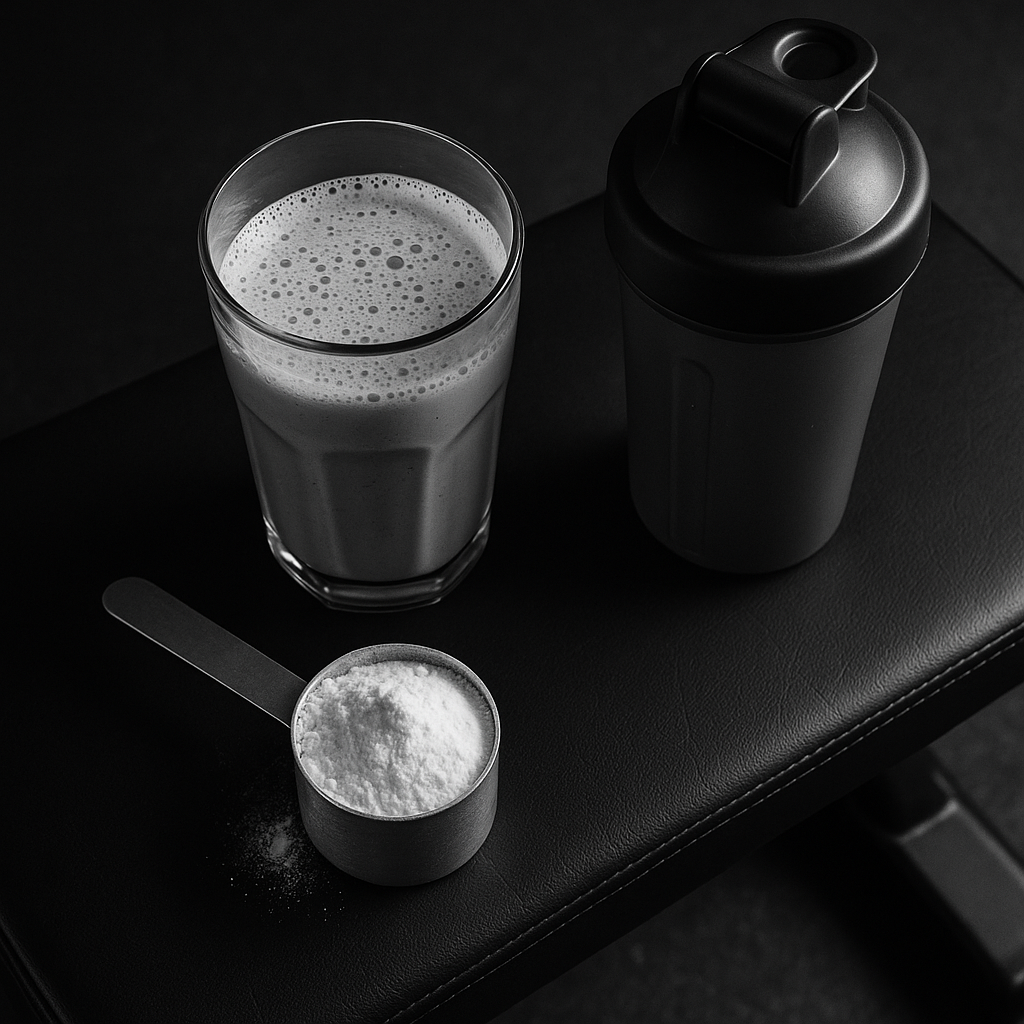
Mixing Creatine with Protein Shakes: Does It Work Better?
Are you considering adding creatine to your daily protein shake? Learn whether this combination truly boosts muscle gain, what the research says about insulin spikes, and how to do it for maximum benefit.
Key Takeaways
- Mixing creatine with protein is safe and convenient for most Canadians.
- Science shows no unique benefit from co-ingesting creatine with protein or carbs, as long as daily needs are met.
- The ‘insulin spike’ theory is largely a myth for muscle gain—normal protein/carb meals suffice.
- Creatine monohydrate remains the gold standard and is stable in most shake recipes.
- You can simply add 3–5 g creatine to your usual protein shake—no elaborate timing needed.
- Try to use Health Canada-approved products from reputable Canadian brands.
- Check our <a href='/creatine-supplements-review'>creatine supplement reviews</a> and <a href='/best-creatine'>best creatine in Canada</a> guides.
Why Combine Creatine and Protein?
Many Canadians looking to enhance muscle growth and recovery ask whether it's smart or even necessary to mix creatine into their daily protein shakes. Creatine monohydrate and high-quality protein powders are among the most researched and trusted sports supplements on the market today. It’s natural to wonder if their benefits might multiply when used together.
Creatine works mainly by bolstering high-intensity performance and supporting muscle energy stores, while protein provides the amino acids needed for repair and growth. Both have been independently shown in large meta-analyses and consensus reviews (like those from the ISSN) to benefit athletes, gym-goers, and active adults.
- Combining both can be practical, helping you remember to take your daily creatine dose.
- No major Canadian health agency has warned against mixing these supplements for healthy adults.
If you’re unsure how much creatine is right for you, try our creatine dosage calculator or check our guide on when to take creatine.
The Insulin Spiking Myth: Does It Matter for Creatine?
One pervasive belief is that you should consume creatine with simple carbs (like juice) or protein to 'spike' insulin and boost creatine uptake. Early research in the 1990s did show that high insulin levels can increase creatine absorption by muscle cells. However, more recent studies clarify that the effect is only notable at far higher insulin levels than you’d get from a normal shake or meal.
Translation: For most people, eating your usual post-workout meal—or adding creatine to a standard protein shake—is more than sufficient. No need to chase a 'sugar rush' or special timing. The new position statements from scientific bodies like the International Society of Sports Nutrition make it clear: timing and co-ingestion of carbs or protein are not major factors for creatine’s long-term effectiveness.
- Daily total creatine intake is much more important than timing or co-ingestion for muscle retention.
- There's no proven gain from sipping creatine with high-glycemic foods or big sugar loads.
What the Research Actually Shows on Co-Ingestion
Does mixing creatine and protein shakes improve muscle growth versus taking them separately? A review of clinical trials and consensus statements suggests that combining the two offers convenience, but not extra muscle gain or performance compared to simply meeting your daily creatine needs.
- 3–5 grams of creatine per day, regularly taken, is sufficient to maximize muscle stores for most people.
- Co-ingestion with protein and carbs may slightly speed up creatine loading, but offers no clear advantage after the first week or two.
- Canadian and global recommendations support a flexible approach: take creatine however it best fits into your diet.
That said, combining them is a practical solution—especially for those who find it easier to remember their supplements with their daily shake. For more nuances, check our guide to the creatine loading phase.
Is Creatine Stable in Protein Shakes?
Good news: Creatine monohydrate, the gold standard for effectiveness and safety, mixes well in both water-based and dairy (or plant-based) protein shakes. Research shows that creatine is stable in cool to room temperature liquids for at least several hours—so preparing your shake in the morning for later in the day is just fine.
- Avoid leaving creatine-mixed shakes in hot environments or in direct sunlight for long periods. Prolonged exposure to heat or acidic juices (like pure orange juice) can slowly degrade creatine into creatinine, which is less useful.
- If you prefer a flavoured or pre-mixed protein drink, make sure to stir in your creatine just before drinking for best results.
If you want to compare which Canadian creatine brands mix and dissolve well, see our creatine supplements review.
Simple and Effective Shake Recipes with Creatine
Looking for inspiration? Here are a few practical, Canadian-friendly protein and creatine shake recipes:
- Classic Chocolate Shake — 1 scoop chocolate whey, 3–5 g creatine monohydrate, 250 mL milk or oats milk, ice cubes. Blend and enjoy!
- Vegan Berry Recovery — 1 scoop plant protein, 3–5 g creatine, 200 mL oat beverage, handful of local frozen berries.
- Post-Workout Maple Smoothie — 1 scoop vanilla protein, 3–5 g creatine, 250 mL water, 1 tsp pure maple syrup, half a banana.
Tips: Choose Health Canada–approved supplements from reputable Canadian brands for both protein and creatine. Always use clean water and avoid excessive heat if prepping ahead.
Summary and Best Practices for Canadians
Mixing creatine into your protein shake is a safe, effective, and convenient habit for Canadians looking to build muscle or support athletic performance. The science does not demand special timing, insulin-spiking combos, or sugary add-ins—just focus on regular intake and quality products.
- Take 3–5 grams of creatine monohydrate daily, anytime that fits your schedule, and feel free to combine with protein as you like.
- Prioritize safe, Health Canada–licensed supplements and stay consistent for best results.
- Experiment with healthy shake recipes using Canadian ingredients, but keep prep simple for long-term adherence.
To compare top options in Canada, consult our best creatine guide and unbiased product reviews.
Creatine and Protein: Fast Facts
- 3–5 g Optimal daily creatine dose for Canadians
- Stable 4–8 hrs Creatine's stability in protein shakes at room temperature
- 0 extra benefit No significant muscle gain advantage from timing creatine with protein
- 30+ Studies reviewed in ISSN’s creatine position stand
Frequently Asked Questions
Can I mix creatine into any protein shake?
Yes, you can mix creatine monohydrate into almost any protein shake. It dissolves best in cool liquids and is stable for a few hours, making it easy to add to your regular whey, casein, or plant-based shakes. Just remember not to leave it in a hot environment for long.
Do I need to take creatine with sugar for better absorption?
No, there is no strong evidence that adding large amounts of sugar to your creatine improves long-term muscle gains. It’s more important to be consistent with your daily dose; taking creatine with or without carbs or protein works well.
Is it better to take creatine before or after working out?
Timing is flexible. Most research shows that as long as you take your daily dose (3–5 g), muscle creatine stores will saturate over time no matter when you take it. Choose a time you’ll remember, such as with your daily shake.
Does mixing creatine with protein help muscle growth more than taking them separately?
No, several studies and consensus statements show that there is no additional benefit to muscle growth or strength from co-ingesting creatine and protein, as compared to simply meeting your daily requirements for both.
Are there any risks to combining creatine and protein shakes?
For healthy adults, combining creatine with protein is safe and well-tolerated. Those with kidney disease should consult their physician before supplementing, as should anyone with complex health concerns.