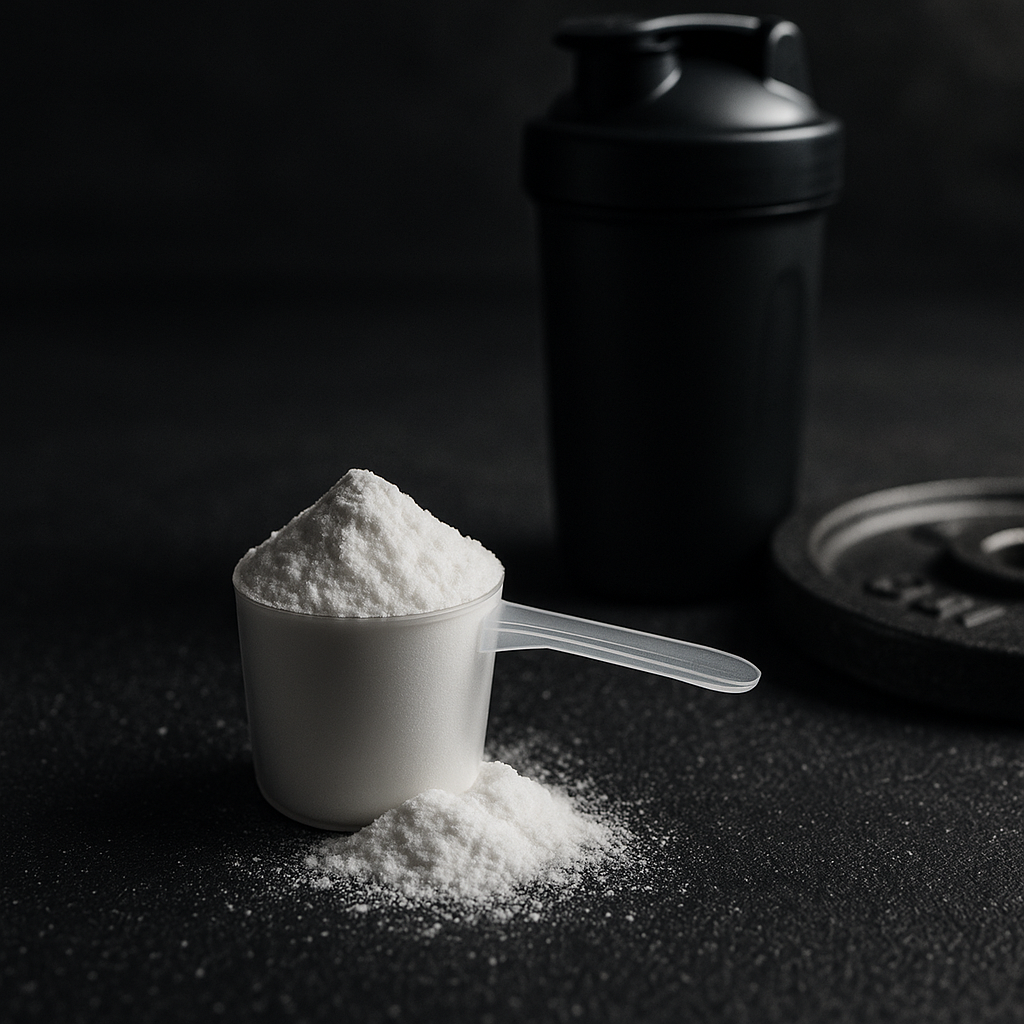
Creatine for Faster Muscle Recovery: The Science Explained
Creatine isn’t just for peak power—used daily, it can support faster muscle repair, better glycogen restoration, and less oxidative stress after hard training. Here’s how it works and a step‑by‑step Canadian protocol to put it into practice.
Key Takeaways
- Creatine monohydrate (3–5 g/day) is the gold standard for recovery and performance.
- Consistent daily dosing matters more than timing; post-workout with carbs/protein is a practical choice.
- Creatine supports muscle repair via satellite cell activity and myonuclear accretion alongside training.
- It can enhance glycogen storage and ATP resynthesis, helping you bounce back between sessions.
- Some studies show modest reductions in markers of muscle damage and soreness (DOMS).
- Hydration and carbohydrate intake improve creatine uptake and recovery outcomes.
- Choose Canadian NPN-listed creatine monohydrate; consider an optional 5–7 day loading phase.
Why creatine helps recovery (not just performance)
Most Canadians know creatine for explosive lifts and sprints. Less appreciated is its role in recovery between sessions. Creatine increases intramuscular phosphocreatine, which fuels rapid ATP recycling. That same energy buffer can support faster restoration after hard training, especially when combined with adequate carbohydrate and protein.
Beyond energy, creatine interacts with several biological processes relevant to recovery: satellite cell activity (muscle repair and growth), glycogen storage, and the cellular redox environment (oxidative stress). The result for many lifters and field athletes is steadier performance across a training week and less drop-off in subsequent sessions.
- Dose: 3–5 g/day creatine monohydrate is the evidence-based maintenance range supported by the International Society of Sports Nutrition (ISSN).
- Form: Creatine monohydrate remains the gold standard for efficacy, safety, and value. See our picks in best creatine and detailed creatine supplement reviews.
- Timing: Consistency beats timing, but post-workout with carbs/protein is convenient. For more, read when to take creatine.
Below, we break down the science behind each recovery pathway and finish with a practical Canadian protocol you can start this week.
Satellite cells and muscle repair
Muscle recovery isn’t just about replacing fuel; it’s about rebuilding tissue. Satellite cells are the muscle’s resident stem cells. After training stress, they activate, proliferate, and fuse with existing fibres—donating new nuclei (myonuclei) that help support growth and repair. Human trials have shown that creatine supplementation, when combined with resistance training, is associated with greater satellite cell activity and myonuclear addition compared with training alone.
Mechanistically, higher intramuscular phosphocreatine may help meet the energy demand of early repair processes, indirectly supporting protein synthesis and cell signalling. Over weeks, this can translate to better muscle remodelling—useful not only for gaining strength but also for recovering capacity between sessions.
- What this means for you: If you’re lifting 3–5 days per week, daily creatine can compound the training signal that drives repair, particularly during higher-volume blocks.
- How to apply: Take 3–5 g/day monohydrate. If you want benefits sooner, consider a loading phase (20 g/day split in 4 doses for 5–7 days), then maintain at 3–5 g/day.
- Coach’s tip: Pair with a protein target (~0.3 g/kg per meal) and quality sleep to maximise satellite cell response.
Glycogen replenishment and ATP resynthesis
Glycogen is your muscle’s stored carbohydrate—critical for repeated sets, sprints, and long practices. Creatine can complement glycogen restoration in two ways: first by enabling faster ATP resynthesis during and after exercise, and second through interactions that, alongside adequate carbohydrate intake, are associated with greater glycogen storage in some studies.
Practically, athletes often report less performance decay across multiple bouts when creatine is paired with sufficient carbs. For team sport and CrossFit-style training, this can mean sharper later reps and improved quality across the week.
- Post-workout stack: 3–5 g creatine + 20–40 g protein + 1–1.2 g/kg carbohydrate in the first 1–2 hours post-exercise supports both glycogen replenishment and repair.
- Hydration matters: Creatine draws water into muscle. Aim for at least 30–35 mL/kg/day of fluids, more in heat or with long sessions.
- Plan ahead: Use our creatine dosage calculator and see Canadian picks in best creatine.
Oxidative stress, inflammation, and recovery
Hard training generates reactive oxygen species (ROS) and an inflammatory response. These signals are part of adaptation, but excess oxidative stress can exacerbate muscle damage and delay recovery. Creatine has been shown to influence cellular redox status—acting indirectly as an energy buffer that may reduce reliance on pathways that elevate oxidative stress. Some research also notes modest attenuation of muscle damage markers (like CK) and improved force recovery following damaging exercise when creatine is used consistently.
The take-home isn’t that creatine is a magic anti-inflammatory; rather, it appears to tilt the balance toward efficient recovery while leaving the training signal intact. Combined with sleep, nutrition, and smart programming, the net effect is more “good stress” and less collateral fatigue.
- Practical cues: Keep creatine daily, not just on training days. Layer basic recovery: 7–9 h sleep, protein at each meal, and an appropriate deload every 4–8 weeks.
- Form matters: Stick to creatine monohydrate, which has the strongest safety and efficacy record per the ISSN. See our supplement reviews.
Creatine and DOMS: what the evidence says
Can creatine reduce delayed-onset muscle soreness (DOMS)? Evidence suggests a modest benefit in some settings. Several trials report smaller increases in muscle damage markers and slightly better strength recovery after eccentric-heavy protocols when participants supplement with creatine versus placebo. Not every study finds a clear effect on perceived soreness, but the trend toward improved recovery of function is encouraging—especially when creatine is paired with sufficient carbohydrate and protein.
For lifters, that may translate to maintaining bar speed and reps later in the week after a tough leg day. For runners or team sport athletes, you may notice steadier turnover or fewer performance dips after hill sprints or small-sided games.
- Expectations: Think “helpful nudge,” not painkiller. Creatine works best as part of a complete plan: training progression, nutrition, hydration, and sleep.
- Consistency window: Benefits accrue as muscles saturate with creatine (typically 2–4 weeks without loading, or ~1 week with a loading phase).
- When to take: Any time daily; post-workout with a meal is convenient. For details, see when to take creatine.
A Canadian recovery protocol you can start today
Here’s a simple, evidence-aligned plan tailored for Canadian athletes and lifters. It emphasises creatine monohydrate, daily consistency, and the nutrition pieces that make recovery click.
- Choose your creatine: Go with creatine monohydrate from a Canadian brand that lists an NPN (Natural Product Number) and third-party testing. See our curated picks in best creatine and full reviews.
- Dose: Maintain at 3–5 g/day. Optionally load at 20 g/day for 5–7 days (4 x 5 g), then maintain 3–5 g/day.
- Timing: Take it anytime you remember; many prefer post-workout with 20–40 g protein and 1–1.2 g/kg carbohydrate to support glycogen.
- Hydration: 30–35 mL/kg/day minimum; add 500–1,000 mL in hot weather or long practices.
- Weekly rhythm: Keep creatine on rest days too. Pair with 2+ protein-rich meals and a fruit/veg target of at least 5 servings daily.
- Track and adjust: Log training quality, soreness, and sleep for 3–4 weeks. If you’re unsure on dosing, try our creatine calculator and browse more guides.
Note: Creatine is widely regarded as safe for healthy adults when used as directed. If you have kidney disease, are pregnant/breastfeeding, or take medications, speak with your healthcare provider first. In Canada, consult Health Canada’s guidance on natural health products when evaluating labels.
Creatine and Recovery at a Glance
- 3–5 g/day Evidence-based daily maintenance dose
- 20 g/day × 5–7 d Optional loading phase to saturate faster
- ~95% in muscle Most body creatine is stored in skeletal muscle
- Monohydrate Gold-standard form per ISSN for efficacy and safety
Frequently Asked Questions
Does creatine actually reduce soreness (DOMS)?
Research shows creatine can modestly attenuate markers of muscle damage and improve recovery of strength/function after hard sessions. Effects on perceived soreness vary by study. Think of creatine as a helpful support—best combined with programmed deloads, nutrition, hydration, and sleep.
When should I take creatine for recovery benefits?
Daily consistency matters more than precise timing. Many athletes take it post-workout with a protein–carb meal for convenience and to support glycogen. On rest days, take it with any meal you won’t forget. See our timing tips in When to Take Creatine.
Is creatine monohydrate better than other forms?
Yes for most people. Creatine monohydrate has the most robust evidence for efficacy, safety, and value. Other forms have not consistently outperformed it in well-controlled studies. Look for a simple, pure monohydrate powder from a Canadian NPN-listed product.
Do I need to load creatine to see recovery benefits?
No. You can take 3–5 g/day and reach full muscle saturation in about 3–4 weeks. A loading phase (20 g/day in 4 doses for 5–7 days) just gets you there faster—useful if you have a competition block coming up.
Will creatine dehydrate me or cause cramps?
Current evidence does not support increased risk of dehydration or cramping in healthy users; some research suggests the opposite when hydration is adequate. Because creatine draws water into muscle, aim for 30–35 mL/kg/day of fluids and more in heat or long practices.