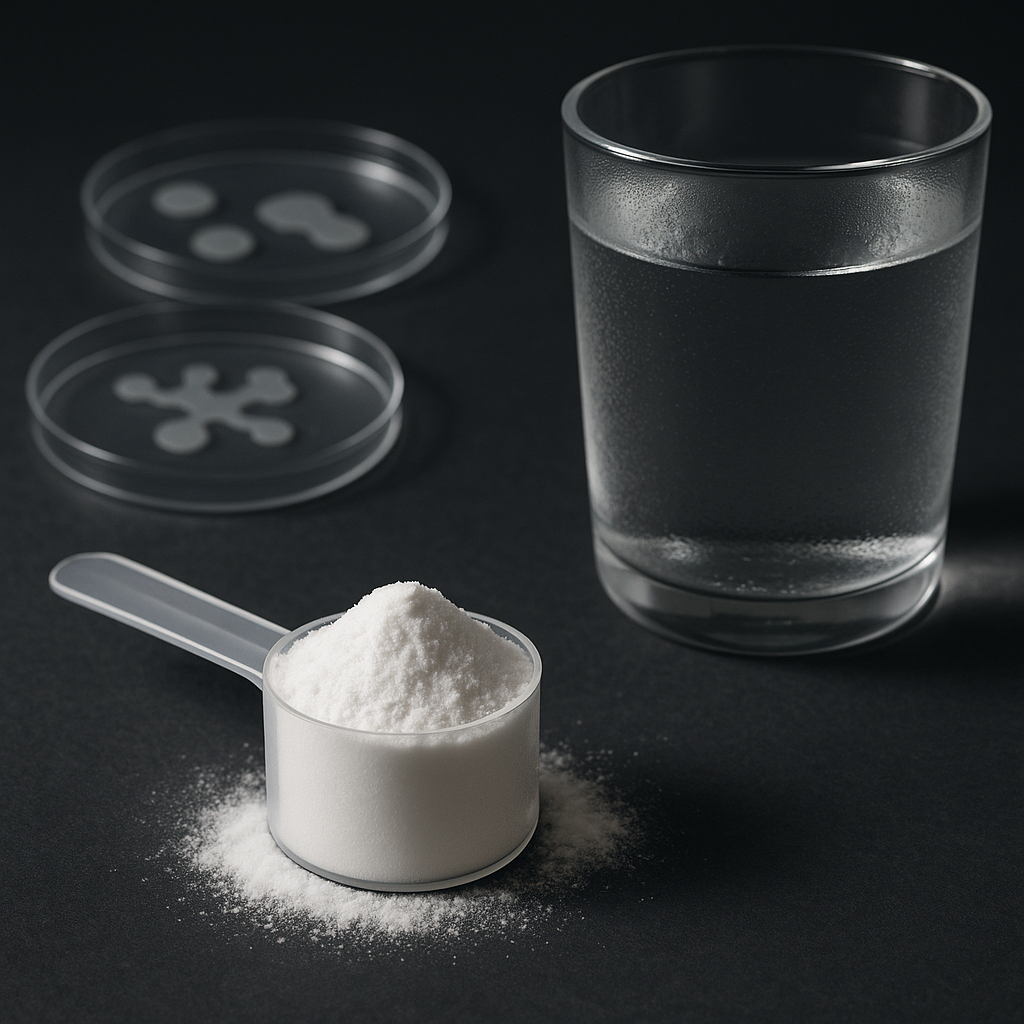
Creatine and the Gut: New Research on Microbiome Effects
Can your gut microbes change how creatine feels—or works? We review emerging microbiome research, what it might mean for absorption and GI comfort, and how Canadians can supplement wisely today.
Key Takeaways
- Stick to 3–5 g/day of creatine monohydrate; it’s the gold standard with the best safety and efficacy data.
- Human data on microbiome changes with creatine is limited; no consistent, clinically meaningful shifts are established yet.
- GI upset is most likely with large, fast, or loading doses—smaller servings with meals usually improve comfort.
- Monohydrate (ideally micronized) dissolves well and tends to be better tolerated than exotic forms.
- Consistent daily timing matters more than exact timing; pairing with a meal can aid tolerability.
- In Canada, look for an NPN and third‑party testing to ensure purity and dose accuracy.
- Track your own response for 2–4 weeks; adjust dose, timing, or fluid intake if your gut feels off.
Why the gut microbiome matters for creatine
Your gut microbiome—the trillions of bacteria, archaea, and fungi living in your digestive tract—interacts with almost everything you eat and drink. While creatine monohydrate is primarily absorbed in the small intestine and acts in muscle and brain tissue, researchers are now asking: could gut microbes influence how creatine feels (tolerability) or even how much you absorb?
It’s an important question for Canadian athletes and lifters who rely on creatine’s well-supported benefits for strength, power, lean mass, and recovery. The core science on dosing is steady: a maintenance intake of 3–5 g/day is widely backed, and loading remains optional. Monohydrate is the gold standard form with the most evidence behind it.
What’s new is the lens: rather than only asking “does creatine work?” (answer: yes, for most), scientists are exploring whether microbes respond to creatine in the gut, and whether those responses might nudge absorption or GI comfort in some people. Early findings are intriguing but not definitive. For now, the practical playbook still focuses on dose, form, timing, hydration, and consistency—areas where you have control today. We’ll cover what’s known, what’s not, and how to make creatine as gut-friendly and effective as possible.
What the research says now
Short version: we have limited human data directly linking creatine supplementation to substantial, consistent shifts in the gut microbiome. A few preliminary models suggest that some microbes can interact with creatine or its breakdown products, and that diet patterns broadly shape microbial communities. But so far, no high-quality trials show that creatine reliably remodels your microbiota in a way that changes performance or health outcomes.
On safety and efficacy, the picture is clearer. Consensus statements from leading sports nutrition bodies support creatine monohydrate for performance at 3–5 g/day, with an optional short loading phase for faster saturation. Gastrointestinal (GI) symptoms (like bloating or loose stool) can occur—most often with large single doses, rapid loading, inadequate fluid, or gritty suspensions that aren’t well dissolved.
What might the microbiome add to this? Conceptually, microbes could modestly influence how creatine is handled in the gut lumen, but current evidence does not indicate a major, predictable microbiome-mediated effect on absorption in healthy adults. Until better trials arrive, prioritize proven tactics: steady daily dosing, a well-dissolved monohydrate, and pairing with meals to support comfort. If you like to fine-tune, keep a brief supplement-and-symptom log over 2–4 weeks to see how your own gut responds.
Absorption and tolerability in practice
From scoop to muscle, creatine follows a simple path: dissolve, pass through the small intestine, circulate, then enter tissues via creatine transporters. While details of intestinal transport continue to be studied, everyday choices make the biggest difference to comfort and routine adherence.
- Use monohydrate: It’s the most studied form and consistently effective. Micronized powders tend to disperse better in water, which may feel gentler.
- Take 3–5 g/day: This maintenance dose saturates muscles over several weeks without aggressive loading. Use our Creatine Calculator if you want a personalized ramp-up.
- Consider meals: Mixing creatine into or alongside a meal can improve GI comfort for many people, and warm liquids help with dissolution.
- Hydration matters: Aim for regular fluid intake across the day. Concentrated slurries on an empty stomach are a common trigger for discomfort.
- If you load, split it up: Prefer smaller, evenly spaced servings (e.g., 4 × 5 g/day for 5–7 days) over big single doses. Or skip loading altogether—see our guide.
Most Canadians can expect excellent tolerability with these basics. If you’re prone to GI sensitivity, start low (e.g., 2 g/day for a week), then work toward 3–5 g/day as tolerated. Consistency beats urgency.
Diet, microbes, and what to pair with creatine
Your everyday diet shapes your microbiome far more than any single supplement. Fibre-rich plants, adequate protein, and overall dietary pattern set the stage for GI comfort. With creatine specifically, there’s no proven probiotic or prebiotic that reliably boosts absorption. Still, some common-sense pairings can help:
- With a meal or snack: A mixed meal (carbs + protein + fluid) often improves tolerability for sensitive stomachs.
- Choose your vehicle: Stir into warm water, tea, or a smoothie; let it dissolve fully. Gritty shots are more likely to irritate.
- Mind total osmolality: Stacking multiple concentrated powders (electrolytes, pre-workout, creatine) in one small glass can bother some guts. Spread them out if needed.
- Plant-forward baseline: Diversify fibre sources (vegetables, legumes, oats, barley) for microbiome support overall—independent of creatine.
Vegetarians and vegans often start with lower intramuscular creatine, so they may notice benefits more quickly once they supplement. That’s about muscle stores, not necessarily microbes. If you’re experimenting with timing around training, see When to Take Creatine; consistency still trumps timing for most.
Canadian shopping guide for a gut-friendly creatine
Quality matters—especially if you’re troubleshooting GI comfort. In Canada, creatine is regulated as a Natural Health Product (NHP). Here’s how to choose well:
- Look for NPN: A Natural Product Number on the label signals the product is licensed for sale in Canada. This supports identity, safety, and quality standards.
- Monohydrate first: It’s the evidence-based baseline. Micronized monohydrate may mix better and feel smoother.
- Short ingredient lists: Pure creatine with minimal flavours, acids, or sweeteners reduces variables that can upset your gut.
- Third‑party testing: Certifications (e.g., Informed Choice/Informed Sport) add confidence in purity and label claims.
- Purse-friendly, not flashy: Exotic forms rarely beat monohydrate on outcomes. Save your budget for consistent use.
We keep an updated look at Canadian options in Best Creatine in Canada and a deeper dive into labels and mixing in our Creatine Supplements Review. If you’re new to creatine or switching brands due to GI issues, change one thing at a time so you can identify what helps.
Future directions—and how to self-monitor
Where is the research headed? Expect better-designed human trials that track both microbiome composition and functional outcomes (strength, body composition, cognition)—and that separate the effect of creatine from diet. We also need work in groups often under‑studied in sports nutrition (e.g., women across the menstrual cycle, older adults with polypharmacy, and people with GI conditions in remission).
Until then, use simple, low-friction self‑monitoring:
- 2–4 week diary: Note dose, timing, what you mixed creatine with, fluids, training, and any GI symptoms (timing, severity).
- Adjust one variable at a time: Serving size, with/without a meal, warmer liquids, or splitting doses.
- Stay in the evidence lane: Default to 3–5 g/day monohydrate. Loading is optional; if you try it, split doses.
Want more structure? Browse our practical Guides or use the Creatine Calculator to plan a schedule. The bottom line: today’s best practices already deliver most of creatine’s benefits for Canadian athletes—microbiome science may refine the margins tomorrow.
Creatine and Your Gut—Quick Facts
- 3–5 g/day Evidence-based daily maintenance dose for most adults
- Monohydrate Gold-standard form with strongest safety and efficacy data
- With a meal Common tactic to improve GI comfort and routine adherence
- NPN on label Check for a Natural Product Number when buying in Canada
Frequently Asked Questions
Can creatine change my gut microbiome?
Current human evidence is limited and does not show consistent, clinically meaningful microbiome shifts from creatine alone. Your overall diet pattern exerts a much larger influence on gut bacteria than a single supplement. Future trials may clarify subtle effects, but today’s guidance still centres on dose, form, and consistency.
Why do some people get bloating or loose stools with creatine?
GI symptoms usually stem from large single doses, rapid loading, poor dissolution, or taking creatine on an empty stomach. Split doses, mix thoroughly (warm liquids help), take with a meal, and aim for 3–5 g/day. If loading, divide servings across the day or skip loading and saturate gradually.
Should I combine creatine with probiotics for better absorption?
There’s no proven probiotic that enhances creatine absorption. If you enjoy fermented foods or a probiotic for other reasons, that’s fine—but don’t expect it to change creatine’s effects. A balanced, fibre-rich diet and consistent daily dosing matter more for comfort and results.
Is micronized creatine easier on the stomach?
Many people find micronized creatine monohydrate mixes more smoothly and feels gentler, likely because it disperses better in liquid. It doesn’t change the molecule itself, but better dissolution can improve tolerability compared with gritty suspensions.
Does timing matter—pre or post-workout—for my gut?
Timing is flexible. Choose the time you can stick with daily, ideally alongside a meal or snack if you’re sensitive. Creatine’s benefits come from saturation over weeks, so consistency outweighs precise timing. See our guide on <a href='/when-to-take-creatine'>when to take creatine</a>.
I’m vegetarian—will my response be different?
Vegetarians and vegans often have lower baseline muscle creatine and may notice benefits sooner once supplementing. That relates to muscle stores, not necessarily the microbiome. The same gut-friendly practices apply: monohydrate, 3–5 g/day, dissolve well, and take with meals if you prefer.