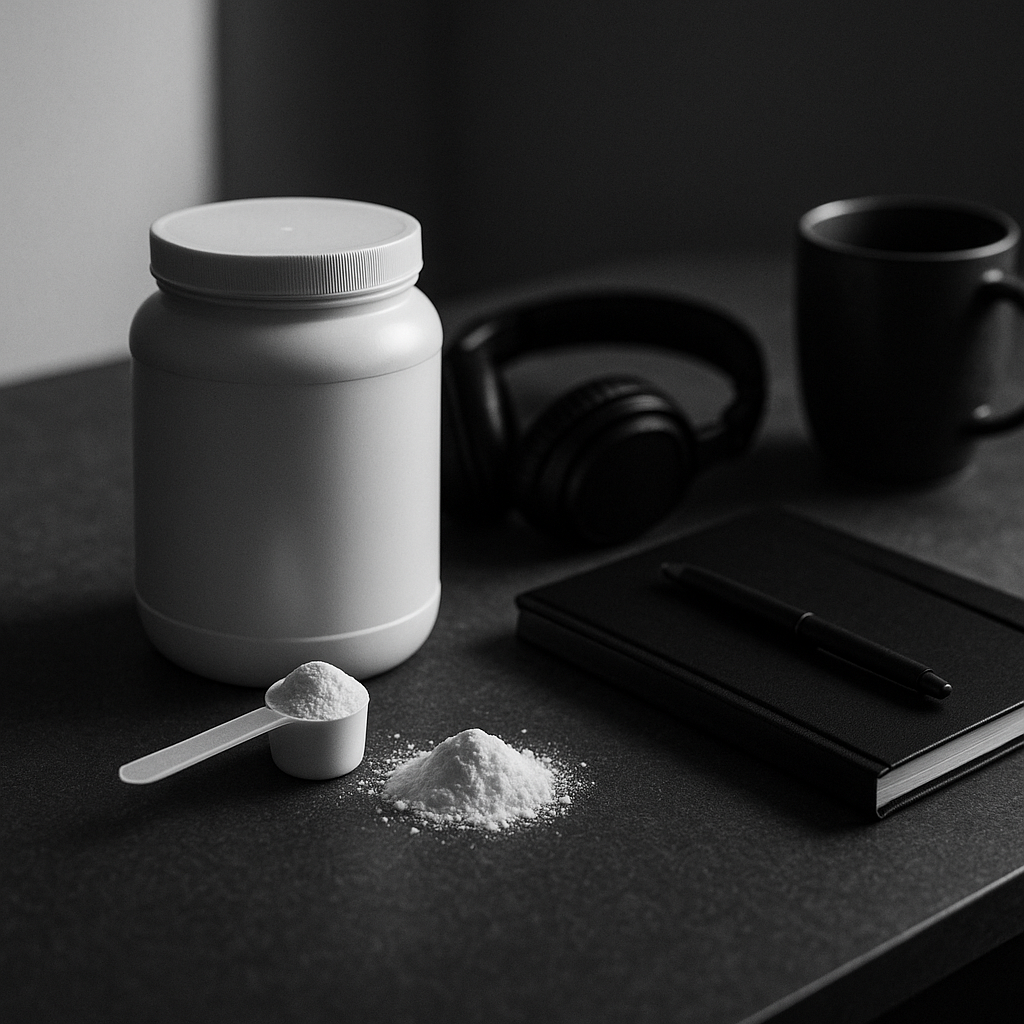
Creatine for Mental Focus: The Cognitive Performance Case
Creatine isn’t just for lifting. By boosting the brain’s phosphocreatine (PCr) energy buffer, it may help you sustain attention—especially under fatigue or low sleep. Here’s the evidence, the right dose, and smart stacks that fit a Canadian routine.
Key Takeaways
- Creatine supports brain ATP via the phosphocreatine system, aiding focus under high mental demand.
- Most evidence shows modest cognitive benefits, strongest in vegetarians/vegans or during fatigue/sleep loss.
- Use creatine monohydrate: 3–5 g per day; an optional 20 g/day loading for 5–7 days can speed saturation.
- Timing is flexible—consistency matters more; pair with meals or a shake you already take.
- Expect weeks (not days) for brain benefits; stick with it and stay well hydrated.
- Creatine is not a stimulant; stack with caffeine + L-theanine for situational alertness.
- Choose Canadian products with clear labels and consider NPN-licensed options for quality assurance.
How creatine powers the brain
Creatine’s reputation was built in the gym, but its most interesting work might be upstairs. The brain runs hot—using a surprising share of the body’s energy—even when you’re just thinking. Inside neurons and astrocytes, the phosphocreatine (PCr) system acts as a rechargeable battery: PCr donates a phosphate to ADP to rapidly regenerate ATP, the cell’s main energy currency. When you’re tackling complex tasks, switching attention, or pushing through mental fatigue, that fast ATP buffering can matter.
Unlike muscle, the brain stores a smaller pool of creatine, but it’s strategically placed to support synaptic signalling and ion pumps that keep neurons firing. When energy demand spikes—late in a study session, at the end of a long workday, or after short sleep—topping up creatine can help maintain the brain’s energy resilience.
Big picture: creatine is not a stimulant. You won’t feel a “buzz.” Instead, think of it as infrastructure for cognitive performance—especially useful when the system is stressed. If you’re new to creatine, our guides walk through the basics, and the creatine calculator can help you pick a routine that fits your schedule and body weight.
What the research says on focus and cognition
Human studies suggest creatine can modestly improve certain cognitive tasks—particularly working memory, reasoning, and reaction time—with effects most consistent in people with lower baseline creatine (e.g., vegetarians/vegans) or under cognitive stress. A landmark double-blind crossover trial in vegetarians found improved working memory and intelligence measures after creatine monohydrate, aligning with the idea that the brain benefits when baseline stores are low.
Follow-up trials in mixed diets have been mixed: some show benefits on tasks like serial subtraction or rapid information processing, others find little change. A key pattern emerges: the tougher the task or the more fatigued the participant, the more likely creatine helps. This fits the PCr-buffering mechanism—added energy support shows up when demand is high.
For buyers in Canada weighing the evidence: the International Society of Sports Nutrition (ISSN) recognizes creatine monohydrate as the gold standard for performance with a strong safety profile. Cognition-specific outcomes are promising but not guaranteed, and effect sizes are typically small to moderate. If you eat little or no meat/fish, or you often perform under fatigue, the probability of noticing a difference is higher.
To compare quality options, see our independent picks in Best Creatine in Canada and deeper testing notes in Creatine Supplements Review.
Focus under fatigue and sleep deprivation
Sleep loss strains the brain’s energy budget. When you’re short on sleep, attentional lapses and slower reaction times become common—not because you forgot how to think, but because the neural machinery is taxed. Creatine’s role here is pragmatic: by reinforcing the PCr–ATP buffer, it can help sustain performance on mentally demanding tasks when you’re tired. Trials in high-demand or low-sleep scenarios tend to show more reliable benefits than in fully rested, low-stress conditions.
That said, creatine is not a substitute for quality sleep, light exposure, movement breaks, and nutrition. In practice, combine creatine with a fatigue-management plan:
- Prioritize sleep when you can; creatine can’t replace recovery.
- Hydrate and fuel with a balanced meal or snack; glucose + fluids support attention.
- Use caffeine strategically for alertness (earlier in the day), and consider pairing with L-theanine for smoother focus.
- Take breaks: short walks, daylight exposure, and eye off-screen time help reset attention.
For timing tips around training, classes, or shift work, see When to Take Creatine. If you expect an especially taxing week, an optional loading approach in Creatine Loading Phase can front-load your stores.
Dosing, forms, and Canadian buying tips
The simplest plan for focus and general performance is 3–5 g/day of creatine monohydrate. Monohydrate is the most studied, cost-effective form with excellent safety data. You can take it any time of day; consistency matters more than timing. Many Canadians mix it with water, a smoothie, or post-workout protein. If you want faster saturation, consider a short loading phase: 20 g/day split into 4 doses for 5–7 days, then continue at 3–5 g/day.
How long until benefits? Muscles saturate within weeks; the brain may take a similar or slightly longer timeline. Give it 3–6 weeks of daily use before judging cognitive effects. Omnivores may notice smaller changes than plant-based eaters.
Safety: Creatine is well supported by the ISSN and is not prohibited by anti-doping bodies. Typical side effects are mild (e.g., transient water weight). Stay hydrated, and speak with a clinician if you have kidney disease or are on medications. For product selection in Canada, look for transparent labels, third-party testing, and consider NPN-licensed options. We maintain trusted picks at Best Creatine and brand-specific notes in Reviews.
Not sure how much to take based on your size? Use our Creatine Calculator to personalize your plan.
What’s real vs hype in the nootropic community
Real: Creatine supports the brain’s energy system and can help preserve attention and working memory when tasks are hard or you’re fatigued. Benefits are most consistent in people with lower baseline creatine (e.g., vegetarians/vegans) and under stress. It’s affordable, legal in sport, and remarkably well studied for safety.
Hype: Creatine is not a stimulant or a cure-all. It won’t instantly make you creative, erase procrastination, or replace sleep. Cognitive effects tend to be modest and task-specific, and some healthy omnivores may notice little day-to-day difference. Exotic forms (salts, esters, liquids) haven’t outperformed plain monohydrate in credible head-to-head comparisons.
Practical expectations:
- Think “sturdier focus,” not a jittery buzz.
- Expect weeks of steady use before judging effects.
- Pair with fundamentals (sleep, hydration, light, movement) for best results.
If you’re building a thoughtful routine, our step-by-step Guides and timing advice in When to Take Creatine can help you keep it both evidence-based and simple.
Smart stacks for sustained focus
Creatine shines as a base layer for brain energy. For sharper situational focus—exams, presentations, long shifts—consider stacking with a few well-supported basics:
- Caffeine (100–200 mg): Improves alertness and reaction time; avoid late-day use to protect sleep. Many Canadians do well with a morning coffee plus creatine at any time. If you’re sensitive to jitters, try pairing caffeine with L-theanine (100–200 mg).
- Hydration + electrolytes: Even mild dehydration can dull attention. A glass of water with a pinch of sodium (or a low-sugar electrolyte) alongside creatine is a simple win.
- Carbohydrates: For long mental efforts, a balanced meal or a fruit + yogurt snack helps sustain glucose for the brain.
- Protein shake: Creatine dissolves well in a whey or plant protein shake—easy adherence and no added steps.
Good news: there’s no strong evidence that caffeine blunts creatine’s cognitive effects. Keep total daily caffeine within Health Canada’s general guidance for adults, and focus on consistency with creatine (3–5 g/day). For product ideas and how to schedule your stack, see Best Creatine and practical tips in When to Take Creatine.
Creatine and Focus—Quick Facts
- 3–5 g/day Evidence-based daily creatine monohydrate dose
- 20 g/day × 5–7 days Optional loading to saturate faster
- ~95% in muscle Most body creatine is in muscle; the brain holds a smaller but important pool
- Anytime dosing Timing is flexible—consistency matters most
Frequently Asked Questions
Will creatine help me focus if I’m sleep-deprived?
It can help sustain attention on demanding tasks by supporting brain energy, and studies tend to see clearer benefits under fatigue. But it’s not a replacement for sleep. Use creatine consistently, then manage sleep, light exposure, movement, hydration, and caffeine timing for the biggest gains.
How long does creatine take to work for cognition?
Allow 3–6 weeks of daily use. Muscles saturate within weeks; the brain may follow a similar or slightly slower timeline. A short loading phase can speed things up, but even without loading, steady 3–5 g/day works over time.
Is creatine monohydrate the best form for focus?
Yes. Creatine monohydrate is the gold standard with the strongest evidence for both performance and safety. Other forms haven’t shown superior benefits in credible trials. Choose a simple, unflavoured powder with clear labeling from a reputable Canadian brand.
Does caffeine interfere with creatine?
For cognition, there’s no strong evidence of a negative interaction. Many people use creatine daily and caffeine situationally. If you’re caffeine-sensitive, pair it with L-theanine and keep total intake within Health Canada’s general guidance for adults.
Are there side effects or safety concerns?
Creatine is well studied and generally safe for healthy adults at 3–5 g/day. Some notice mild water weight gain or stomach upset if taking large doses at once—split doses or take with food. If you have kidney disease or use related medications, consult a healthcare professional first.