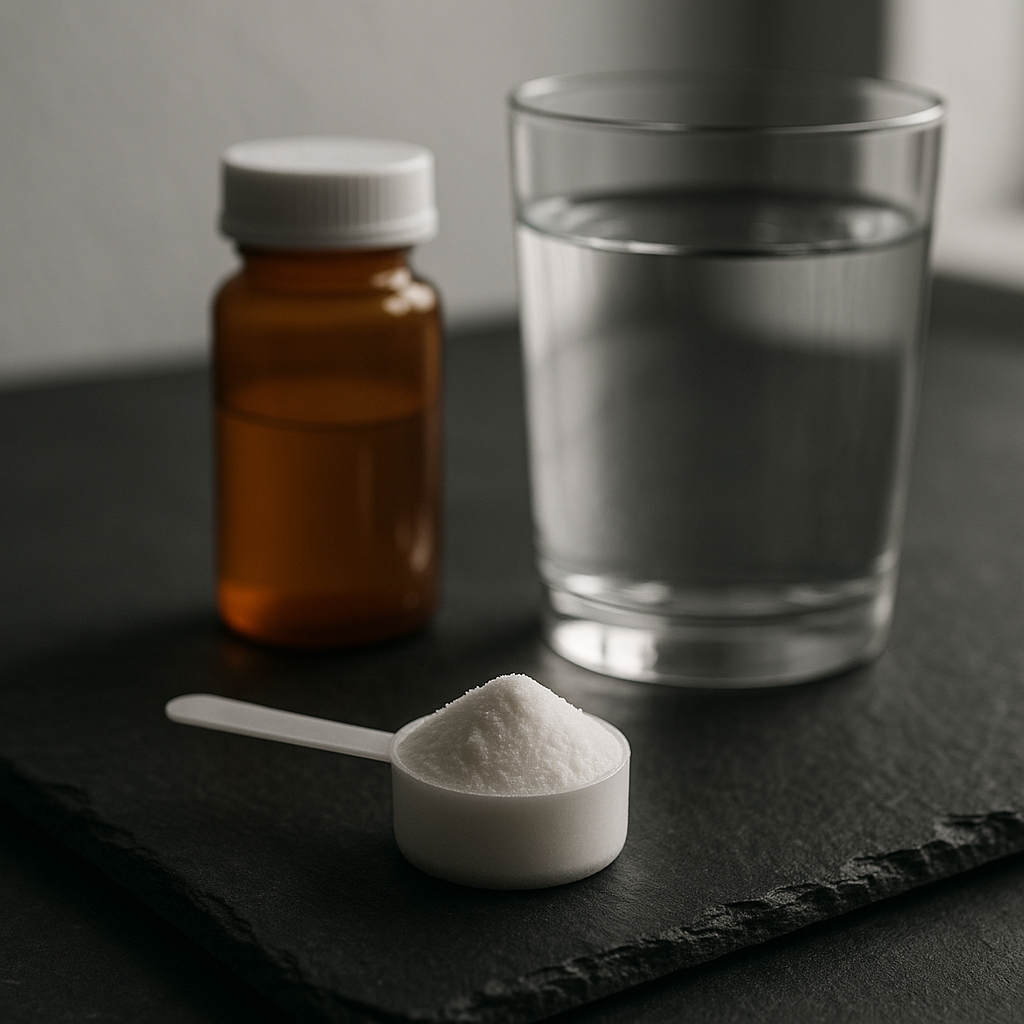
Creatine and Diuretics: Water Retention and Medication Interactions
Creatine pulls water into muscle; diuretics pull water out. If you use both, the details matter. This guide explains practical risks, safe dosing, and what to ask your doctor and pharmacist in Canada.
Key Takeaways
- Creatine monohydrate (3–5 g/day) is the gold standard; avoid loading if you take diuretics unless your prescriber agrees.
- Diuretics change electrolyte balance; plan potassium and sodium carefully with your clinician.
- Time creatine and diuretic doses several hours apart and take creatine with a meal and water (unless fluid-restricted).
- Monitor morning weight, urine colour, cramps, dizziness, and blood pressure—flag sudden changes to your care team.
- Ask for baseline and follow-up labs (eGFR/creatinine, sodium, potassium) 4–8 weeks after starting creatine.
- Choose single-ingredient creatine monohydrate with Canadian NPN and third‑party testing; avoid blends with stimulants or herbal diuretics.
- Hot training or long sweats increase risk—have an electrolyte plan and consider pausing creatine during illness or heat waves.
How creatine and diuretics shift water in different ways
Creatine and diuretics both influence body water, but through very different levers. Creatine monohydrate increases intramuscular phosphocreatine, drawing a modest amount of water into muscle cells. That intracellular hydration can support training volume and recovery. The International Society of Sports Nutrition (ISSN) supports a maintenance intake of 3–5 g/day for most adults, with flexible timing across the day.
Diuretics (e.g., thiazides like hydrochlorothiazide, loop diuretics like furosemide, potassium‑sparing agents like spironolactone) increase urine output by acting on the kidney. This helps manage blood pressure or fluid overload but can alter electrolytes and reduce plasma volume—especially in heat or with hard training.
When combined, the net effect on your body water is not simply additive: creatine tends to shift water into muscle cells, while diuretics pull water out of circulation. For many healthy people, creatine’s cellular water shift is well‑tolerated. But with a diuretic on board, you have less margin for dehydration, cramps, or lightheadedness—particularly if you also sweat heavily.
If you take a diuretic, consider skipping the loading phase (typically 20 g/day for 5–7 days) and move straight to maintenance. See our overview of the creatine loading phase for context, and browse our step‑by‑step guides for dialled‑in use.
Who might use both—and why
In Canada, several real‑world scenarios bring creatine and diuretics together:
- Active adults with hypertension: A thiazide diuretic is a common first‑line treatment. Some of these individuals also lift, run, or play rec sports and want creatine for performance or healthy aging.
- Endurance athletes or team‑sport players using over‑the‑counter electrolyte strategies who also take prescription diuretics. Heat and travel can complicate hydration plans.
- Spironolactone users (e.g., for acne, heart conditions, or PCOS symptoms) who train regularly and are interested in strength gains from creatine.
- Combat sports or weight‑class athletes tempted by herbal or OTC diuretics for rapid weight changes. This approach is risky and not recommended; speak with your medical team.
Important: people on diuretics for heart failure, kidney disease, or significant edema are often on fluid and electrolyte prescriptions. In these situations, do not add creatine without your cardiologist or nephrologist’s approval. Even healthy athletes on diuretics benefit from a pharmacist review to align timing, fluids, and lab monitoring. If you’re just getting started, our creatine dosage calculator can estimate a conservative plan to discuss with your clinician.
Risks and red flags to watch for
Creatine is widely regarded as safe for healthy adults when used as directed. The ISSN notes no adverse effects on kidney or liver function in healthy users. Still, pairing creatine with a diuretic changes your hydration and electrolyte landscape. Be alert for:
- Volume depletion and heat illness: Diuretics reduce plasma volume; hard sessions, saunas, or heat waves can compound risk. Dizziness, rapid heart rate, or faintness need prompt attention.
- Electrolyte shifts: Thiazide and loop diuretics may lower potassium and sodium; spironolactone helps retain potassium. Symptoms can include cramps, weakness, tingling, or palpitations. Avoid self‑treating with high‑potassium products unless advised.
- Cramping and GI upset: Faster with aggressive loading or poor hydration. Taking creatine with meals and adequate fluids can help.
- Lab interpretation: Creatine can slightly raise serum creatinine via increased creatine–creatinine turnover, which may not indicate kidney damage. Share your supplement list before bloodwork so clinicians interpret results appropriately.
During illness with vomiting/diarrhea, prolonged travel, or extreme heat, consider pausing creatine and simplifying your regimen until you’re stable. If you notice swollen ankles, chest pain, severe headaches, or a sudden >1 kg overnight weight change while on a diuretic, contact your prescriber immediately.
How to use creatine if you’re on a diuretic
If your prescriber gives the green light, here’s a conservative, evidence‑aligned approach:
- Form: Choose creatine monohydrate—the gold standard for safety and efficacy. Avoid blends with stimulants or herbal diuretics (e.g., dandelion). See our vetted picks in Best Creatine in Canada and deep dives in Creatine Supplements Review.
- Dose: Start at 3 g/day for 1–2 weeks, then consider 3–5 g/day if well‑tolerated. Skip loading unless your clinician specifically advises it. More isn’t better.
- Timing: Separate your creatine and diuretic by 2–3 hours. Take creatine with a meal and a glass of water, unless you’re on fluid restriction—follow your prescriber’s guidance. Our timing tips: When to Take Creatine.
- Hydration and electrolytes: Work with your pharmacist to tailor fluids and electrolytes to your diuretic type, sweat rate, and sport. Endurance athletes may need sodium during long sessions; spironolactone users must be cautious with potassium‑heavy drinks.
- Monitor: Track morning weight, urine colour (pale straw is typical), training quality, cramps, and any dizziness. Log blood pressure if you monitor at home.
- Labs: Ask for baseline and 4–8 week follow‑up: eGFR/serum creatinine, sodium, potassium (± magnesium). Share that you use creatine so small creatinine shifts are interpreted in context.
For more context on whether to load, see our plain‑language explainer: Creatine Loading Phase. If conditions change—new medications, heat events, or GI illness—revisit your plan with your clinician.
Talking to your doctor or pharmacist
Medication interactions aren’t just about yes/no—they’re about dose, timing, fluids, and monitoring. Use this checklist at your next visit:
- Bring a full list of prescriptions, over‑the‑counter products, and supplements (including electrolyte powders and sports drinks).
- Discuss your training: weekly volume, heat exposure, and travel plans. These influence diuretic dosing and electrolyte targets.
- Ask for monitoring: eGFR/creatinine, sodium, potassium at baseline and again 4–8 weeks after starting creatine.
- Confirm a fluid plan: If you’re on fluid restriction (e.g., heart failure), ask exactly how to fit creatine dosing water into your daily allowance.
- Clarify red flags: Which symptoms mean pause creatine, adjust diuretic, or seek urgent care.
Sample script: “I’d like to take creatine monohydrate 3–5 g/day for strength. I’m on [diuretic name]. Can we review timing, fluids, electrolytes, and labs so I can use it safely?” Canadian pharmacists are accessible resources—many offer medication reviews and can help you operationalize the plan day to day.
Smart supplement choices in Canada
Quality and simplicity help keep interactions low‑risk. Look for:
- Single‑ingredient creatine monohydrate with a Canadian Natural Product Number (NPN), clear lot codes, and transparent labels. Avoid products spiked with stimulants or herbal diuretics.
- Third‑party testing (e.g., NSF Certified for Sport, Informed Choice). This is especially important for tested Canadian athletes.
- Powder over capsules if cost per 5 g serving matters. Mix into water, milk, or a smoothie—whatever fits your fluid plan.
- Electrolyte awareness: On thiazides/loops, you may need sodium during long workouts; on spironolactone, be cautious with high‑potassium drinks and salt substitutes. Confirm with your care team.
- Seasonal planning: Canadian summers and indoor winter training both drive sweat losses. Adjust fluids and, if needed, consider pausing creatine during extreme conditions.
Ready to pick a product? Start with our curated list in Best Creatine and compare labels and batch testing in Creatine Supplements Review. For broader how‑to support, browse our practical guides.
Creatine + Diuretics: Quick Rules
- 3–5 g/day ISSN-supported creatine maintenance dose
- Monohydrate Gold-standard form for safety and efficacy
- Skip loading Avoid 20 g/day loading when on diuretics (unless prescribed)
- 2–3 hours apart Separate creatine from your diuretic dose
- Check Na+/K+ Baseline and 4–8 week electrolyte labs
Frequently Asked Questions
Does creatine dehydrate you if you’re taking a diuretic?
Creatine itself does not appear to dehydrate healthy users; it draws a small amount of water into muscle cells. However, diuretics reduce circulating volume and can increase dehydration risk during heat or hard training. If you combine them, follow a tailored fluid and electrolyte plan with your clinician and consider skipping the loading phase.
Is creatine safe with hydrochlorothiazide or furosemide?
Many active adults on thiazide or loop diuretics use creatine safely with medical guidance. The key is conservative dosing (3–5 g/day), avoiding loading, separating doses by a few hours, and monitoring electrolytes and kidney function. Seek urgent care for red flags like severe dizziness, palpitations, or rapid weight changes.
Can I take creatine with spironolactone?
Possibly, but spironolactone retains potassium. Be cautious with high‑potassium electrolyte drinks or salt substitutes, and ask your clinician to check potassium at baseline and after 4–8 weeks. Keep creatine simple (monohydrate only) and avoid additional herbal diuretics.
Should I do a creatine loading phase if I’m on a diuretic?
Generally no. Loading (about 20 g/day for 5–7 days) raises the chance of GI upset and cramps without offering unique long‑term benefits compared with daily 3–5 g. On diuretics, a slow‑and‑steady approach is safer. Our guide to the loading phase explains the trade‑offs.
When is the best time to take creatine if my diuretic is in the morning?
Take creatine later—at lunch or dinner—so it’s a few hours away from your diuretic. Pair it with a meal and water unless you’re fluid‑restricted. Consistency matters more than exact timing for creatine’s benefits.
Does creatine raise blood pressure?
Current evidence does not show creatine raising blood pressure in healthy adults at recommended doses. If you take a diuretic for hypertension, monitor your BP at home as advised and share readings with your clinician after starting creatine.