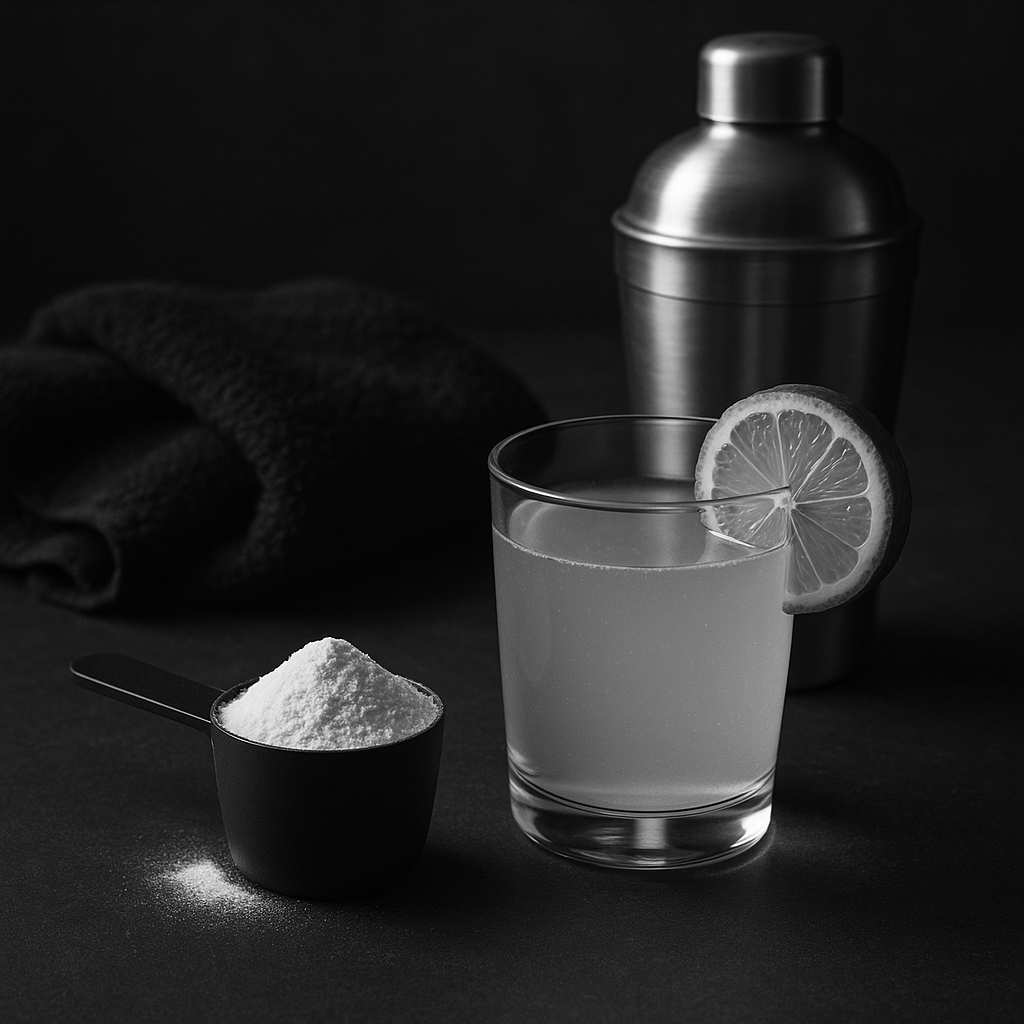
Creatine and Collagen: The Joint and Connective Tissue Stack
Over 35 and training hard? Pair creatine for muscle power with collagen for tendons and joints. Here’s how to dose, time, and shop smart in Canada—plus a practical weekly plan.
Key Takeaways
- Use creatine monohydrate 3–5 g/day; loading is optional but faster (/creatine-loading-phase).
- Take 10–15 g hydrolyzed collagen with 50–200 mg vitamin C 30–60 minutes before tendon-loading work.
- Creatine timing is flexible—consistency beats clocking; see /when-to-take-creatine.
- Choose creatine monohydrate; it’s the gold standard with strong ISSN support.
- Collagen is not a complete protein; keep daily protein ~1.6–2.2 g/kg body weight.
- In Canada, look for an NPN on labels and prefer third‑party tested products.
- Mix creatine in cool liquids; mix collagen in hot or cold—avoid long hot soaks for creatine.
Why stack creatine and collagen after 35
As we pass 35, two things often diverge: muscle power begins to slide, and tendons and joints can feel the miles. A smart, simple stack—creatine for muscle performance plus collagen for connective tissue support—can help keep training productive while you build resilience.
Creatine monohydrate increases phosphocreatine stores in muscle, supporting high‑intensity efforts, strength, lean mass, and repeated sprint capacity. It’s one of the most researched sports supplements, with excellent safety in healthy adults and strong support from the International Society of Sports Nutrition (ISSN). Meanwhile, hydrolyzed collagen peptides provide the amino acids (notably glycine, proline, and hydroxyproline) used to build collagen found in tendons, ligaments, and cartilage. When paired with a small dose of vitamin C and the right kind of loading exercise, collagen can support collagen synthesis and may reduce activity‑related joint discomfort in some people.
Think of this stack as complementary, not redundant: creatine primarily benefits the contractile tissue that moves you, while collagen targets the tissues that connect and stabilize you. It’s not a shortcut around good programming, sleep, or rehab—but for many Canadian athletes and active adults, it’s a practical, affordable add‑on with a favourable risk–benefit profile.
- New to creatine timing? See our quick guide: /when-to-take-creatine.
- For dosing math and daily planning, try our Creatine Calculator.
What the science says (and doesn’t)
Creatine: The evidence here is robust. The ISSN’s position stand concludes that creatine monohydrate is effective for improving high‑intensity exercise capacity and training adaptations, with a strong safety profile in healthy individuals using typical protocols (e.g., a 20 g/day loading phase for 5–7 days followed by 3–5 g/day maintenance, or simply 3–5 g/day with benefits accruing over several weeks).
Collagen: The evidence is promising but more mixed. In a randomized trial of active adults with activity‑related joint pain, collagen hydrolysate supplementation was associated with reduced joint discomfort compared with placebo. Mechanistically, a controlled study found that ingesting gelatin/collagen with vitamin C 30–60 minutes before exercise increased markers of collagen synthesis and, in a lab model, increased collagen content in engineered ligaments. These lines of evidence support timing collagen around tendon‑loading exercise, but results can vary with dose, product, and training program.
Bottom line: creatine is a sure bet for performance and lean mass; collagen is a reasonable bet for connective tissue support, especially when paired with targeted exercise and vitamin C. As always, manage expectations and give the protocol 8–12 weeks before judging results.
- Position stand summary: ISSN 2017
- Joint pain RCT: Clark et al., 2008
- Timing with vitamin C: Shaw et al., 2017
Exactly how much to take (and which forms)
Creatine monohydrate is the gold standard—cost‑effective, widely studied, and easy to dose. Two evidence‑based options:
- Maintenance only: 3–5 g once daily. Simple and effective; saturation takes ~3–4 weeks.
- Loading + maintenance: ~20 g/day split into 4 doses for 5–7 days, then 3–5 g/day. Faster saturation; see /creatine-loading-phase.
Micronized powders mix more easily. Alternatives (e.g., creatine HCl, citrate) are typically more expensive without clear efficacy advantages over monohydrate. We don’t recommend creatine ethyl ester due to inferior outcomes in research.
Collagen peptides (hydrolyzed collagen): 10–15 g per day is a common range in studies. For tendon and ligament goals, combine with 50–200 mg vitamin C and take it 30–60 minutes before your tendon‑loading or plyometric session. Bovine and marine sources both work; choose based on dietary preference and allergens (fish/shellfish sensitivity for marine).
Remember: collagen is not a complete protein. Don’t let it displace high‑quality protein that provides essential amino acids; most athletes do well around 1.6–2.2 g/kg/day. Need help selecting a product? See Best Creatine in Canada and our Supplement Reviews. For dosing math, try the calculator.
Timing the stack for maximum benefit
Creatine timing is flexible—benefits come from saturated muscle stores. Collagen timing is more specific. Here’s a practical template you can adapt to your schedule:
- Morning or any consistent time: Take 3–5 g creatine monohydrate with a meal or shake. Consistency > clocking. If you prefer post‑workout, that’s fine too. See when to take creatine.
- 30–60 minutes pre tendon‑loading session: Take 10–15 g collagen peptides + 50–200 mg vitamin C (e.g., water with collagen plus a citrus fruit). Then perform 5–10 minutes of tissue‑specific loading (e.g., calf raises for Achilles, isometrics/slow eccentrics for patellar tendons).
- Mixing tips: Collagen dissolves in hot or cold. Creatine is stable in cool liquids; avoid leaving creatine for hours in hot, acidic drinks. If combining both in one drink, use cool water and consume soon after mixing.
- Hydration and caffeine: Stay well‑hydrated. Moderate caffeine with creatine is generally fine; if you’re loading, consider separating large caffeine doses and creatine until you know how you respond.
On non‑training days, keep creatine at your usual time. Collagen is optional unless you’re following a rehab plan; if so, continue pairing it with gentle loading.
Canadian shopping tips: quality, safety, and value
Supplements in Canada are regulated as Natural Health Products. To shop confidently:
- Look for an NPN (Natural Product Number) on the label—this means the product is licensed for sale in Canada.
- Verify the product in Health Canada’s Licensed Natural Health Products Database.
- Prefer third‑party testing (e.g., NSF, Informed Choice/Informed Sport) if you compete in drug‑tested sport or want extra quality assurance.
- Choose creatine monohydrate powder for best value; capsules are convenient but cost more per gram. Micronized monohydrate mixes better.
- Pick hydrolyzed collagen peptides from bovine or marine sources based on dietary needs—check for fish/shellfish allergens on marine collagen. Halal/kosher options exist in Canada.
- Read the ingredient panel: single‑ingredient creatine monohydrate; collagen without unnecessary sweeteners or fillers if you prefer unflavoured.
Not sure where to start? See our curated picks in Best Creatine in Canada and long‑form testing notes in Creatine Supplements Review. For deeper backgrounders, explore our Guides.
A practical 35+ recovery plan you can start this week
Pair the stack with smart training and basics. Here’s a sample weekly rhythm to protect tendons and build strength:
- Strength (2–3 days): Full‑body compound lifts (e.g., squats, hinges, pushes, pulls). Take 3–5 g creatine daily. Post‑workout, aim for 25–40 g protein.
- Tendon focus (2–3 short sessions): 10–20 minutes of tissue‑specific loading (isometrics, slow eccentrics, light plyometrics as tolerated). 30–60 minutes prior: 10–15 g collagen + 50–200 mg vitamin C.
- Conditioning (1–3 days): Intervals or steady aerobic work to tolerance; scale volume to how your joints feel.
- Mobility and feet/ankles: Calf raises, tibialis work, and foot intrinsics 2–3x/week help the kinetic chain.
- Recovery: 7–9 hours sleep, hydration, and nutrition at ~1.6–2.2 g/kg/day protein. Collagen is supplemental—not your main protein.
Allow 8–12 weeks to evaluate changes in joint comfort, tissue tolerance, and performance. If you’re managing a tendinopathy or post‑injury plan, work with a physiotherapist or sport medicine professional. Supplements help most when the training and rehab pieces are dialled in.
Creatine + Collagen: Quick Numbers
- 3–5 g/day Creatine monohydrate maintenance dose
- 20 g/day × 5–7 d Optional creatine loading phase
- 10–15 g Collagen peptides per session
- 30–60 min pre‑workout When to take collagen + vitamin C
- 50–200 mg Vitamin C to pair with collagen
Frequently Asked Questions
Can I mix creatine and collagen in the same drink?
Yes. Use cool or room‑temperature water and drink soon after mixing. Collagen dissolves in hot or cold; creatine is more stable in cool liquids. If you prefer collagen hot (e.g., coffee), take creatine separately in a cool drink.
Do I need a creatine loading phase?
No. Loading (about 20 g/day for 5–7 days) saturates muscles faster, but taking 3–5 g once daily reaches the same saturation over ~3–4 weeks. Choose the approach that best fits your timeline and stomach tolerance.
Does collagen count toward my daily protein target?
Only partly. Collagen is low in essential amino acids and not ideal as a primary protein source. Keep your main protein from complete sources (e.g., dairy, eggs, meat, soy, mixed plant proteins) and use collagen specifically for connective tissue support.
Is the creatine + collagen stack safe for my kidneys or liver?
In healthy adults, creatine at recommended doses is well‑supported for safety, and collagen peptides are generally well‑tolerated. If you have pre‑existing kidney or liver disease, are pregnant/breastfeeding, or take medications, speak with your healthcare provider first and consider baseline labs.
Marine vs bovine collagen—does it matter for joints?
Both are hydrolyzed collagen peptides and can support similar goals. Choose based on dietary preference and allergies (avoid marine collagen if you have fish/shellfish allergy). Focus more on dose, timing with vitamin C, and pairing with the right exercises.
Will creatine cause water retention or dehydration?
Creatine increases water content inside muscle cells, which is normal and often beneficial for performance. Research does not support an increased risk of cramping or dehydration when you stay adequately hydrated.