Does Creatine Have a Taste? A Texture and Mixability Guide
Wondering what creatine actually tastes like, or why your scoop can feel gritty in water? Explore how creatine forms like monohydrate, HCL, and gummies differ in taste and texture—and get practical tips on mixers and masking for a smoother daily routine.
Key Takeaways
- Creatine monohydrate is nearly tasteless but can be slightly gritty if not mixed well.
- Creatine HCL dissolves better, often with less residue and a milder acidic taste.
- Gummies mask the taste fully but contain added sugars and are dosed differently.
- Mix creatine with warm water or juice for better dissolving and taste.
- Avoid 'gritty' texture by stirring thoroughly or using a shaker bottle.
- Canadian buyers can choose flavoured options, but unflavoured is most versatile and affordable.
- Read our full guide for optimal mixers and other taste-masking tips.
What Does Creatine Taste Like?
If you’ve ever wondered what creatine actually tastes like, you’re not alone. Most pure creatine monohydrate—the gold standard form widely recommended by health organizations—is almost tasteless. Many users describe it as slightly earthy, chalky, or mineral-like, but the taste is subtle even with water.
Certain factors can influence your sensory experience:
- Formulation: Pure powders (especially monohydrate) have minimal flavour compared to pre-mixed, flavoured versions.
- Dose: A typical 3–5 g daily serving is unlikely to overpower your drink’s flavour, but some may notice a faint residue or 'flatness' in water.
- Liquid: Mixing with juice or sports drinks can mostly mask any taste—a popular choice for Canadians looking for a more pleasant routine.
Ultimately, if taste is your biggest concern, consider trying different forms and mixers. For more on proper dosing and product selection, see our best creatine guide and product reviews.
Creatine Texture: What Does 'Gritty' Mean?
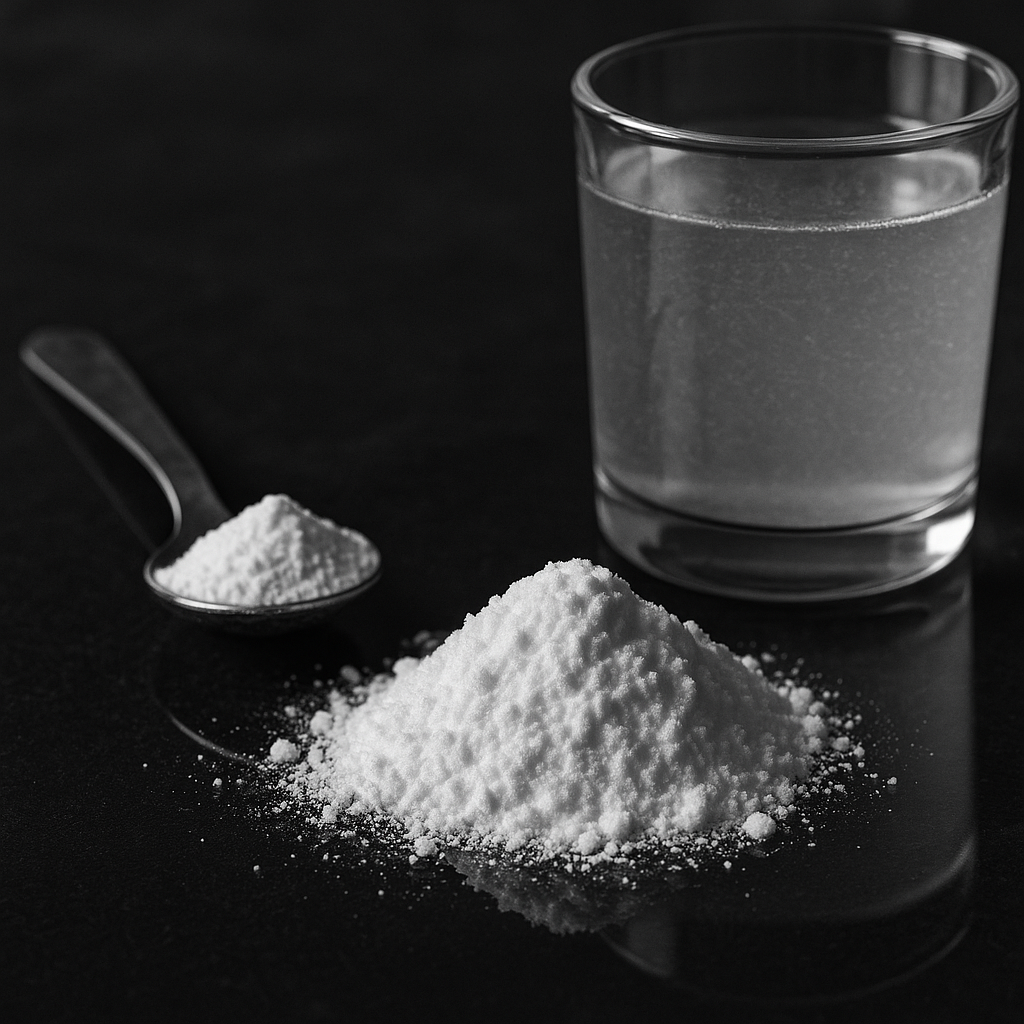
Even more than taste, creatine’s texture—specifically 'grittiness'—trips up new users. When unflavoured creatine monohydrate is added to cold liquids, it can remain partially suspended, leaving a fine, sandy sediment at the bottom. This texture is usually described as 'gritty.'
- Monohydrate: The most widely studied form, but also the most likely to leave behind undissolved particles.
- Micronized Monohydrate: Finer particles improve dissolving, but some residue is almost always present in water.
- Hydrochloride (HCL): Typically dissolves better and may feel smoother in the mouth.
To minimize grit, use slightly warm water, a shaker bottle, and finish your drink promptly to prevent settling. Full guidance on technique is outlined in our timing and mixing tips.
Taste Profiles by Creatine Type
The form of creatine you choose can make a considerable difference to both taste and mouthfeel. Here’s how the main options stack up:
- Creatine Monohydrate Powder (Unflavoured): Nearly neutral taste, slightly chalky or mineral-like, some grit possible—especially in cold water.
- Micronized Creatine Monohydrate: Smoother, fine-textured powder, mixes more easily but not entirely without residue.
- Creatine Hydrochloride (HCL): More water-soluble, may taste tangy or slightly acidic, usually smoother.
- Creatine Gummies and Chewables: Sweet, candy-like taste with no noticeable grit; however, these contain flavourings, sweeteners, and have a different absorption window compared to powder.
For Canadian buyers, most Health Canada-authorized products are unflavoured powders; flavoured versions and gummies are increasingly available, especially online or from specialty stores. Visit our comprehensive Canadian creatine reviews for brand-by-brand comparisons.
Masking Creatine Taste: Effective Strategies
Even though creatine’s flavour is subtle, some people prefer to mask it—especially if taking creatine daily. Here are evidence-based strategies used by athletes and Canadian supplement users alike:
- Juice Mixers: Orange or cranberry juice easily disguise any hint of flavour while providing extra carbohydrates to help with post-workout recovery.
- Sports Drinks: Flavoured electrolyte beverages are a good match, masking any aftertaste and dissolving powder more fully.
- Mix with Protein Shakes: Throwing creatine in with a scoop of protein powder and milk (or non-dairy alternative) blends taste and texture almost seamlessly.
- Blending or Shaking: Using a blender bottle with a mixing ball or blending powder into a smoothie reduces grit and evenly distributes creatine through the drink.
For more guidelines, refer to our complete mixing and supplement guide. Remember, never heat creatine above lukewarm to prevent potential breakdown.
Best Liquids and Mixers for Creatine in Canada
Choosing the right liquid to mix creatine can make all the difference in your experience—both taste and performance-wise. While plain tap or filtered water works for purity and simplicity, here are other popular, practical choices:
- Juices: Orange, apple, grape—these mask nearly all trace taste. Opt for unsweetened for fewer calories.
- Milk (cow or plant-based): Smooths out texture, adds protein/calcium for recovery, commonly used in meal shakes.
- Sports Drinks: Great for taste; also replenishes electrolytes lost during workouts, ideal after intense training.
- Flavored Water: Convenient and calorie-free (check for Health Canada approval on additives).
- Smoothies: Ideal for masking, especially with fruits like berries and bananas.
For Canadians concerned about mixability, a shaker bottle or blender is worth the investment. Still unsure which form suits you? Use our personalized creatine calculator to compare daily dosing and cost.
Should I Try Flavoured Creatine or Gummies?
Flavoured creatine powders and gummies have surged in popularity across Canada—especially with athletes seeking a more enjoyable daily ritual. Here’s what to consider:
- Flavoured Powders: These are easy to drink and come in fruit or candy-like flavours but may contain artificial sweeteners, dyes, or less pure creatine content per serving. Always check for Health Canada NPN on the label.
- Gummies: Entirely mask taste and texture—making them travel-friendly and discreet. Downsides? They typically contain more sugars, have a lower dose per piece, and are much pricier per gram of creatine.
- Absorption: Powder forms are still the gold standard for effectiveness. Gummies have not been as thoroughly researched for absorption and potential benefits.
Canadians looking for maximum value and flexibility are often best served by unflavoured or micronized powders. Use our creatine comparison hub for help with picking the right form for you.
Creatine Taste & Texture at a Glance
- 97% of creatine sold in Canada is unflavoured powder
- 3–5 g Recommended daily maintenance dose (Health Canada/ISSN)
- 2–3 minutes Time to fully mix creatine using a shaker
- Nearly 0 Sugar in unflavoured vs. up to 3 g per serving in gummies
Frequently Asked Questions
Does creatine have an aftertaste?
Unflavoured creatine monohydrate typically has little to no aftertaste, especially when mixed with juice or in a smoothie. Some people detect a faint mineral or chalky note if mixed only in water, but this is mild and easily masked by using other liquids.
How do I prevent creatine from being gritty?
To avoid a gritty texture, use warm (not hot) liquids, add creatine slowly while stirring, and use a shaker bottle or blender. Allowing the mixture to sit for a minute before drinking also helps finer particles dissolve more fully.
Are flavoured creatine powders safe in Canada?
Yes, as long as the product has a valid Health Canada Natural Product Number (NPN) and transparent ingredient list. Always check for this certification when purchasing from Canadian retailers, especially for flavourings, sweeteners, and additives.
Is creatine in gummies as effective as powder?
While gummies provide a more enjoyable way to take creatine, powders remain the gold standard due to their purity, dosing accuracy, and strong scientific evidence in support. Gummies may be less cost-effective and research on their absorption is still emerging.
What’s the best way to mask the taste if I don’t like creatine in water?
Mixing creatine with fruit juice, a protein shake, or in a smoothie are the most effective ways to mask the taste and reduce any chalkiness. These options are also convenient for taking creatine post-workout or as part of a meal.