New trial tests creatine in men on ADT
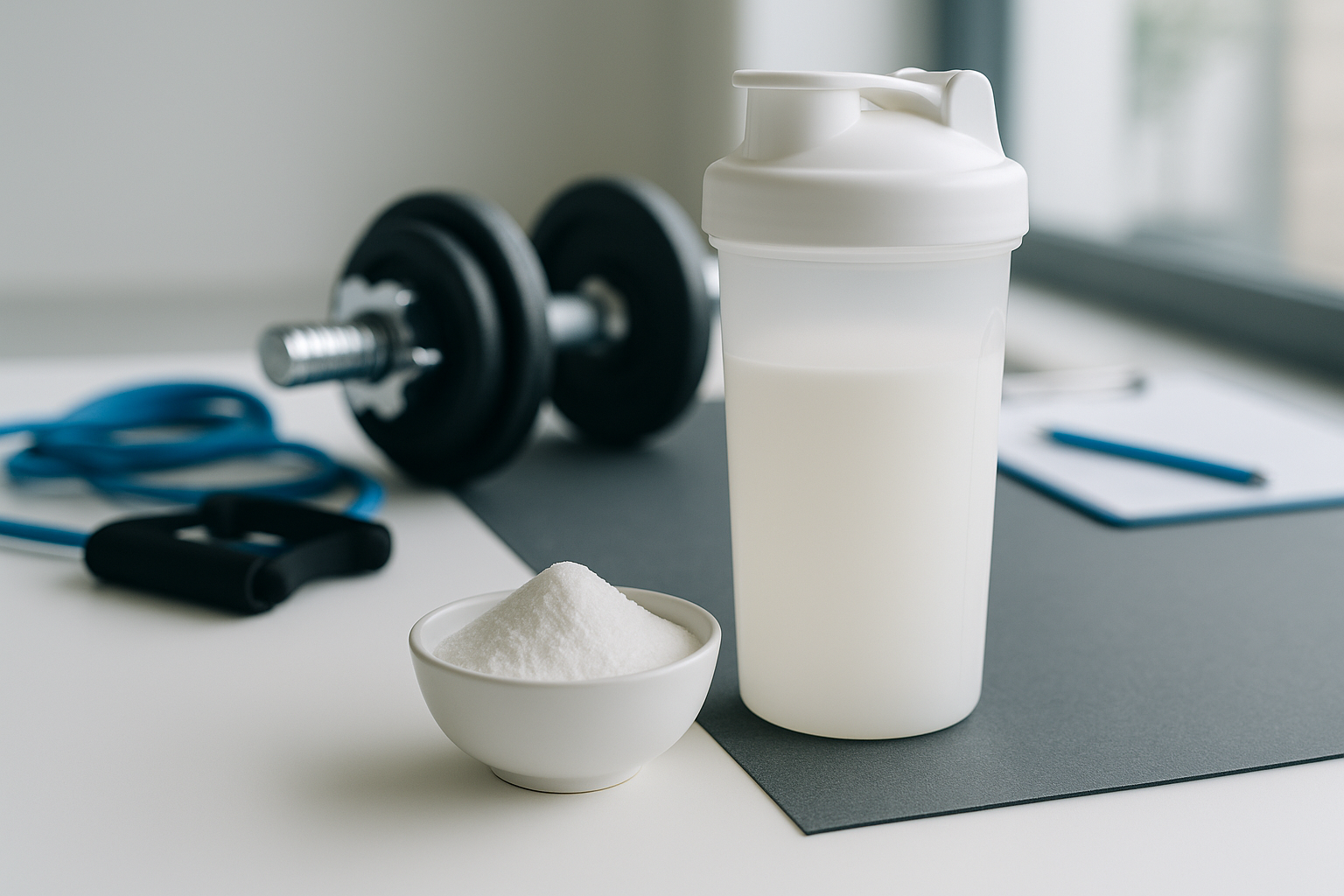
A newly registered clinical trial will test whether creatine monohydrate, added to 12 weeks of supervised resistance training, can improve muscle mass, strength and physical function in men with prostate cancer receiving androgen deprivation therapy. The study is notable because ADT commonly accelerates lean-mass loss, weakness and functional decline, but this source reports a trial plan, not results.
Source: ClinicalTrials.gov
Key Takeaways
- This is a randomized, double-blind, placebo-controlled trial, but it has not reported outcome data yet.
- Researchers will compare creatine monohydrate versus maltodextrin placebo during a 12-week supervised resistance-training programme.
- The target problem is sarcopenia-related decline during androgen deprivation therapy, including lower lean mass, strength and function.
- Outcomes include muscle density by ultrasound, body composition, strength, functional performance, inflammatory biomarkers and vascular measures.
- For readers, the practical message is cautious optimism: creatine is being tested in a clinically relevant group where muscle-preserving strategies matter.
- Until results are published, men on ADT should treat this as promising research to watch, not proof that creatine works in this setting.
What the new trial actually shows
The news here is not that creatine has already been shown to help men on androgen deprivation therapy (ADT). The news is that a randomized, double-blind, placebo-controlled clinical trial has been registered to test that question directly in a high-need population: men with prostate cancer undergoing ADT.
According to the ClinicalTrials.gov entry, researchers plan to examine whether creatine monohydrate, combined with a 12-week supervised resistance training programme, can improve several sarcopenia-related outcomes. These include muscle mass, muscle strength, physical performance, muscle density and architecture by ultrasound, body composition, inflammatory biomarkers and vascular function parameters.
That matters because ADT is well known to create the kind of physiology that makes maintaining muscle harder: less lean mass, more fat mass, weaker muscles and reduced functional performance. In practical terms, that can mean day-to-day tasks feel harder, training tolerance drops, and quality of life can worsen.
So this trial is asking a sensible, clinically relevant question: if supervised lifting is already part of the intervention, does adding creatine improve the response?
For readers familiar with mainstream creatine science, the rationale is straightforward. Creatine is best known for supporting high-intensity training capacity and, over time, helping people gain or preserve lean mass when paired with resistance exercise. The important distinction is that this trial is evaluating that strategy in a specific medical context, not in healthy gym-goers.
Why ADT is a logical target for creatine research
ADT is an effective treatment in prostate cancer care, but it often comes with a cost to body composition and physical function. The trial summary explicitly notes common problems: loss of lean mass, reduced muscle strength, functional impairment and increased fat mass. Those changes overlap with the clinical features of sarcopenia and can make exercise feel harder precisely when it may be most important.
This is why the trial design makes sense. Resistance training is already one of the most evidence-based tools for preserving strength and function. Creatine, in turn, is one of the most studied sports supplements for supporting training adaptations, especially in tasks that depend on repeated high-intensity effort. The combination is therefore mechanistically plausible.
Still, plausible does not mean proven in this population. Men on ADT are not simply older healthy adults or recreational lifters. Cancer status, treatment effects, fatigue, medication burden, appetite changes and overall health can all influence whether a supplement works the same way, works less well, or raises practical issues around tolerance and adherence.
That is why readers should view this trial as more than a routine extension of sports-nutrition research. It is an attempt to answer whether a well-known supplement can translate into meaningful benefits in a medically vulnerable group. If it does, the implications could go beyond gym performance and extend to independence, recovery capacity and quality of life.
For general creatine background, readers can explore our creatine guides and use a creatine dosage calculator for standard non-clinical dosing scenarios.
How the study is designed and its limits
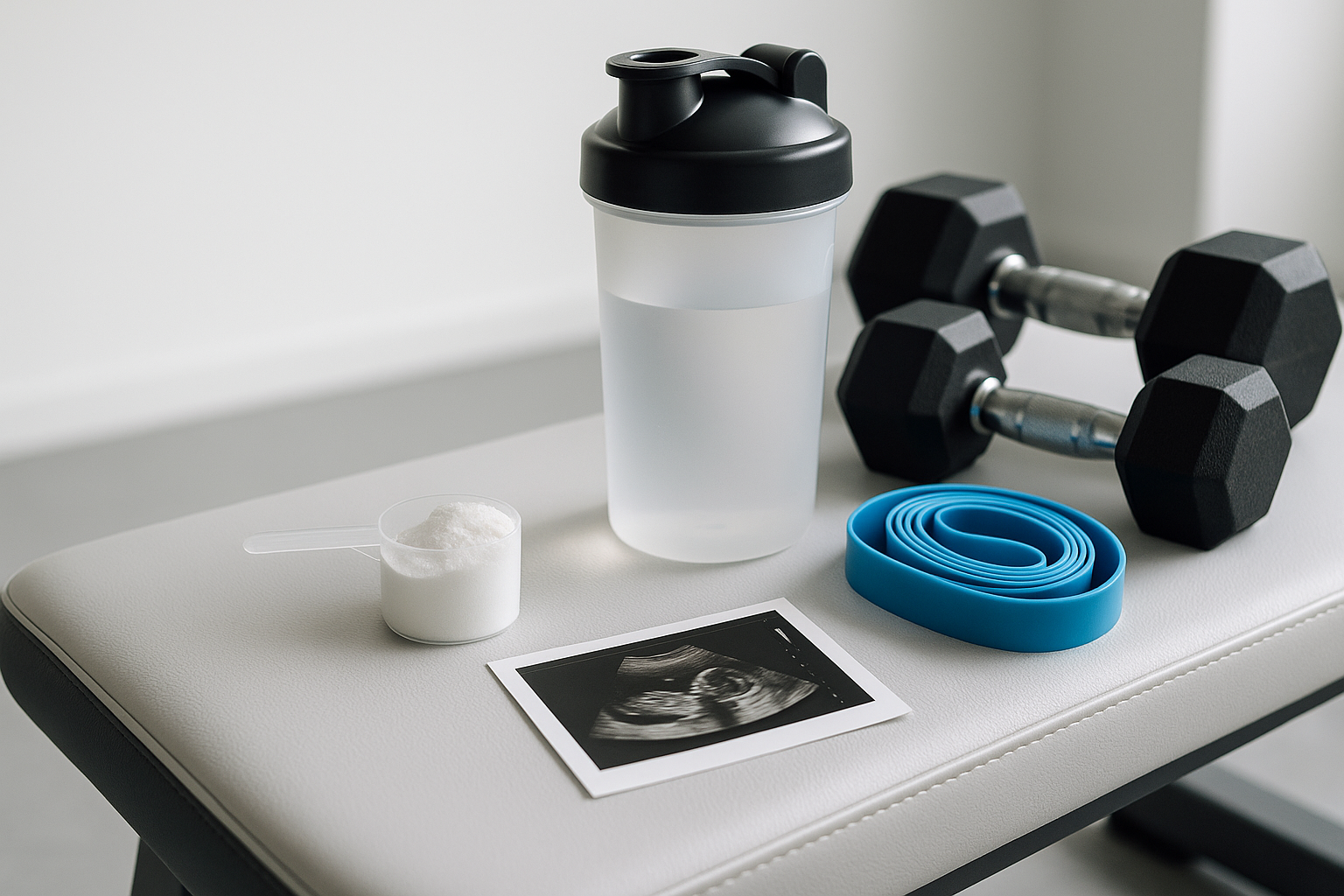
As trial designs go, this one starts from a strong template. Participants are to be randomly assigned to creatine monohydrate or placebo (maltodextrin), and both participants and investigators are intended to be blinded. Everyone also completes the same 12-week supervised resistance training intervention. That setup helps isolate whether creatine adds anything beyond training alone.
The source lists baseline and post-intervention assessments, including:
- muscle density and architecture by ultrasound
- lean mass and fat mass
- muscle strength
- functional performance tests
- inflammatory biomarkers
- vascular function parameters
That breadth is a plus. It means the trial is not only asking whether creatine changes the scale or a scan, but whether it could affect outcomes that matter to mobility and day-to-day function.
But there are important limits to what can be said right now. The registry entry provided here does not report a sample size in the supplied material, outcome data, adverse-event data or a detailed dosing protocol. It is also a trial registration rather than a peer-reviewed results paper. In other words, we know what the researchers plan to study, not what happened.
That distinction matters for interpretation and for headlines. Registration is encouraging because it increases transparency. It is not evidence of efficacy. Until published data appear, no one can honestly say whether creatine improved muscle, function or safety outcomes in these patients.
What it means in practice right now
For people who take or are considering creatine, the immediate takeaway is measured rather than dramatic. This new source does not change standard practice overnight. It tells us that researchers consider creatine sufficiently plausible and relevant to test in men experiencing treatment-related muscle loss during ADT.
If you are a healthy adult using creatine for training, the broader evidence base still supports familiar protocols centred on creatine monohydrate. Mainstream guidance typically uses either a loading phase of about 20 g/day split into 4 doses for 5-7 days or a straight maintenance dose of 3-5 g/day. Monohydrate remains the form with the strongest evidence and best track record. Our best creatine rankings, creatine brand reviews and creatine product catalog can help readers compare straightforward monohydrate options.
For men currently on ADT, the message is different: do not self-translate this trial into a medical recommendation. Because this is a cancer-care population, supplement use should be discussed with the treating oncology team or physician, especially if there are other medical issues, medications or concerns about hydration, kidney monitoring or tolerance.
Just as important, the intervention in the trial is not creatine alone. It is creatine plus supervised resistance training. If the eventual study shows benefit, the most accurate interpretation will likely be about that combination rather than about powder by itself.
Where this fits in the existing evidence
In the broader literature, creatine is among the best-studied ergogenic supplements. Position stands and reviews consistently conclude that creatine monohydrate is effective for improving performance in repeated high-intensity exercise and can support gains in lean mass and strength, especially when paired with resistance training. The International Society of Sports Nutrition position stand is one of the most widely cited summaries of that evidence, and Antonio and colleagues have also reviewed common misconceptions and practical questions around creatine use.
But population matters. Evidence in healthy young athletes does not automatically answer questions in older adults, clinical populations or patients undergoing cancer treatment. Some findings may translate; others may not. That is exactly why this ADT study is worth watching.
There is also a methodological point that often gets lost in supplement coverage: when a clinical trial adds creatine to a structured exercise programme, the real-world question becomes whether creatine provides incremental benefit beyond a strong training intervention. That is a tougher and more useful test than studying creatine in isolation.
Readers who want the wider context can consult the ISSN position stand on creatine and the review on common questions and misconceptions about creatine. Those sources support creatine's general evidence base, while this new registry highlights an important unanswered clinical question: can those benefits carry over meaningfully to men dealing with ADT-related muscle decline?
Bottom line for creatine users
The cleanest summary is this: a new registered trial will test whether creatine monohydrate plus 12 weeks of supervised resistance training can help men with prostate cancer on ADT improve muscle-related outcomes. That is promising and highly relevant, but it is not a positive trial result.
Why it matters is easy to understand. ADT can push patients toward sarcopenia-like changes that reduce strength, function and quality of life. Creatine is inexpensive, familiar and well studied in sport. If it can safely enhance the effects of resistance training in this setting, that would be clinically meaningful.
Why caution still matters is just as clear. We do not yet have the outcome data, the adverse-event profile from this trial, or the finer details needed to judge effect size, adherence and real-world usefulness in this population.
- If you are a general fitness reader: this reinforces why creatine remains worth understanding, especially alongside lifting.
- If you are on ADT or supporting someone who is: this is research to follow closely, not a substitute for clinical guidance.
- If you are shopping now: stick to plain creatine monohydrate and evidence-based dosing rather than exotic forms or inflated marketing claims.
We will need the published results before answering the only question that really counts: did creatine measurably improve muscle, function and safety outcomes for these men?
Creatine trial in ADT at a glance
- 12 weeks Supervised resistance training intervention — Duration stated in the trial registry summary.
- 2 arms Creatine monohydrate vs placebo — Placebo is listed as maltodextrin.
- 3-5 g/day Typical creatine maintenance dose — Mainstream evidence-based guidance for general use, not a reported trial dose here.
- 20 g/day Typical loading protocol — Usually split into 4 doses for 5-7 days in general creatine practice.
Frequently Asked Questions
Did this study find that creatine works for men on ADT?
No, this source does not report results. It describes a planned randomized, double-blind, placebo-controlled trial that will test whether creatine plus supervised resistance training improves muscle and function in men receiving ADT.
Why are researchers studying creatine in prostate cancer patients on ADT?
They are studying it because ADT often reduces lean mass, strength and physical function while increasing fat mass. Creatine is biologically plausible as an add-on to resistance training, so this trial aims to see whether that combination can blunt treatment-related decline.
Is the trial testing creatine alone?
No, the intervention is not creatine by itself. Participants in both groups complete a 12-week supervised resistance-training programme, and the study tests whether creatine monohydrate adds benefit beyond training compared with placebo.
What form of creatine is being studied?
The registry summary specifies creatine monohydrate. That is important because monohydrate is the most studied form of creatine and remains the reference standard in both sports nutrition research and practical supplementation.
Should men on ADT start taking creatine now based on this trial?
Not on the basis of this source alone. Because this is a clinical cancer population and the trial has not yet reported outcomes, any decision to use creatine should be discussed with the treating physician or oncology team.
What outcomes will the researchers measure?
They will measure several outcomes related to sarcopenia and overall physical health. These include muscle density and architecture by ultrasound, body composition, muscle strength, functional performance, inflammatory biomarkers and vascular function parameters.