
CrossFit athletes may underfuel despite using creatine
A new review in Nutricion hospitalaria says many CrossFit athletes do not meet their energy needs, often eat too little carbohydrate, and commonly use supplements including creatine. The practical message is not that creatine is a problem, but that it works best when basics like total calories, carbs and key micronutrients are in place.
Source: Nutricion hospitalaria
Key Takeaways
- The review says CrossFit athletes often have healthy body-fat levels but may still fall short on total energy intake.
- Women appear especially at risk of low energy availability and potential REDs-related consequences.
- Protein intake is often high, while carbohydrate intake is frequently too low for repeated high-intensity training.
- Creatine use is common among CrossFit participants, but often not guided by a qualified professional.
- The paper points to vitamin D and zinc shortfalls as additional nutrition gaps that may affect recovery and performance.
- For creatine users, the takeaway is to fix underfueling first and then use evidence-based creatine monohydrate dosing.
What the review found about CrossFit nutrition
The headline finding is straightforward: this review reports that many CrossFit athletes are not eating enough overall, often under-consuming carbohydrate, and commonly using supplements such as creatine and protein. That matters because CrossFit-style training combines repeated high-intensity efforts, strength work and substantial recovery demands, all of which depend on adequate total energy intake.
According to the abstract, CrossFit athletes often show a relatively high body mass index, especially men, but this can reflect greater lean mass rather than excess body fat. At the same time, body-fat percentage is usually described as being within a healthy range. In other words, a bigger, more muscular athlete can look “overweight” by BMI while actually being well-trained and lean.
The more important issue raised by the paper is underfueling. The authors say a significant proportion of athletes do not meet their energy requirements, with women particularly affected. The concern here is low energy availability and possible relative energy deficiency in sport (REDs), which can impair recovery, hormonal function, bone health and immune function.
For supplement users, this is the key context: creatine may support high-intensity performance, but it does not replace enough food or enough carbohydrate. Readers looking for practical supplementation basics can compare the evidence with our creatine guides and use a creatine dosage calculator for day-to-day intake planning.
Why low carbohydrate intake is a bigger deal than it sounds
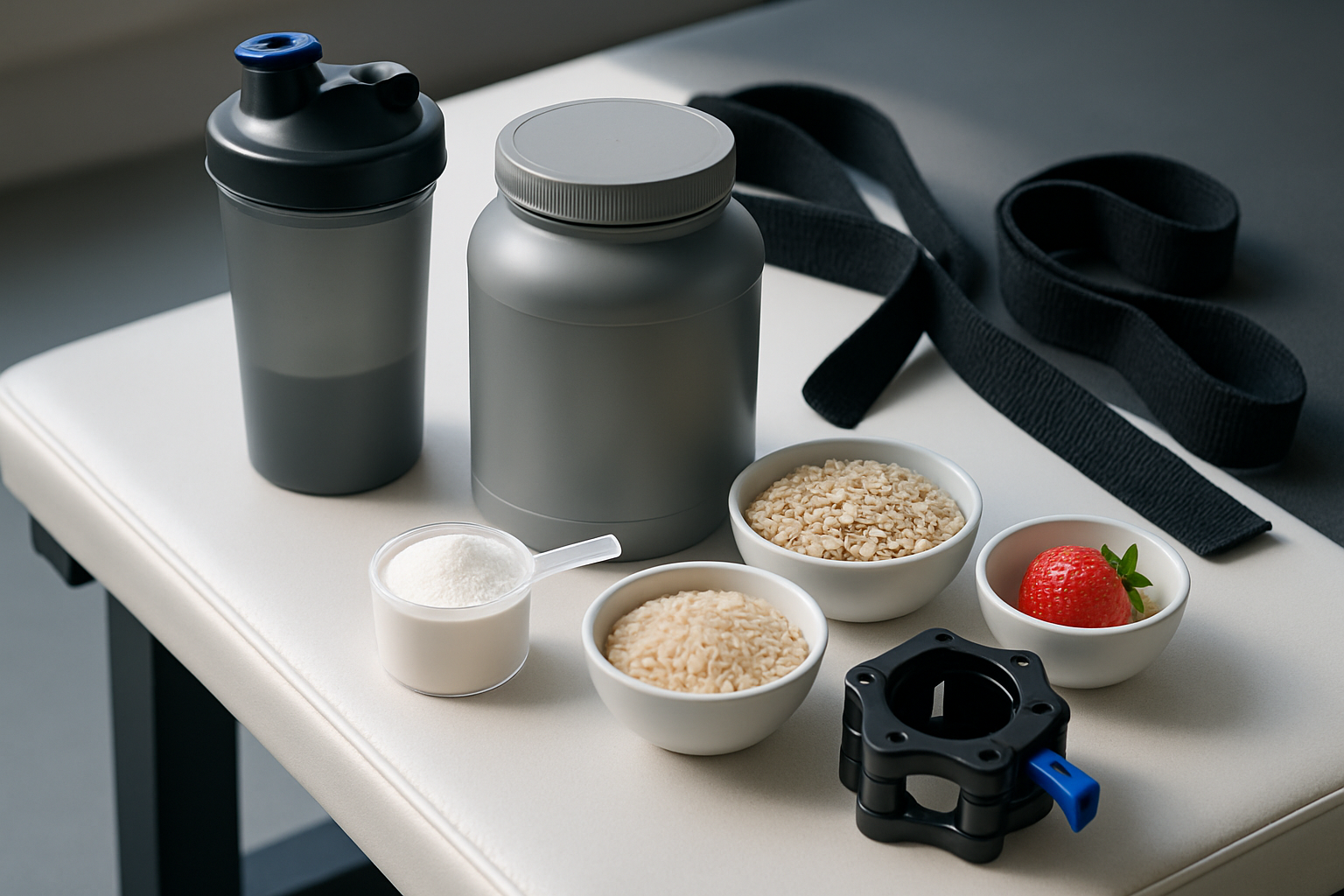
One of the clearest practical messages in this paper is that high protein intake is often coming at the expense of carbohydrate intake. That pattern is common in physique-conscious and strength-focused communities, but it can be a poor fit for training that repeatedly relies on high power output and hard conditioning sessions.
Carbohydrate is the main fuel for intense exercise. In CrossFit, where workouts can stack sprints, Olympic lifts, gymnastics work and metabolic conditioning into the same training week, inadequate carbohydrate intake may compromise session quality, recovery between workouts, and the ability to maintain training volume. Put simply, protein helps repair and adapt, but carbs help power the work.
This does not mean protein is unimportant. It means athletes can make a nutritional mistake by assuming more protein automatically compensates for too little total energy or too little carbohydrate. The review also notes insufficient intakes of vitamin D and zinc, two nutrients tied to immune function, muscle function and recovery.
For people taking creatine, this changes the interpretation of results in the real world. If a CrossFit athlete feels flat or stops progressing, the first suspect should not always be the supplement stack. It may be that the athlete is underfueled, under-carbed, or both. Creatine can still be useful, but it should sit on top of a solid eating pattern rather than try to rescue a weak one.
What kind of source this is and what it cannot prove
This article appears to be a review-style summary of the nutritional status of CrossFit athletes rather than a single randomised trial testing one intervention. That matters. Reviews can be useful because they synthesise patterns across the literature, but they are only as strong as the underlying studies they draw from.
From the abstract provided, we can say the paper identifies recurring issues: higher BMI driven by muscularity, generally healthy body-fat levels, frequent shortfalls in total energy intake, low carbohydrate intake relative to training demands, micronutrient gaps, and widespread supplement use. What we cannot say from the abstract alone is exactly how many studies were included, how participants were selected, or how consistent the nutrition assessment methods were.
That limitation should shape how readers interpret the findings. The paper supports concern about underfueling and poor diet composition in this population, but it does not prove that every CrossFit athlete is under-eating, nor that creatine use is causing any of the observed issues. It also does not directly test whether changing carbohydrate intake, vitamin D, zinc or creatine use improves outcomes in this specific sample.
So this is best read as a high-value warning sign, not a final verdict. It tells coaches and athletes where to look first: energy availability, carbohydrate adequacy, and professional oversight of supplement use.
What this means if you take creatine for CrossFit
The practical takeaway is not to stop using creatine. It is to put creatine in the right place. Creatine monohydrate remains the most studied form, and mainstream evidence supports a typical maintenance intake of 3 to 5 g per day. A common loading option is about 20 g per day split into 4 doses for 5 to 7 days, followed by maintenance. These evidence-based basics are outlined in the ISSN position stand and in broader creatine explainers such as Antonio et al. (2021).
But this review suggests many CrossFit athletes may be trying to optimise the small things before fixing the big ones. If total calories are too low, or carbohydrate intake is chronically inadequate, creatine will not fully offset the performance and recovery costs of underfueling.
- If you already use creatine: keep the dose simple and consistent, and make sure you are actually eating enough.
- If you are considering creatine: choose monohydrate, not a flashy proprietary blend. Our best creatine rankings and creatine brand reviews can help you compare options.
- If you train hard most days: pay close attention to carbohydrate intake around training, not just protein totals.
- If you are a woman with heavy training loads: be especially alert to signs of low energy availability and consider working with a sports dietitian.
Creatine is a useful tool, but this paper reinforces that it is still just one tool.
How this fits the broader creatine evidence
This review does not challenge the existing evidence on creatine’s safety or efficacy. Instead, it adds an important real-world point: athletes do not use supplements in a vacuum. They use them inside messy, imperfect diets. That is highly relevant in CrossFit, where athletes may be motivated, supplement-aware, and still miss core nutrition targets.
The broader evidence base continues to support creatine monohydrate as the reference form for improving high-intensity exercise capacity and supporting gains in lean mass and training performance when paired with appropriate exercise. Reviews and position stands also consistently note that many fears around creatine are overstated, particularly when healthy individuals use sensible doses. For a practical overview, readers can browse our creatine product catalog and deeper creatine guides.
What this CrossFit review adds is prioritisation. Athletes and coaches often ask whether creatine timing, cycling, or product format matters. In many cases, this paper suggests the better question is whether the athlete is actually eating enough food, enough carbohydrate and enough micronutrient-rich whole foods to support the training they are already doing.
That hierarchy matters because supplement gains are usually incremental, whereas chronic underfueling can meaningfully erode performance, recovery and health. So the evidence still supports creatine, but this review is a timely reminder that foundational sports nutrition comes first.
Bottom line for athletes, coaches and buyers
This paper’s news value is not that creatine is risky or ineffective. It is that many CrossFit athletes may be under-eating, under-consuming carbohydrate, and relying on supplements in a way that is not always professionally guided. That makes creatine context more important than ever.
If you coach or train in CrossFit, the priority list is clear:
- Make sure total energy intake matches training demands.
- Do not let high protein crowd out the carbohydrate needed for repeated hard sessions.
- Watch for possible gaps in vitamin D and zinc intake.
- Use supplements deliberately, not as insurance against a poor diet.
- If you use creatine, stick with monohydrate and standard evidence-based dosing.
For consumers, the best buying decision is usually the least exciting one: a reputable plain creatine monohydrate product, taken consistently, alongside a diet that actually supports training. If the basics are missing, creatine may still help, but it will not solve the core problem this review highlights.
That is the most useful way to read the paper: not as an anti-supplement message, but as a reminder that good sports nutrition still starts with enough food on the plate.
Creatine and CrossFit nutrition at a glance
- 3-5 g/day Typical creatine maintenance dose — Mainstream evidence-based monohydrate intake
- ~20 g/day Common creatine loading protocol — Usually split into 4 doses for 5-7 days
- 5-7 days Typical loading duration — Optional approach before maintenance dosing
- High protein, low carbs Pattern highlighted in the review — The paper says carbohydrate is often inadequate for intense training
Frequently Asked Questions
Did this study find that creatine is harmful for CrossFit athletes?
No. The review says creatine use is common among CrossFit athletes, but its main concern is that many athletes may not meet their energy needs and may eat too little carbohydrate. The paper recommends responsible supplement use under specialist supervision rather than suggesting creatine itself is the problem.
Should CrossFit athletes take creatine if they are not eating enough?
Creatine can still be useful, but under-eating should be fixed first. If total calories and carbohydrate intake are too low, performance and recovery may suffer in ways creatine cannot fully compensate for. Supplements work best when the athlete is adequately fueled.
What type of creatine makes the most sense here?
Creatine monohydrate makes the most sense for most people. It is the most studied form, the one most consistently supported by sports nutrition literature, and usually the most cost-effective option compared with more heavily marketed alternatives.
How much creatine should a CrossFit athlete take?
A standard maintenance dose is 3 to 5 grams per day. Some athletes also choose an optional loading phase of about 20 grams per day split into four doses for 5 to 7 days, then continue with maintenance. Daily consistency matters more than fancy timing.
Why is low carbohydrate intake a problem in CrossFit?
Low carbohydrate intake is a problem because CrossFit training relies heavily on high-intensity efforts that use carbohydrate as a major fuel source. Too little carbohydrate can reduce session quality, slow recovery and make an athlete feel flat even if protein intake is high.
Does a high BMI mean a CrossFit athlete is overfat?
Not necessarily. The review notes that CrossFit athletes, especially men, may have a high BMI because they carry more muscle mass, while body-fat percentage is often still in a healthy range. BMI can be misleading in muscular athletic populations.