Micronized Creatine Monohydrate: What It Is and Who Actually Needs It
Micronized creatine and regular creatine monohydrate are the same molecule — the only difference is particle size. Here is when that actually matters and when it is just a marketing premium.
Key Takeaways
- Micronized creatine monohydrate is identical in chemical composition to regular creatine monohydrate — it is the same molecule, ground into smaller particles.
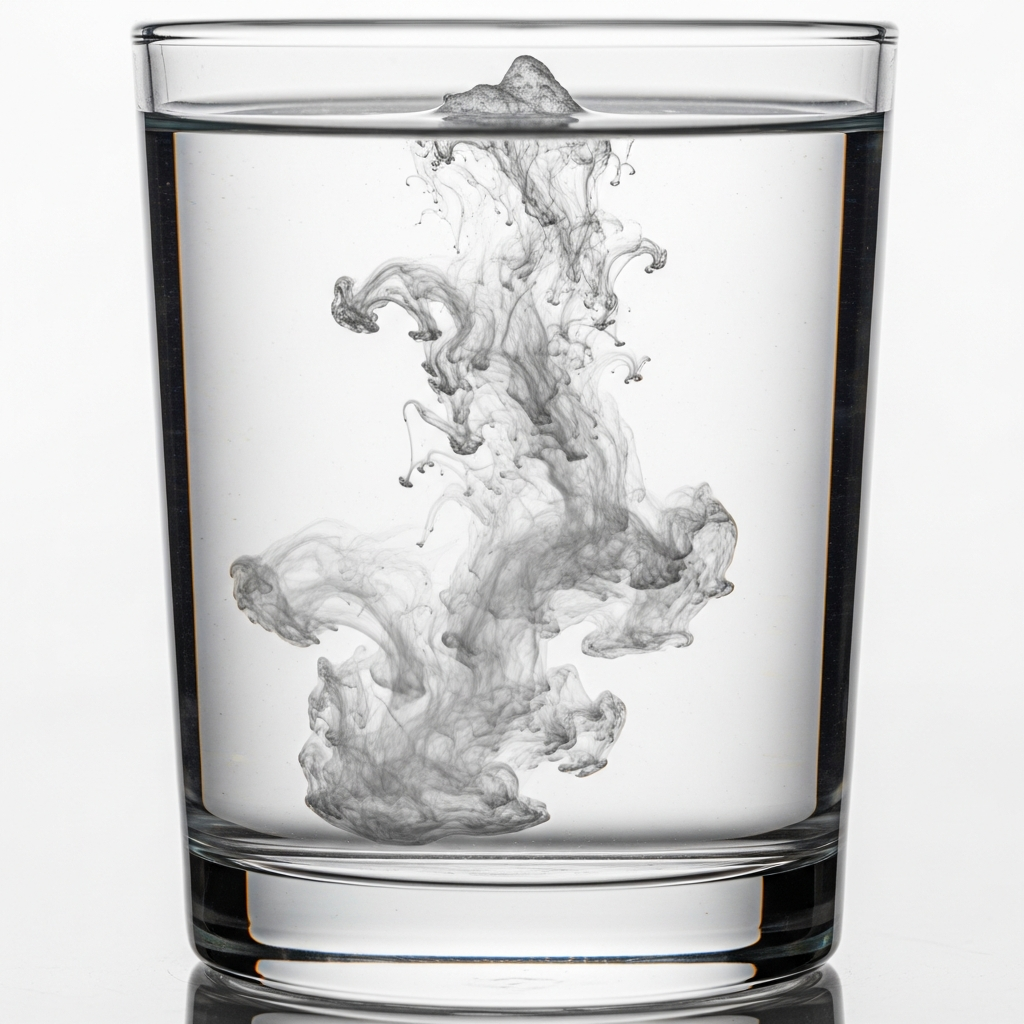
- Smaller particles dissolve more completely in water, meaning less gritty texture and less undissolved creatine settling at the bottom of your glass.
- There is no evidence that micronized creatine is absorbed better than regular monohydrate at equivalent doses — the performance benefits are the same.
- Micronized creatine is the better choice for people who experience GI discomfort with regular creatine, as undissolved particles are a common cause.
- The price difference between micronized and standard monohydrate is typically small — usually worth the upgrade for the improved mixability alone.
- Creapure is a premium German-produced micronized creatine monohydrate — the most tested and widely used pharmaceutical-grade creatine available.
What Does 'Micronized' Actually Mean?
Micronized creatine monohydrate is standard creatine monohydrate that has been processed through a micronization procedure — essentially, it is ground into much finer particles. Standard creatine monohydrate typically has a particle size of around 200–400 micrometers. Micronized creatine has particles of 200 micrometers or smaller, often significantly so.
The chemical formula is identical: C₄H₉N₃O₂. Same molecule, same mechanism, same effect on phosphocreatine stores. The only thing that changes is how small the particles are — and that affects solubility, texture, and GI tolerance, not the underlying performance benefit.
Think of it like table salt versus sea salt flakes — chemically identical, but the finer grind behaves differently in solution.
Solubility: Why Particle Size Matters in Practice
The main practical benefit of micronized creatine is significantly better solubility. Standard creatine monohydrate dissolves slowly and imperfectly in water — if you have ever mixed creatine in a glass and still seen white grit at the bottom after stirring, that is undissolved creatine.
Undissolved creatine in your gut can cause GI irritation — it acts as an osmotic agent that draws water into the intestine before the creatine has had a chance to absorb. This is the most common cause of creatine-related stomach discomfort and the loose stools some people report.
Micronized creatine, with its dramatically smaller particles, dissolves much more completely and quickly — reducing the undissolved particle problem and making the GI tolerance significantly better. It also produces a less gritty texture in drinks, which many people find more palatable.
Is Micronized Creatine Absorbed Better?
This is the question the marketing often implies — and the honest answer is: not meaningfully, at practical doses.
A few small studies have examined whether micronized creatine reaches muscle tissue faster or more completely than standard monohydrate. The results are mixed and the differences, when found, are modest. The preponderance of evidence suggests that both forms achieve equivalent muscle creatine saturation given sufficient time and dose.
The ISSN position stand on creatine does not distinguish between micronized and standard monohydrate in its recommendations — both are treated as equivalent forms of creatine monohydrate. What matters is total daily creatine intake, not whether your particles are 100 or 300 micrometers wide.
The real advantage of micronized is GI tolerance and mixability, not superior absorption.
Creapure: The Gold Standard Micronized Creatine
When you see 'Creapure' on a creatine product label, it means the creatine was manufactured by AlzChem Trostberg GmbH in Germany — the most tested and verified source of pharmaceutical-grade creatine monohydrate in the world.
Creapure creatine is:
- Micronized — fine particle size for superior dissolving
- 99.99% pure creatine monohydrate — minimal creatinine and dicyandiamide (DCD) contamination
- Extensively third-party tested — used as a reference standard in many university research studies
- Vegan — synthetically produced, no animal inputs
Many Canadian creatine products use Creapure as their source ingredient — you will typically see it listed as 'Creatine Monohydrate (Creapure®)' in the ingredient panel. It commands a small price premium over generic creatine monohydrate, but for the purity and testing record, it is worth it for most buyers.
See our Best Creatine Monohydrate in Canada guide for top Creapure-verified options.
Micronized vs Regular Monohydrate vs Creatine HCL
It is worth distinguishing these three since they are often compared:
- Regular creatine monohydrate: Larger particles, can be gritty, dissolves slowly, cheapest option. Identical performance benefit to micronized at equivalent doses. Fine for people with no GI sensitivity.
- Micronized creatine monohydrate: Same molecule, smaller particles. Better dissolution, gentler on the stomach, similar price. The best default choice for most people.
- Creatine HCL: A different salt form of creatine (creatine hydrochloride). Very soluble, much smaller doses claimed (1–2g vs 3–5g). However, no well-controlled study has proven HCL produces equivalent or superior muscle creatine saturation at lower doses. Costs significantly more per effective dose. A reasonable alternative for people who cannot tolerate monohydrate even micronized.
For most people: micronized monohydrate is the optimal choice — same evidence base as regular monohydrate, meaningfully better mixability and GI tolerance, minimal price premium. For a detailed comparison of forms, see our article on creatine HCL vs monohydrate.
Micronized Creatine: The Key Differences
- Same Active molecule — micronized and regular monohydrate are chemically identical
- Smaller Particle size — finer grind improves dissolution and GI tolerance
- 99.99% Purity in Creapure-certified micronized creatine — the benchmark for quality
- Best for People with GI sensitivity to regular creatine, or anyone who wants a cleaner mix
Frequently Asked Questions
Is micronized creatine better than regular creatine monohydrate?
For performance: equivalent — both produce the same muscle creatine saturation and the same strength and power benefits. For practical use: micronized is better — it dissolves more completely, mixes with less grittiness, and is gentler on the stomach. The small price difference is usually worth it.
What is the difference between micronized creatine and Creapure?
Creapure is a specific brand of pharmaceutical-grade micronized creatine monohydrate made in Germany by AlzChem. All Creapure is micronized, but not all micronized creatine is Creapure. Creapure has the highest purity verification and the longest research track record. Look for 'Creapure®' on the label to confirm the source.
Does micronized creatine dissolve better in water?
Yes, significantly. The smaller particle size means micronized creatine dissolves more completely and quickly in water — less grit, less settling at the bottom of your glass, and a cleaner texture in shakes. This is the main practical reason to choose micronized over standard monohydrate.
Is micronized creatine vegan?
Yes. Creatine monohydrate — including micronized versions and Creapure — is synthetically produced from sarcosine and cyanamide. No animal products are involved in its manufacture. The creatine in your supplement contains no animal-derived ingredients.
How much micronized creatine should I take per day?
The same as any creatine monohydrate: 3–5g per day. Micronization changes particle size, not dosing requirements. Use our Creatine Dose Calculator for a bodyweight-based recommendation.
Is micronized creatine good for people with sensitive stomachs?
Yes — it is specifically the better choice for GI-sensitive individuals. Most creatine-related stomach discomfort is caused by undissolved creatine particles irritating the gut. Micronized creatine dissolves more completely, reducing this issue significantly. Take it with food for best GI tolerance.